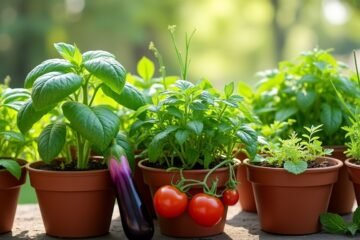
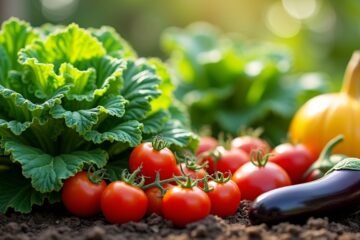
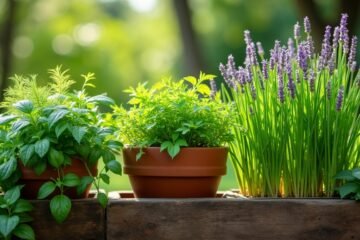
You can totally transform your shady spots into edible havens! Imagine crisp lettuce and nutrient-rich spinach flourishing in those dim corners of your garden. These greens love cooler conditions and don’t mind a little dappled light! Just make sure your soil is rich and moist, like a chocolate cake—perfect for growing! With a little creativity, you can savor delicious harvests all year round. Curious about which plants thrive best in low light? Read on to discover more!
Understanding Shade Levels in Your Garden
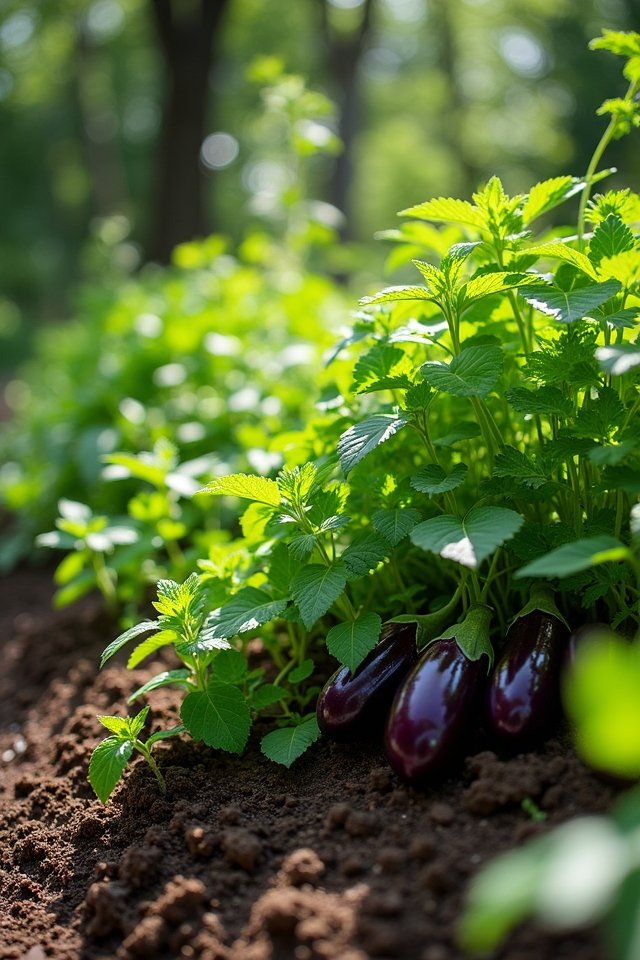
Have you ever wandered through your garden, wondering just how much shade really affects your plants? Well, it’s like trying to find your favorite bistro in a maze of alleys—you just need to know where to look! Shade can be tricky; there are three main levels: light, partial, and heavy. Light shade is like wearing a stylish pair of sunglasses, perfect for delicate herbs like cilantro and basil. Partial shade’s more like a cozy café, ideal for leafy greens like lettuce or spinach! Then there’s heavy shade, where you might feel lost. Here, only the most resilient plants—think of mushrooms or ferns—will thrive. Knowing these levels empowers you to make innovative choices for your shaded sanctuary!
Benefits of Growing Edibles in Shade
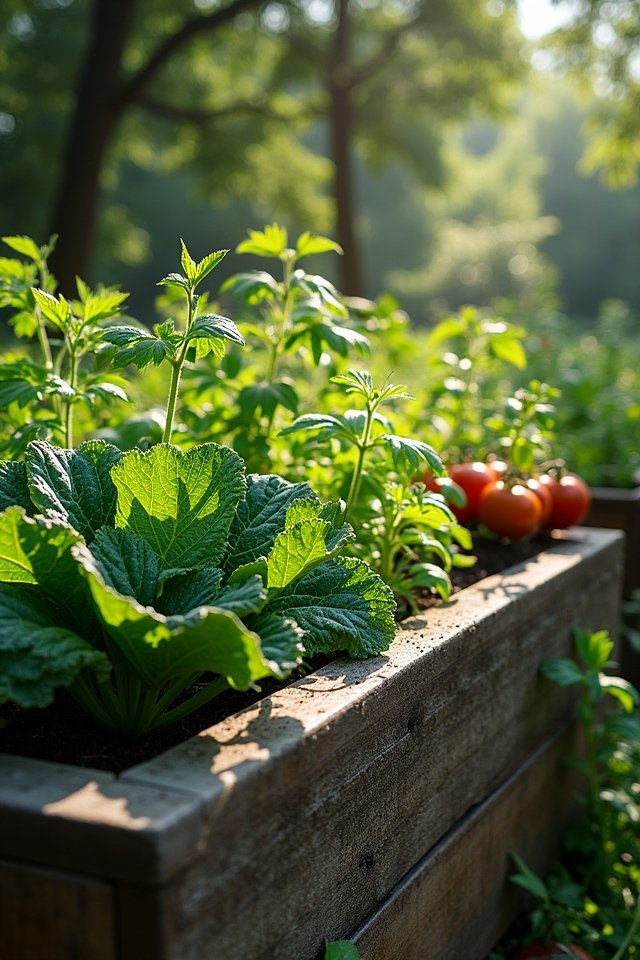
Growing edible plants in shade isn’t just a clever workaround; it’s a delightful adventure! Imagine nibbling on fresh, crisp lettuce or vibrant herbs, all while basking in a cozy, leafy setting. Shaded spaces are often cooler, which means you won’t be sweating buckets while gardening! You’ll discover a treasure trove of tasty greens, like spinach and arugula, that thrive in those dappled rays. Plus, shaded gardens often require less watering—talk about a win-win! Got a shady corner? Welcome it! Picture vibrant green leaves painting a gentle tapestry under trees. You’ll not only cultivate a lush oasis but also savor the joy of homegrown goodness that flourishes where you least expect it. Why not plot your shady edible adventure today?
Ideal Soil Conditions for Shaded Growth
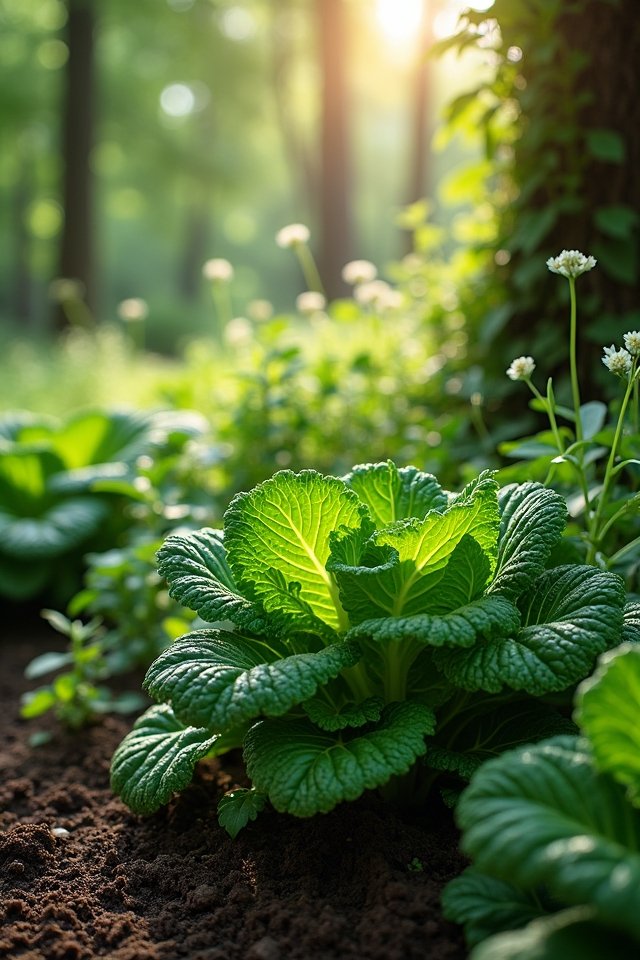
The secret to a thriving shaded garden lies beneath your feet: the soil! You’ll want rich, loamy soil that feels like a soft, spongy cloud. This texture helps retain moisture, which is essential in shaded spots where sunlight often plays hide-and-seek! Don’t forget organic matter like compost, too; it’s like a buffet for earthworms and nutrients. Aim for a slightly acidic to neutral pH, around 6.0 to 7.0, since many edible plants thrive in this range. Test it, tweak it, celebrate! Incorporating shredded leaves or pine needles can create that perfect, cozy environment. Remember, healthy soil is your garden’s foundation, so roll up those sleeves and dig deep—your edible marvels can’t wait to sprout into deliciousness!
Selecting the Right Edible Plants
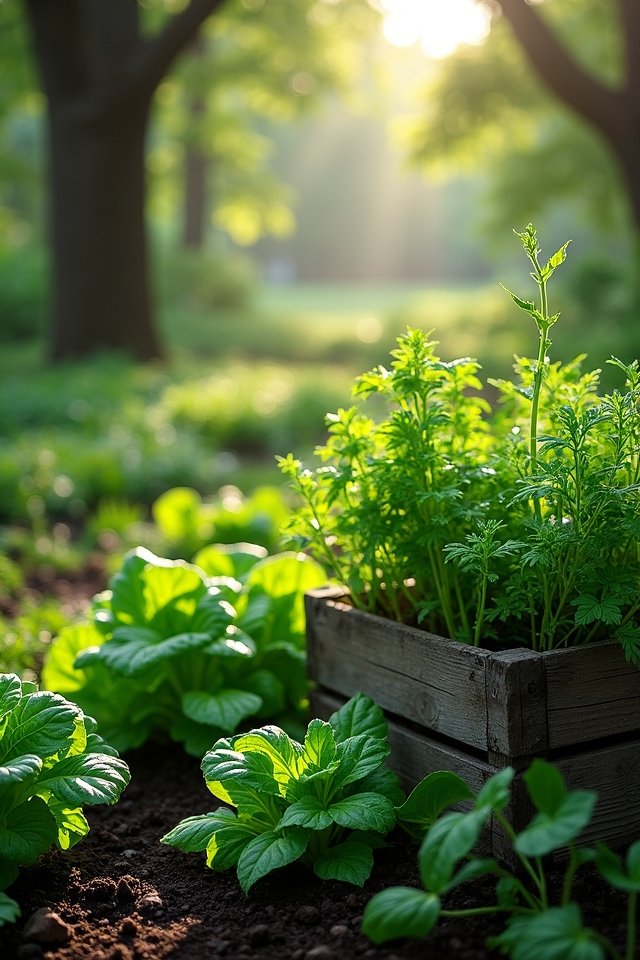
While you might think your shaded garden space limits your options, you’ll be delighted to discover a vibrant world of edible plants just waiting to grace your plate! Picture juicy strawberries peeking through lush green leaves or crisp lettuce thriving in the cool shelter of tree canopies. You can also cozy up with kale and spinach—these leafy wonders bask in shade like they’re on a mini-vacation! Have you ever tasted delicious, crunchy radishes? They love the low light too! Don’t forget about some of the more exotic varieties, like wasabi arugula, which can add a zesty flair to your dishes. So, plunge into and get ready to dig into a garden bursting with flavor, even in the shade!
Herbs That Flourish in Low Light
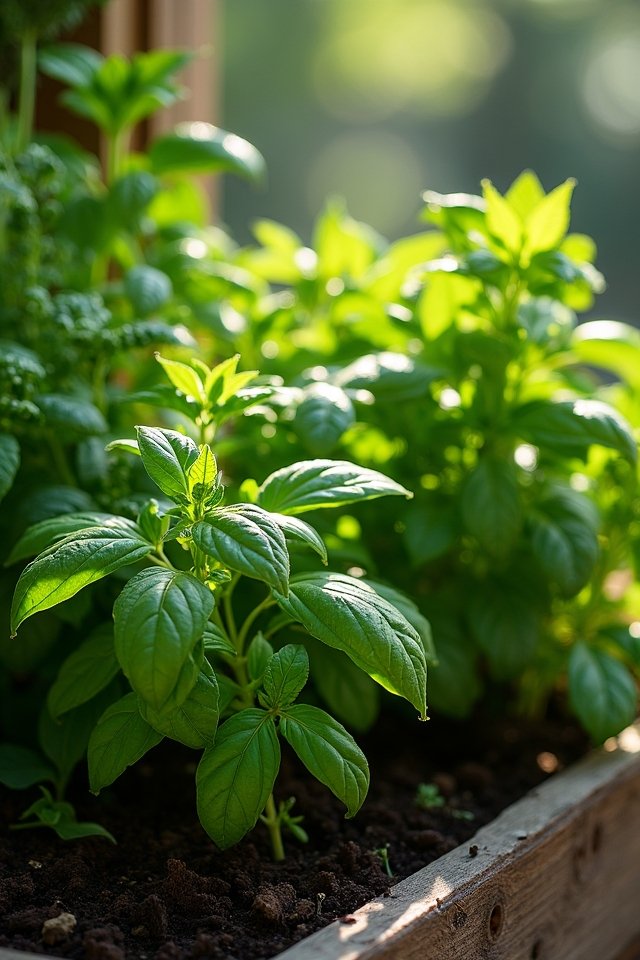
You might be surprised to learn that a shady nook in your garden can still be a haven for delicious herbs! Imagine plucking fresh basil or cilantro, enhancing your dishes, even in dim light! Take heart, for herbs like mint, chives, and parsley all thrive in low-light conditions. Mint’s sweet aroma can transform your summer drinks, while chives sprinkle oniony goodness into your favorite meals. Parsley? It’s a vibrant garnish and a flavor powerhouse. These herbs not only flourish in shade, but they’re also effortless to grow! Picture yourself crafting a delightful herb-infused butter, just steps away from your cozy, shaded retreat. Who knew that a little bit of shade could yield a culinary treasure trove? Welcome the innovation of your unique environment!
Leafy Greens for Shaded Spaces
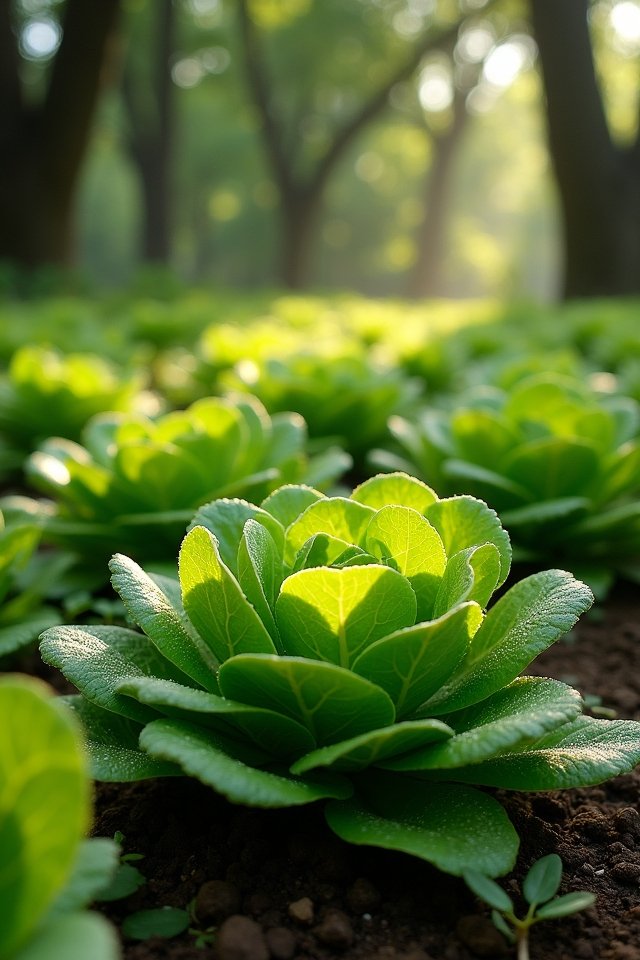
Shaded areas in your garden are not just for sipping iced tea—they can be the perfect spots for growing leafy greens that are both vibrant and nutritious! Imagine harvesting fresh, crisp leaves right from your cozy nook. Here are four leafy greens that thrive in the shade:
- Lettuce: Its tender leaves will give you that crunchy satisfaction you crave.
- Spinach: Packed with nutrients, it’s like a superfood superhero for your salads!
- Kale: This leafy powerhouse will keep growing, even when sunlight is limited.
- Swiss Chard: With its colorful stems, it’s like having a rainbow on your plate!
Root Vegetables That Adapt Well to Shade
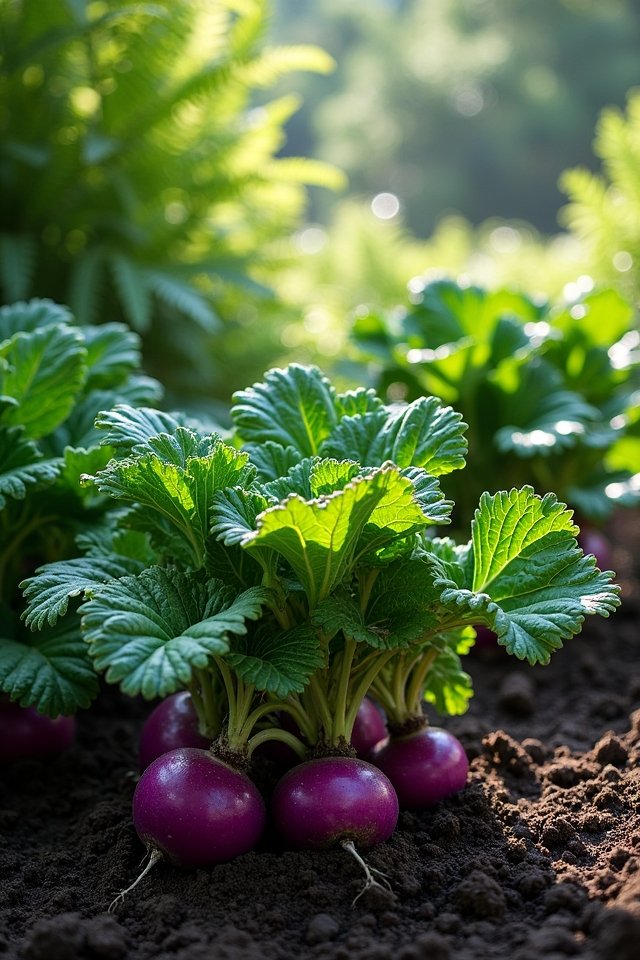
When you think of gardening, root vegetables might not be the first crops that come to mind for shady spaces, but they can surprise you! Carrots, for instance, are like secret treasures underground, flourishing even with reduced sunlight. You’ll find earthy sweetness in purple-hued varieties, growing robustly in filtered light. Try growing beets, too! They thrive in shade while offering vibrant, playful colors to your plate. Radishes can speedily grace your garden, packing a delightful crunch and peppery zing, all while basking in cooler spots. With their magical ability to adapt, these root veggies prove that even the shadiest corners of your garden can yield bountiful surprises! So, grab your trowel and dig deeper into the world of innovative gardening!
Container Gardening as a Solution
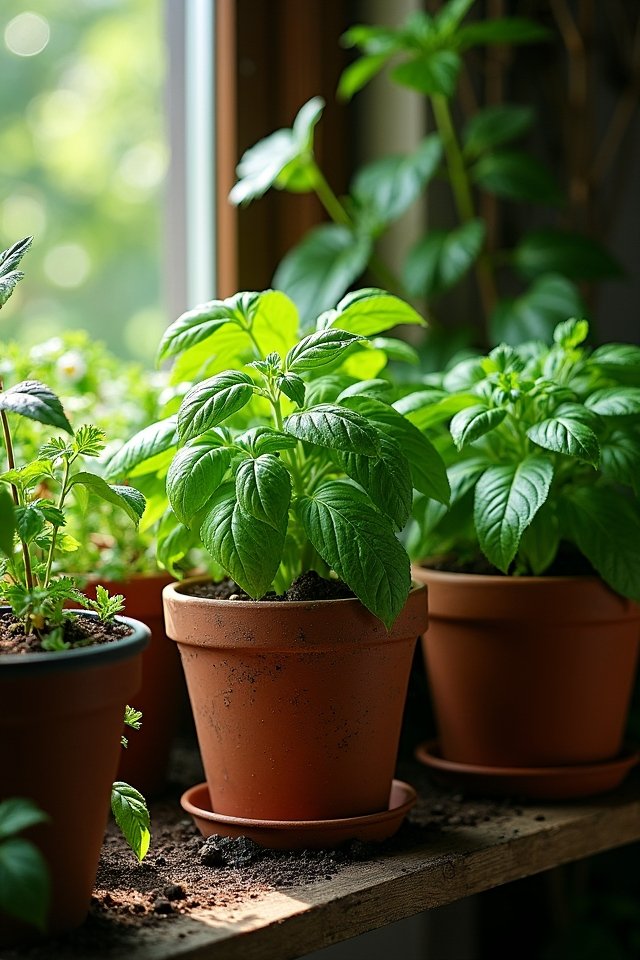
Container gardening opens up a world of possibilities for those with limited sunlight! Imagine fresh herbs or veggies flourishing right outside your door! You can create a little oasis in any nook or cranny. Here are some exciting ideas to get you started:
- Herb planters: Basil, mint, and parsley love partial shade—perfect for sun-sheltered patios!
- Vertical systems: Consider stacking pots; they save space and add style while maximizing your area!
- Hanging baskets: Fill them with leafy greens or strawberries; they’re charming and functional!
- Create your own mix: Combine colorful edible flowers and leafy greens for a vibrant, tasteful garden!
Companion Planting for Shaded Areas
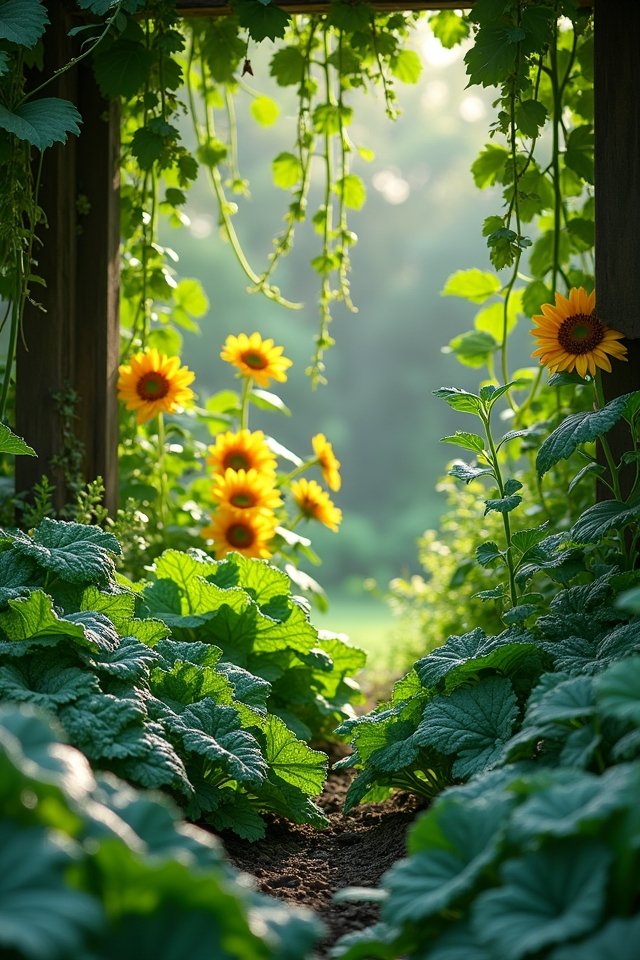
Companion planting can turn your dimly lit garden into a thriving haven! You can create a culinary symphony by pairing leafy greens like spinach or lettuce with vibrant, upright plants like garlic or chives. These companions not only maximize space, but they also repel harmful pests. Imagine your kitchen bursting with flavor and color, all thanks to nature’s teamwork!
Going for herbs? Try growing basil beside shaded tomatoes! They’ll help each other flourish and make your marinara sauce magical! Also, consider interspersing nasturtiums among your other plants. These edible beauties attract pollinators and add a dash of zest to your dishes. So, why not invite these companions to your shaded space? Your garden deserves its own vibrant ensemble cast!
Maintenance Tips for Shaded Gardens
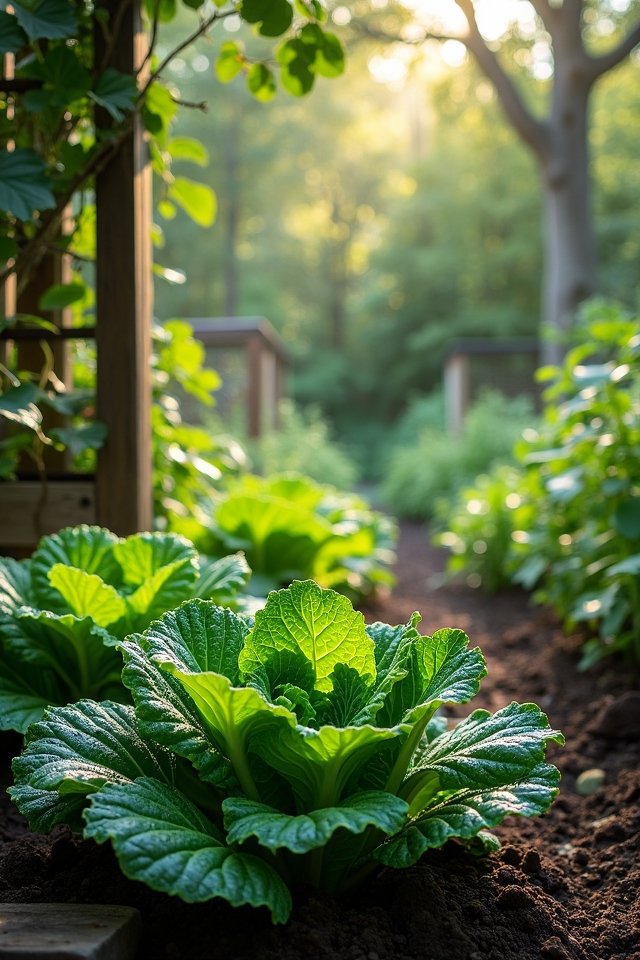
Even though shaded gardens might seem intimidating, with a bit of love and smart maintenance, you can easily transform them into lush retreats! Here are some tips to keep your shaded haven thriving:
- Choose the Right Plants: Opt for shade-loving gems like kale or mint that’ll flourish without the sun’s harsh glare.
- Monitor Moisture: Shaded areas can retain moisture, so watch for soggy soil—nobody wants waterlogged roots!
- Prune Regularly: Trim back surrounding branches to allow filtered light and improve air circulation—think of it as giving your plants a breath of new life!
- Fertilize Wisely: Use organic fertilizers to nourish your plants, but don’t go overboard—too much is like a party with too much cake!
Embrace the shade; your edible garden will thank you!
Seasonal Considerations for Edible Plants in Shade
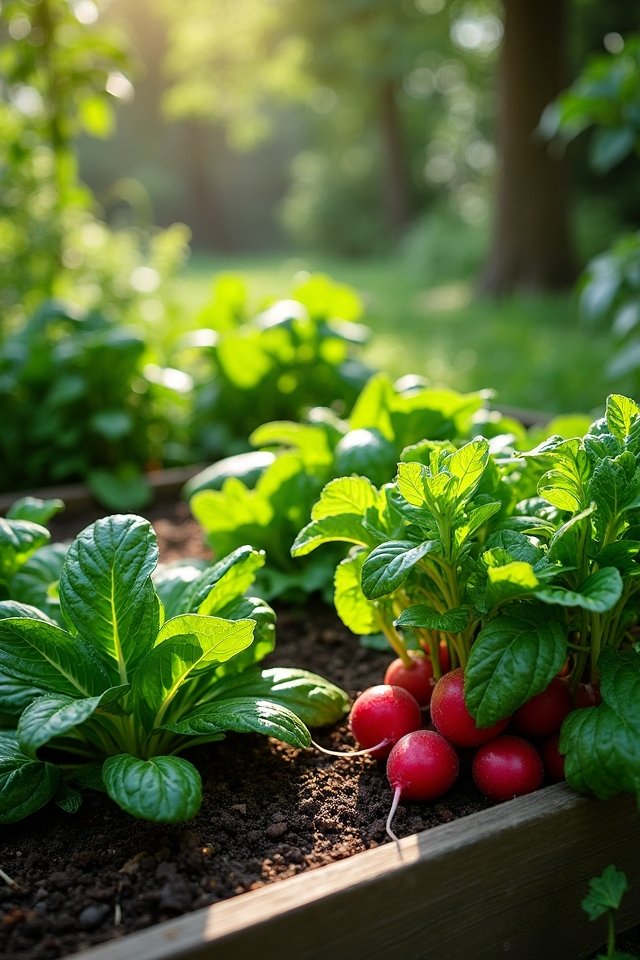
When spring arrives and the world awakens, it’s essential to contemplate how the changing seasons affect your shaded edible garden. As the sun grows stronger, consider planting leafy greens like spinach and arugula—they thrive in cooler weather! In summer, don’t let some overcast skies fool you; herbs like mint and parsley can flourish in partial shade. Fall is your time to plant heartier crops, such as kale and collards, which love the chill. And in winter? Don’t despair! With a proper cover, you might even grow hardy crops that are as tough as they come. Remember, each season brings its own opportunity, so welcome the challenge! Are you ready to innovate your shaded sanctuary? Let’s dig in!
Frequently Asked Questions
Can I Grow Tomatoes in Shaded Areas?
So, you think you can’t grow tomatoes in shaded areas? Well, think again! While tomatoes thrive in bright sunshine like sunbathers on a beach, some crafty varieties can handle partial shade! Consider cherry tomatoes; they’re often more forgiving. Picture those plump, juicy gems nestled among shadows—delicious! Just guarantee they get at least a few hours of sunlight daily. Who knows? Your garden might just surprise you with a bountiful harvest!
How Much Sunlight Do Shaded Plants Need Daily?
Shaded plants usually need about 4 to 6 hours of indirect sunlight daily to thrive! Think of sunlight as their energy drink—without it, they’ll just wilt away. For example, leafy greens like spinach and kale might appreciate those cozy shade spots! But be cautious, too much shade can leave them feeling sluggish. So, don’t shy away from moving pots around until you find that perfect sunny spot! Keep experimenting—you’ve got this!
What Pests Are Attracted to Shaded Gardens?
“Where there’s shade, there’s pests to invade!” You’re likely to attract slugs, snails, and aphids in those cool corners of your garden. Slugs sneak around like stealthy ninjas, munching on your plants! Aphids, tiny yet tenacious, cluster like gossiping friends on tender leaves. Keeping your space clean and using natural repellents can help. So, prepare for battle; it’s a shade-war zone out there! Stay vigilant, and protect your leafy delights!
How Do I Maximize Yields in Low-Light Conditions?
To maximize yields in low-light conditions, you’ve gotta get creative! Think about using reflective surfaces to bounce light onto your plants—like a sneaky little mirror that encourages growth! Choose shade-tolerant plants, such as leafy greens and herbs, and pair them cleverly for space efficiency. And hey, consider vertical gardening! Your garden can climb to new heights, literally! Adopt innovation, and you might just discover a hidden treasure in that dim corner of your yard!
Are There Any Edible Flowers for Shaded Gardens?
Imagine stepping into your garden, hoping for a splash of color, and finding edible flowers waiting just for you! Try planting nasturtiums—vibrant, peppery delights that’ll brighten up any meal. Or consider violets, sweet and charming, perfect for garnishing desserts! Don’t forget about borage, its starry blue blooms are simply irresistible. So, why not transform your shaded sanctuary into a feast for the eyes and palate? Get ready to surprise your taste buds!