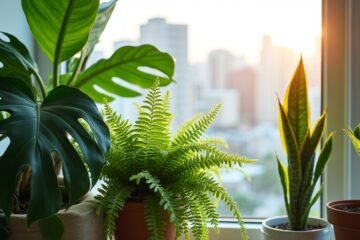
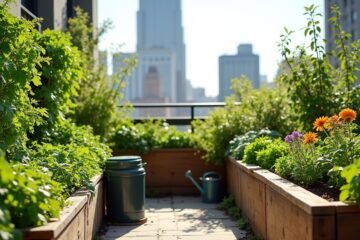
Want to keep your hydroponic garden thriving? First, monitor those nutrient levels like a hawk! Check the pH and EC often to keep plants happy and colorful. Next, make certain they’re soaking up at least six hours of light—natural or LED grow lights are your best friends! Keep the temperature cozy, like a warm hug at 70-75°F, and watch for pests like a diligent detective. Think of your garden as a magical world—let’s explore it together further!
Monitor Nutrient Levels Regularly
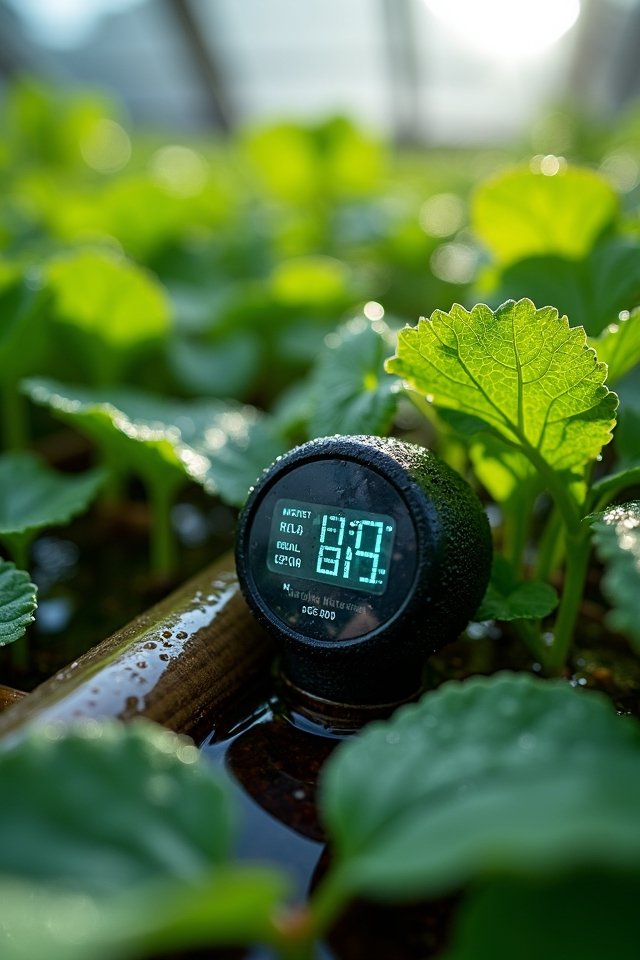
When you plunge into hydroponic gardening, you’ll quickly realize that monitoring nutrient levels is like keeping your plants’ favorite playlist on repeat! You wouldn’t want to play the same boring song, right? Use innovative monitoring techniques to guarantee your nutrient solutions stay fresh and balanced. Regularly check your EC (electrical conductivity) and pH levels—think of it as tuning your plants’ musical preferences! Grab a reliable meter, and don’t hesitate to adjust those nutrient solutions as needed. For instance, if your leafy greens start to yellow, it’s a sign they’re craving something different. Remember, a little attention goes a long way! So, dance along with your plants as you keep their nutrient vibes just right!
Maintain Optimal Ph Balance
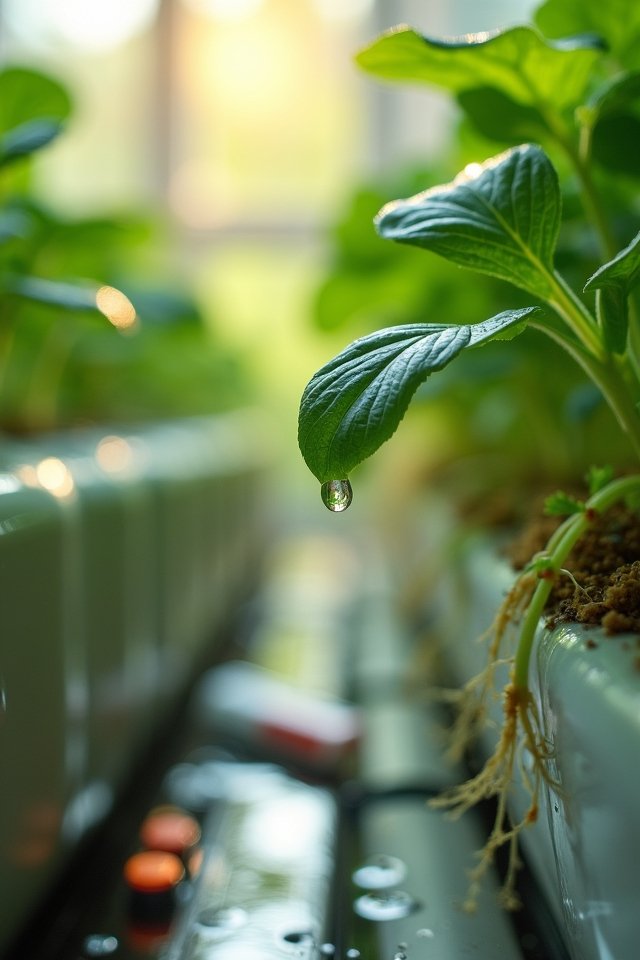
Have you ever wondered how a tiny change in pH can make your plants sing? It’s true! Regular pH testing is your secret weapon. Aim for that sweet spot around 5.5 to 6.5, where nutrients dance into your plants’ roots. Just a smidge off, and your greens might sulk! Use buffering solutions to keep that pH steady, like a loving hug for your garden. When you notice fluctuations, don’t panic! Adjust swiftly to avoid plant drama. Think of your pH level as the musical key to your garden symphony; it creates the harmony your plants crave. Remember, a balanced pH isn’t just a number; it’s the heartbeat of your hydroponic oasis! Let your plants thrive, and watch them flourish!
Ensure Adequate Light Exposure

Even if your plants are the best of friends with perfect pH levels, they won’t thrive without plenty of light! Think of light as the ultimate party host, energizing your garden. If you can, let your plants bask in natural light for at least six hours a day. Sunlight’s warm hug works wonders! But don’t fret if your space lacks those golden rays—artificial lighting can save the day. LED grow lights are like magic wands, providing the spectrum your plants crave. Position them just inches above your greenery, and watch them stretch towards the glow! Remember, too little light can leave your plants sulking in the corner, while too much can turn them into sunburned divas! Keep that balance, and your garden will flourish!
Control Temperature and Humidity
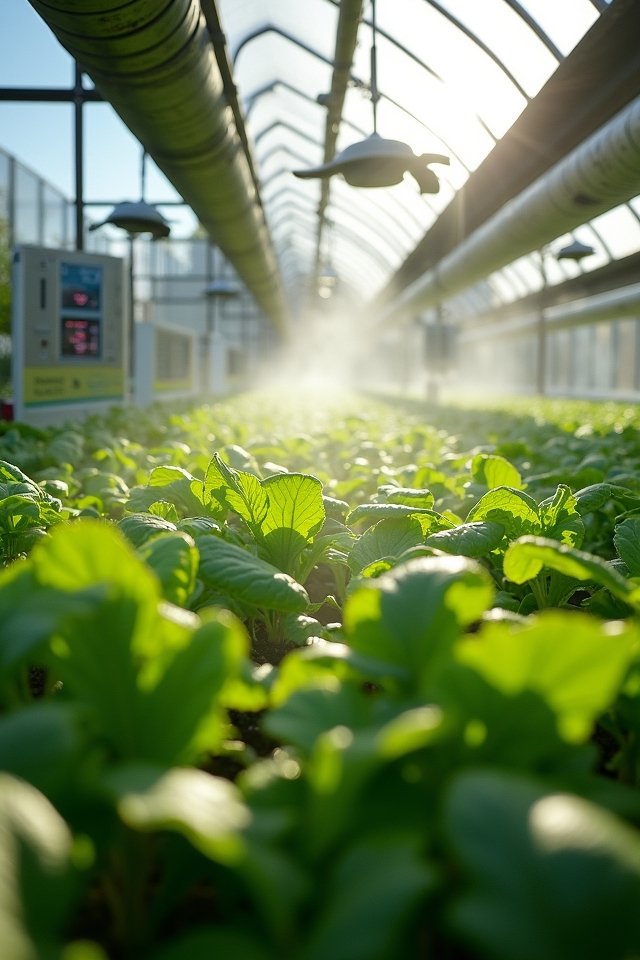
To keep your hydroponic garden thriving, you’ve got to play the role of a temperature and humidity maestro! Imagine your plants dancing in perfect harmony; that’s what effective temperature regulation and humidity control can do! Aim for a cozy 70-75°F during the day and a slightly cooler night—your plants will love it! Use thermostats and humidifiers to keep conditions just right. If humidity dips too low, your plants might feel like they’re in a desert—yikes! Conversely, too much humidity can lead to mold, which is a total party crasher. So, monitor those levels like a hawk! With the right balance, your hydroponic garden will flourish, bursting with vibrant colors and rich flavors! Isn’t that the dream?
Prevent Pests and Diseases
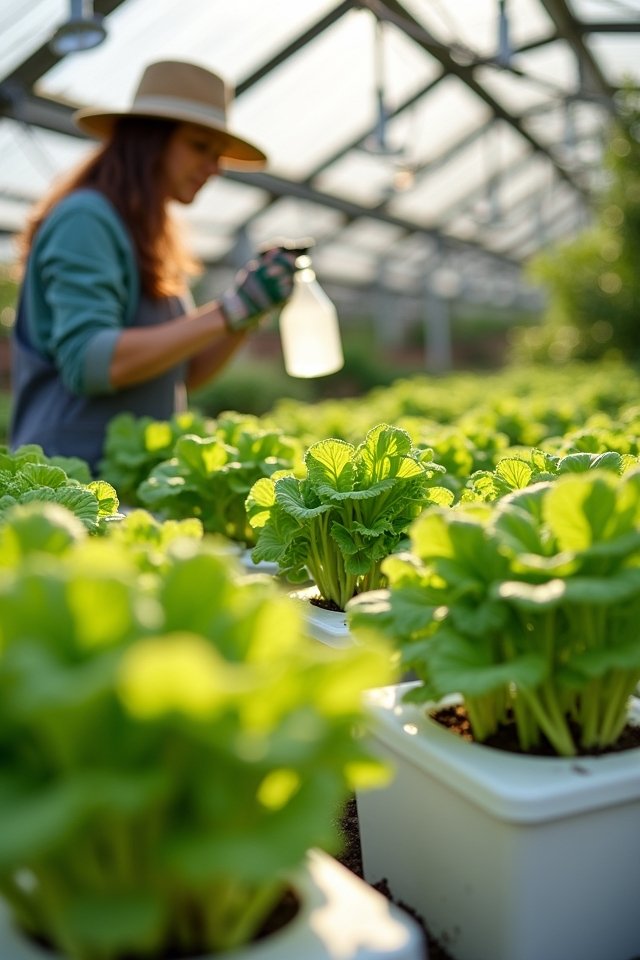
While you might think your plants are safe in their hydroponic haven, pests and diseases can sneak in like uninvited party guests! To keep your garden thriving, take these proactive steps:
- Invite Natural Predators: Ladybugs and lacewings are like your garden’s bouncers, keeping those pesky aphids at bay!
- Use Organic Pesticides: Think of these as the gentle bodyguards for your plants. Neem oil or insecticidal soap can work wonders without harsh chemicals.
- Monitor Regularly: Check your plants frequently. Early detection is like catching a cold before it spreads!
With some diligence and these innovative strategies, you’ll create a pest-free paradise! So, roll up your sleeves and show those pests they’re not welcome!
Frequently Asked Questions
What Types of Plants Are Best Suited for Hydroponic Gardening?
When it comes to hydroponic gardening, you can’t go wrong with vibrant herb varieties like basil and mint! These fragrant plants thrive in water and fill your kitchen with delightful aromas. Fruiting plants, such as juicy strawberries and crisp tomatoes, also shine in this environment, growing faster and bigger. Imagine biting into a sun-warmed strawberry, bursting with sweetness! So, ready to transform your garden into a mini paradise? Let’s get growing!
How Often Should I Change the Water in My System?
You should change the water in your hydroponic system every two weeks. Think of it like washing your car—you wouldn’t let dirt build up, right? Keeping an eye on water temperature is essential, too! If it’s too warm, nutrients can get unbalanced, and your plants won’t thrive. So, change that water regularly, and watch your leafy friends flourish! After all, they deserve the best, don’t they? Let’s keep that garden vibrant!
Can I Use Organic Nutrients in Hydroponics?
Absolutely, you can use organic nutrient sources in hydroponics! Think of it like giving your plants a gourmet meal instead of fast food. Brands like General Organics or Earth Juice offer fantastic options that are both effective and eco-friendly. Just remember, balance is key! Too much of a good thing can be overwhelming, just like that extra slice of cake. So, mix it right, and watch your leafy friends thrive!
What Is the Best Hydroponic System for Beginners?
If you’re diving into hydroponics, start with simple systems like Kratky or deep water culture! They’re easy to set up and maintain, making them perfect for beginners. Avoid common beginner mistakes, like overcomplicating things! Think of it like planting seeds in a cozy, efficient home. Your plants thrive in nutrient-rich water, and you’ll get to enjoy vibrant greens without the dirt. Plus, it’s like watching nature’s magic unfold right in your living room!
How Do I Troubleshoot Slow Plant Growth?
If your plants are growing slower than a snail on a leisurely stroll, it’s time to investigate! Check for nutrient deficiencies—like a hungry toddler, your plants need a balanced diet! Also, evaluate their light exposure. Are they basking in sunlight or hiding in the shadows? Think of light as a warm hug for your greens. By adjusting these factors, you’ll watch your plants thrive, growing faster than weeds in spring!