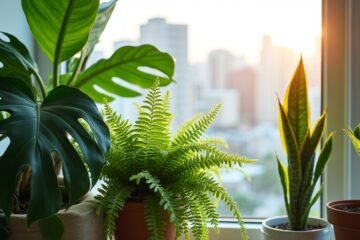
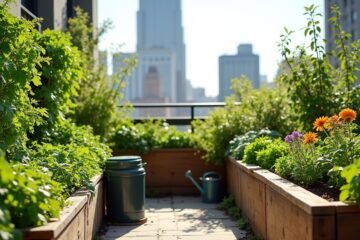
When you start your indoor garden, avoiding common mistakes can save your plants from a dramatic fate! You might be overwatering—think dripping soil that drowns roots! Or perhaps you’re ignoring light—plants crave 12-16 hours of bright, indirect sunshine like you crave morning coffee! Don’t forget about the right soil, humidity, and proper fertilizer, or your plants could end up like sad housemates. Let’s keep those green dreams alive; there’s so much more to discover!
Overwatering Plants
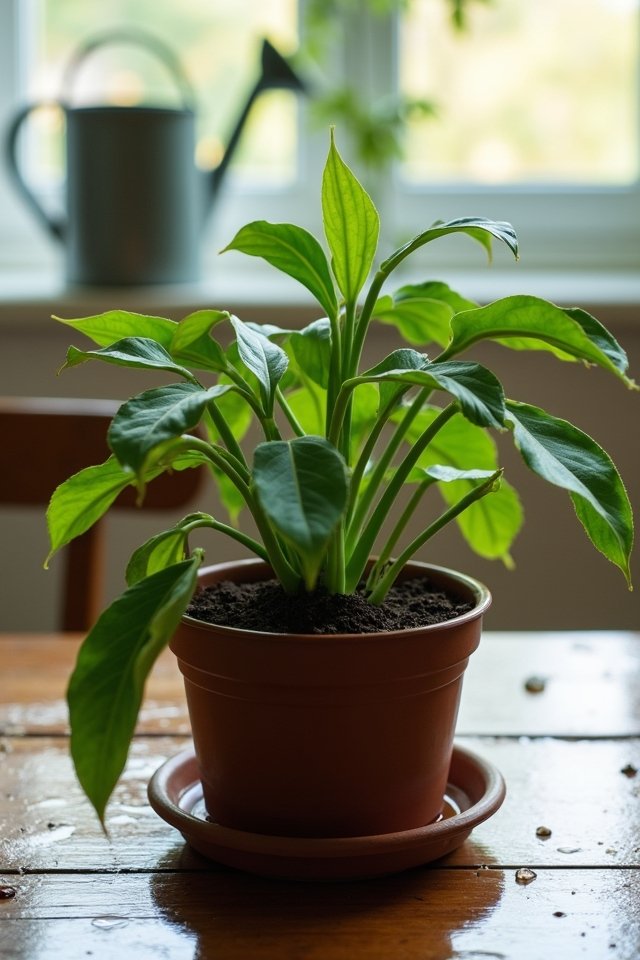
When it comes to indoor gardening, overwatering plants is one of the most common blunders—think of it as a silent assassin lurking in your watering can! Picture your poor plants drowning in soggy soil, their roots gasping for air. Without proper soil drainage, you risk the dreaded root rot, which turns vibrant greenery into mushy messes. To avoid this catastrophe, always check the top inch of soil before watering. If it’s still damp, hold off! Instead, use pots with drainage holes, allowing excess water to escape like a lifeguard saving your plants from a watery grave. Remember, a little neglect can lead to flourishing foliage, while too much love can sink your indoor garden dreams! So, keep it balanced!
Ignoring Proper Lighting
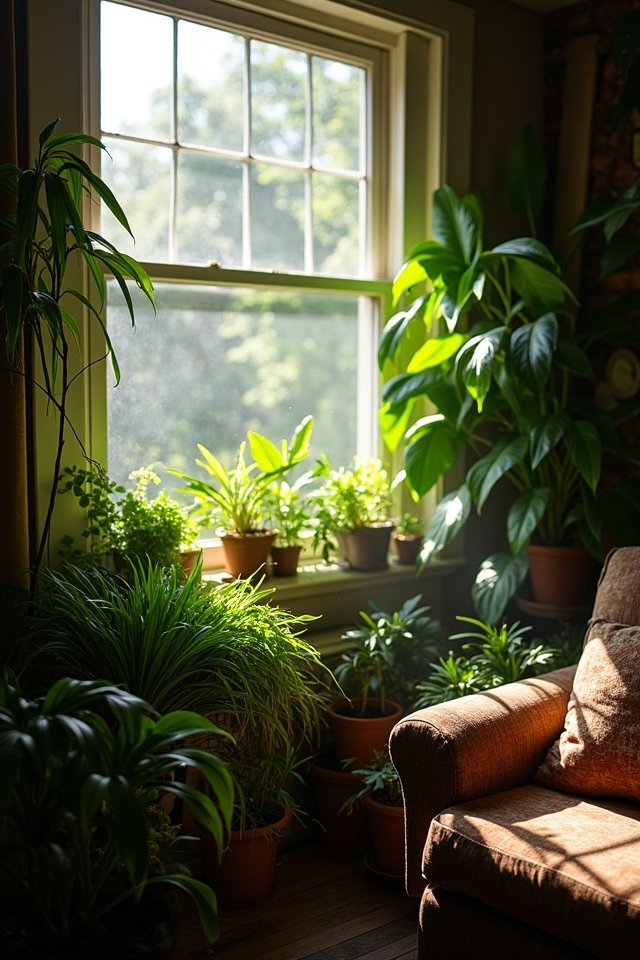
Proper lighting is like the sun’s warm hug for your indoor plants—essential for their survival and happiness! Ignoring light intensity and light duration can lead to droopy leaves or leggy growth. Think of your plants as sunbathers; they need just the right amount of sunshine! Too little light? They’ll stretch out, searching for it. Too much? You’ll notice scorched leaves.
Aim for about 12-16 hours of light each day. Set up bright, indirect light for leafy greens, while succulents thrive in direct sunlight. Consider using grow lights if your space lacks natural light. Your plants will thrive, and you’ll be the proud parent of a lush indoor garden! Who wouldn’t want that vibrant, green joy in their home?
Using Inappropriate Soil

Soil might seem like just dirt, but using the wrong kind can be a recipe for disaster in your indoor garden! You wouldn’t wear shoes that don’t fit, right? The same logic applies to your plants and their soil! Choosing the right soil types is essential for healthy growth and a balanced pH. Here’s what to keep in mind:
- Potting Mix: Lightweight and nutrient-rich, perfect for most houseplants!
- Cactus Soil: For those prickly pals who love good drainage!
- Seed Starting Mix: Ideal for germinating seeds with finesse!
- Orchid Bark: For your exotic beauties that crave air!
- Worm Castings: Nutrient-packed goodness that’ll make your plants sing!
Choosing wisely can transform your indoor garden into a lush paradise!
Neglecting Humidity Levels
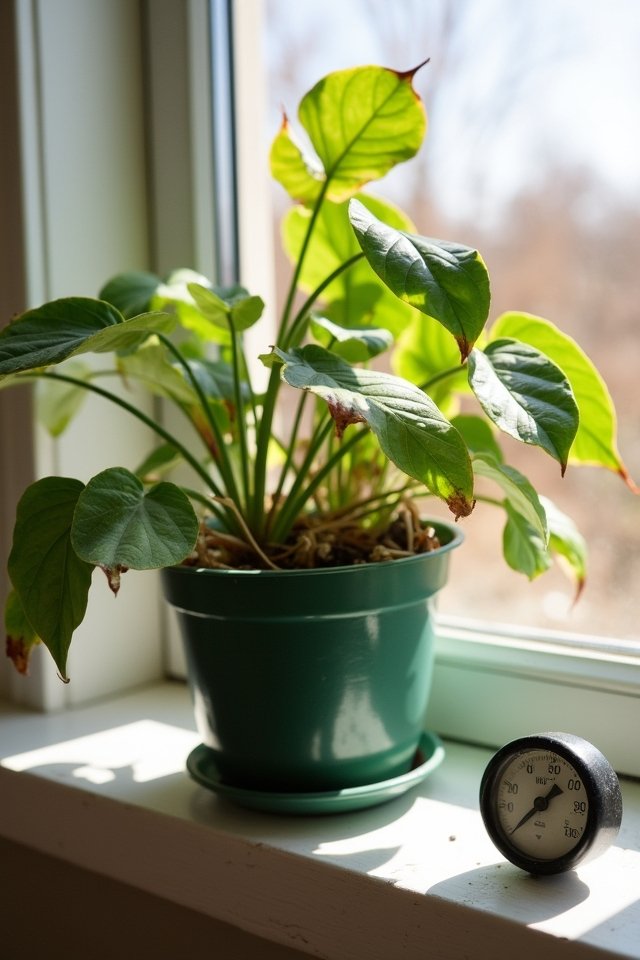
While you might think your indoor plants are just fine without extra care, neglecting humidity levels is like inviting a cactus to a pool party—totally out of place! Plants crave the right humidity, and you need to accept humidity monitoring to keep them thriving. Consider using a simple hygrometer to check levels regularly. Are they too low? Bring in humidity sources like pebble trays filled with water or a stylish humidifier that doubles as decor! Just remember, some plants, like ferns, adore humidity, while others, like succulents, prefer it drier. So, when you give your leafy friends the moisture they need, they’ll reward you with vibrant growth and lush foliage. Don’t leave your plants high and dry—let them flourish!
Failing to Fertilize Correctly

If you think your plants can thrive on love alone, think again! Fertilizing correctly is essential for healthy growth. You’ve got to give your green buddies the right nutrients! Here are some key points to reflect on:
- Fertilizer Types: Choose from liquid, granular, or slow-release options.
- Application Frequency: Most plants need feeding every 4-6 weeks, but it varies!
- Dilution: Over-fertilizing can burn roots; always follow package instructions.
- Seasonal Adjustments: Fertilize more during growing seasons and less in dormancy.
- Watch for Signs: Yellowing leaves might mean it’s time for a nutrient boost!
Being a plant parent means keeping up with their needs. So, don’t let your plants go hungry! They’ll reward you with lush, vibrant growth.
Choosing the Wrong Plants
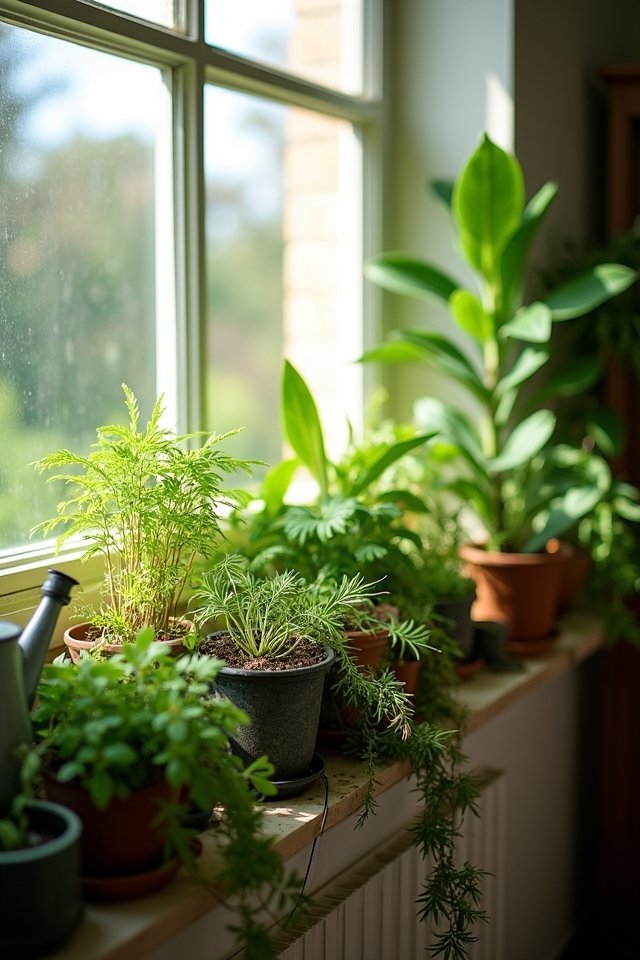
Choosing the right plants can make or break your indoor gardening experience! Imagine your space bursting with vibrant greenery instead of sad, wilting leaves. It’s essential to take into account plant compatibility; not all plants play nicely together! For beginners, opting for beginner-friendly options like pothos or snake plants can set you up for success. These resilient beauties thrive in various conditions, almost like they’re cheering you on!
Avoid the urge to snag that exotic plant that looks stunning but requires constant care. Trust me, your future self will thank you! Instead, focus on easy-going species that fit your lifestyle. Remember, a happy plant means a happy gardener, and who doesn’t want to feel that joy blooming in their home?
Not Pruning or Trimming
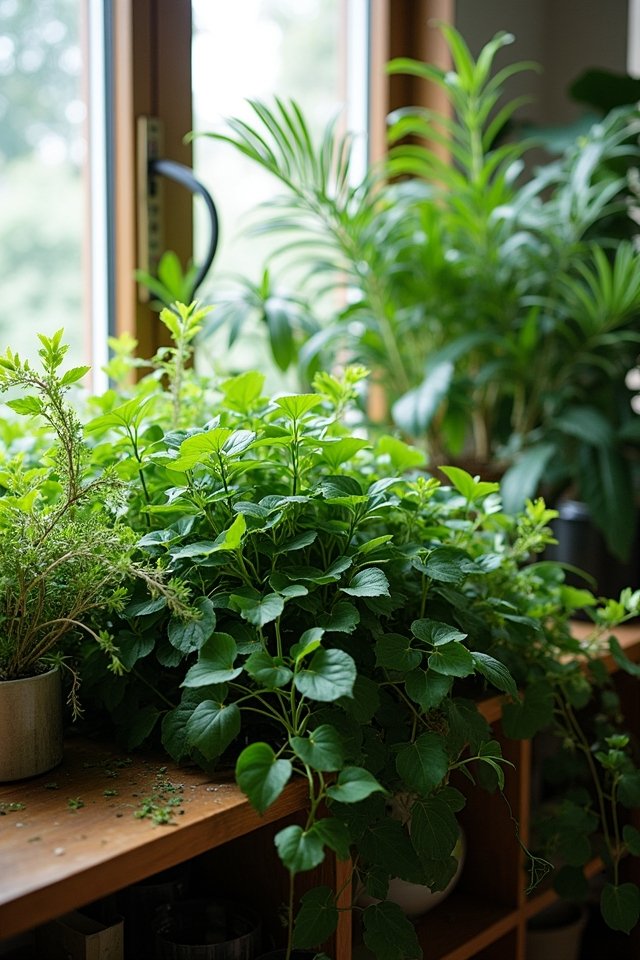
Pruning and trimming your indoor plants isn’t just a chore; it’s like giving them a revitalizing haircut! By regularly using effective pruning techniques, you can enhance your plants’ health and beauty. Not sure where to start? Here are some awesome trimming benefits to take into account:
- Encourages new growth, like a burst of fresh energy!
- Removes dead or diseased leaves, which can prevent future problems.
- Shapes your plant for a more pleasing appearance, making it a stunning focal point.
- Improves air circulation, which keeps your plant happy and healthy.
- Increases light exposure, allowing your plant to soak up more sunshine!
Skipping Pest Control
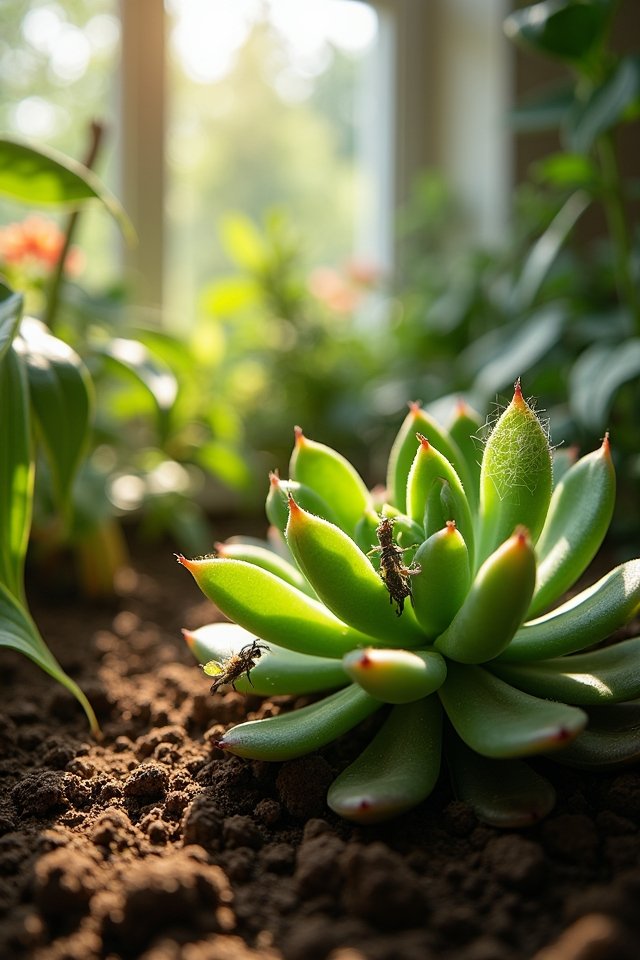
You might not realize it, but skipping pest control is like inviting uninvited guests to your indoor garden party! Those little critters can wreak havoc on your beautiful plants. Start with pest identification; knowing what you’re up against is half the battle! Look for signs like tiny holes, sticky residue, or fuzzy webs. Once you’ve pinpointed the pests, adopt organic solutions like neem oil or insecticidal soap. They’re gentle on your plants but tough on pests! Don’t let aphids or spider mites crash your garden soirée. Regularly check your plants, and don’t hesitate to act. With a bit of vigilance and the right tools, your indoor oasis can thrive, free from those pesky party crashers! So, gear up and get pest-savvy!
Overcrowding Pots
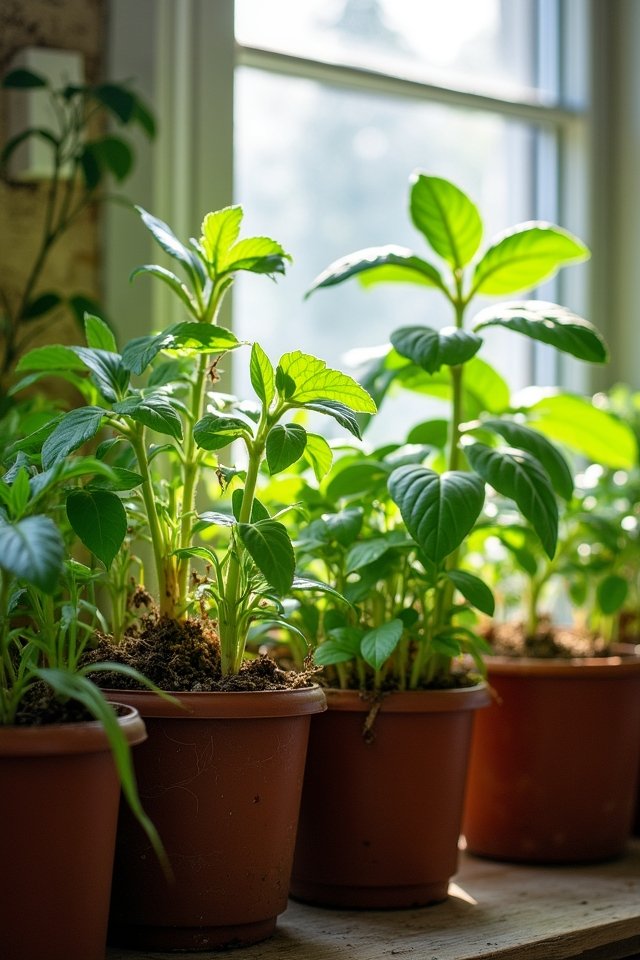
When it comes to indoor gardening, you might think that cramming multiple plants into one pot is a brilliant space-saving trick, but it’s more like throwing a wild party in a phone booth! Your plants need their personal space to thrive, so let’s talk about pot size and plant spacing.
Here’s what happens when you overcrowd pots:
- Stunted growth due to competition for nutrients
- Increased risk of root rot from poor drainage
- Higher susceptibility to pests and diseases
- Difficulty in watering—some plants may drown, while others dry out
- A chaotic jungle look instead of a harmonious garden!
Forgetting to Rotate Plants
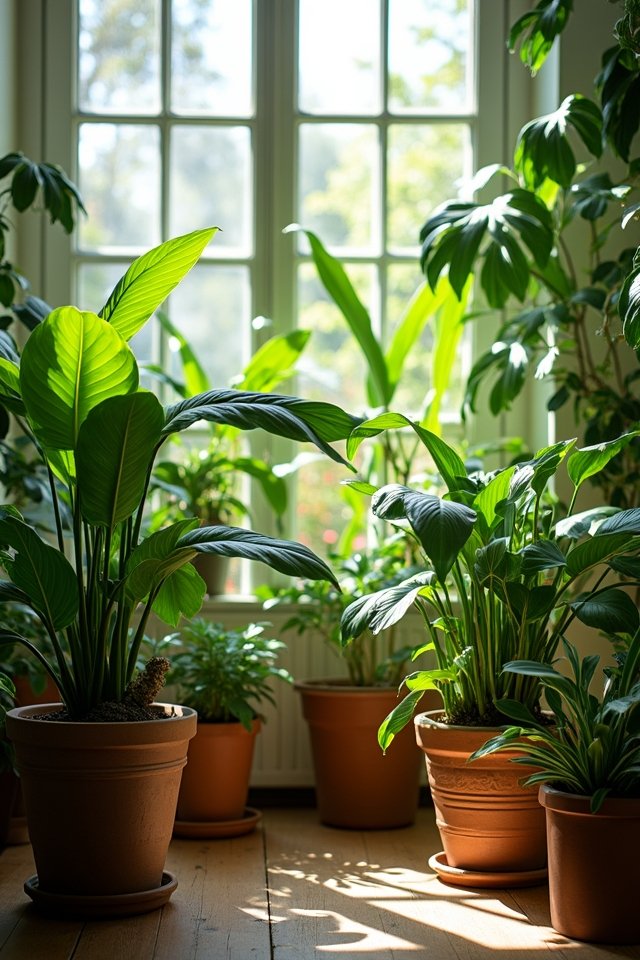
While it might seem like a minor detail, forgetting to rotate your plants can turn your indoor garden into a lopsided mess! Imagine your once-vibrant greenery leaning awkwardly, desperately seeking sunlight like a sunbather on a beach! Proper plant orientation is essential for balanced growth patterns. By rotating your plants every couple of weeks, you encourage even light exposure, ensuring all those leafy friends grow lush and full. Picture your plants, standing tall and proud, rather than resembling a group of shy introverts! So, don’t let your plants become one-sided! Welcome the art of rotation, and watch your garden flourish like a masterpiece in progress! Trust me; your green companions will thank you with their vibrant beauty!
Frequently Asked Questions
How Can I Tell if My Plant Is Overwatered?
You’ll know your plant is overwatered when its leaves turn yellow and droop like a sad puppy! Check the soil moisture—if it feels constantly soggy, you’ve got a problem. Root rot creeps in silently, turning your plant’s roots into mushy messes. If you see mold on the soil surface, that’s a red flag! Remember, it’s better to let your plant dry out a bit than to drown it in a puddle of love!
What Are the Signs of Insufficient Light for Indoor Plants?
Envision this: your plant’s droopy leaves whisper, “I’m not getting enough light!” You’ll spot light indicators like stretched stems reaching out like desperate arms. The vibrant greens fade to a dull, sad hue, and growth stalls—like a car stuck in neutral! If your plant’s looking more like a shadow than a beauty, it’s time to rethink its light source. Maybe that cozy corner isn’t so cozy after all! Let’s brighten things up!
Can I Use Regular Garden Soil for Indoor Plants?
You might be tempted to grab that regular garden soil, but hold on! It’s often too heavy and can suffocate your indoor plants. Instead, try a potting mix that breathes like a fresh breeze. Good soil drainage is key, allowing roots to dance without drowning. Picture your plants thriving, not wilting! So, next time you pot those beauties, think light and fluffy. They’ll thank you with vibrant leaves and maybe even a little extra bloom!
How Do I Increase Humidity for My Indoor Plants?
Imagine your indoor plants relaxing in a cozy spa! To boost humidity, you can create humidity trays by filling shallow dishes with water and pebbles, placing your pots on top. Not only does this provide moisture, but it also looks chic! Misting plants is another fun option—just a few spritzes can make them feel like they’re basking in a tropical rainforest! So go ahead, pamper those green beauties! They’ll thrive with your efforts!
What Type of Fertilizer Is Best for Houseplants?
When it comes to fertilizing your houseplants, you’ve got options! Organic fertilizers, like worm castings or compost, nourish your plants while being gentle on the environment. On the flip side, synthetic fertilizers give a quick nutrient boost but can overwhelm delicate roots. Slow-release fertilizers are a fantastic compromise! They release nutrients gradually, almost like a surprise party for your plants! So, which will you choose to pamper your leafy friends?