Ready to transform your backyard into a lush paradise? Organic gardening at home is like painting with nature’s colors! Start by picking a sunny spot for at least six hours of light. Then, choose exciting seeds—how about vibrant purple carrots? Test your soil, mix in compost, and guarantee it’s as rich as your grandma’s secret cookie recipe! Water wisely to keep those plants happy. Interested in more ways to grow a thriving garden? There’s plenty more to discover!
Understanding Organic Gardening Principles
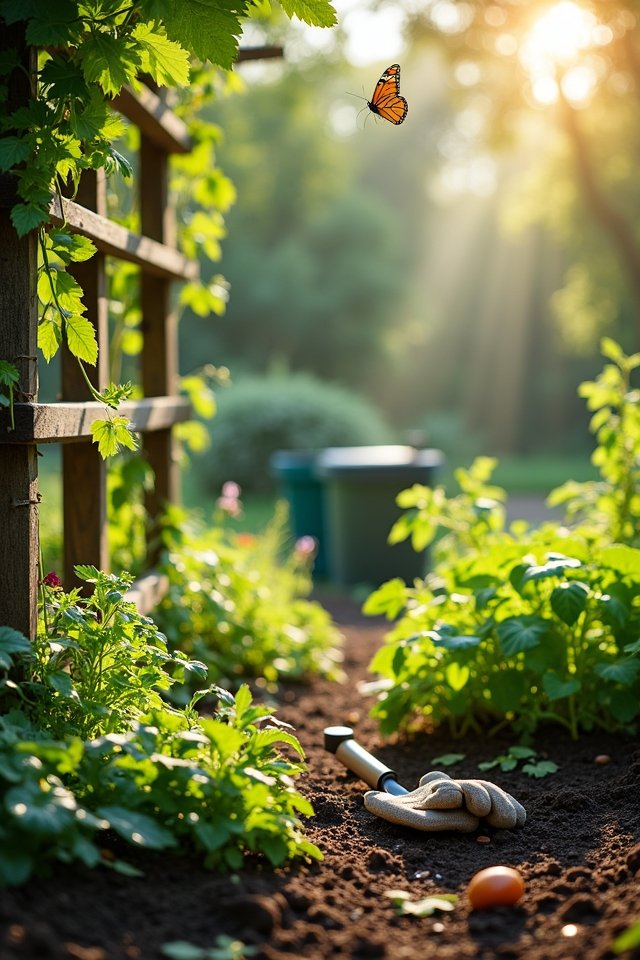
When you immerse yourself in organic gardening, you’re not just planting seeds; you’re cultivating a lifestyle! Embracing crop rotation is like giving your soil a rejuvenating spa day. By alternating your crops, you prevent pests and diseases from crashing your garden party. Companion planting, on the other hand, is like assembling a dream team of plants. Imagine tomatoes and basil as best buds, boosting each other’s growth and flavor! You’ll create a vibrant ecosystem that thrives on cooperation. Plus, who wouldn’t want a garden that’s both beautiful and bountiful? So, roll up your sleeves, get your hands dirty, and let nature work its magic! Your garden isn’t just a patch of earth; it’s a canvas waiting for your masterpiece!
Choosing the Right Location for Your Garden
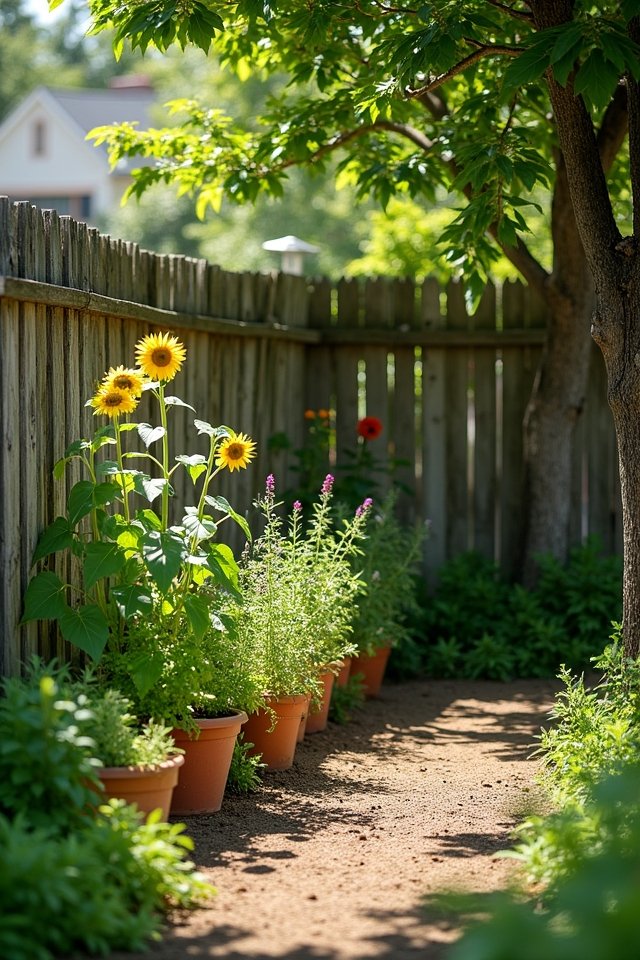
Finding the perfect spot for your garden is like searching for the ideal stage for a performance—every plant deserves its moment in the spotlight! Look for a location that offers at least six hours of sunlight exposure daily, as plants thrive on that golden energy. Imagine your tomatoes basking in the sun, growing plump and juicy! But don’t forget about wind protection; a gentle breeze can be invigorating, but strong gusts can wreak havoc. Consider placing your garden near a fence or a row of shrubs for a cozy shield. You want your plants to feel secure, just like actors backstage before their big debut! So, scout out that sweet spot and let your garden shine!
Selecting Suitable Organic Seeds and Plants
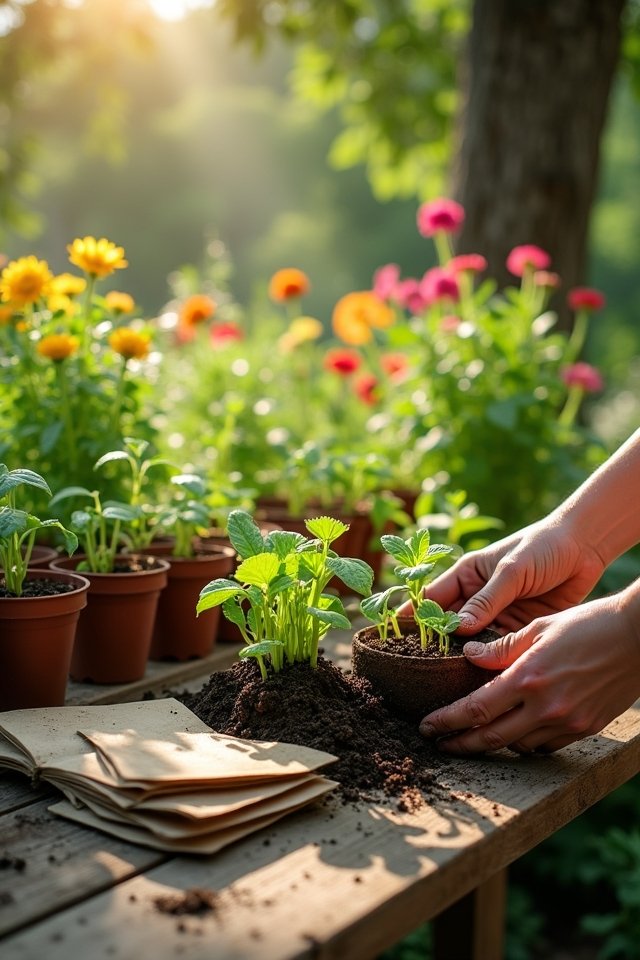
Have you ever considered how the right seeds can transform your garden into a vibrant masterpiece? Choosing the perfect seed varieties is like selecting paintbrushes for a canvas; each one adds a unique stroke! Heirloom plants, for example, offer rich flavors and history, creating a garden that tells a story. Imagine biting into a juicy, homegrown tomato—it’s like a burst of sunshine! Look for organic seed catalogs, packed with options that tickle your creativity. Don’t shy away from unusual varieties; think purple carrots or striped eggplants! Mixing colors and textures can make your garden a feast for the eyes. So, immerse yourself in this world of organic seeds, and let your garden flourish with innovation and charm! Happy planting!
Preparing Your Soil for Planting
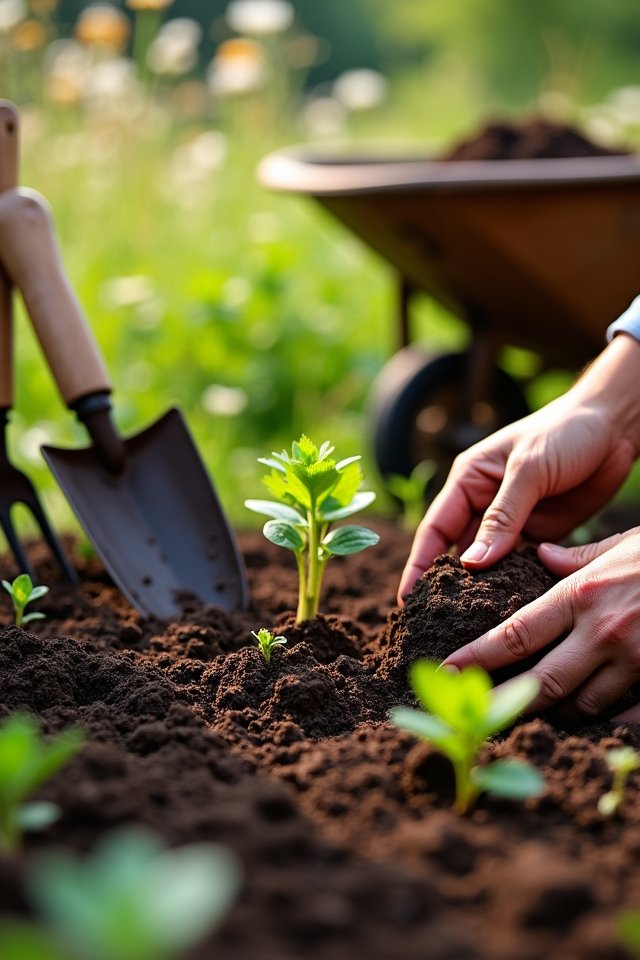
Before you plunge into planting those beautiful seeds, let’s talk about the magic happening beneath the surface—your soil! Think of it as the cozy blanket that’ll nurture your plants. Start with soil testing; it’s like a health check-up for your garden! Grab a kit from your local garden center to analyze pH levels and nutrient balance. Based on the results, you might need to add amendments like compost or organic fertilizers—think of them as superfoods for soil! Mixing in organic matter enhances texture and drainage, creating a welcoming environment for roots. Remember, happy soil means happy plants! So, let’s roll up those sleeves and prepare your earthy canvas for a flourishing garden adventure! Ready? Let’s dig in!
Effective Watering Techniques for Organic Gardens
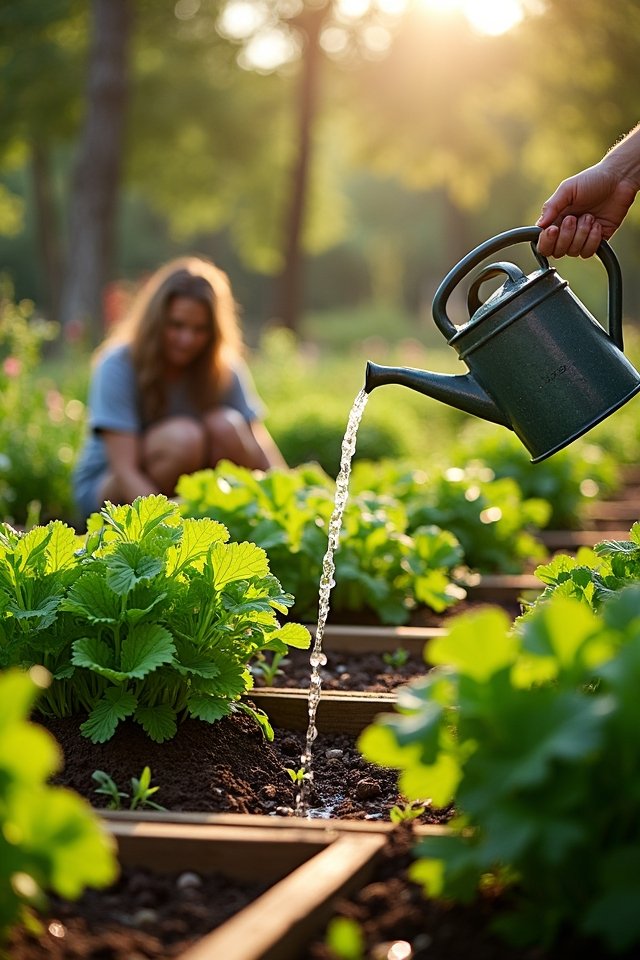
Watering your organic garden can feel like a delicate dance, where timing and technique make all the difference! You want your plants to thrive, right? Consider using drip irrigation—it’s like a gentle hug for your plants! This method delivers water directly to the roots, promoting efficient moisture retention and cutting down on waste. Imagine how happy your veggies will be, soaking in just the right amount of water, without drowning! Water early in the morning or late in the afternoon, when the sun’s less intense. This way, you minimize evaporation and guarantee your plants drink deeply. And hey, don’t forget to check the soil moisture! It’s the garden’s way of telling you, “I need a sip!” Cheers to lush, thriving plants!
Natural Pest Control Methods
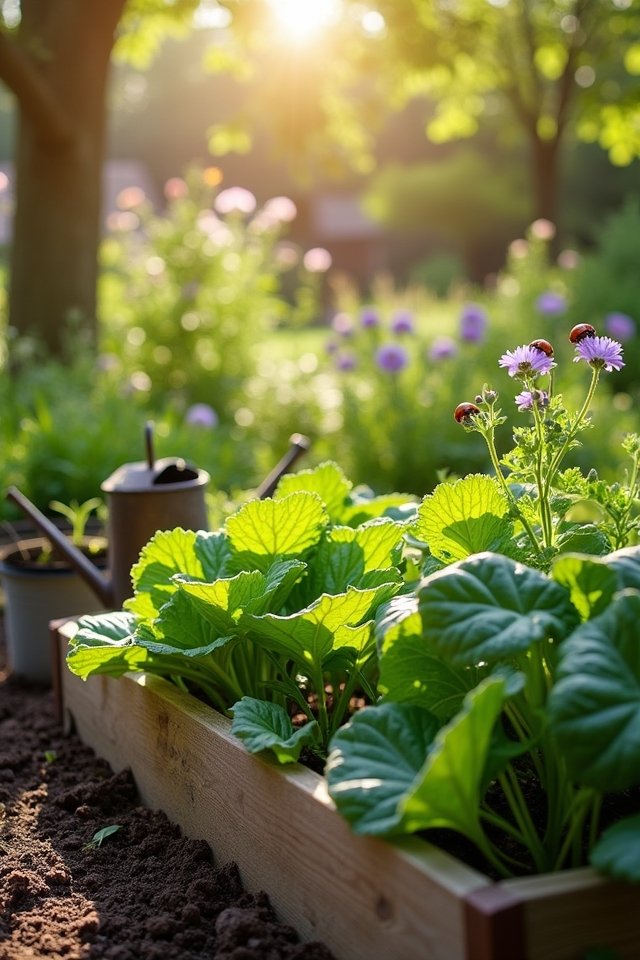
While pests may seem like an unwelcome party crashing your organic garden, you’ve got plenty of natural ways to send them packing! Start by inviting beneficial insects like ladybugs and lacewings—nature’s tiny superheroes that munch on aphids and other pesky critters. How cool is that? Plus, consider companion planting! Pair marigolds with your veggies to repel unwanted guests while attracting those helpful bugs. Think of it as a garden dance, where each plant has a role! You can also whip up garlic spray or chili pepper concoctions to deter larger threats. Adopt these innovative techniques, and you’ll transform your garden into a pest-free paradise. Ready to kick those pests to the curb? Let’s get growing!
Composting for Soil Enrichment
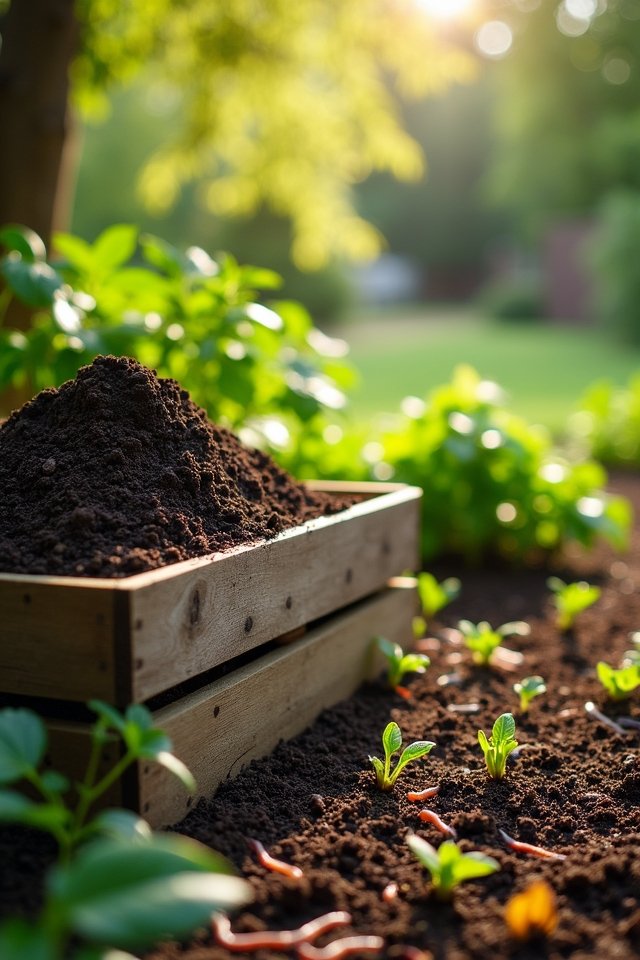
If you want to supercharge your garden, composting is the secret ingredient you need! Imagine turning kitchen scraps into black gold, enriching your soil like a wizard casting a spell! There are various composting methods, from simple bins to tumbler systems. Each one offers unique composting benefits, like improving soil structure and boosting nutrient levels. Toss in veggie peels, coffee grounds, and yard waste, and watch nature work its magic! You’ll create a thriving ecosystem that’ll make your plants dance with joy. Plus, it’s eco-friendly—who wouldn’t want to save the planet one banana peel at a time? So, roll up your sleeves, and let’s explore composting. Your garden will thank you with bountiful harvests and vibrant blooms!
Harvesting and Storing Your Produce
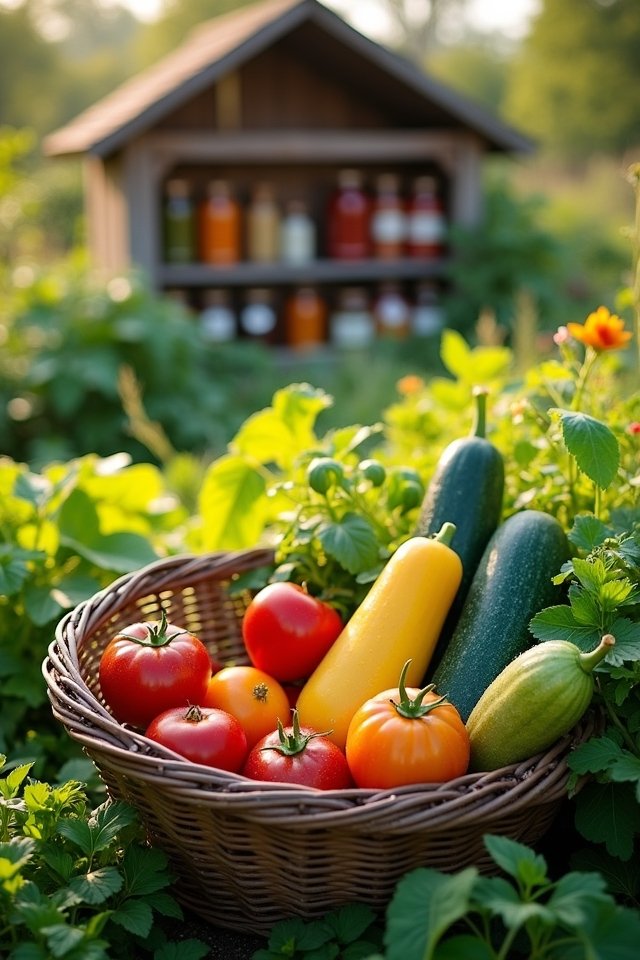
After you’ve enriched your soil with that magical compost, it’s time to reap the rewards! Harvesting your produce can be a thrilling adventure. Use clever harvesting techniques like twisting tomatoes gently or snipping herbs with scissors. You’ll feel like a garden ninja! Once you’ve gathered your bounty, focus on produce storage. Store leafy greens in a breathable bag in the fridge to keep them crisp, or hang garlic to dry in a cool, dark spot. Imagine the savory aroma wafting through your kitchen! Don’t forget to label jars for those canned goodies—nothing’s worse than mistaking salsa for apple pie filling! With a little care, your delicious harvest will last longer, keeping your kitchen vibrant and your meals exciting!
Frequently Asked Questions
Can I Use Regular Garden Tools for Organic Gardening?
Absolutely, you can use regular garden tools for organic gardening! Whether it’s a trusty trowel or a sturdy hoe, these garden tool types fit right in. Just make sure to clean them well; you don’t want any pesky chemicals crashing your organic party! Adopt innovative organic gardening techniques, like composting and mulching, to enrich your soil and grow vibrant veggies. It’s like giving your plants a delicious buffet. Happy digging!
How Do I Start an Organic Garden on a Balcony?
Starting an organic garden on your balcony is like crafting a mini paradise in the sky! First, nail down your balcony setup—think about sunlight and wind. For container selection, choose pots that drain well; herbs love a cozy nook! Try colorful planters filled with basil, tomatoes, or even strawberries. Imagine plucking fresh produce while sipping coffee! It’s a delightful way to connect with nature, even in the smallest spaces. Ready to dig in?
Are Organic Fertilizers More Expensive Than Synthetic Ones?
You might find organic fertilizers a tad pricier than synthetic ones, but think of it as an investment in your soil’s health! While synthetic fertilizers give quick boosts, organic options feed your plants and improve soil over time—like nurturing a friendship! For instance, a bag of compost might cost more, but it enriches your garden with nutrients, making it flourish. Isn’t that worth it? Welcome the innovation of organic gardening, and your plants will thank you!
How Can I Attract Beneficial Insects to My Garden?
Did you know that inviting beneficial insects is like throwing a garden party? You can attract these little helpers by using companion planting—pairing plants that naturally support each other. For instance, marigolds and tomatoes are a match made in heaven! Also, consider building insect hotels, cozy little retreats where ladybugs and lacewings can hang out. With these fun strategies, your garden won’t just grow; it’ll thrive with buzzing activity and colorful life!
Is Organic Gardening Suitable for All Climates?
Absolutely, organic gardening can thrive in various climates! You just need to contemplate your local climate and seasonal planting. For instance, in warmer zones, think about heat-loving veggies like tomatoes and peppers, while cooler areas might favor leafy greens and root veggies. It’s like dressing your garden in the right seasonal attire! Don’t let your climate discourage you; adapt, innovate, and watch your garden flourish with vibrant life! How exciting is that?