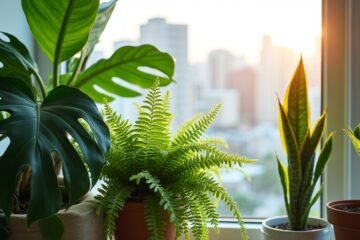
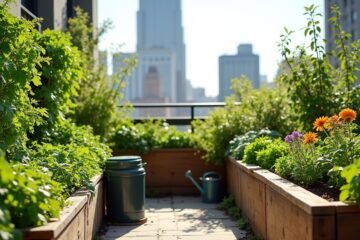
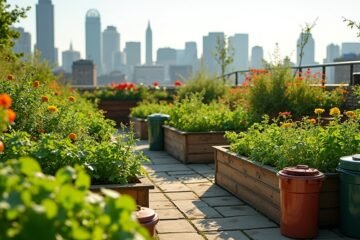
Year-round organic gardening is like a delicious adventure! Start by knowing your climate zone for perfect crop choices. In spring, plant vibrant radishes and sweet peas to kick off your garden. For summer, nurture juicy tomatoes with mulch to keep them happy and hydrated. Fall’s all about harvesting and preserving zesty flavors, while winter lets you welcome kale and spinach under cozy covers. Excited to dig deeper into sustainable practices and seasonal selections? Keep exploring!
Understanding Your Climate Zone
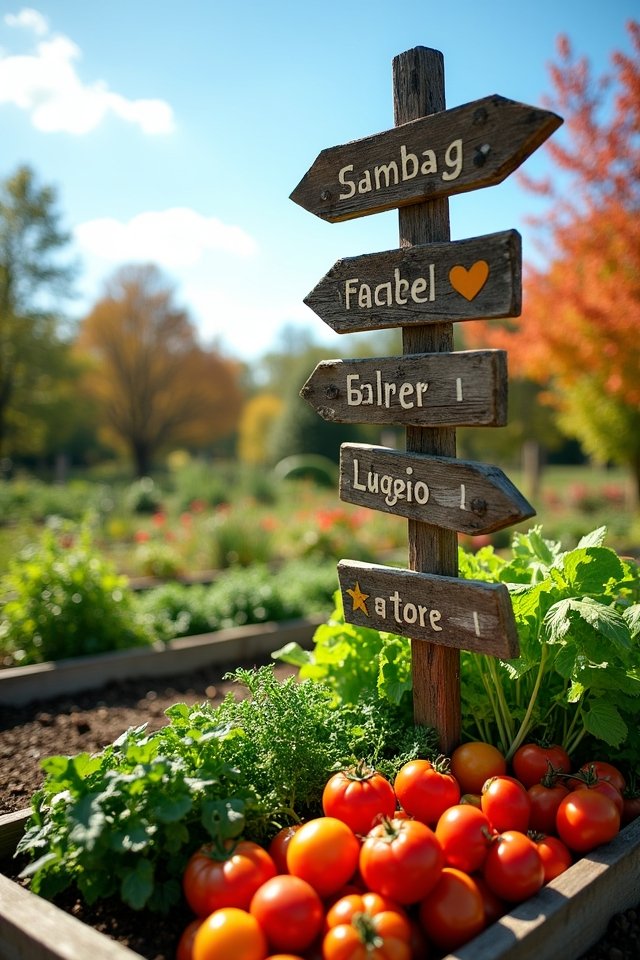
Understanding your climate zone is like having a secret map to gardening success! You’re maneuvering through climate variations, discovering what thrives right in your backyard. Zone mapping isn’t just a fancy term; it’s your golden ticket to planting innovation! Imagine this: you’re in a Zone 7, where tomatoes bask in the sun, while delicate flowers dance in the gentle breeze. Isn’t that exciting? Knowing your zone helps you pick the right seeds, ensuring they don’t wither away in frost or drown in summer heat. It’s like being a plant whisperer! So, grab that map, accept the quirks of your garden’s climate, and watch your green thumb flourish. Ready to dig in? Let’s make your garden the talk of the town!
Spring Planting Strategies
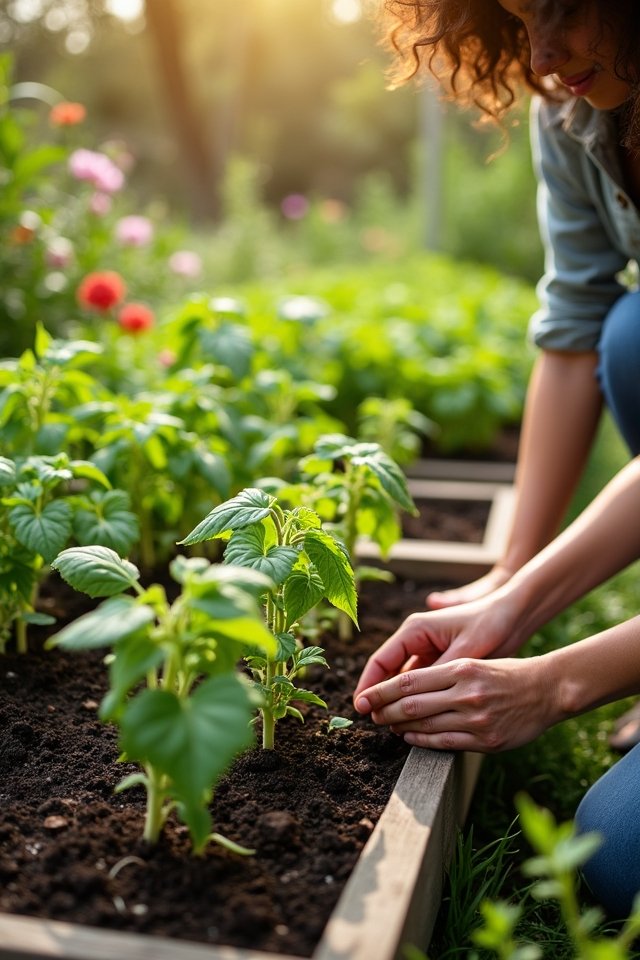
As you shake off the winter chill and step into spring, it’s time to release your gardening spirit! Spring is the perfect season for vibrant growth, and your garden deserves it. Here are three innovative strategies to kickstart your planting journey:
- Seed Selection: Choose organic seeds that thrive in your climate. Think of them as your garden’s future superheroes, ready to blossom!
- Planting Schedules: Time is essential! Use a calendar to plan when to sow seeds indoors and outdoors, ensuring they get the best start possible.
- Companion Planting: Pair plants that benefit each other. For example, tomatoes and basil are like best buddies, boosting each other’s growth!
Let those seedlings dance in the sun, and watch your garden transform into a spring wonderland!
Summer Maintenance Techniques

While summer might bring sizzling temperatures and the occasional sunburn, it also offers the perfect opportunity to nurture your garden’s growth! Immerse yourself in mulching benefits—think of it as a cozy blanket for your plants, keeping moisture in and weeds at bay. A thick layer of organic mulch can transform your garden into a thriving oasis! Don’t forget about pruning techniques, either! Snip away those dead or crowded branches; it’s like giving your plants a fresh haircut! This encourages better airflow and sunlight penetration, allowing your garden to flourish. Remember, a little summer TLC goes a long way. So grab those pruners and mulch bags; your plants will thank you with vibrant blooms and delicious produce! Ready to get started?
Fall Harvesting and Preservation
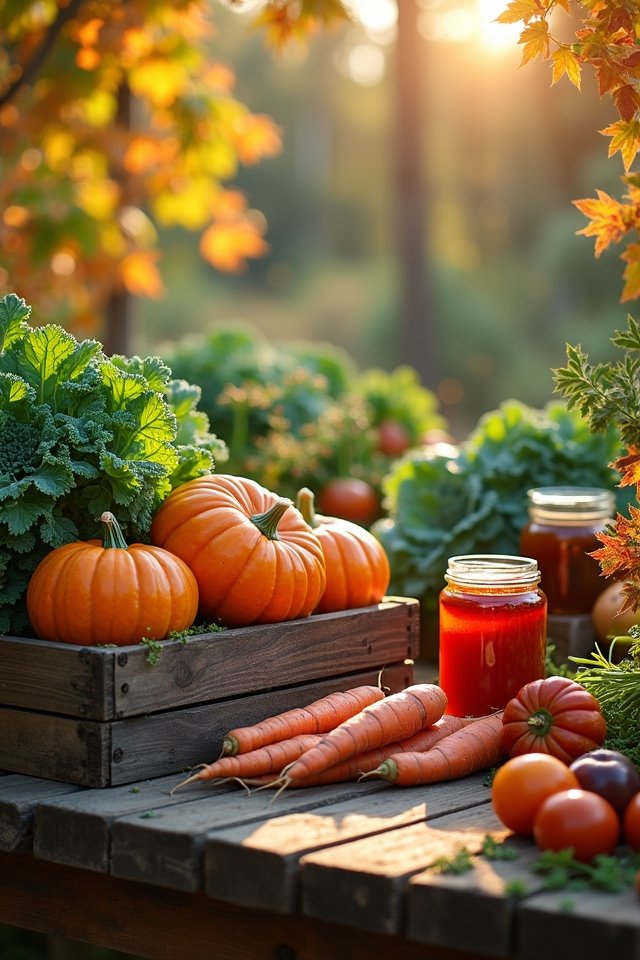
After all that summer TLC, it’s time to reap the rewards of your hard work! Fall flavors are bursting with delicious potential, so let’s plunge into harvesting and preservation methods that keep your garden’s bounty alive through winter.
Here are three innovative ways to preserve your harvest:
- Pickling: Create zesty pickled veggies that add a tangy crunch to winter meals.
- Freezing: Flash freeze your fruits and veggies to lock in freshness, making them taste like summer in January!
- Dehydrating: Transform herbs and fruits into concentrated flavors, perfect for soups or snacks.
With these techniques, your fall treasures will shine bright, making winter meals cozy and vibrant. Who knew preserving could be this exciting? Happy harvesting!
Winter Gardening Essentials
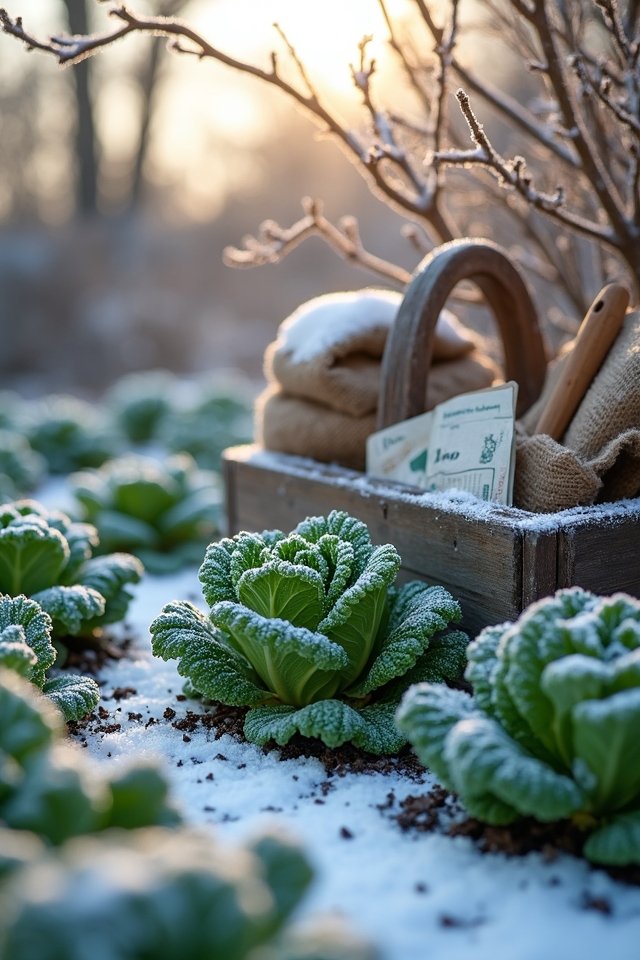
Winter may seem like a quiet time for your garden, but don’t let the chill fool you—there’s plenty of life waiting to bloom! You can grow vibrant winter crops like kale, spinach, and carrots that thrive in the cold. Just imagine stepping outside to pluck fresh greens, even when the world’s frosted over!
To protect these little beauties from frost, consider using row covers or cold frames—think of them as cozy winter jackets for your plants! These innovative tools trap warmth and shield your crops from harsh winds. Plus, they make your garden look like a winter wonderland! With a little creativity and preparation, you can welcome winter gardening like a pro. So, why not give it a go? Your palate will thank you!
Crop Rotation for Soil Health
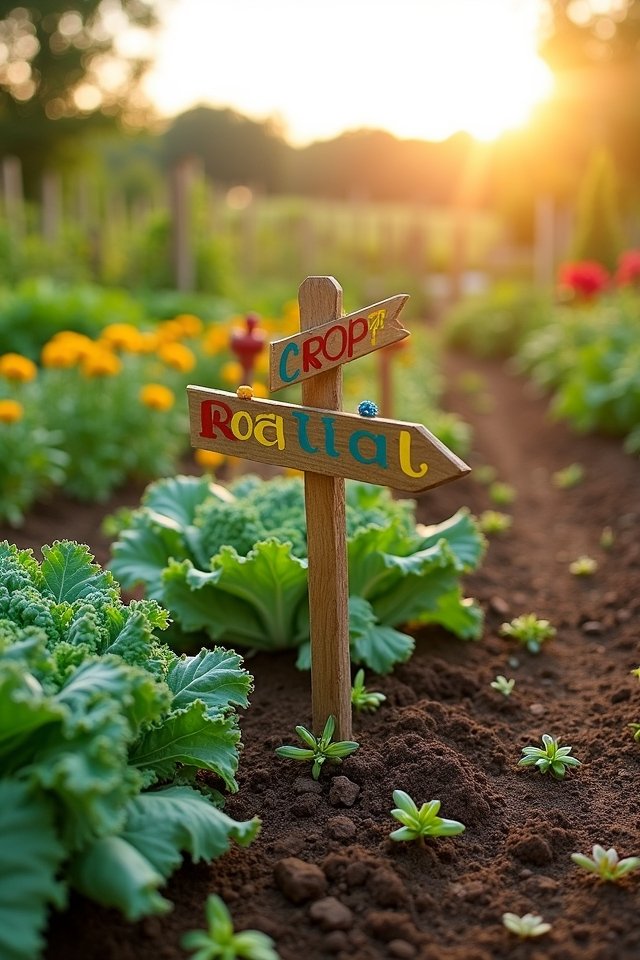
Gardening isn’t just about what you grow; it’s also about how you grow it! One innovative technique you can adopt is crop rotation. This practice not only enhances crop diversity but also boosts your soil health by nurturing friendly soil microbes. Ready to plunge in? Here are three key benefits of crop rotation:
- Nutrient Balance: Different plants take various nutrients from the soil. Rotating crops helps maintain a balanced nutrient profile.
- Pest Control: Changing your crops disrupts pest life cycles, reducing infestations!
- Soil Structure: Diverse root systems improve soil aeration and water retention, making your garden a thriving paradise.
Companion Planting Benefits
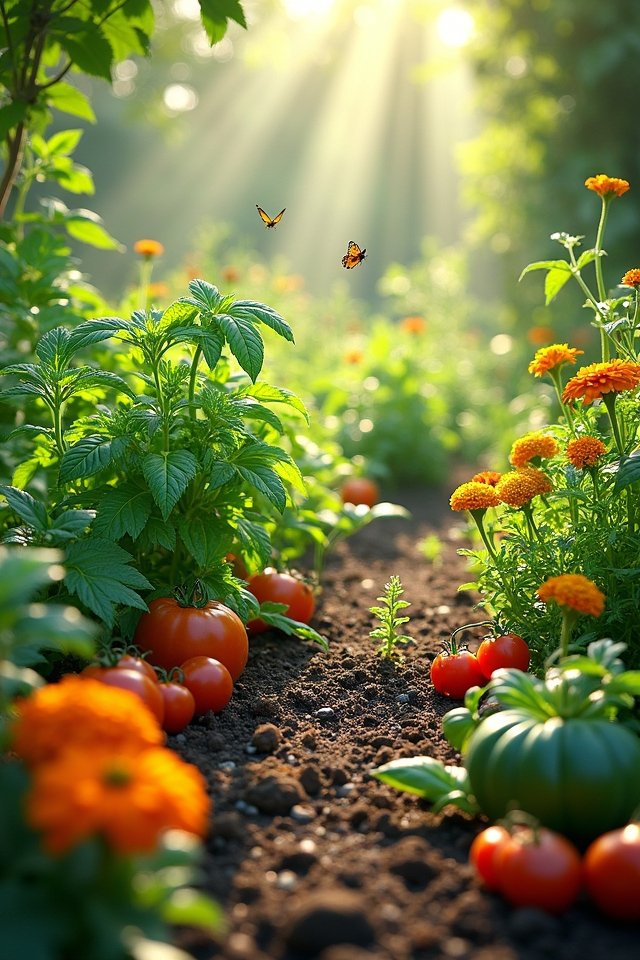
When you pair the right plants together, you’re not just playing matchmaker in your garden—you’re creating a thriving ecosystem! Imagine luscious tomatoes nestled next to fragrant basil; this dynamic duo not only enhances flavor but also boosts growth. Such plant pairings foster garden synergy, attracting beneficial insects and deterring pests. Ever tried planting marigolds alongside your veggies? They’re like tiny bodyguards, protecting your plants with their natural repellents! You’ll find that certain combinations can even improve soil health, making your garden more resilient. So, why not experiment? Mix and match, and watch your garden transform into a vibrant, flourishing paradise! Remember, every plant has a story; let them tell it together! Happy planting!
Organic Pest Control Methods
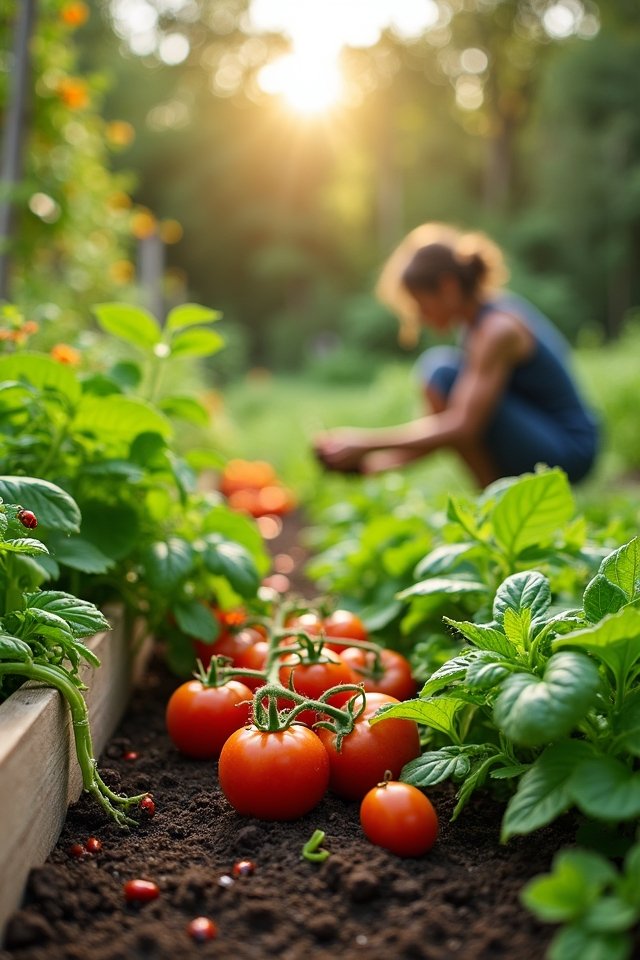
Bugs can be a real headache for organic gardeners, can’t they? You want to keep your garden thriving without harsh chemicals. Luckily, there are innovative organic pest control methods that work wonders!
Here are three effective strategies:
- Natural Predators: Invite beneficial insects like ladybugs and lacewings to feast on pesky aphids. It’s like hosting a garden party for your plants!
- Homemade Repellents: Whip up your own garlic spray or insecticidal soap using simple ingredients. They’re surprisingly potent!
- Diversity is Key: Practice crop diversity and companion planting. This not only attracts good bugs but also confuses pests.
With neem oil and diatomaceous earth in your toolkit, you’ll be ready to tackle those garden invaders like a pro!
Soil Enrichment Practices
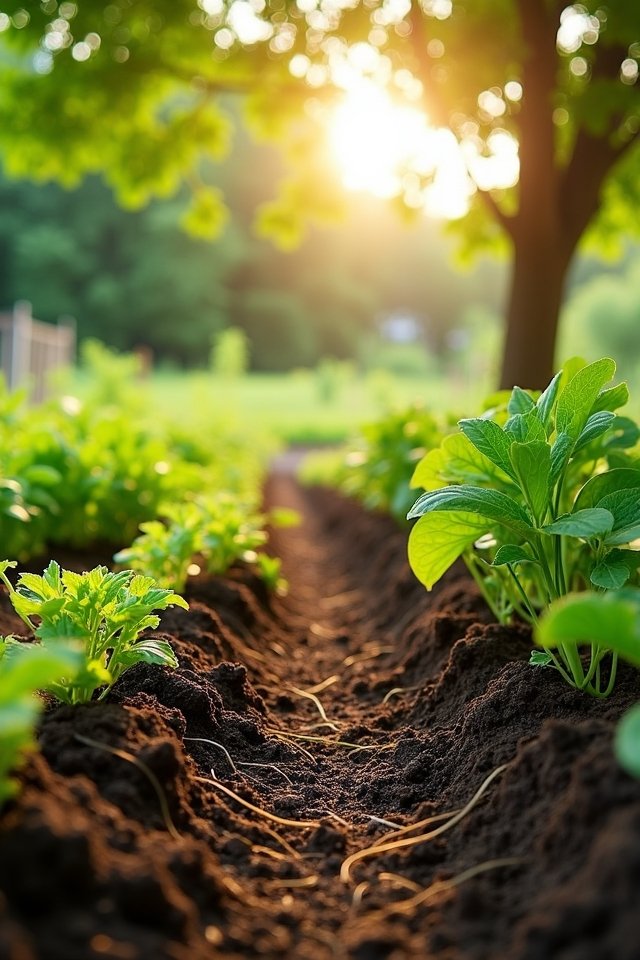
Just like a chef needs fresh ingredients to whip up a delicious meal, your plants crave nutrient-rich soil to thrive! Start with soil testing; it’s like diagnosing your garden’s health. You wouldn’t bake without checking your oven, right? By knowing what nutrients your soil lacks, you can create a balanced environment.
Next, let’s talk compost application! Think of compost as a magical potion for your plants—rich in organic matter and full of life! Spread it generously, and watch your soil transform into a nutrient powerhouse. You’ll be amazed at how your veggies flourish and your flowers bloom. Isn’t it thrilling to know that with just a little effort, you can create the perfect playground for your plants? Get digging!
Sustainable Watering Techniques

While your plants are reaching for the sky, they’re also whispering for a drink! To keep them thriving, consider these sustainable watering techniques that’ll make your garden both eco-friendly and efficient:
- Drip irrigation – Think of it as a spa day for your plants! This method delivers water directly to the roots, minimizing waste and ensuring deep hydration.
- Rainwater harvesting – Capture nature’s free gift! Set up barrels to collect rainwater; it’s a smart way to nurture your garden while saving on your water bill.
- Mulching – Like a cozy blanket for your soil, mulching helps retain moisture and reduces evaporation.
Embrace these techniques, and watch your garden flourish! Who knew watering could be so innovative and fun? 🌱
Seasonal Crop Selection Guide
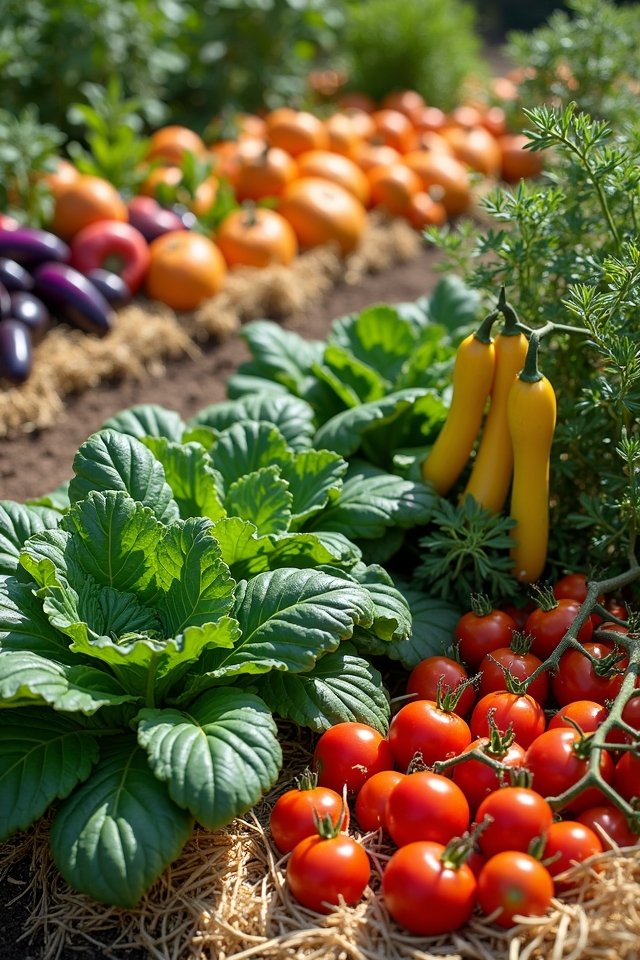
Choosing the right crops for your garden can feel like picking a favorite child—it’s tough, but oh-so-rewarding! Immerse yourself in seasonal varieties that thrive in your region, and you’ll reveal a treasure chest of flavors. For spring, think vibrant radishes and sweet peas; they’ll pop up quickly and bring joy! As summer rolls in, welcome juicy tomatoes and crunchy cucumbers; nothing beats that garden-fresh taste! Don’t forget autumn’s bounty—root veggies like carrots and beets are perfect for hearty meals. Timing is everything! Planting at the right moment guarantees a lush harvest. So, why not experiment? Mix and match your crops, and let your garden be a canvas of innovation and deliciousness! Happy planting!
Frequently Asked Questions
What Tools Are Essential for Organic Gardening Year-Round?
You might think organic gardening needs a ton of fancy tools, but that’s not true! Start with a solid spade for digging and mixing soil amendments. A hand trowel’s perfect for planting seeds or seedlings, and trusty pruners keep your garden neat. Don’t forget a compost bin for enriching nutrients! With these essentials, you’ll breeze through garden maintenance and create a lush paradise that even the bees will envy! Ready, set, dig!
How Can I Attract Beneficial Insects to My Garden?
Attracting beneficial insects to your garden is easier than you think! Start by planting vibrant pollinator plants like lavender and sunflowers, which are like candy for bees and butterflies. Create insect habitats using simple features like a small pile of rocks or a bug hotel—think of it as a fancy apartment for your garden buddies! Keep your garden diverse and colorful, and soon you’ll have a buzzing ecosystem right outside your door! Isn’t that exciting?
What Are the Best Organic Fertilizers for Different Plants?
When it comes to nourishing your plants, think of compost tea and seaweed extract as their gourmet meals! Compost tea gives your garden a rich, earthy boost, while seaweed extract offers a salty kiss of nutrients. For leafy greens, mix in compost tea; it’ll have them growing like Jack’s beanstalk! On the other hand, seaweed extract is perfect for flowering plants, enhancing blooms. Who wouldn’t want a garden that’s bursting with energy? Let’s get growing!
How Do I Deal With Garden Pests Naturally?
You’ve got pests? Don’t fret! Try natural repellents like garlic spray or neem oil—they’re your garden’s secret superheroes! Companion planting works wonders too; think marigolds and tomatoes, creating a fortress against unwanted critters. Imagine your garden as a lively party, with plants teaming up to fend off intruders. Who knew teamwork could be so delicious? So, roll up your sleeves, and let those natural strategies shine—your plants will thank you!
Can I Garden in Containers Year-Round?
You can definitely garden in containers year-round! It’s like having your cake and eating it too! With container gardening, you can grow seasonal crops like juicy tomatoes in summer and hearty greens in winter. Just imagine plucking fresh herbs from your balcony while sipping coffee! Use lightweight pots for easy movement and guarantee proper drainage. Plus, who wouldn’t love a burst of color right outside their door? It’s a win-win situation!