Year-round organic gardening is like a delightful dance with nature! Start by knowing your climate zone—understanding it lets you pick the perfect plants. In winter, use cold frames to protect leafy greens like kale and spinach. Come spring, prep your rich, compost-filled soil and choose vibrant seeds that thrive. Keep pests at bay with friendly bugs and organic sprays. Each season brings unique treasures to harvest! Curious how to cultivate this rhythm? You’ll find even more juicy tips ahead!
Understanding Your Climate Zone
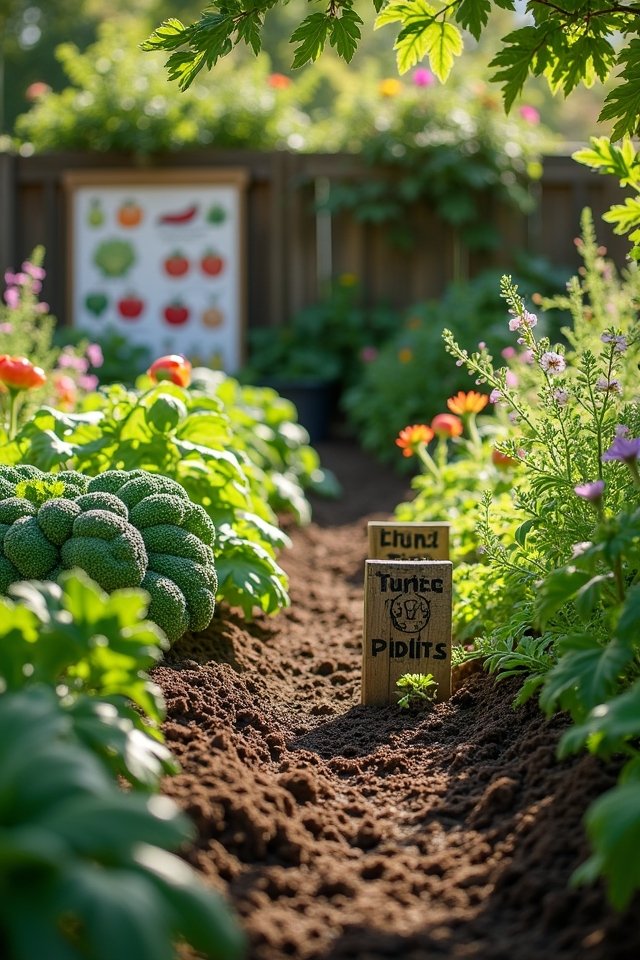
Have you ever wondered why some plants thrive in your garden while others seem to wither away? Understanding your climate zone is key! Each region has a unique climate classification that shapes what grows best. For example, if you’re in a temperate zone, you might enjoy vibrant tomatoes in summer but struggle with frost-sensitive plants in winter. Seasonal variations can surprise you too—those warm spring days can turn chilly in a heartbeat! By knowing your zone, you’ll make smarter choices, like planting heat-loving peppers after the last frost. So, let your garden flourish by embracing your climate! Think of it as a dance with nature—knowing the rhythm helps you sway to the beat! Happy gardening! 🌱
Winter Gardening Strategies
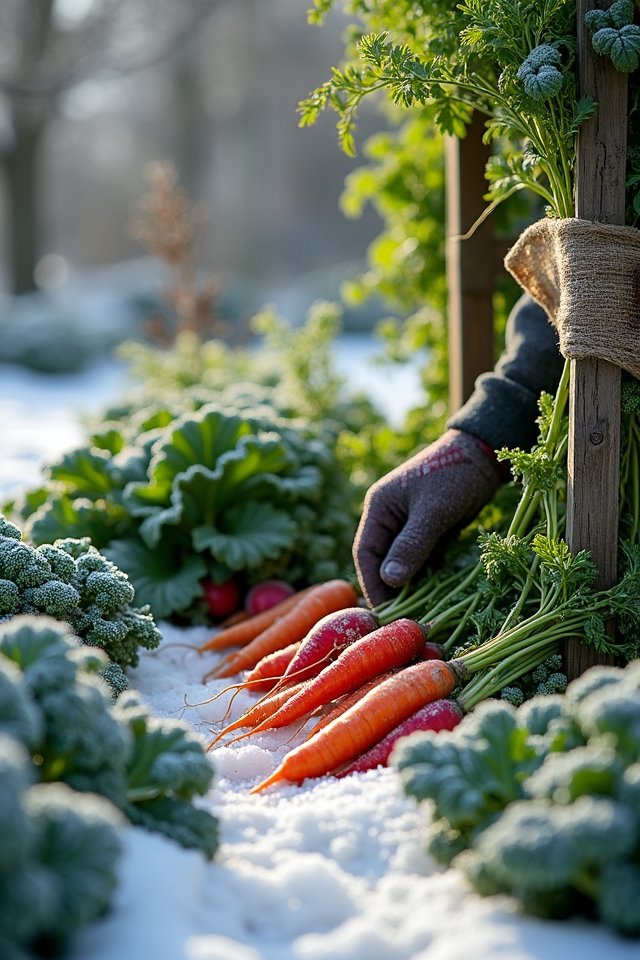
While winter might seem like a time to hibernate, your garden can still be a vibrant place full of life! Welcome the chill and keep your green thumb active with these innovative winter gardening strategies:
- Cold frames: These simple structures trap sunlight and create a cozy microclimate for your plants.
- Winter crops: Think kale, spinach, and garlic! They thrive in cooler temperatures and add fresh flavors to your winter meals.
- Mulching: A thick layer of mulch keeps roots warm and protects soil moisture.
- Indoor gardening: Bring the outdoors in! Try herb pots on your windowsill for fresh, year-round flavor.
Preparing Your Soil for Spring
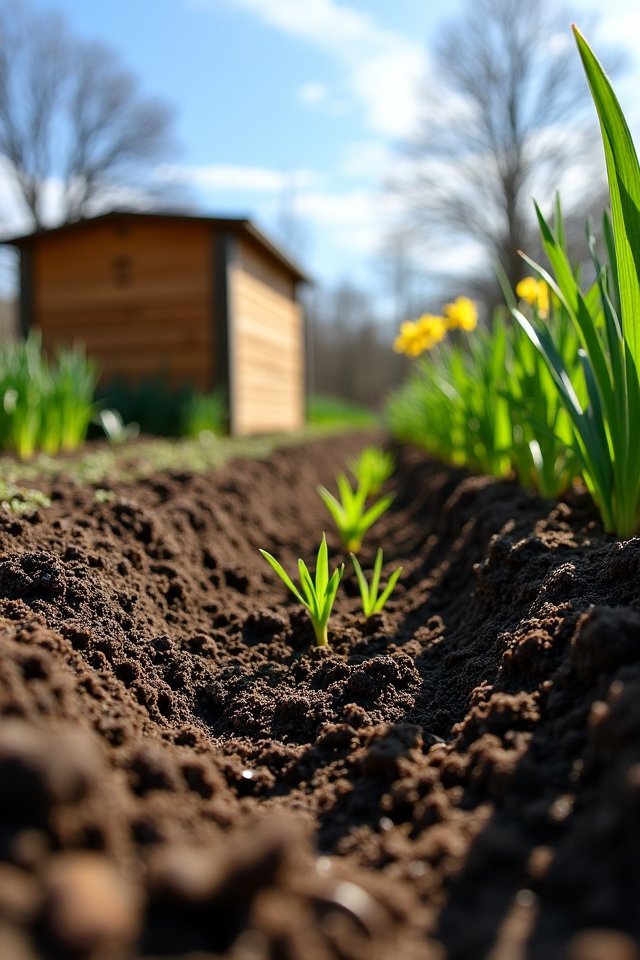
Spring’s just around the corner, and it’s time to get your soil ready for a gardening glow-up! Start with soil testing; it’s like a health check-up for your garden. You wouldn’t skip a doctor’s appointment, right? Knowing your soil’s pH and nutrient levels helps you tailor your compost application perfectly!
Once you’ve got your test results, mix in rich, organic compost to boost your soil’s health. Think of it as a delicious meal for your plants! Spread a generous layer and let it work its magic, breaking down into that luscious, dark humus your veggies will crave.
With a little elbow grease and some innovative techniques, you’ll have your soil singing with life, ready for spring’s bounty! 🌱
Choosing the Right Seeds for Spring
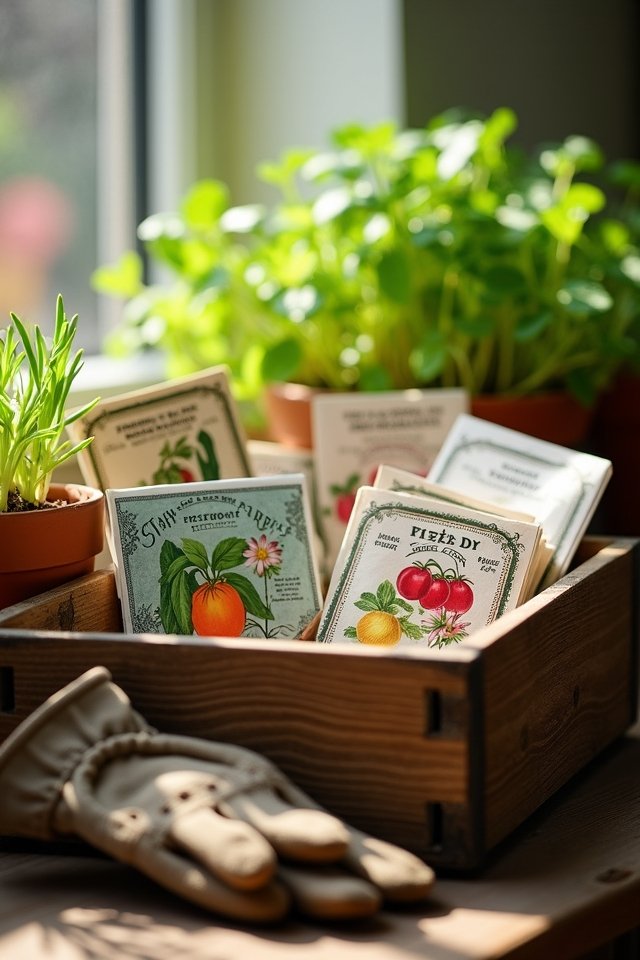
As you plunge into the world of seeds, remember that choosing the right ones can feel like picking the perfect toppings for your pizza—everyone has their favorites! Spring’s the time to explore, and understanding seed varieties is key. Here’s how to get started:
- Select heirloom seeds for unique flavors and colors that’ll wow your garden guests.
- Opt for fast-growing veggies like radishes or lettuce to enjoy quick harvests and instant gratification!
- Consider companion planting to maximize space and boost growth—think tomatoes with basil!
- Experiment with hybrids for increased disease resistance and higher yields, keeping your garden thriving.
Pest Management in the Summer
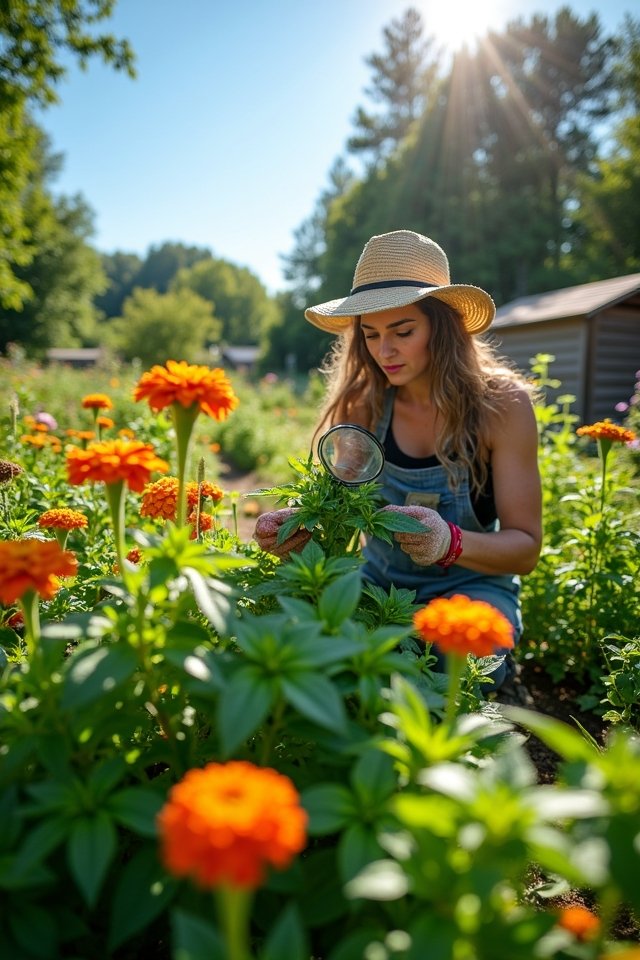
With your seeds planted and sprouting, the real fun begins! Summer brings sunshine, warmth, and—oh no!—pests! But don’t fret! Welcome the power of natural predators, like ladybugs and lacewings, who’ll swoop in to munch on those pesky aphids. You’ll feel like a guardian of your garden as you watch them work their magic!
For those stubborn critters, organic sprays can be your best friend. Try a garlic or neem oil spray; it’s like a superhero cape for your plants! Just remember to apply them in the early morning or late evening, so beneficial insects don’t get a nasty surprise. With creativity and a sprinkle of patience, you can keep your garden thriving and pest-free all summer long! Happy gardening!
Watering Techniques for Hot Months
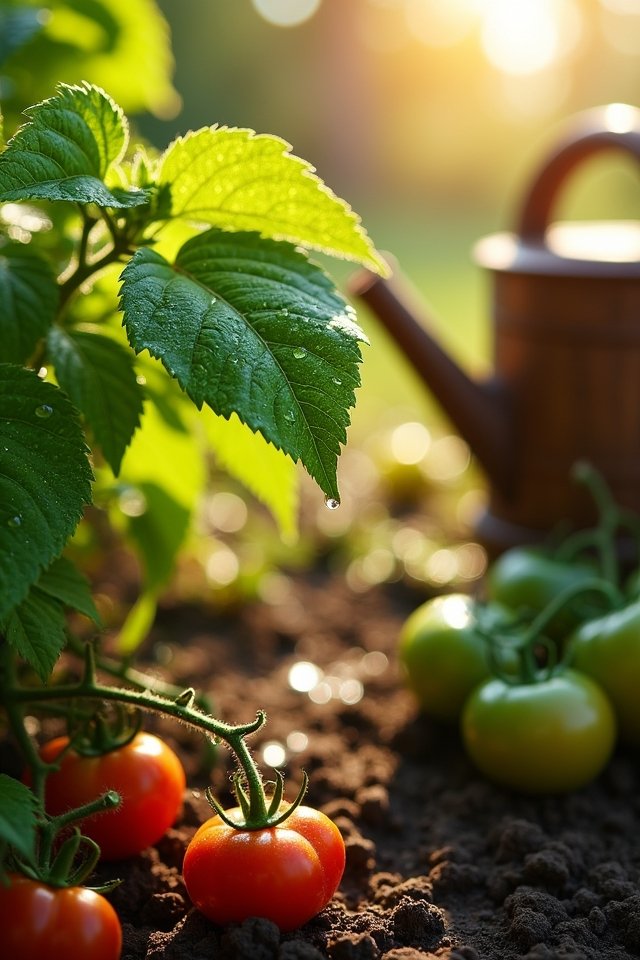
How can you keep your garden happy and hydrated during those scorching summer days? With a bit of creativity and smart techniques, you’ll be a watering wizard! Here’s a quick guide to guarantee your plants thrive:
- Morning Magic: Water early to reduce evaporation and let plants soak up the goodness!
- Mulching Techniques: Use organic mulch to retain moisture and keep soil cool, making it a cozy haven for roots.
- Shade Solutions: Create shade with rows of taller plants or garden fabric to protect delicate veggies from intense sun.
- Drip Irrigation: Set up a drip system for targeted watering—think of it as a spa day for your plants!
With these innovative tips, your garden will flourish even in the heat!
Fall Harvesting and Preservation
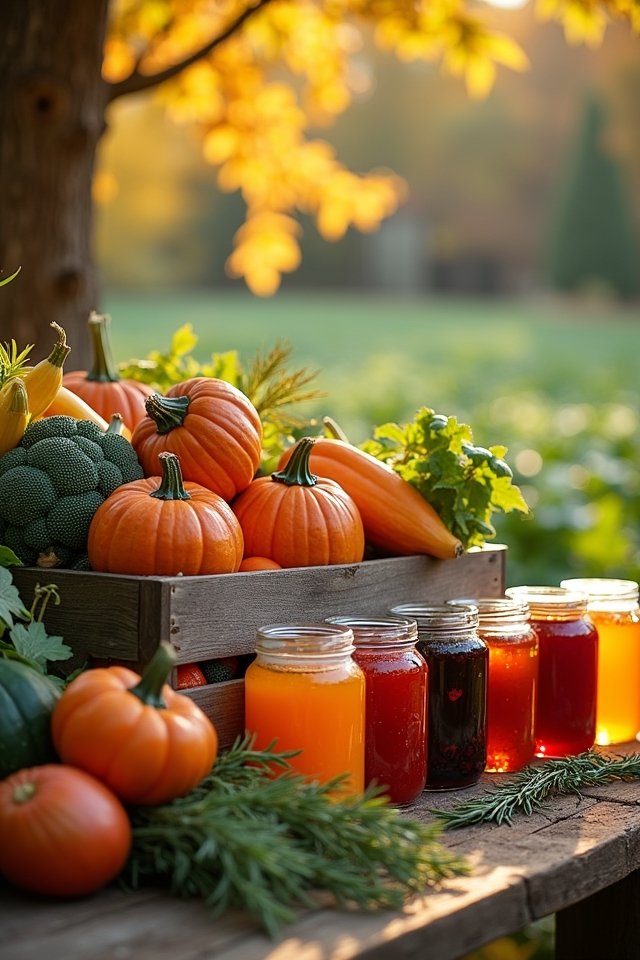
When the leaves start to turn and the air gets that crisp autumn bite, it’s time to celebrate your garden’s bounty! Your fall crops, like pumpkins and kale, are ready for harvesting. Picture yourself in the garden, filling your basket with vibrant veggies, each one a gem of the season. But don’t let that bounty go to waste! Try innovative preservation techniques like freezing, fermenting, or making delicious jams. Ever thought of pickling your cucumbers? It’s a game-changer! You’ll be savoring that summer flavor all winter long. So, roll up your sleeves, welcome the harvest, and transform your garden into a cozy pantry. Who knew fall could be so rewarding? Let the preserving adventure begin!
Cover Crops for Soil Health
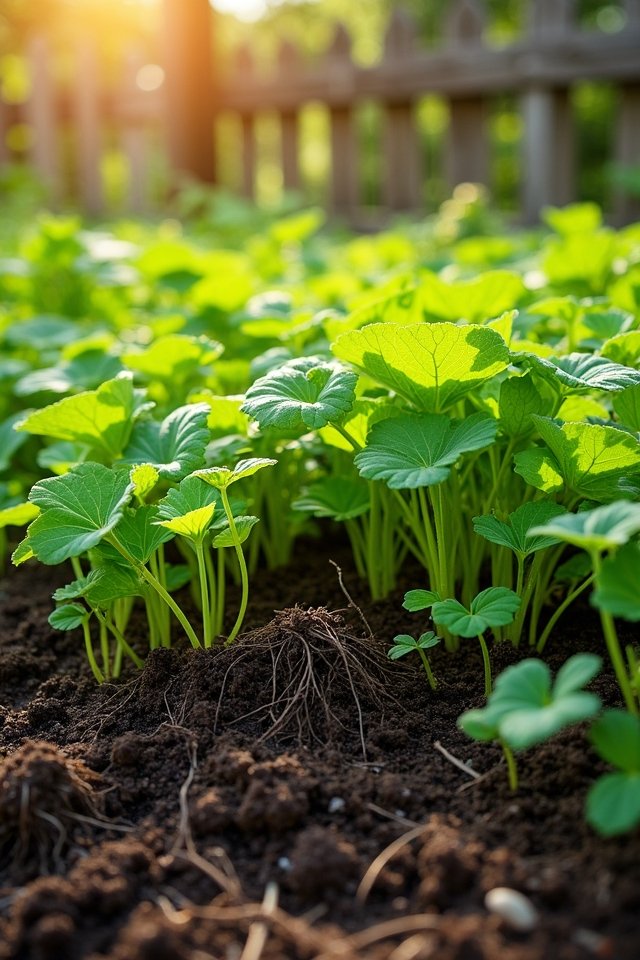
While you’re basking in the afterglow of a fruitful harvest, don’t forget about the soil beneath your feet! It’s time to nurture that hidden treasure with cover crops. These green superheroes enhance soil health and boost nutrient management. Here’s how:
- Legumes: Plant varieties like clover or vetch to fix nitrogen.
- Grasses: Use rye or oats for erosion control and organic matter.
- Brassicas: Try radishes to break compacted soil and improve drainage.
- Mix it up: Combine crops for diverse benefits and richer soil!
Organic Fertilization Throughout the Year
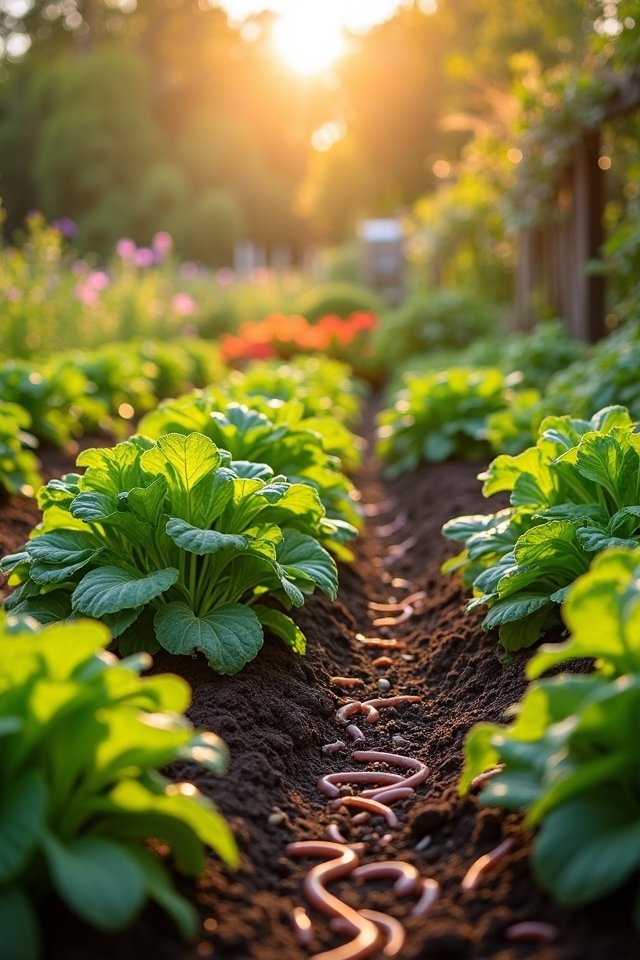
Giving your plants a nourishing boost throughout the year is like treating them to a delicious buffet! To keep your garden thriving, you’ve gotta tailor your organic fertilization to meet seasonal nutrient requirements. In spring, energize your soil with rich organic composting techniques—think of it as a hearty breakfast for your plants! As summer rolls in, use compost teas to add that extra zing. Fall’s all about preparing for winter, so add some well-rotted manure or leaf mold, like tucking your plants in for a cozy nap. Finally, don’t forget winter; a layer of mulch acts like a warm blanket, protecting those precious roots. Your plants will thank you with vibrant growth and bountiful harvests—what’s not to love?
Companion Planting for Optimal Growth

Imagine your garden as a lively dinner party, where every plant has a special guest to bring out its best! You can create a harmonious atmosphere with companion planting. Here’s how:
- Basil with Tomatoes – Basil not only enhances flavor but also wards off pesky insects!
- Marigolds with Veggies – These cheerful flowers attract beneficial insects that help control pests.
- Cilantro with Spinach – Cilantro attracts ladybugs, which love munching on aphids, keeping your spinach happy!
- Chives with Carrots – Chives add deliciousness while deterring carrot flies—what a win-win!
Year-Round Gardening Tools and Resources
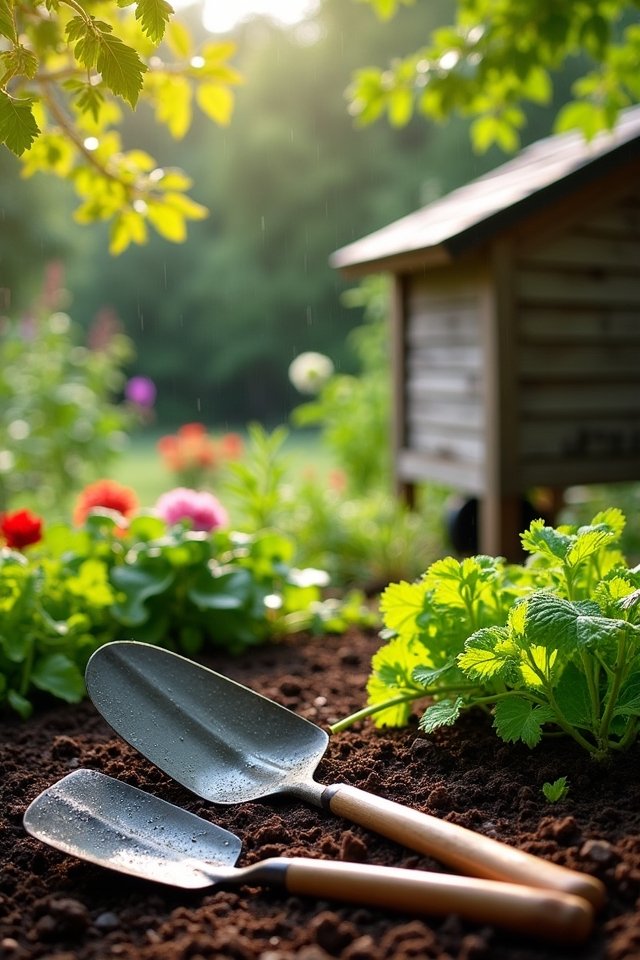
After you’ve set the stage with companion planting, it’s time to gear up for year-round gardening! You’ll want reliable gardening equipment to tackle every season’s challenges. Think sturdy gloves that feel like a second skin and trowels that glide through soil like butter. Don’t forget a quality compost bin—you’ll need it for those nutrient-rich scraps!
For seasonal resources, explore local co-ops for organic seeds that sprout hope and flavor all year long. Consider using raised beds; they’re like cozy little homes for your plants! And hey, a good gardening app can be your best friend, keeping you organized and informed! With the right tools and resources, every season can be a harvest celebration! So, what are you waiting for? Let’s dig in!
Frequently Asked Questions
How Do I Start a Compost Bin for Organic Gardening?
Starting a compost bin is easier than you think! Grab a bin or pile, then layer your compost materials—think kitchen scraps like fruit peels, coffee grounds, and yard waste. Keep it moist, like a damp sponge, but not soggy! For compost maintenance, turn it regularly to speed up decomposition. It’s like giving your compost a little workout! Soon, you’ll have rich, dark gold for your garden. Isn’t that exciting? Let’s get composting!
What Plants Thrive in Shaded Areas of My Garden?
Got a shady spot in your garden? You’re in luck! Shade-loving plants like hostas and ferns thrive where sunlight dares not tread. Imagine lush greens and vibrant textures, transforming dull corners into a leafy oasis! Try planting astilbes for their feathery flowers or heucheras with their colorful leaves. Maximize shade with these beauties; they’ll dance in the breeze while you sip lemonade, feeling like a gardening genius! Who knew shade could be so fabulous?
How Can I Attract Beneficial Insects to My Garden?
You’d think attracting beneficial insects is like throwing a party and expecting everyone to show up, right? Well, it’s simpler! Plant native plants—they’re like the VIP guests of your garden! Create insect hotels, cozy little spots where bugs can chill and nest. Consider colorful flowers like coneflowers or goldenrod, which beckon pollinators. Before you know it, your garden will buzz with life, and those insects will be the life of the party!
What Are the Best Organic Methods for Weed Control?
When it comes to weed control, you’ve got some fantastic organic options! First, let’s talk about mulch benefits. A thick layer of mulch acts like a cozy blanket for your soil, blocking weeds while keeping moisture in. You can also whip up natural herbicides using vinegar or salt—just be careful where you spray! Think of them as your garden’s secret weapons. With these tricks, your garden will stay tidy and healthy—like magic!
How Can I Extend My Growing Season With Cold Frames?
Want to stretch that growing season? Cold frames are your best pals! You can use materials like wood or recycled windows to build one. They trap heat and help with temperature regulation, making your plants feel cozy even in chilly weather. Imagine your greens basking in the sun, safe from frost! Just pop them in the frame, and voilà! You’ve got a mini greenhouse! Who knew extending your garden could be this simple and fun?