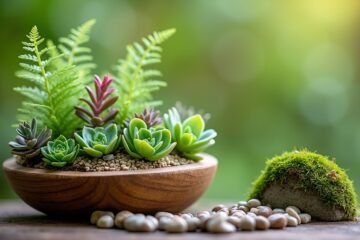
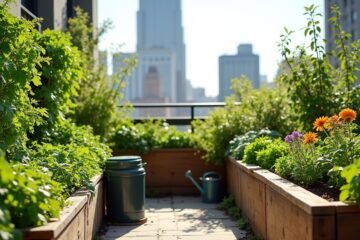
Ready to grow your organic garden? Start by enriching your soil with compost—it’s like giving your plants a nutritious breakfast! Next, pick seasonal seeds, such as zinnias for summer or kale for fall; they thrive in your local climate. Don’t forget crop rotation; it’s a clever way to keep your soil healthy. Combine plants like tomatoes and basil for a culinary duo, and use natural pest repellents like garlic spray. Stick around, and you’ll discover more vibrant gardening gems!
Preparing Your Soil for Seasonal Planting
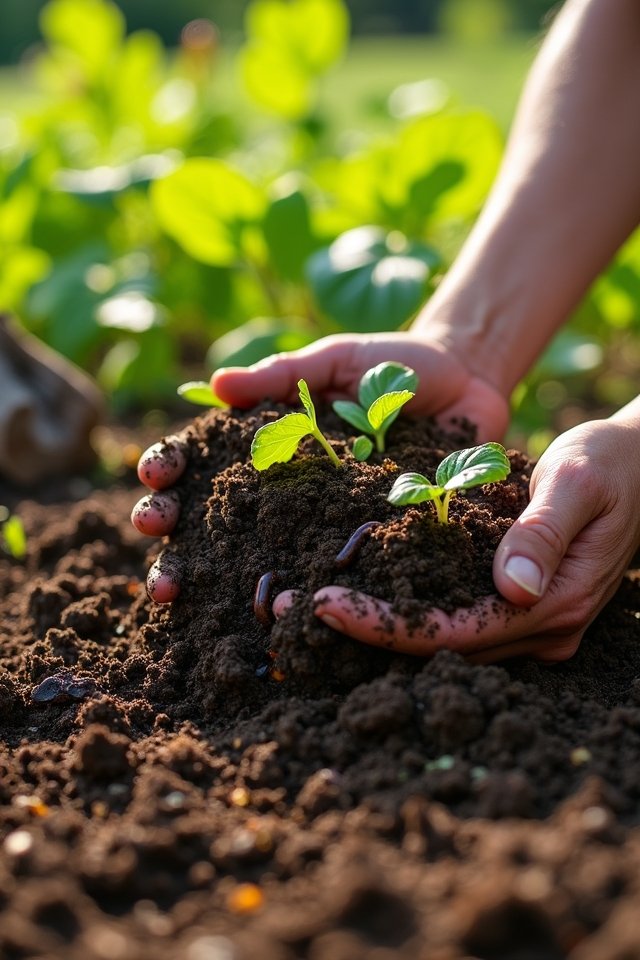
When you think about starting your garden, preparing your soil is like laying the foundation for a cozy home—without it, your plants won’t thrive! First, grab a soil testing kit—it’s like a health check-up for your dirt! You’ll discover its pH and nutrient levels, which is essential for your plant’s happiness. Next, mix in organic amendments, like compost or well-rotted manure. These delightful additions feed your soil and improve its texture, making it airy and rich, just like a fluffy cake. Imagine your plants dancing in joy as they soak up those nutrients! So, roll up your sleeves, get your hands dirty, and transform that tired soil into a vibrant, life-giving haven! Are you ready to dig in?
Choosing the Right Seeds for Each Season
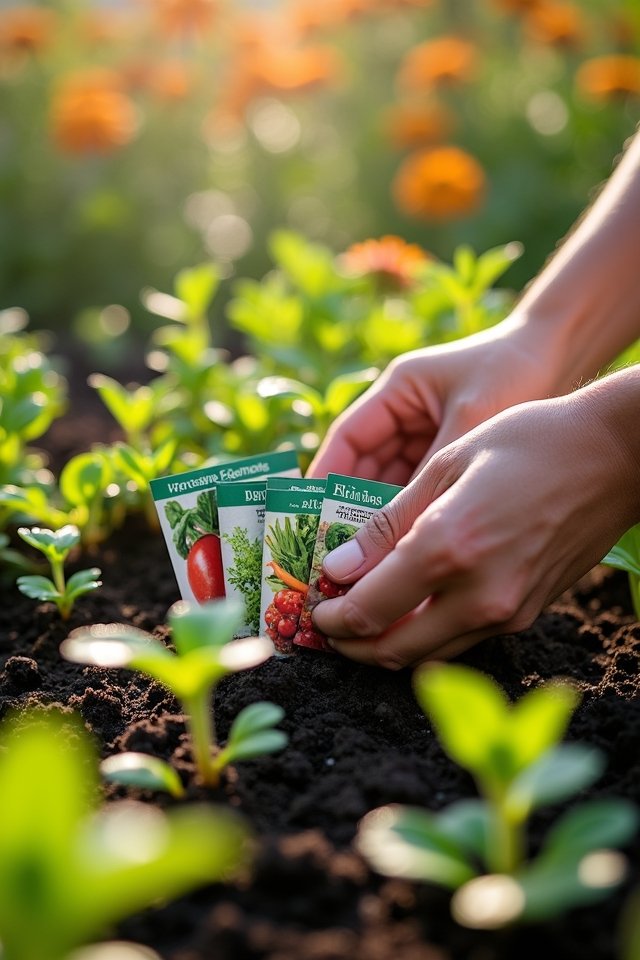
While you might be itching to plant, picking the right seeds for each season is like choosing the perfect ingredients for a gourmet dish—it can make all the difference! For spring, think vibrant heirloom tomatoes or crunchy radishes; their flavors will burst in your garden! In summer, opt for colorful zinnias or sweet corn—imagine those hues lighting up your backyard. As fall approaches, consider seasonal varieties like kale or pumpkin; they’re not just tasty, they’ll keep your garden lively! Remember, seed selection isn’t just about what looks good; it’s about what thrives in your climate. So, get innovative! Immerse yourself in your local seed catalog and discover those hidden gems that’ll make your garden the envy of the neighborhood! Exciting, right?
Implementing Crop Rotation Strategies
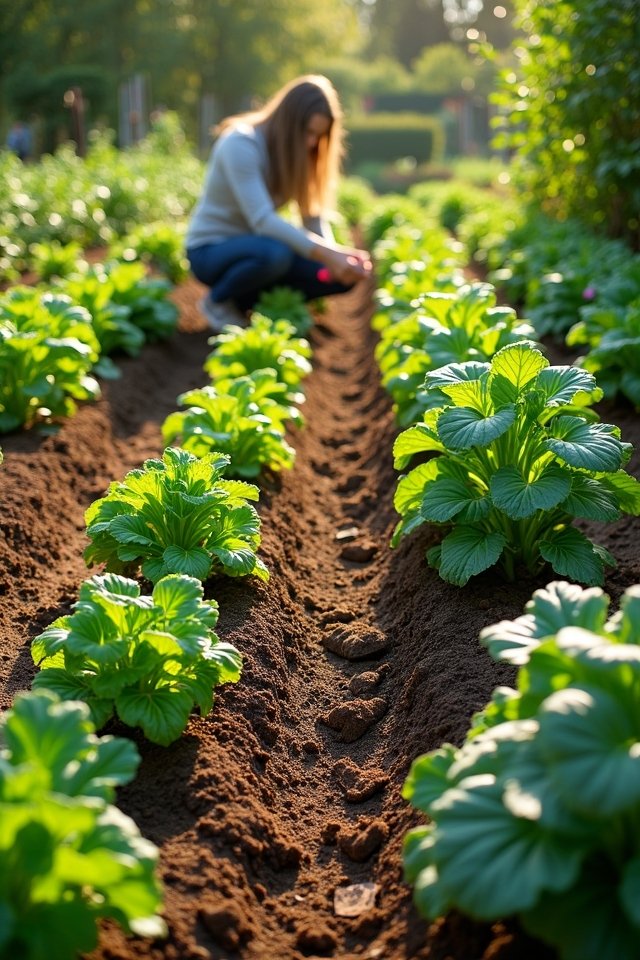
To truly elevate your gardening game, embracing crop rotation strategies is like giving your soil a rejuvenating spa day! By rotating your crops, you’re not just mixing things up; you’re enhancing soil nutrient management. Imagine planting legumes one season, then followed by leafy greens—it’s a win-win! Legumes add nitrogen, while greens draw it up, keeping your soil healthy and happy.
Don’t forget about the cover cropping benefits! After your main crops, plant cover crops like clover or rye. These little superheroes protect your soil, prevent erosion, and improve its structure. You’ll be amazed at how lush and vibrant your garden becomes! So, ready to shake things up and give your soil the TLC it deserves? Happy gardening!
Utilizing Companion Planting Techniques
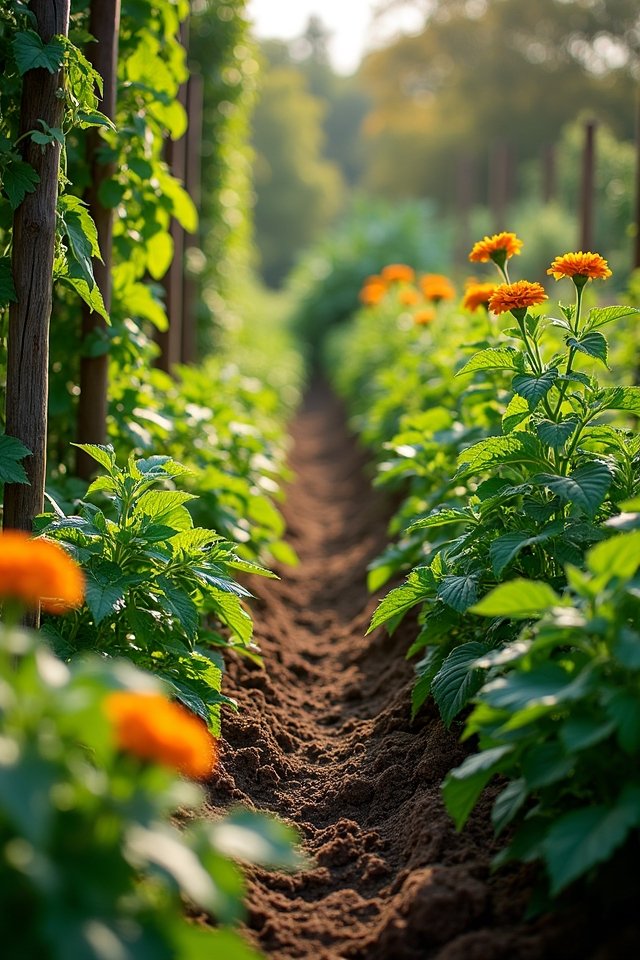
Ready to take your garden to the next level? Let’s plunge into the magical world of companion planting! Pairing companion plants is like creating a dynamic duo; they boost each other’s growth benefits. For example, plant tomatoes alongside basil to enhance flavors while keeping pests at bay! Imagine your garden thriving like a well-rehearsed dance, where each plant plays its part perfectly.
Want to attract pollinators? Try marigolds with your veggies; they’ll add a splash of color and draw in bees! It’s gardening innovation at its finest! So, grab your seeds and get creative—experimenting with combinations can lead to a bountiful harvest you never thought possible. Your garden will thank you with vibrant colors and luscious produce!
Managing Pests Naturally Throughout the Year
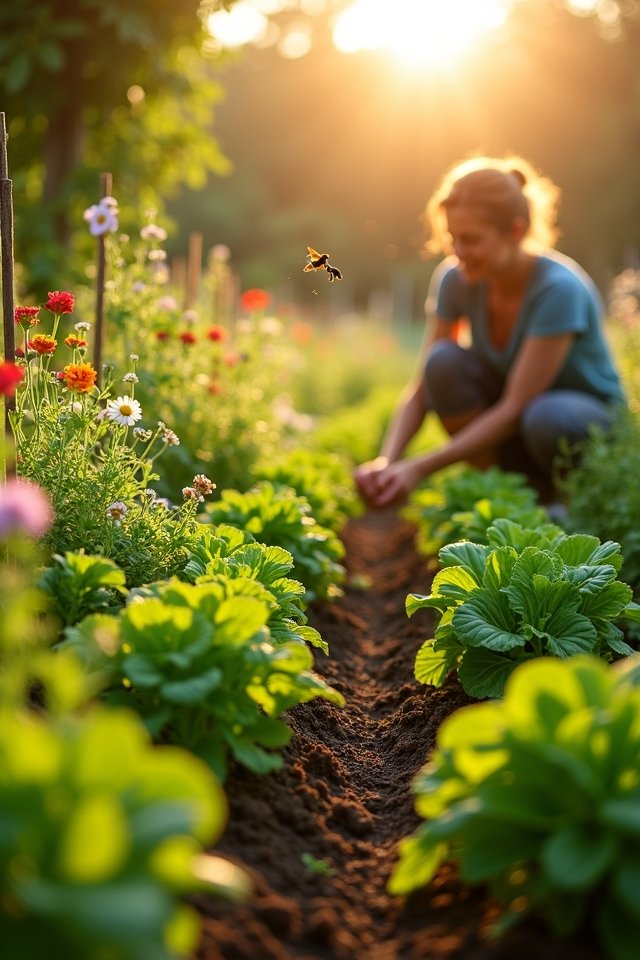
As the seasons change, so do the challenges of keeping your garden pest-free! You don’t have to resort to harsh chemicals. Instead, adopt natural repellents like garlic spray or neem oil—these are your garden’s best friends! Plus, invite beneficial insects, like ladybugs and lacewings, who’ll feast on pesky aphids and caterpillars. Think of them as your garden’s little bodyguards, ensuring everything thrives!
Rotate your plants seasonally to confuse pests; they won’t know what hit them! And don’t forget to keep your garden tidy—debris is a pest’s paradise! By mixing these innovative strategies, you’ll create a harmonious ecosystem. So, let’s get creative and keep those pesky intruders at bay—your plants will thank you, and your garden will flourish!
Frequently Asked Questions
How Do I Know When to Start Planting My Seeds?
To know when to start planting your seeds, consider seed germination timing and your climate zone! Check your last frost date, then count back the weeks needed for each seed type. For example, tomatoes love warmth, so plant them when the soil’s toasty, like a cozy blanket! If you’re in a cooler zone, wait a bit longer. Remember, patience is key—after all, good things come to those who wait, right? 🌱
What Tools Are Essential for Seasonal Organic Gardening?
You’re diving into the vibrant world of seasonal organic gardening! To keep your garden thriving, you’ll need essential gardening tools, like a sturdy trowel for digging deep and a hand rake for smooth, even soil. A watering can’s gentle pour feels like a summer rain, while gloves protect your hands from the earth’s hold. Don’t forget a sharp pair of pruning shears, perfect for snipping away the old to make room for new growth!
Can I Grow Organic Vegetables in Containers?
Absolutely, you can grow organic vegetables in containers! Think of it as a mini garden party! Choose vegetable varieties like cherry tomatoes, crisp lettuce, or vibrant bell peppers. These beauties thrive in pots! Just make certain your containers have drainage holes and use rich, organic soil. Water them regularly, and watch them flourish! It’s like having your own salad bar right on your balcony! Who knew container gardening could be this fun and rewarding?
What Are the Benefits of Organic Gardening for the Environment?
Organic gardening’s a game-changer for the environment! By using sustainable practices, you’re not just growing veggies; you’re nurturing the planet. Think of it as giving Mother Nature a big hug! Plus, you boost biodiversity enhancement, inviting bees and butterflies to your garden party. Who wouldn’t want that? Imagine vibrant colors and buzzing life all around you! So, dig in, get your hands dirty, and enjoy the beautiful benefits of going organic!
How Do I Maintain Soil Health Throughout the Seasons?
Imagine your garden thriving like a well-tuned orchestra! To maintain soil health, you can use mulch methods like straw or wood chips to keep moisture in and weeds out. Pair that with compost strategies, such as creating a worm bin, to enrich your soil with nutrients. It’s like giving your plants a delicious feast! Regularly turning your compost guarantees it stays fresh, just like a good pizza dough. So, let’s get cultivating!