For organic gardening success, you’ll want to grab three mighty natural fertilizers: compost, manure, and bone meal! Compost is like garden gold, turning kitchen scraps into rich nutrients. Manure, from chickens or cows, supercharges your soil but remember to age it first to avoid plant burns! Finally, bone meal packs a punch with phosphorus and calcium, making roots strong and blooms vibrant. Curious about how to use them together for a thriving garden? Let’s uncover more!
Compost
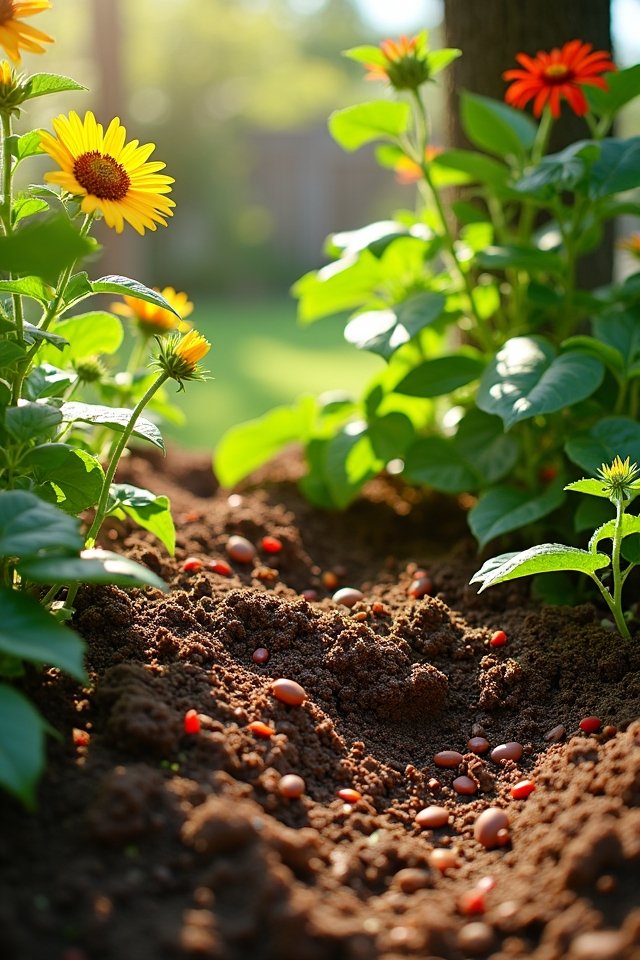
When you think about compost, imagine the ultimate recycling superhero for your garden! It’s not just a pile of old scraps; it’s a magical mix that transforms waste into life-giving nutrients. The compost benefits are endless! You’ll boost soil health, improve moisture retention, and even invite beneficial microbes to the party.
Try composting techniques like layering greens (kitchen scraps) and browns (dry leaves). Don’t forget to aerate your pile—it’s like giving your compost a new lease on life! You’ll be amazed at how quickly it breaks down into rich, dark gold. It’s like nature’s own fertilizer factory! So, ready to reveal the superhero in your backyard? Your plants will thank you with vibrant growth and bountiful harvests!
Manure
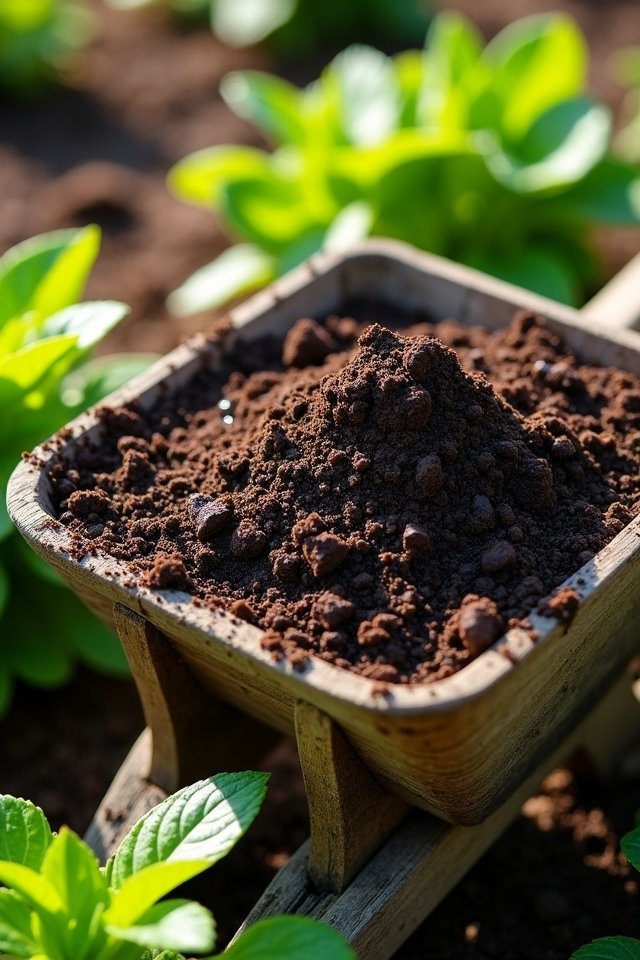
Ah, manure—the ultimate garden booster that’s often misunderstood! When you think of manure types, consider chicken, cow, and horse manure, each bursting with nutrients. You might think it’s just, well, poop, but it’s a powerhouse for your plants!
Applying manure correctly is key. Mix it into your soil or let it break down into compost. This way, you’re not just tossing it around like confetti; you’re giving your garden a rich, nourishing feast!
Imagine your tomatoes thriving, their roots dancing in a nutrient-rich paradise! But remember, fresh manure can burn plants, so always age it or compost it first. Ready to release the magic of manure? Your garden will thank you with bountiful blooms and delicious veggies!
Bone Meal
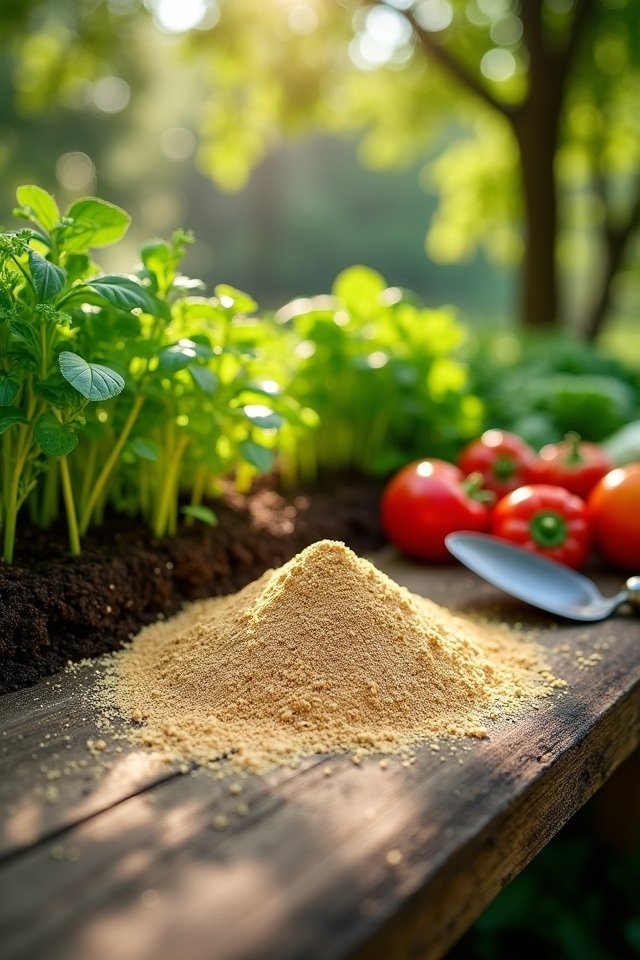
Bone meal is like a secret weapon for your garden, packed with phosphorus and calcium that plants crave! It’s a powerhouse of nutrient content, promoting strong root development and vibrant blooms. Want your flowers to pop like fireworks? Sprinkle bone meal around their base! You can mix it into your soil before planting or use it as a top dressing. Just remember, a little goes a long way!
Picture this: your tomatoes thriving, their roots digging deep and strong, thanks to your careful application methods. It’s like giving your plants a gourmet meal! Plus, it’s organic, so you’re nurturing nature too. So, let’s elevate your garden game and watch those plants flourish with this fantastic, earthy treasure!
Frequently Asked Questions
How Do I Know When to Apply Natural Fertilizers?
You’ll know it’s time to apply natural fertilizers by observing your plants’ nutrient requirements! Watch for signs like yellowing leaves or stunted growth—those green beauties are waving a flag! Generally, spring and early summer are prime times, as plants are hungry for energy. Think of it like feeding a growing teenager! Just remember, too much of a good thing can be too much—balance is key! Happy gardening, and may your veggies thrive!
Can I Use Homemade Fertilizers Effectively?
Think of homemade compost as a chef’s secret ingredient, packed with organic nutrients. Just like a hearty stew nourishes the body, your compost enriches the soil. When you toss in kitchen scraps and garden clippings, you’re creating a nutrient-rich blend that your plants will love! It’s like giving them a spa day! So, yes, plunge in and whip up that compost—your garden will thank you with vibrant blooms and luscious veggies!
Are There Any Natural Fertilizers for Specific Plants?
For tomatoes, consider a balanced tomato fertilizer enriched with compost. It’ll power up those juicy fruits like rocket fuel! For your herbs, a gentle herb fertilizer made from crushed eggshells and coffee grounds works wonders. It’s like giving your plants a cozy blanket of nutrients. So, if you want vibrant basil or robust rosemary, this combo’s your golden ticket! Ready to watch your garden thrive? Let’s dig in!
How Do I Store Natural Fertilizers Properly?
To store natural fertilizers properly, you’ll want to grab airtight storage containers—think of them as cozy homes for your nutrients! Keep them in a cool, dry place, away from sunlight. Ideal conditions are key; too much moisture can turn your treasures into a soggy mess! You wouldn’t want your fertilizers to lose their magic, right? Label those containers, and you’ll always know what’s inside. Happy storing and may your garden thrive!
What Are the Signs of Fertilizer Overuse?
Overusing fertilizer can turn your garden into a sad circus! When plants show signs of nutrient imbalance, like yellowing leaves or stunted growth, they’re waving a distress flag. You might notice wilting or browning tips as they experience plant stress! It’s like giving your plants too much candy—great in moderation, but too much makes them dizzy! Always remember: a balanced approach keeps your garden thriving and your green thumbs happy!