To create a thriving organic garden, you need secret ingredients like rich compost and nutrient-packed worm castings! These goodies transform your garden soil into a rich chocolate cake of nutrients. Don’t forget about aged manure—it’s like a growth booster for your plants! Homemade liquid fertilizers, like banana peel tea or nettle infusions, pack a punch too. They’ll have your veggies growing faster than a kid on a sugar rush! Stick around, and you’ll uncover even more magical garden secrets!
Composting Basics for Nutrient-Rich Soil
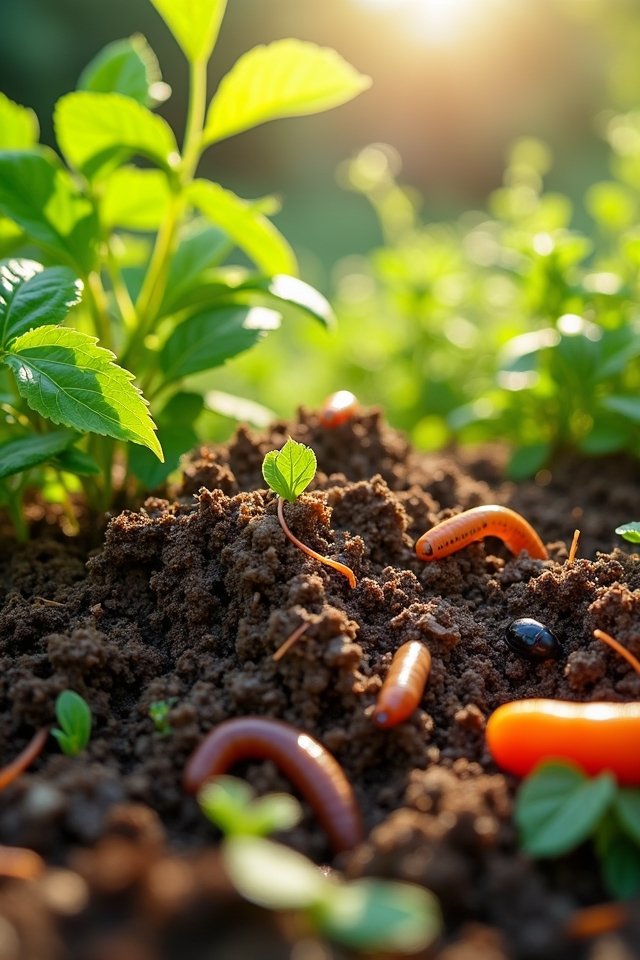
Composting is like magic for your garden—turning kitchen scraps and yard waste into black gold! To get started, focus on compost layering. Alternate green materials, like fruit peels and grass clippings, with brown materials, such as dry leaves and cardboard. This balance keeps things lively! Don’t forget about compost aeration; turning your pile regularly introduces oxygen and speeds up decomposition. Picture your compost as a bustling city—each layer plays a crucial role in the ecosystem! And remember, if it smells bad, you might need more browns! With a little patience, you’ll create a nutrient-rich soil that’ll make your plants dance with joy. So, roll up your sleeves, and let’s turn trash into treasure! Your garden will thank you!
The Power of Worm Castings
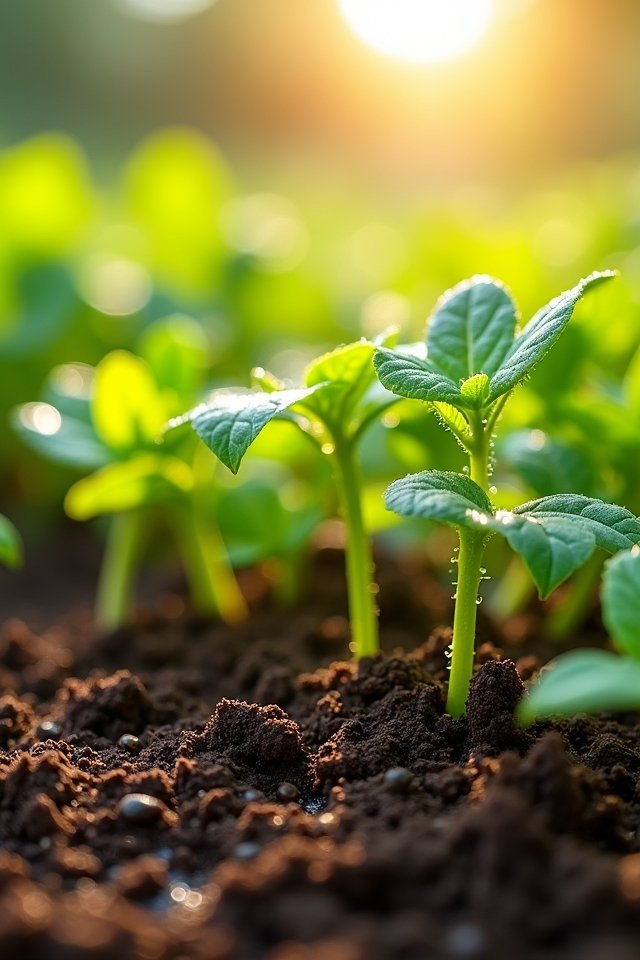
Worm poop—yes, you read that right! Those little castings are nature’s secret weapon for your garden. The worm benefits are incredible! Packed with nutrients, worm castings boost plant growth, improve soil structure, and enhance moisture retention. When you mix these tiny powerhouses into your soil, you’re basically giving your plants a luxurious spa treatment!
Castings applications are easy—sprinkle them around your plants or mix them into your potting soil. You won’t believe the difference! Your veggies will thrive, producing lush, vibrant results that’ll make your neighbors green with envy. So, why not harness the magic of worm castings? They’re like fairy dust for your garden, transforming your space into a flourishing oasis! Happy gardening!
Utilizing Manure as an Organic Fertilizer
If you want to supercharge your garden, search no more than good ol’ manure! This organic powerhouse comes in various types—cow, horse, chicken, and even sheep—each boasting unique nutrients that your plants crave. But how do you apply it? You can mix it into the soil, top-dress your garden beds, or create compost. Just remember, fresh manure can be a bit too potent, so let it age for a few months to mellow out its strength. Picture your veggies thriving, their roots reaching deep into nutrient-rich soil, bursting with life! Who knew a little poop could work magic? With the right manure and application methods, you’ll be well on your way to a lush, green paradise!
Homemade Liquid Fertilizers: Recipes and Benefits
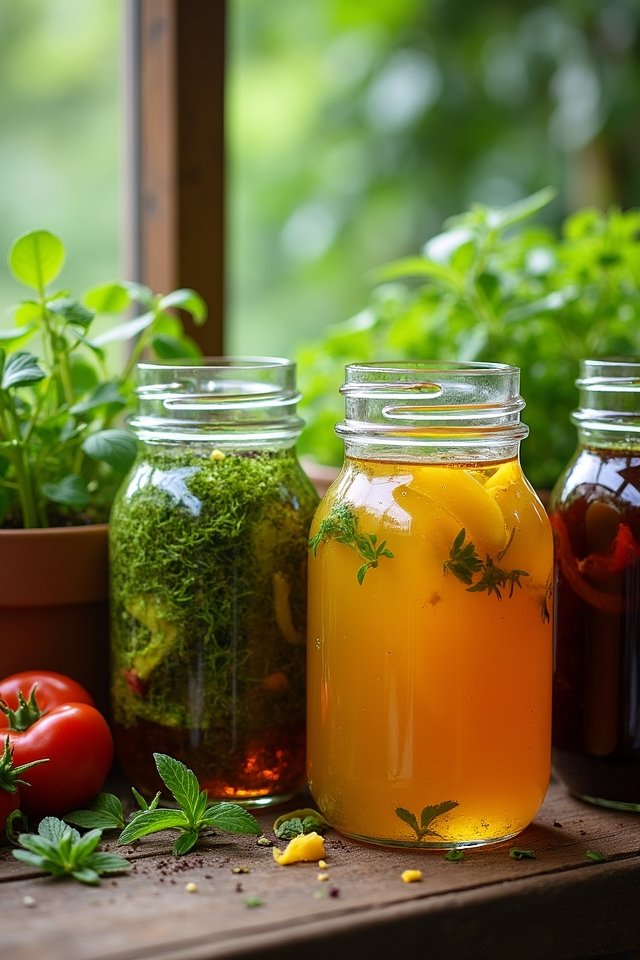
When you want to give your garden a nutrient boost, homemade liquid fertilizers are a fantastic option! These homemade recipes are not just cost-effective; they’re packed with liquid benefits that your plants will love! For instance, try a banana peel tea—just soak chopped peels in water for a few days. Your plants will soak up potassium like it’s candy! Or whip up a nettle infusion for a nitrogen-rich powerhouse! Just steep fresh nettles in water, and watch your garden thrive! You’ll be amazed at how quickly your plants respond, growing lush and vibrant. It’s like giving them a spa day! So, roll up your sleeves, get mixing, and watch your garden transform into a vibrant paradise!
Harnessing the Benefits of Bone Meal and Blood Meal
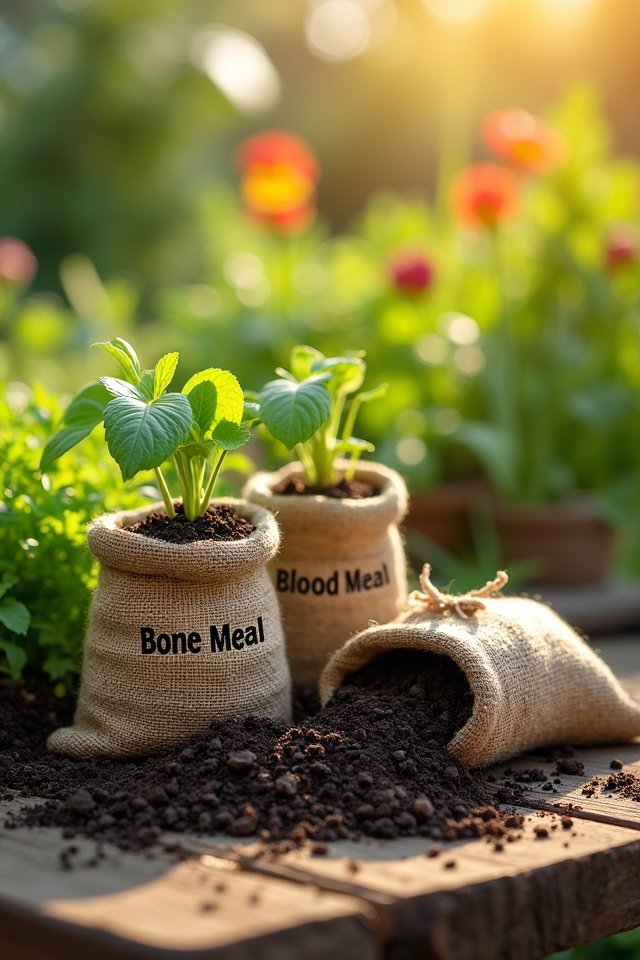
After you’ve whipped up those delightful homemade liquid fertilizers, why not take your garden’s health to the next level with bone meal and blood meal? These power-packed additions bring a world of benefits to your plants!
- Bone meal benefits: It’s a fantastic source of phosphorus, promoting strong root development and vibrant blooms.
- Blood meal applications: This nitrogen-rich booster gives your plants a quick growth spurt, making them lush and green.
- Sprinkle bone meal in planting holes for healthier vegetables!
- Mix blood meal into your compost for a nutrient kick!
Imagine your garden flourishing like a lush oasis, all thanks to these secret ingredients! Ready to transform your green space? Immerse yourself in the magic of bone and blood meal!
Green Manures: Cover Crops to Boost Soil Health
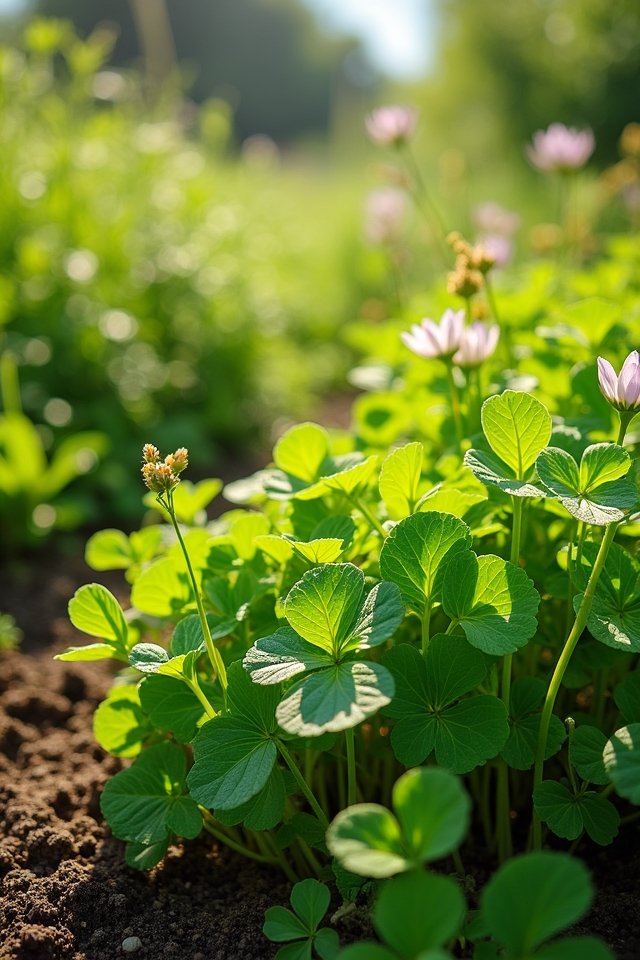
Imagine your garden thriving like a lively symphony, all thanks to the magical world of green manures! These cover crops do wonders, improving soil health while you sip your morning coffee. Think of them as nature’s little superheroes, boosting soil microorganism interactions that keep your garden buzzing with life. When you plant clover or rye, you’re not just filling empty space—you’re creating a vibrant home for beneficial bacteria and fungi. These allies help break down nutrients, making them available for your plants! Plus, when you till under those green manures, you enrich your soil with organic matter, turning it into a rich, dark chocolate cake of goodness! Who wouldn’t want to dig into that? So, give green manures a try!
Nutrient-Rich Mulches for Organic Gardens
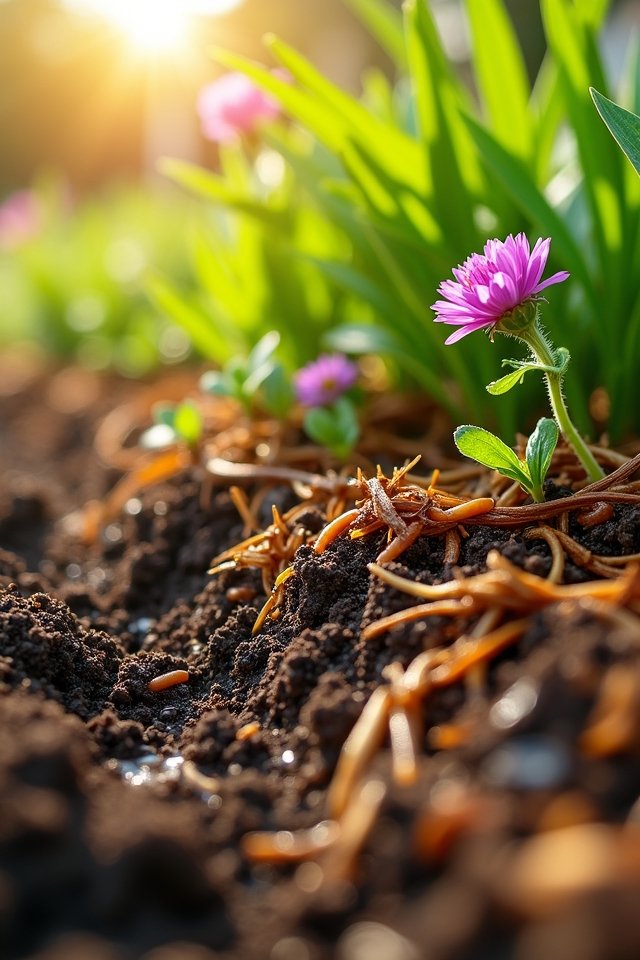
As you plunge into the world of organic gardening, you’ll find that nutrient-rich mulches are like cozy blankets for your plants! They help retain moisture, suppress weeds, and gradually feed your soil—who wouldn’t want that? Two fantastic options are wood chip mulches and straw.
Here are some benefits to contemplate:
- Wood chip mulches break down slowly, providing long-lasting nutrients.
- Straw mulch benefits include excellent insulation for soil temperature and moisture retention.
- They attract beneficial organisms, turning your garden into a thriving ecosystem.
- Plus, they add a charming aesthetic, making your garden look like a lush paradise!
The Role of Seaweed and Kelp in Fertilization
When it comes to organic fertilization, seaweed and kelp are like the superheroes of the garden world! Packed with kelp nutrients, these ocean wonders boost your plants’ health and vigor. Imagine your tomatoes growing plump and juicy, thanks to the seaweed benefits that enhance soil structure and moisture retention. You can simply mix seaweed extracts into your compost or sprinkle dried kelp around your plants. The results? A vibrant garden that thrives in all its green glory! Plus, who wouldn’t love the idea of harnessing the ocean’s power to nurture their crops? So, why not plunge into the sea of possibilities and let these natural marvels work their magic? Your garden will thank you with every bountiful harvest!
Exploring the Benefits of Fish Emulsion
If you think your garden could use a little extra love, fish emulsion might just be the secret ingredient you’ve been searching for! This nutrient-packed powerhouse offers fantastic fish emulsion benefits that’ll make your plants jump for joy.
- Boosts growth and vigor
- Enhances soil health
- Improves drought resistance
- Attracts beneficial microbes
Applying fish emulsion is simple—mix it with water and spray or drench your plants. You’ll quickly notice vibrant greens and bountiful blooms. Imagine your garden thriving like never before! Plus, it’s a natural option that’s good for the Earth. So why not give it a try? Your plants will thank you, and you’ll feel like a gardening wizard! Who knew fish could be so magical?
Essential Minerals for Optimal Plant Growth
While your plants may seem perfectly content basking in the sun, they’re secretly yearning for essential minerals to thrive! Just like you, they need a balanced diet, too! Soil micronutrients—like iron, zinc, and manganese—are critical for healthy growth. Without them, your plants could face mineral deficiencies, leaving them weak and wilting. Imagine your veggies standing tall, vibrant, and full of life; that’s the power of nutrients! You can boost their energy by enriching your soil with organic compost or seaweed extracts. Think of it as giving your plants a delicious, nutritious smoothie. So, dig deep, literally and figuratively, to guarantee your garden flourishes! After all, happy plants mean a thriving garden, bursting with color and flavor!
Frequently Asked Questions
What Pests Should I Be Aware of in Organic Gardening?
Imagine stepping into your garden, only to find your beloved tomatoes being devoured by ravenous aphids. Yikes! To tackle pests like these, you’ll want to use effective pest identification methods. Look for tiny, green bugs on your plants. Once you spot them, you can implement organic pest control techniques, like introducing ladybugs or spraying neem oil. Keep your garden thriving and vibrant—nature’s little helpers are just a garden away!
How Can I Naturally Repel Insects Without Chemicals?
Want to keep pesky insects at bay without resorting to chemicals? You’ve got options! Try natural repellents like garlic spray or neem oil—nature’s own shield! Plus, consider using insect barriers like floating row covers or mesh nets. They’re like armor for your plants! Imagine your garden thriving, free from unwelcome munchers. It’s a win-win! So, grab those ingredients and let your organic oasis flourish without the buzzkill of chemicals!
What Plants Are Best for Companion Planting?
So, you’re curious about companion planting? Great choice! Think of it as plants teaming up like superheroes. For herb combinations, basil loves tomatoes—it’s like a match made in garden heaven! Meanwhile, carrots and onions are the dynamic duo you didn’t know you needed; they help each other grow stronger. It’s all about vegetable pairings that enhance flavors and repel pests. Immerse yourself in this colorful world, and watch your garden flourish like never before!
How Do I Attract Beneficial Insects to My Garden?
Attracting beneficial insects to your garden? It’s easier than you think! Plant vibrant flowering plants like sunflowers and lavender; they’re like candy stores for pollinators. Plus, consider adding insect hotels—tiny condos for your garden’s helpful critters! These cozy spots invite ladybugs and lacewings, keeping pests at bay. Think of it as throwing a party for nature’s little helpers! Don’t you want a buzzing garden full of life? Let’s get buzzing!
What Are the Signs of Nutrient Deficiency in Plants?
So, you’re wondering about signs of nutrient deficiency in plants? Look for yellowing leaves, like they’re trying to send you a warning! Stunted growth? That’s a red flag too! If your plants are dropping leaves, it’s time to investigate their nutrient symptoms. When you notice browning leaf tips, think of it as a cry for help! Keep an eye on your plant health, and you’ll have a thriving green paradise in no time!