Companion planting is like throwing a garden party where plants thrive together! Imagine tomatoes cozying up with basil, enhancing each other’s taste and growth. Plus, marigolds add color while shooing away pesky pests—no gatecrashers allowed! This natural approach boosts soil health and maximizes your harvest space, making every nook count. It’s a win-win for your garden and your platter! Curious how to create your green paradise? Stick around for more exciting plant pairings!
Benefits of Companion Planting
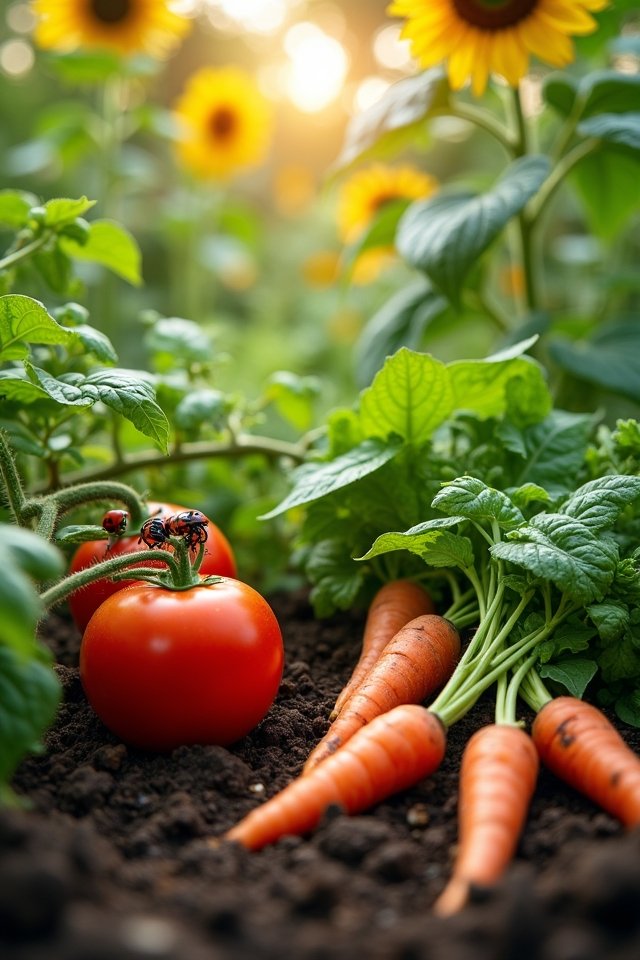
Companion planting can be like your garden’s secret weapon! Imagine a vibrant ecosystem where plants thrive together, boosting each other’s growth. By enhancing biodiversity benefits, you’re not just growing vegetables; you’re creating a lush community. Certain plants can repel pests or attract beneficial insects, making your garden a buzzing paradise! Plus, if you mix in crop rotation, you’re ensuring your soil stays nutrient-rich and prevents pesky diseases. Think of it as giving your garden a spa day! Picture tomatoes and basil cozying up, making each other tastier while keeping those pesky bugs at bay. Who knew gardening could be this fun? So, roll up your sleeves, and let nature do its magic—your plants will thank you!
Compatible Plant Combinations
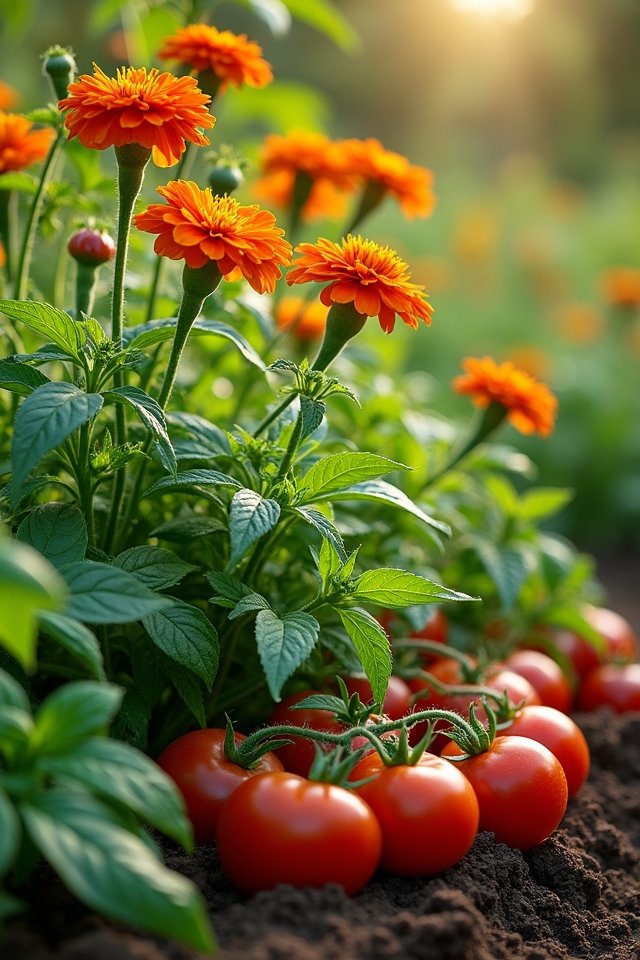
Did you know that some plants are like best friends, thriving together in perfect harmony? When you explore compatible plant combinations, you’ll discover magical plant pairings that elevate your garden design! For instance, think about the dynamic duo of tomatoes and basil. They not only taste great together in salads but also enhance each other’s growth. Or how about marigolds alongside your veggies? These cheerful flowers bring color and deter pesky bugs!
Imagine walking through your garden, surrounded by vibrant colors and delightful scents. It’s like a symphony of nature! By strategically choosing plant pairings, you create a lush landscape that’s both beautiful and bountiful. So, why not give these fabulous friendships a try in your organic garden?
Natural Pest Control Strategies
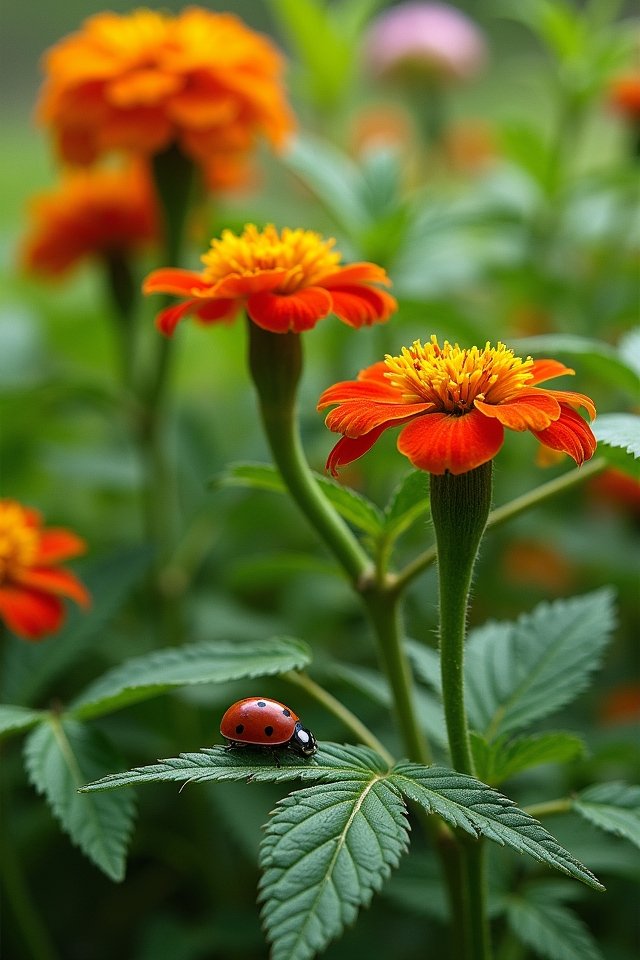
When you’re nurturing your organic garden, pests can feel like unexpected party crashers, don’t you think? But don’t fret! You can use natural pest deterrents to keep those unwanted guests at bay. Think about planting marigolds among your veggies. Their bright blooms not only add color but also create plant synergy, warding off pesky nematodes and aphids. Basil is another superstar—its aroma can confuse and repel flies! Imagine your garden bursting with life, each plant helping the others thrive. By harnessing these clever combinations, you’ll cultivate a vibrant ecosystem that’s not just beautiful but resilient. So, welcome the power of companion planting, and let nature do the heavy lifting while you enjoy your lush, pest-free paradise!
Enhancing Soil Health
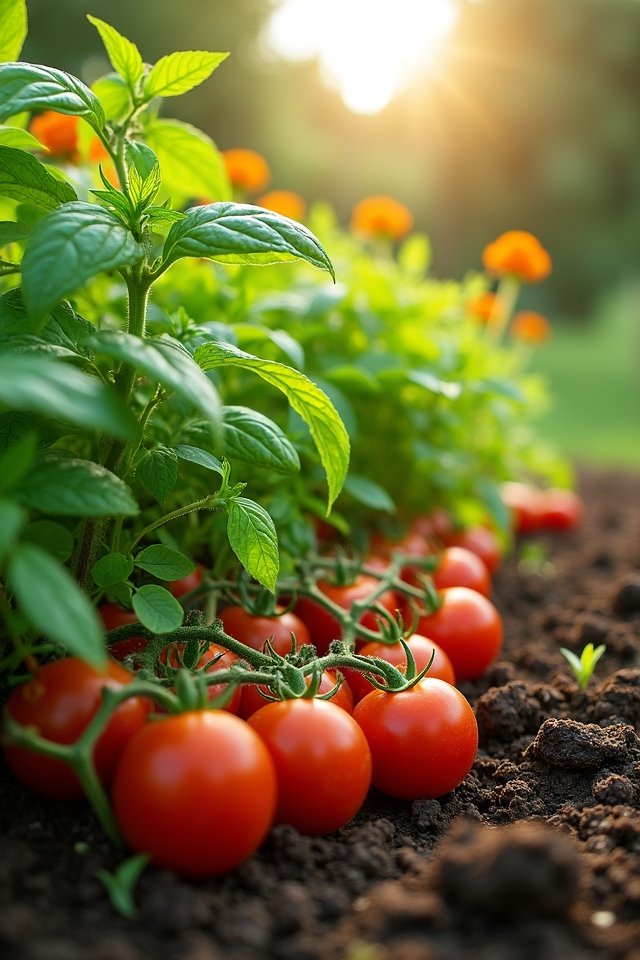
Soil health isn’t just a background player in your garden; it’s the foundation of your plant’s success! Think of your soil as a bustling city, filled with soil microorganisms working tirelessly to break down organic matter. When you practice companion planting, you boost nutrient cycling, creating a vibrant ecosystem that nourishes your plants. For instance, pairing legumes with heavy feeders like tomatoes enriches the soil, thanks to nitrogen-fixing bacteria. Isn’t that cool? Plus, diverse plant roots create channels, allowing air and water to reach deeper layers—like a rejuvenating breeze on a hot day! By fostering these relationships, you’ll enhance soil health and watch your garden flourish. Who knew healthy soil could be this exciting? Let’s dig deep and get growing!
Maximizing Space and Yield
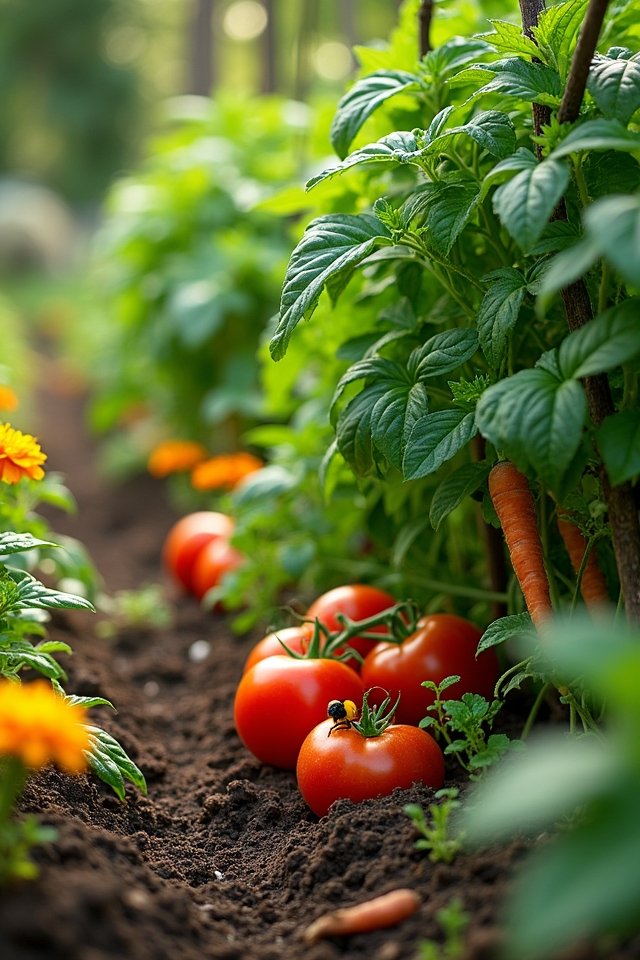
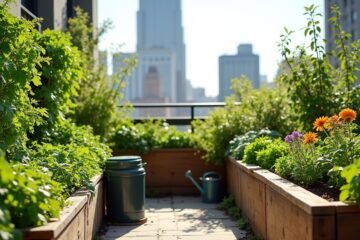
While you might think gardening is all about having a big patch of land, maximizing space and yield can turn even the tiniest balcony into a thriving oasis! Vertical gardening is your secret weapon—think of it as a skyscraper for plants. By stacking your veggies like a delicious, edible pyramid, you’ll save space and create a stunning visual. And don’t forget about crop rotation! As you switch things up each season, you’re not just keeping your garden fresh and lively; you’re also boosting soil health and keeping pests at bay. Imagine harvesting vibrant tomatoes alongside fragrant basil, all while enjoying the view of your leafy paradise. Who knew small spaces could pack such a punch? Let’s get growing!
Frequently Asked Questions
Can Companion Planting Be Used in Container Gardens?
Absolutely, companion planting shines in container gardens! Imagine your pots bursting with vibrant life! You can mix herb combinations like basil and parsley, creating a flavor explosion while warding off pests. The container benefits are fantastic—you get optimized space, better drainage, and a mini ecosystem! Plus, who wouldn’t love the delightful aroma wafting from your balcony? So, go ahead and experiment! Your container garden will thank you with lush, happy plants!
How Do I Know if Plants Are Compatible?
To know if your plants are compatible, look at their characteristics and growth habits! For instance, tall sunflowers offer shade while low-growing herbs love the sunlight. It’s like finding the perfect dance partners! Consider their water and nutrient needs too; pairing a thirsty plant with a drought-tolerant buddy could spell disaster. Keep an eye out for pest deterrence, too! With the right combos, your garden will thrive like a well-rehearsed orchestra!
Are There Any Plants That Should Never Be Combined?
Ah, the age-old question of plant matchmaking! You’ve gotta watch out for incompatible plants like onions and peas—they’re like oil and water! Harmful combinations can stunt growth or attract pests, leaving your garden in disarray. Consider avoiding mint near cabbage, as mint’s vigorous nature can overpower delicate neighbors. Remember, your garden’s a dance floor, and you want the right partners to create harmony, not chaos! Who wants a garden drama, right?
How Can I Track the Success of Companion Planting?
You can track the success of companion planting by using success metrics like growth observation and yield comparison. Keep a garden journal—it’s like your plant’s diary! Snap photos and jot down notes about each plant’s progress. Did your tomatoes thrive next to basil? If they did, celebrate! If not, it’s a learning moment. Remember, gardening’s an adventure, and every plant tells a story—just like your favorite book series! Happy planting!
Does Companion Planting Require Specific Gardening Techniques?
Companion planting’s like a dance party for your garden! You don’t need any fancy techniques, but mixing gardening methods can amp up your success. For instance, pairing tomatoes with basil can boost flavor and repel pests! Just imagine vibrant green leaves swaying in the breeze! You’ll enjoy watching how these partnerships flourish. So, grab your trowel and experiment with combinations—who knows, you might create the ultimate garden duo! Isn’t that exciting?