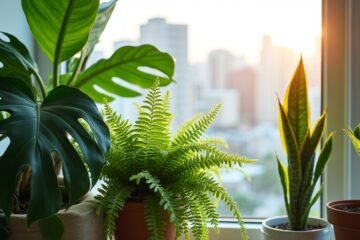
Choosing the right container soil is like picking the perfect recipe for your favorite dish! Start with a fluffy mix of potting soil, peat moss, and perlite to help your plants breathe and thrive. Don’t forget about drainage; adding perlite keeps roots from getting soggy. Aim for nutrient-rich ingredients, like compost or worm castings, to give your plants a buffet of goodies! Curious how to get the pH just right? Stick with me for more tips!
Understand the Basics of Container Soil

When you plunge into the world of container gardening, picking the right soil can feel a bit like searching for a needle in a haystack! But don’t worry; understanding soil composition is key! You want a mix that’s light, fluffy, and full of nutrients. Think of it as creating a cozy blanket for your plants, where they can thrive! A good blend often includes potting mix, peat moss, and perlite, which offers excellent drainage and aeration. Imagine your plants sipping water like they’re lounging by a pool! So, don’t just grab any bag—invest some time in choosing the right soil. Your plants will thank you with vibrant colors and lush growth! Ready to dig in? Let’s get growing!
Choose the Right Texture for Your Plants

Choosing the right texture for your plants can make all the difference in their happiness and growth! The texture affects soil particle size, which plays a vital role in root development. How do you guarantee your plants thrive? Here are three key points to take into account:
- Fine Texture: Perfect for plants needing moisture, like ferns. The small particles hold water beautifully!
- Medium Texture: Great for most plants, offering a balanced mix of drainage and moisture retention. Think tomatoes and herbs!
- Coarse Texture: Ideal for succulents and cacti, as it promotes airflow and prevents root rot. They’ll love you for it!
Consider Drainage Properties

Just because a plant looks fabulous doesn’t mean it thrives in any soil! You must consider drainage properties to keep your green friends happy. Using the right drainage materials, like perlite or vermiculite, helps prevent soggy roots. Think of it as giving your plants a cozy, breathable bed!
Don’t forget about container size either—too small, and water won’t drain properly; too large, and your plant might drown in its own excess. It’s like Goldilocks and the three bowls of porridge—find that “just right” balance!
Look for Nutrient-Rich Ingredients

Healthy soil is like a delicious buffet for your plants! You want to fill their plates with nutrient-rich ingredients that’ll keep them thriving. Look for these fantastic nutrient sources and soil amendments when selecting your container soil:
- Compost: It’s like the secret sauce! Packed with microorganisms, it transforms into a nutrient powerhouse, enhancing soil health.
- Worm Castings: Think of these as tiny plant superheroes! They’re rich in nutrients and help improve soil structure.
- Bone Meal: This is your plants’ calcium and phosphorus boost! It promotes strong root development and flowering.
Avoid Heavy and Compacted Soils
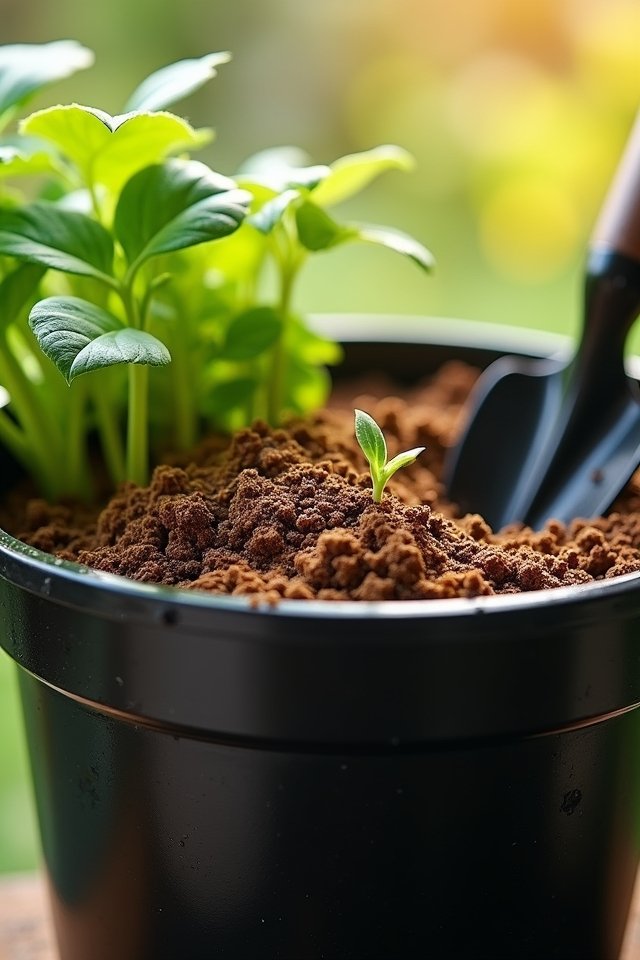
When you’re picking container soil, steer clear of heavy and compacted options that can weigh down your plants and suffocate their roots. Imagine trying to breathe in a crowded elevator—that’s what your plants feel! Instead, focus on lightweight mixes that promote soil aeration techniques, allowing roots to stretch and explore. Aeration is like giving your plants a spa day, helping them thrive with ample oxygen and moisture! Plus, lighter soils enhance container gardening benefits by improving drainage and preventing waterlogging. Think of using a blend of coconut coir, perlite, and compost for a fluffy, breathable mix. Your plants will dance in delight, and you’ll be the proud parent of a vibrant, flourishing garden! Isn’t that what we all want?
Assess Ph Levels for Optimal Growth

To guarantee your plants flourish in their cozy containers, it’s essential to assess pH levels like a garden detective on a mission! Understanding pH can feel like deciphering a secret code, but don’t worry—it’s easier than it sounds. Start with these three simple steps:
- Conduct pH testing using a reliable kit or meter.
- Analyze the results—most plants thrive in a pH range of 6.0 to 7.0.
- Add soil amendments as needed, like lime to raise pH or sulfur to lower it.
With the right pH, your plants will be happier than a bee in a blooming garden! So get your tools ready and plunge into this exciting journey of plant care!
Explore Organic and Eco-Friendly Options

After perfecting your pH levels, it’s time to think about the soil itself! Explore organic and eco-friendly options that’ll make your plants sing with joy. Using compost is a game changer—its benefits are immense! Think of it as a nutrient-rich superfood for your plants. Not only does it enhance soil structure, but it also promotes healthy microbial life. Plus, by focusing on sustainable sourcing, you’re helping Mother Earth breathe a little easier. Look for local suppliers of organic potting mixes, and consider making your compost at home. It’s a fun project that gives back tenfold! With these choices, you’ll create a thriving green space that’s both innovative and kind to our planet. Happy gardening!
Frequently Asked Questions
Can I Reuse Old Container Soil for New Plants?
Absolutely, you can reuse old container soil for new plants! Just think of it as a second chance for that soil to shine! First, try some soil sterilization methods like baking it or boiling water to zap any pesky pests. Then, enhance it with container soil amendments like compost or perlite. It’s like giving your soil a spa treatment! Your plants will thank you for the nutritious upgrade—who wouldn’t want a cozy home like that?
How Often Should I Replace Container Soil?
Ah, the delicate dance of container soil maintenance! You should replace your container soil every year or so, especially if it’s looking tired and lifeless. Think of it like giving your plants a fresh start! If you notice poor drainage or a funky smell, it’s time for a change. Just like a good meal, your plants crave fresh ingredients! Keeping them happy is a breeze, and they’ll flourish with the right soil!
What Are Signs of Poor Container Soil Quality?
If your container soil’s feeling heavy or clumpy, it’s waving a red flag! Poor soil texture can lead to drainage issues, like a clogged drain after a rainstorm. You might notice plants wilting or struggling to grow, despite your best efforts. If it smells sour, it’s definitely time for a change! Trust your instincts; healthy soil should feel light and crumbly, not like a dense brick. Keep your plants happy and thriving!
Should I Mix Different Soils for Containers?
Absolutely, you should mix different soil types! Think of it as creating a unique recipe for your plants. Mixing techniques like combining potting soil with compost can supercharge your container gardens. Want your flowers to bloom like fireworks? Try adding a bit of perlite for drainage! Just remember, balance is key. Too much of one type can lead to a plant party disaster! So, experiment and watch your greens thrive! Exciting, right?
Can I Make My Own Container Soil at Home?
Absolutely, you can whip up your own homemade soil! It’s like baking a cake, but with soil amendments instead of sugar! Mix equal parts compost, peat moss, and perlite for a fluffy, well-draining blend. Want to get fancy? Toss in some vermiculite for moisture retention! Just imagine your plants thriving in this nutrient-rich concoction, reaching for the sky! So roll up your sleeves, and let your creativity bloom in a pot!