For a thriving raised bed garden in 2023, you’ll need the right soil mix! Aim for a blend of 40% topsoil, 30% compost, and 30% aeration materials—think of it as a recipe for success! This ideal mix gives your plants a cozy, breathable home, preventing waterlogging. Go organic if you can; your veggies will thank you! Interested in more tips on boosting soil health and plant growth? There’s plenty more to explore!
Understanding Soil Components for Raised Beds
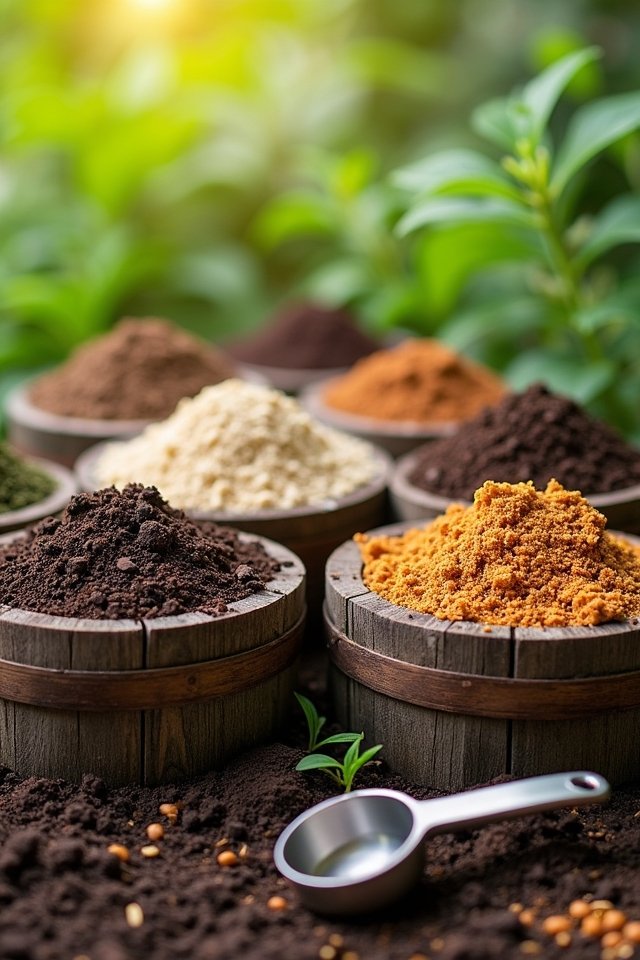
When you plunge into raised bed gardening, understanding the soil components is like opening a treasure chest of gardening success! Picture soil texture as the fabric of your garden’s life. A mix of sandy, loamy, and clay soils creates a rich tapestry—each type plays its part! You want good drainage capacity, right? Too much water is like a bad date; it just doesn’t work! Aim for a blend that allows water to flow without drowning your precious roots. Think of it as a cozy, breathable blanket for your plants. Remember, the right soil texture keeps your veggies happy and thriving—like a sunbeam on a warm day! So get digging, and reveal the potential waiting beneath your feet!
The Ideal Soil Mix Ratios
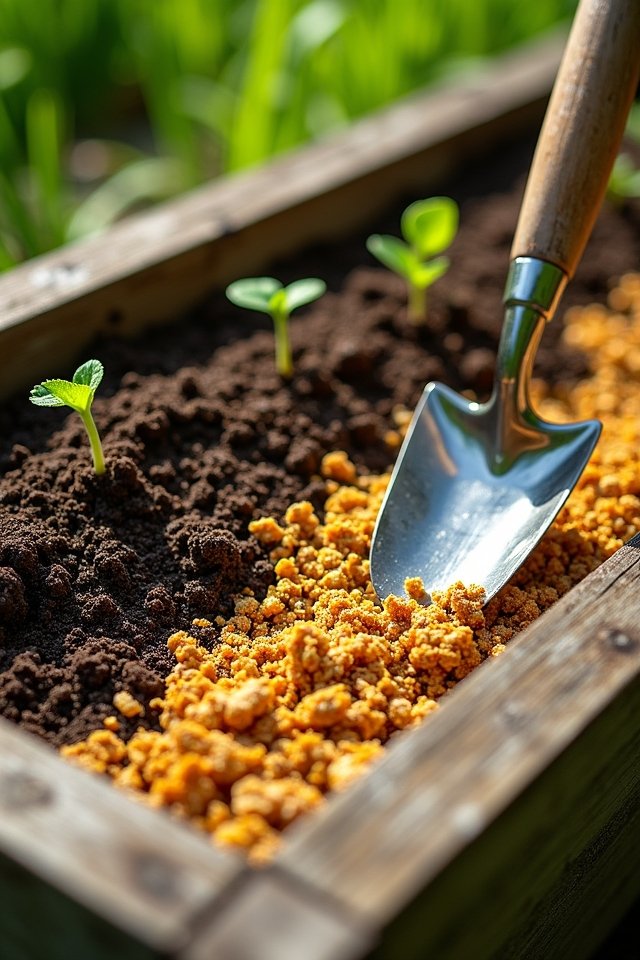
Now that you’ve got a grip on soil components, let’s talk about the magic of mixing those ingredients! The ideal soil mix ratio for your raised bed is a delightful blend of 40% topsoil, 30% compost, and 30% aeration material, like perlite or vermiculite. This combo guarantees your plants enjoy ideal drainage while still holding onto moisture like a trusty sponge! Imagine your veggies basking in a nutrient-rich haven, thriving and growing strong. Want to spice it up? Add a dash of worm castings for an extra boost! Keep in mind, each garden is unique, so don’t hesitate to tweak these ratios to meet your plants’ specific needs. Ready to dig in and watch magic happen? Let’s go!
Organic vs. Synthetic Soil Mixes
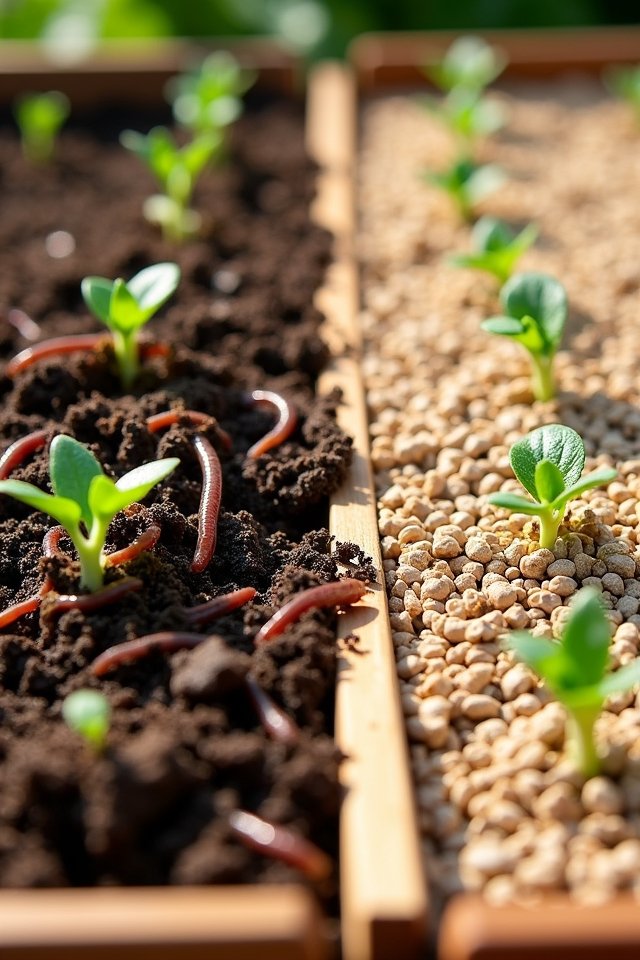
While you might think all soil mixes are created equal, the truth is that choosing between organic and synthetic options can feel like picking between chocolate and vanilla ice cream—both delicious, but each with its own flavor! Organic benefits are hard to resist; think nutrient-rich compost and natural materials that feed your plants and soil. They promote biodiversity, creating a lively ecosystem right in your backyard! On the flip side, synthetic drawbacks can include potential chemical residues and lower soil health over time. You wouldn’t want your veggies tasting like a chemistry experiment, right? So, when you’re planning your raised bed, consider the long-term impacts of your choice. It’s a delicious decision that could make your garden thrive!
Popular Commercial Soil Mix Options

If you’re on the hunt for the perfect soil mix for your raised bed, you’re in for a treat! Today’s market is bursting with innovative options that’ll make your plants sing. Brands like FoxFarm and Miracle-Gro are at the top, each boasting unique blends tailored for different gardening needs. Taking a peek at customer reviews can be enlightening—many gardeners rave about FoxFarm’s nutrient-rich formula, while others swear by Miracle-Gro’s quick-draining texture. When you explore brand comparisons, you’ll notice the subtle nuances that can mean the difference between a thriving garden and a wilting one. So, grab your trowel and get ready to experiment with these fantastic commercial mixes—your plants will thank you!
DIY Soil Mix Recipes
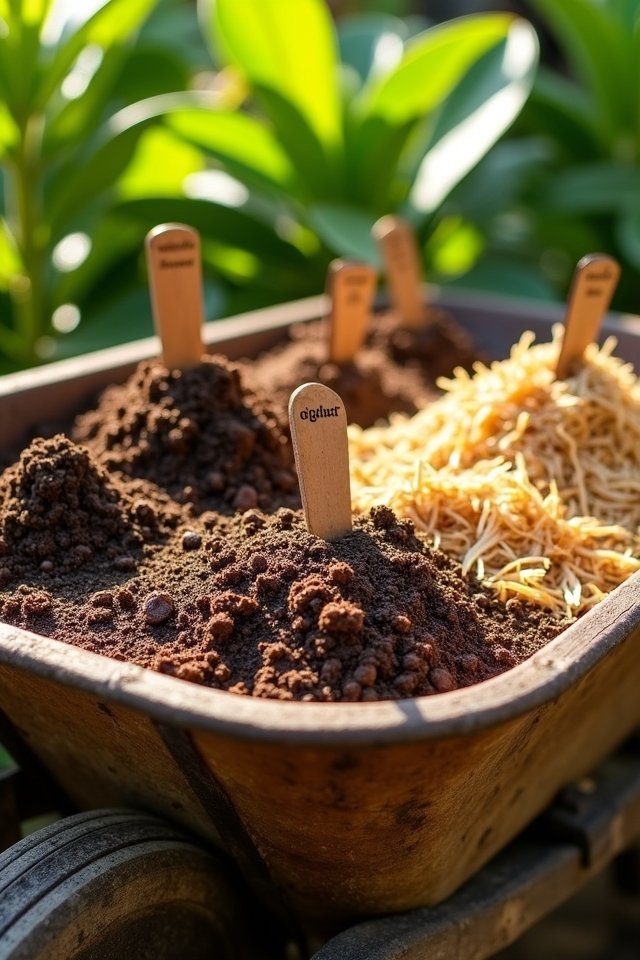
Creating your own soil mix is like crafting a secret potion for your garden, and the best part? You control every ingredient! Start with a foundation of homemade compost—it’s like giving your plants a gourmet meal. Mix in equal parts of peat moss and vermiculite for excellent aeration and moisture retention. This combo acts like a sponge, soaking up water and nutrients. Want to up the ante? Add some aged manure for that extra nutrient boost. Imagine your plants thriving in a rich, flavorful environment! You’ll be amazed at how vibrant and healthy they become. So, roll up your sleeves and mix it up! Your garden deserves the best, and you’re just the wizard for the job!
Benefits of Adding Amendments
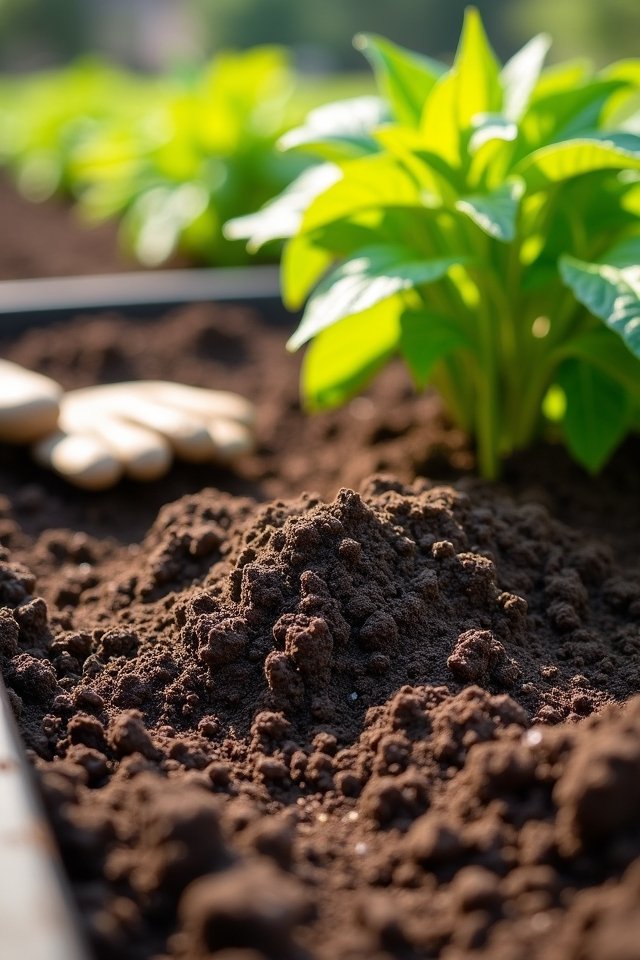
When you sprinkle some amendments into your soil mix, it’s like throwing a wild party for your plants! These magical additions transform your soil texture, making it fluffy and inviting. Who wouldn’t want to dig into that? By improving soil structure, amendments boost nutrient retention, ensuring your plants enjoy a feast of essential minerals. Imagine your tomatoes soaking up all that goodness, growing plump and juicy! Plus, they help with drainage, so your roots won’t drown in soggy soil. Want to see vibrant blooms or lush greens? Amendments are your secret weapon! So, go ahead and invite those earthworms and beneficial microbes to the celebration; they’ll love it just as much as your thriving garden!
Seasonal Soil Considerations
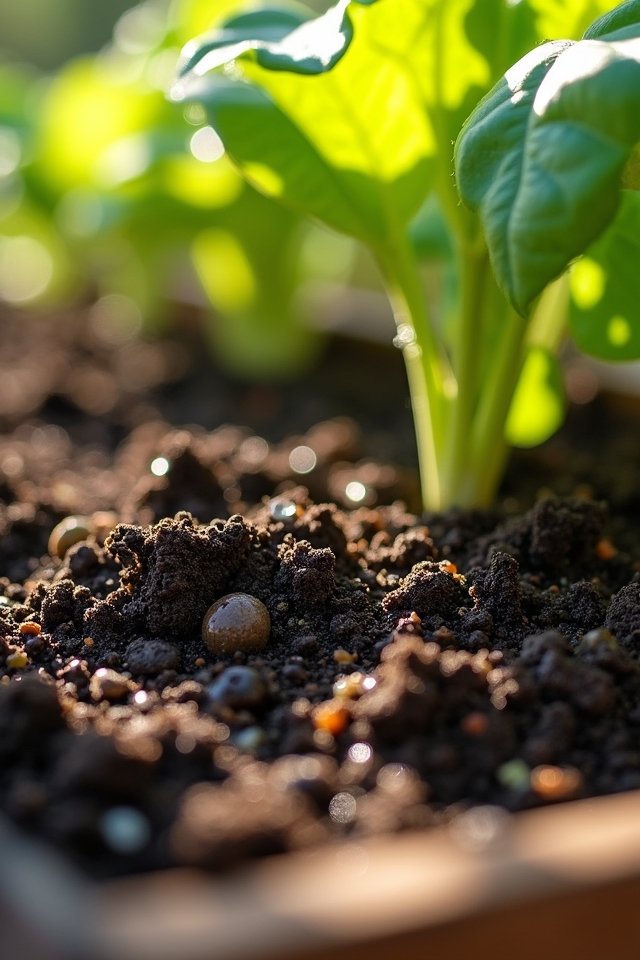
As the seasons change, so do the needs of your garden’s soil! Think of your soil as a chameleon, adapting to the seasonal crops you want to grow. In spring, it’s time to lighten up with airy mixes that promote drainage, while summer demands something rich and nutrient-dense to support those thirsty plants. Autumn’s chill brings the need for organic matter to help retain warmth, and winter? Well, that’s when you prep for the next cycle! Remember, the weather impacts soil moisture and structure, so keep an eye on rain and sun. Adjust your mix accordingly, and your garden will flourish like a vibrant tapestry! Isn’t it thrilling to watch your soil transform? Happy gardening!
Testing Soil Ph and Nutrients

Before you dive headfirst into planting, it’s essential to know what’s brewing beneath the surface of your raised bed! Think of soil testing as a cozy chat with your dirt—getting to know its pH levels and nutrient strengths. Grab a simple test kit, and in just minutes, you’ll discover what your soil needs. A well-conducted nutrient analysis reveals if your soil craves nitrogen or potassium, like a hungry plant begging for a feast! Imagine knowing exactly what to add, ensuring your veggies grow vibrant and delicious. Plus, understanding your soil empowers you to innovate—mixing in organic matter or adjusting pH levels to create that perfect environment. So, roll up your sleeves and start this exciting journey into your soil’s secrets!
Tips for Maintaining Soil Health
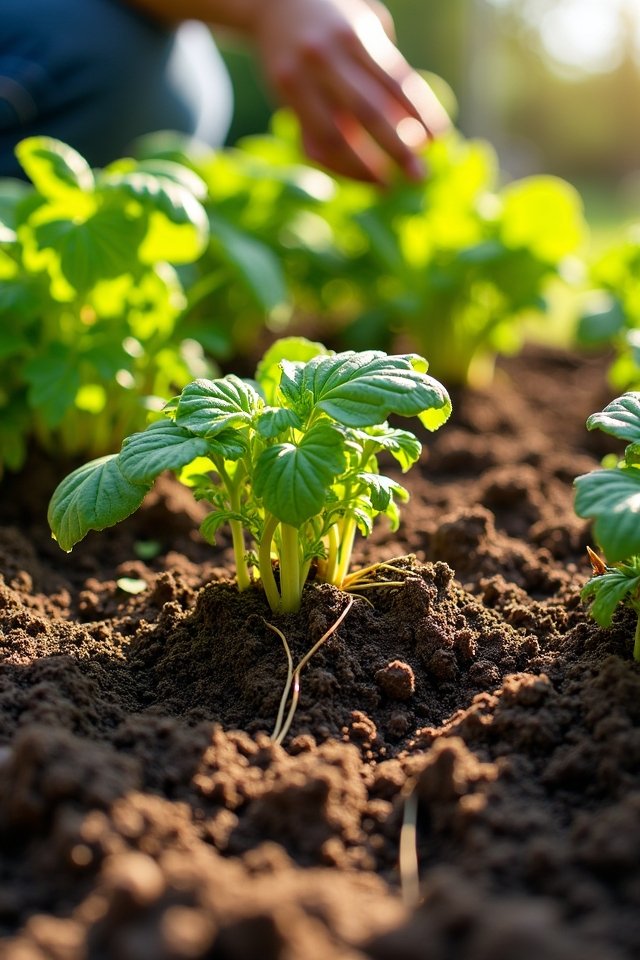
To keep your garden thriving, nurturing your soil is just as essential as watering your plants! Think of it as the heartbeat of your garden, pumping life into every seed. One innovative way to boost soil health is through crop rotation—switching up your plants each season. This keeps pests guessing and nutrients balanced. And don’t forget about composting techniques! Mixing kitchen scraps and yard waste creates a nutrient-rich potion for your soil. Picture your plants sipping on a delicious smoothie of organic goodness! Plus, adding earthworms is like inviting tiny gardeners to do the work for you. So, get ready to dig in and transform your garden into a lush paradise—your plants will thank you with vibrant colors and bountiful harvests!
Frequently Asked Questions
How Often Should I Replace the Soil in My Raised Bed?
Ah, the perpetual dance of soil replacement frequency! You’ll want to refresh the soil in your raised bed every couple of years to keep it lively and nutrient-rich. Think of it as giving your garden a much-needed spa day! A good rule of thumb is to assess it annually—if it’s looking tired and compacted, it’s time for some TLC. Remember, happy soil means happy plants. Isn’t that worth a little effort?
Can I Use Garden Soil in My Raised Bed?
You can definitely use garden soil in your raised bed, but it’s a mixed bag! Garden soil brings nutrients and beneficial microbes that plants love, like a tasty buffet. However, its weight might not be the best fit for your raised bed’s structure. Imagine trying to lift a boulder instead of a feather! For a thriving garden, mix it with lighter materials for that perfect blend of drainage and nourishment! Happy planting!
Do Different Plants Require Different Soil Mixes?
Absolutely, different plants need different soil mixes! Think of it like a wardrobe; tomatoes crave rich, nutrient-packed soil, while succulents prefer a sandy, well-draining mix. You want to guarantee plant compatibility! By adding soil amendments—like compost for nutrients or perlite for drainage—you create a perfect home for your plants. So, tailor your soil to each plant’s desires, and watch your garden flourish! Who wouldn’t want that blooming success? 🌱✨
How Do I Deal With Pests in My Raised Bed Soil?
Dealing with pests in your raised bed soil can feel like a mini battle! But don’t worry, you’ve got organic solutions on your side. Try planting marigolds to repel pesky critters or using neem oil as a powerful pest control method. You can even introduce beneficial insects like ladybugs—nature’s little warriors! Keep your garden healthy and vibrant, and those pests won’t stand a chance! Ready to reclaim your garden? Let’s go!
What’S the Best Way to Store Leftover Soil Mix?
Storing leftover soil mix is like tucking away a cozy blanket for winter! For ideal soil preservation, use airtight containers or heavy-duty trash bags. Keep them in a cool, dry spot, away from sunlight. Remember, moisture is your enemy! If you’ve got any nutrients left in there, they’ll stay fresh longer. Just imagine opening up that bag next season, and it’s still bursting with potential! Isn’t that a comforting thought?