Ready to create your own raised bed garden plans? First, find a sunny spot that gets 6-8 hours of light daily—think of it as your plants’ beach vacation! Choose sturdy materials like cedar or brick; they’re the bones of your garden. Sketch out a fun layout, maybe a quirky hexagon, and guarantee you’ve got easy access to harvest those juicy tomatoes! Once your soil’s prepped and plush, your garden’s ready to thrive. What’s next? Let’s dig a little deeper!
Choosing the Right Location for Your Raised Bed
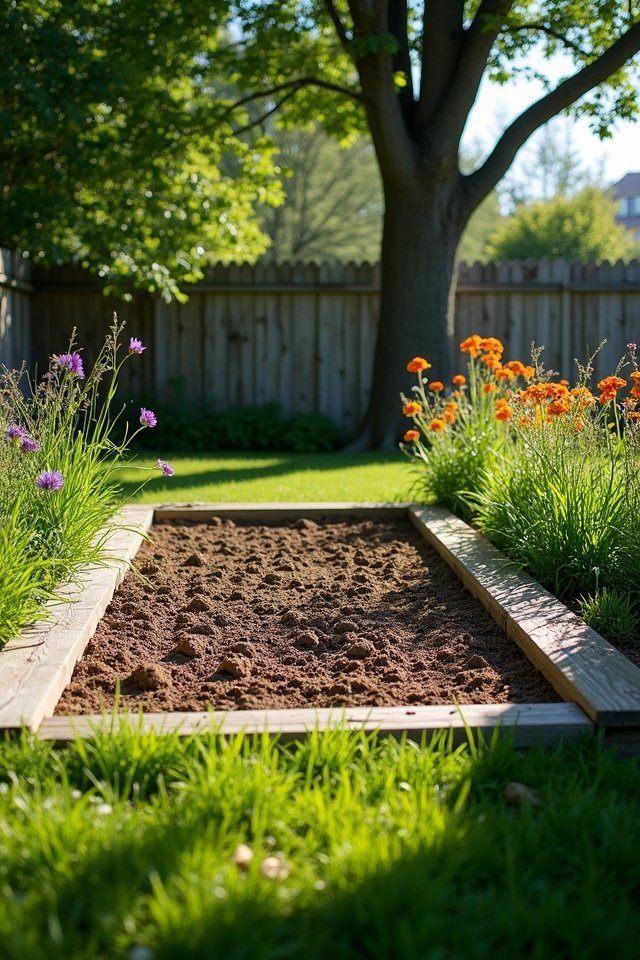
Have you ever wondered where to place your raised bed garden for the best results? Choosing the right location is essential! You need ample sunlight exposure, ideally six to eight hours daily, so your plants can thrive. Picture that glorious sun kissing your veggies! But don’t forget about drainage considerations—nobody wants soggy roots. Find a spot where water can easily flow away, like a gentle stream after the rain. Avoid low areas that resemble swamps; your plants will thank you! Consider placing your bed near your kitchen for easy access, or in a cozy nook that makes you smile every time you see it. With the right location, your garden will flourish, and you’ll feel like a botanical genius!
Selecting Materials for Your Garden Bed
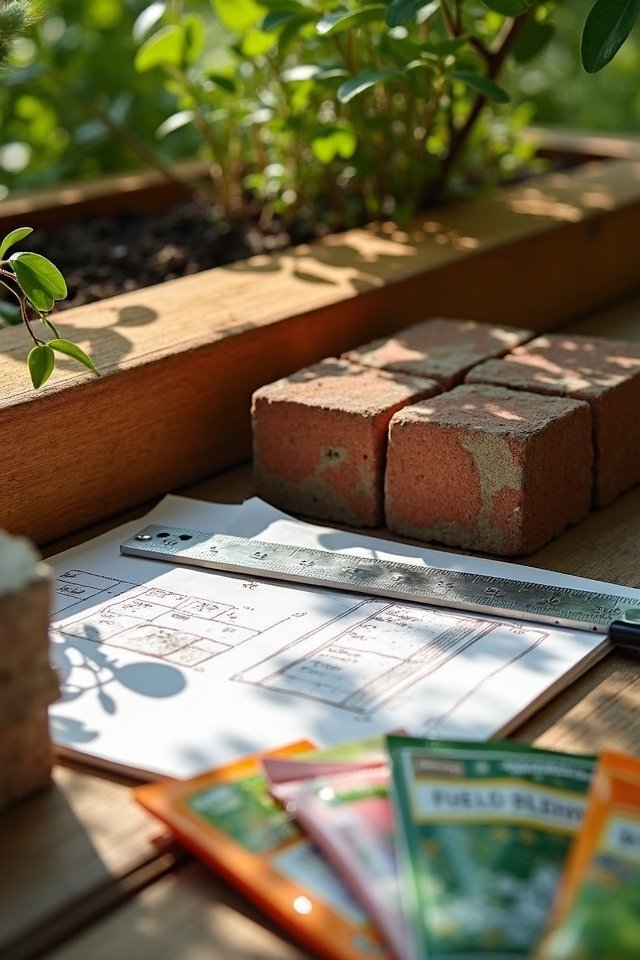
When you’re ready to plunge into selecting materials for your garden bed, think of it like crafting a cozy home for your plants! You’ve got options galore, but wood types are essential. Cedar’s natural resistance to rot makes it a fantastic choice, while pine is budget-friendly but may require more upkeep. Don’t forget about bed depth—aim for at least 12 inches to give roots room to stretch!
Picture your vibrant veggies thriving in a sturdy, inviting space. Just imagine the happiness of fresh tomatoes and lush greens! And hey, consider adding a splash of creativity with composite materials or bricks for a unique flair. Your garden bed should reflect your style while nurturing your leafy companions. Happy building!
Designing Your Raised Bed Layout
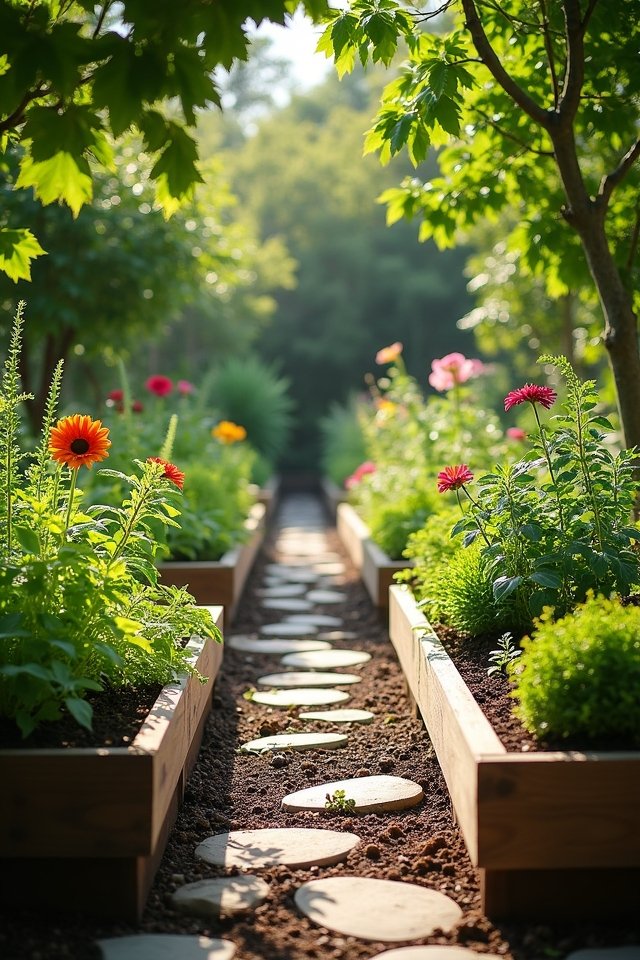
Now that you’ve chosen the perfect materials for your raised bed, it’s time to let your imagination run wild with the layout! Think about your raised bed dimensions—are you going for a classic rectangle, or perhaps a quirky hexagon? Each shape adds its own flair! Picture vibrant rows of veggies dancing in a serpentine garden bed shape, creating a playful twist to your backyard.
Consider how you’ll access your plants; pathways are essential! Maybe you’ll design a circular layout, making it easy to reach every nook and cranny. Remember, innovation is the name of the game! As you sketch your layout, envision your future harvest filling your kitchen—yum! So, grab that pencil and start dreaming!
Preparing the Soil for Planting
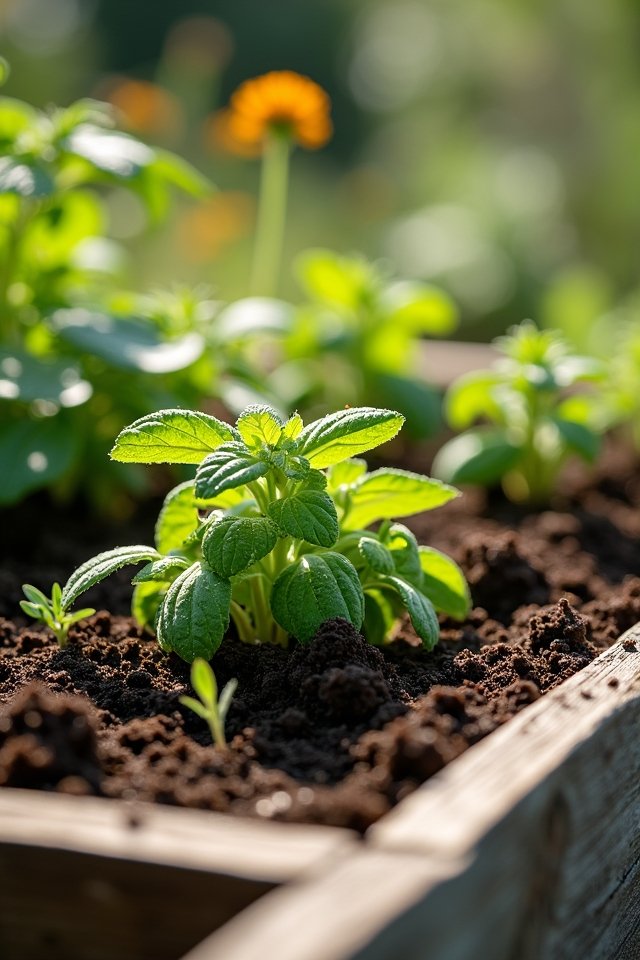
Preparing the soil for planting is like laying the foundation for a masterpiece garden! You wouldn’t build a castle on sand, right? Start with soil testing to reveal your soil’s secrets. Test for pH and nutrient levels—this’ll help you understand what your plants crave! Once you know what you’re working with, it’s time for compost application. Mix in rich, dark compost like a chef adding spices, turning your soil into a nutrient-packed haven. Picture it—a fluffy, inviting bed ready to cradle your seeds! Don’t skimp on this step; it’s where the magic begins! With the right preparation, you’re setting the stage for an innovative garden that flourishes and dazzles. Are you ready to dig in? Let’s go!
Planting and Caring for Your Garden
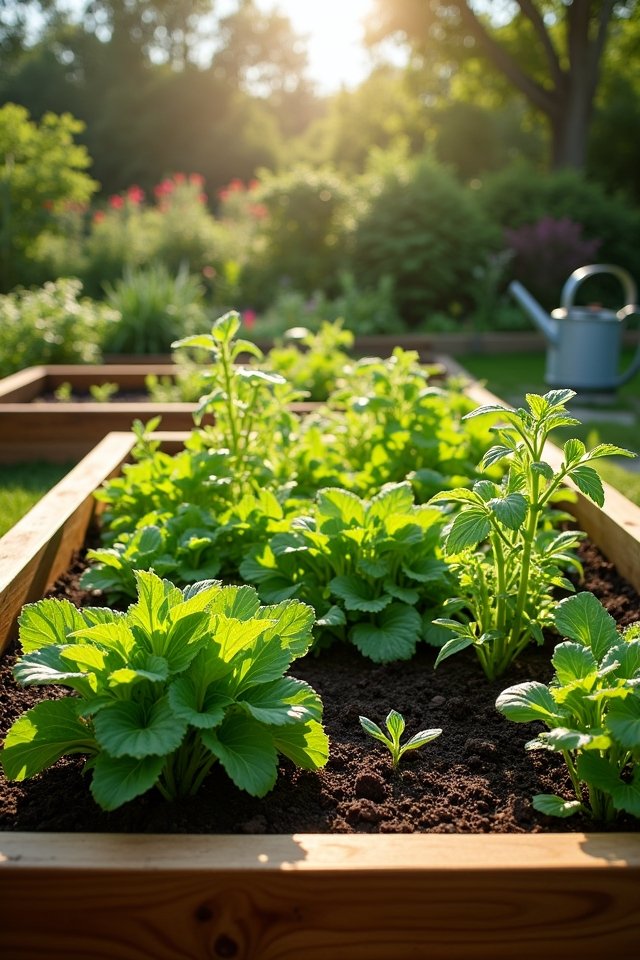
As you immerse yourself in planting and caring for your garden, think of yourself as a nurturing artist, ready to create a living masterpiece! Start with thoughtful plant selection—choose vibrant tomatoes, fragrant basil, or colorful marigolds. Each plant is a brushstroke, contributing to your garden’s beauty and productivity.
Don’t forget about pest management! Just like a superhero, you’ll protect your greens from pesky invaders. Try companion planting—basil with tomatoes, for example—to ward off unwanted guests naturally.
Seasonal Maintenance and Crop Rotation
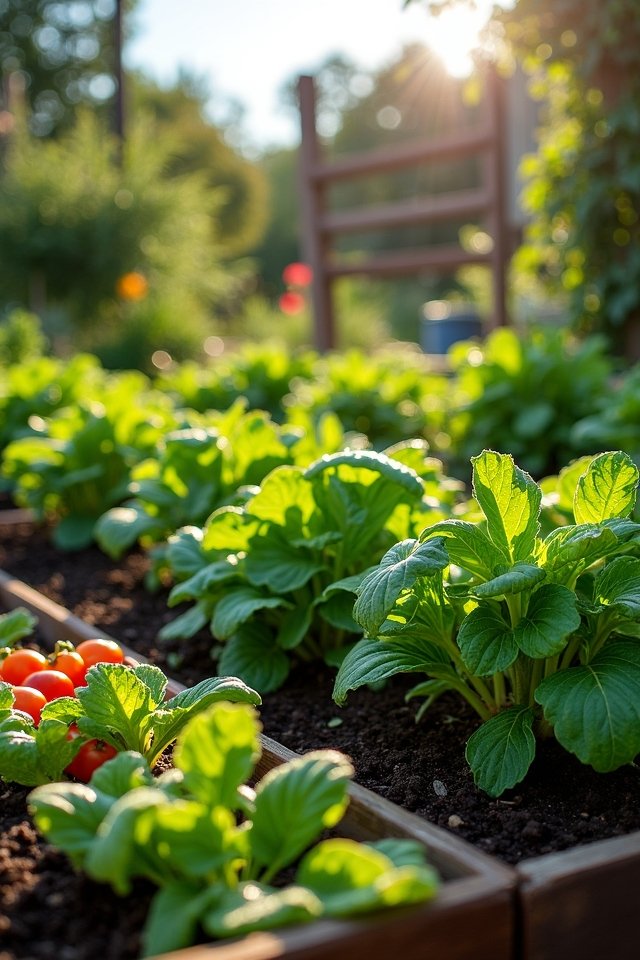
After you’ve nurtured your plants and watched them flourish, it’s time to think about seasonal maintenance and crop rotation—your garden’s secret recipe for continued success! Start by planning your crop selection like a master chef picking fresh ingredients. Rotate your crops each season to keep pests guessing and soil healthy. For example, follow leafy greens with root veggies—think spinach to carrots! This not only keeps your garden lively but also boosts nutrient content. Don’t forget to clear spent plants, adding them to your compost pile for a nutritious boost! Seasonal planting isn’t just practical; it’s a dance of colors and flavors that’ll keep your garden vibrant. So, roll up those sleeves and get ready to innovate your green space!
Frequently Asked Questions
How Much Sunlight Do Vegetables Need in a Raised Bed Garden?
How much sunlight do your veggies really need? Well, most vegetable varieties thrive in about six to eight hours of ideal sunlight daily! Just think of it as giving them a warm hug from the sun. Tomatoes and peppers love basking in light, while leafy greens can tolerate a bit less. So, position your raised bed wisely—give those plants their sun-kissed moments, and watch them flourish like stars on a summer night!
Can I Use Recycled Materials for Building My Raised Bed?
Absolutely, you can use recycled materials to build your raised bed! Think about old pallets or reclaimed wood; they’re eco-friendly and add character. Plus, you’ll score major sustainability benefits and cost savings! Just make certain they’re untreated to avoid nasty chemicals. Imagine growing fresh veggies in a creative, upcycled masterpiece—what a delightful sight! So, roll up your sleeves and let your imagination bloom! Who knew gardening could be so innovative and fun?
What Pests Should I Watch for in a Raised Bed Garden?
In your raised bed garden, keep an eye out for sneaky pests like aphids, slugs, and caterpillars! They can munch away at your precious plants if you’re not careful. But don’t worry! Beneficial insects, like ladybugs and praying mantises, are your garden’s best friends—nature’s pest control agents! Welcome these little heroes, and you’ll have a thriving garden that’s both bountiful and beautiful. Who knew gardening could be so exciting? Let’s dig in!
How Deep Should My Raised Bed Be for Root Vegetables?
When it comes to root vegetables, think deep! Ideally, your raised bed should be at least 12 to 18 inches deep. This depth allows for generous root growth, especially for carrots and potatoes, which love to stretch out. If your soil type is sandy, you might need a bit more depth to keep roots nourished. Just imagine those crunchy carrots waiting for you! So, dig deep and get ready for a delicious harvest!
Can I Plant Flowers Alongside Vegetables in the Same Raised Bed?
Absolutely, you can plant flowers alongside vegetables in your raised bed! This delightful practice, known as companion planting, offers amazing benefits. For instance, marigolds can deter pesky pests while attracting pollinators with their vibrant blooms. Imagine your veggies thriving alongside colorful petals, creating a mini paradise! Plus, the flowers can add a splash of joy to your garden. Who wouldn’t want a garden that’s both productive and pretty? Go ahead, get creative!