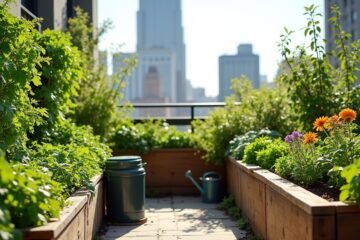
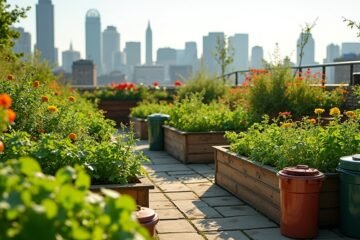
Got a small outdoor space? You can turn it into a stunning garden oasis! Start by soaking up the sun—pick a spot that gets at least six hours of daily light. Use nifty materials like sturdy cedar or stylish metal for your raised beds. Fill them with rich compost for nutrient-packed goodness, then plant vibrant herbs or compact veggies. With clever watering tricks, your tiny garden can bloom with life and flavor. Keep going to uncover more secret tips!
Choosing the Right Location for Your Raised Bed
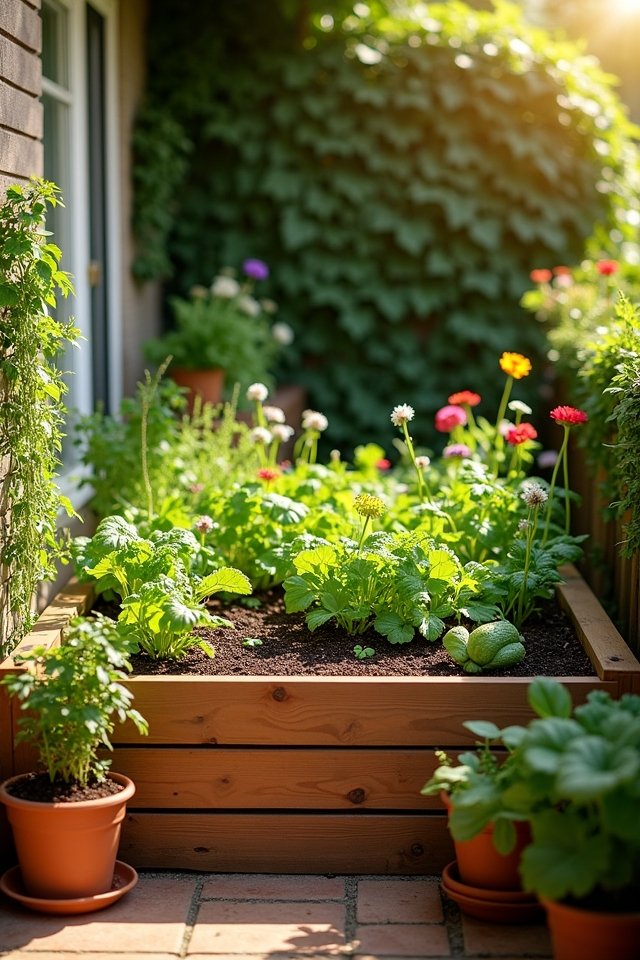
Have you ever wondered where the best spot for your raised bed might be? Picture a sun-drenched corner of your yard, where sunlight exposure dances on your greens! You’ll want a location that bathes your plants in golden rays for at least six hours daily. But wait, don’t forget about proximity access—choose a spot that’s easy to reach, so you can grab fresh veggies without a trek across the yard! Imagine plucking ripe tomatoes just steps from your kitchen door, the scent of herbs wafting through the air. Avoid shady spots near tall trees; they’re like party poopers for your plants! With smart placement, you’ll create a flourishing oasis that’s not just practical but also a joy to tend!
Selecting the Best Materials for Construction
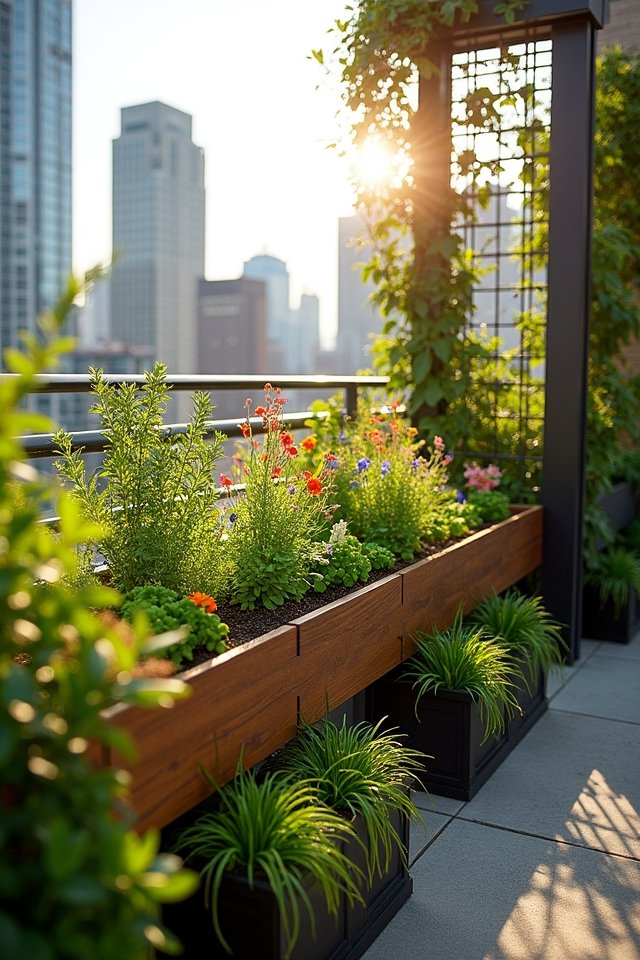
When you’re ready to build your raised bed, choosing the right materials can feel like a puzzle—one that’s just waiting for you to solve! Imagine this: sturdy wood options like cedar or redwood, known for their natural resistance to decay. They’ll cradle your plants like a warm hug! But don’t overlook metal choices, like galvanized steel, which adds a modern flair and durability. Plus, those sleek metal sides can reflect sunlight, giving your plants a sunny boost! Just remember, while wood feels cozy and inviting, metal can create a chic urban vibe. So, what fits your garden’s personality? Whichever you choose, make sure your materials are safe for your plants. Happy building! Your raised bed awaits!
Soil Preparation and Nutrient Management
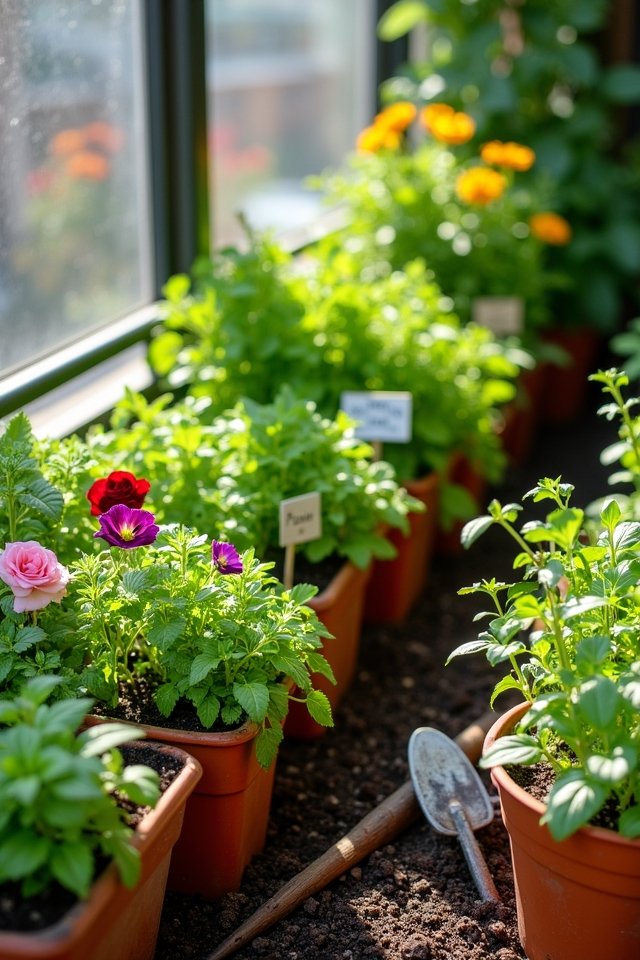
Building that perfect raised bed is just the beginning of your gardening adventure! Now, let’s immerse ourselves in soil preparation and nutrient management. First, get your hands dirty with soil testing; it’s like a health check for your garden! Knowing your soil’s pH and nutrient levels helps you make informed decisions.
Next, welcome the compost benefits! Adding rich compost transforms your soil into a nutrient powerhouse, much like a superhero cape for your plants. Picture them thriving with vibrant colors and lush growth!
Mix in some organic matter, like worm castings or leaf mold, to improve drainage and aeration, ensuring your garden flourishes. With these steps, your raised bed will be a thriving oasis. Get ready to watch your plants dance in delight!
Ideal Plant Choices for Small Raised Beds
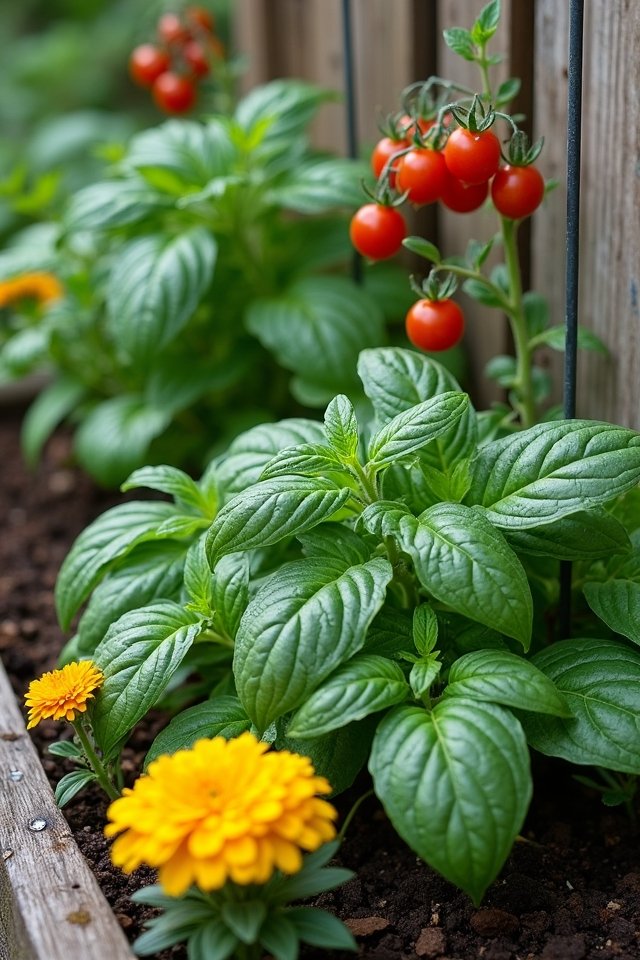
While you might think small spaces limit your gardening dreams, the truth is they can spark creativity and innovation! Imagine filling your raised bed with vibrant herb varieties like basil, cilantro, and chives. These fragrant plants not only elevate your dishes but thrive happily in cozy corners. For a splash of color and crunch, try compact vegetables like baby carrots, radishes, and dwarf tomatoes. They’re like the little stars of your garden, shining bright in tight spots! You’ll be amazed at how much joy these small wonders can bring! So, why not transform your limited space into a lush, flavorful haven? Your taste buds—and neighbors—will thank you for the delightful surprise! Happy planting!
Maximizing Vertical Space in Your Garden
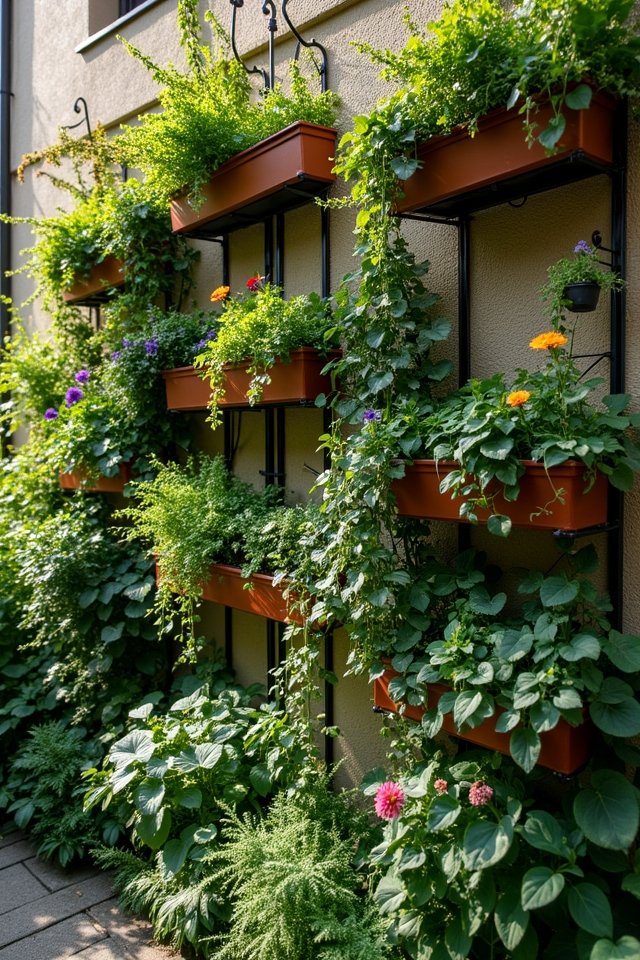
If you’re feeling a bit cramped in your garden, don’t fret! You can easily maximize vertical space to create a lush oasis. Think of vertical planters as your garden’s high-rise apartments—perfect for herbs, flowers, or even strawberries! Hang them on fences or walls to transform dull surfaces into vibrant displays.
Wall gardens are another fantastic option, turning empty spaces into living art. Imagine cascading greenery and colorful blooms climbing up your walls, enticing bees and butterflies! You could even use repurposed pallets or shoe organizers to add quirky charm. With creativity, you can harness the vertical dimension of your garden, making it feel larger and more inviting. So, why not elevate your gardening game? Your plants will thank you!
Efficient Watering Techniques for Limited Areas
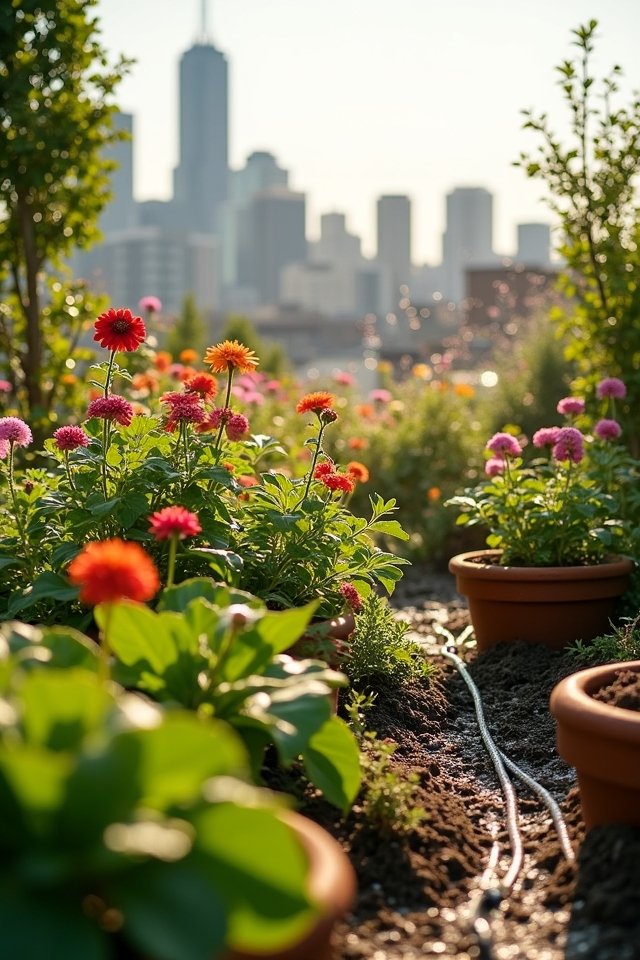
When it comes to watering in limited spaces, you’ve got to think smart! Consider installing a drip irrigation system; it’s like giving your plants a invigorating drink directly at their roots! This method minimizes water waste and promotes excellent moisture retention—your plants will thrive without drowning in excess water. You could even set up a timer for hands-free watering! Imagine waking up to lush greenery, knowing you’ve saved time and resources. Don’t forget to use mulch around your plants; it’s nature’s cozy blanket, keeping moisture locked in and reducing evaporation. Plus, who doesn’t love a garden that practically takes care of itself? So, grab that hose and let’s get innovative—your green oasis awaits!
Seasonal Maintenance and Crop Rotation Strategies
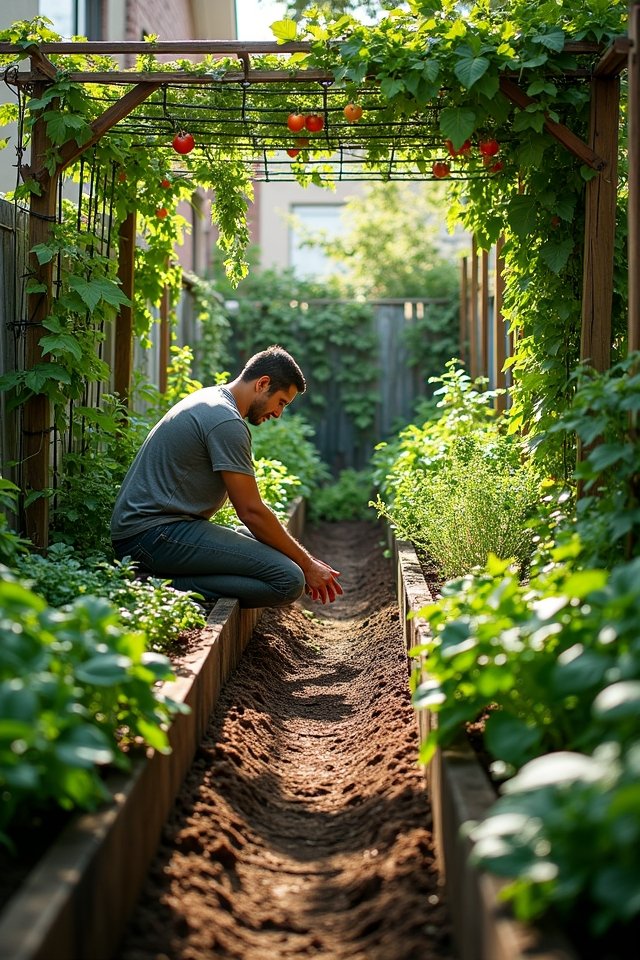
As the seasons change, your garden needs a little TLC to keep it thriving and vibrant! Welcome seasonal crops like crisp lettuce in spring or hearty squash in fall. They not only look great but also give your taste buds a treat! Stick to maintenance schedules, checking soil health and adjusting watering as needed. Think of your garden as a charming dance; every crop has its rhythm. Rotate plants to keep pests at bay—imagine a garden where tomatoes swap places with beans, giving each other a break! Don’t forget to add compost; it’s like a spa day for your plants! So, roll up your sleeves, grab your tools, and let your garden shine like the star it is!
Frequently Asked Questions
Can I Grow Vegetables in Containers Instead of Raised Beds?
Absolutely, you can grow vegetables in containers instead of raised beds! Container gardening’s a fantastic way to release your green thumb. Think of it as a portable garden party! Try vertical gardening with stacked pots or hanging planters—perfect for saving space and adding flair. Imagine juicy tomatoes cascading down, or vibrant herbs peeking out from every corner. So, grab those containers and let your creativity bloom! Who knew gardening could be this fun?
How Can I Attract Pollinators to My Small Garden?
Attracting pollinators to your small garden can be a delightful adventure! Planting pollinator-friendly flowers like vibrant sunflowers and fragrant lavender will have bees buzzing and butterflies fluttering. Don’t forget to add a little garden water source—a charming birdbath or a simple bowl of water can quench their thirst! You’ll create a buzzing paradise, and who wouldn’t love that! Why not give your garden a lively, colorful personality that nature can’t resist?
What Are the Best Companion Plants for Limited Spaces?
Imagine your garden’s a cozy coffee shop, buzzing with lively chatter! For limited spaces, you’ll love plant pairings like basil and tomatoes—they’re best buddies! They not only save space but also boost flavors! Think of interspersing marigolds with veggies to repel pests, too. By optimizing your tiny plot, you create a vibrant ecosystem that attracts bees and butterflies. So, why not give your little garden the ultimate glow-up? It’ll be a showstopper!
How Do I Prevent Pests in a Small Garden Area?
To keep pests at bay in your small garden, use natural pest deterrents like neem oil or a garlic spray! These organic pest controls are your best friends. Try mixing crushed garlic with water, let it steep overnight, and spray it generously. It’s like sending a strong army of odors to fight for your plants! Plus, introducing ladybugs can be a game-changer. Who wouldn’t want tiny, helpful insects as garden buddies? Happy gardening!
Can I Grow Herbs Indoors Successfully?
Imagine your kitchen filled with the fresh aroma of basil and mint! You can grow indoor herb varieties like basil, parsley, and chives successfully! Just remember a few herb care tips: give them plenty of sunlight, water them when the soil feels dry, and don’t forget to trim them regularly. It’s like giving your herbs a haircut! With a little love, you’ll have a flavorful indoor garden that’ll spice up your meals!