To keep your raised bed garden thriving, start by picking a sunny spot with rich, loamy soil that’s enthusiastic to welcome seeds! Set up a reliable watering schedule—think early mornings over a steaming cup of coffee! Add organic matter like compost for an extra nutrient boost and use mulch to keep pesky weeds at bay. Don’t forget to keep your tools shiny and ready, just like your gorgeous veggies! Want to discover more tips that keep your garden lush and inviting?
Choose the Right Location
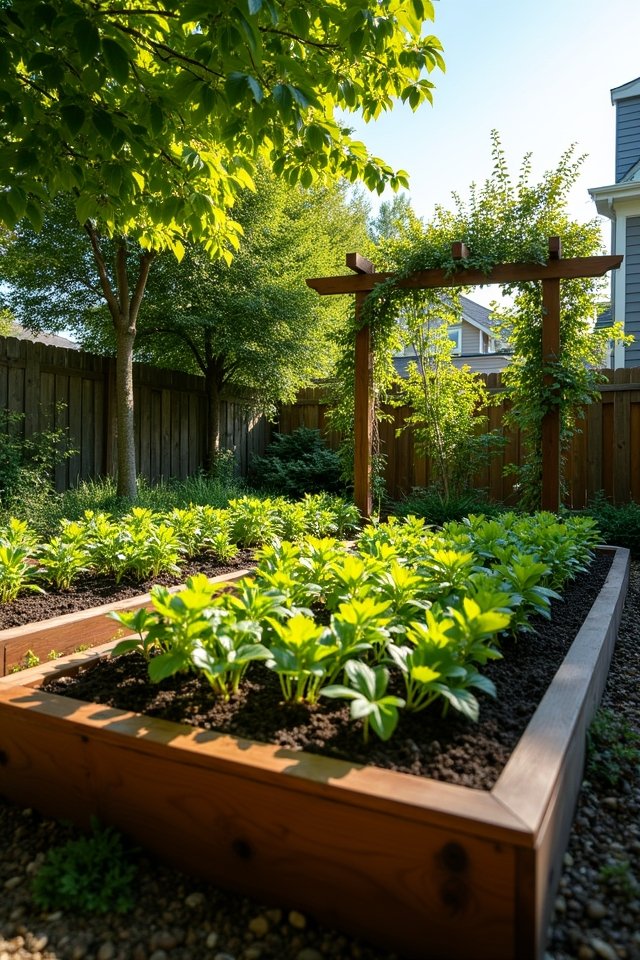
When you’re setting up your raised bed garden, it’s essential to choose the right location, as it can make or break your gardening experience! Imagine your plants basking in glorious sunlight exposure, soaking up those rays like sunbathers on a beach. Look for a spot that gets at least six to eight hours of sun each day. Beware of nearby structures, though! They can cast pesky shadows, stealing precious light from your plants. Picture those towering fences or trees as sneaky thieves, plotting to rob your veggies of their sunbathing time. You want your garden to thrive, not struggle in the shade! So, scout out that perfect sunny spot, and watch your garden flourish like a vibrant masterpiece!
Use Quality Soil
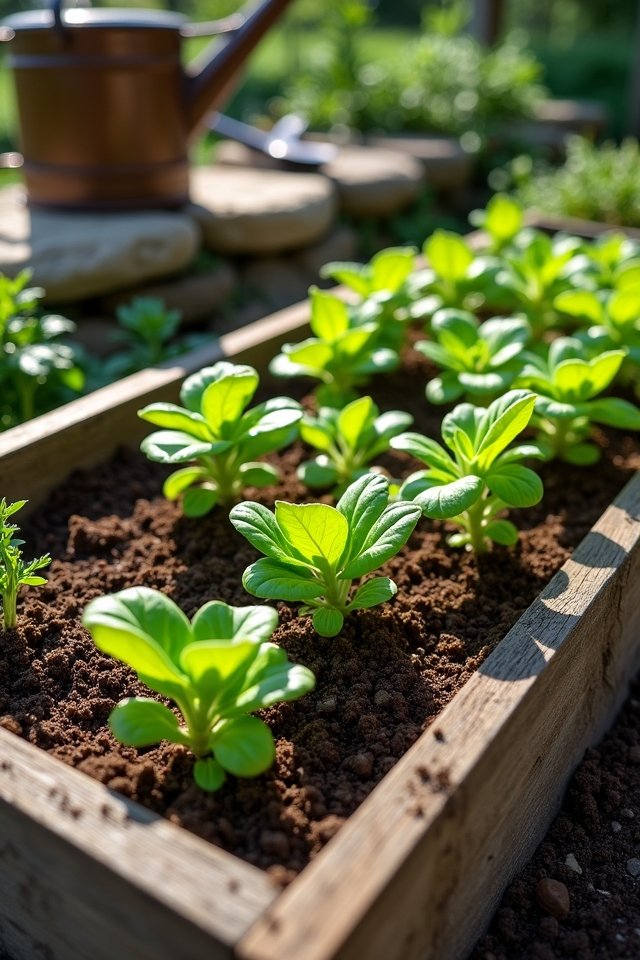
To guarantee your raised bed garden thrives, using quality soil is non-negotiable! Think of soil as the gourmet meal your plants crave—without it, they’ll be stuck with bland leftovers. A well-balanced soil composition, rich in organic matter, helps retain moisture and nutrients. You need a mix of loamy soil, compost, and maybe some perlite for that perfect fluffy texture!
Now, don’t forget about nutrient balance! Just like you wouldn’t survive on just pizza, your plants need a variety of nutrients. They thrive on nitrogen, phosphorus, and potassium, so consider adding organic fertilizers. Regularly test your soil—it’s like checking a recipe! With the right soil, you’ll be on your way to a flourishing, bountiful garden!
Implement a Watering Schedule
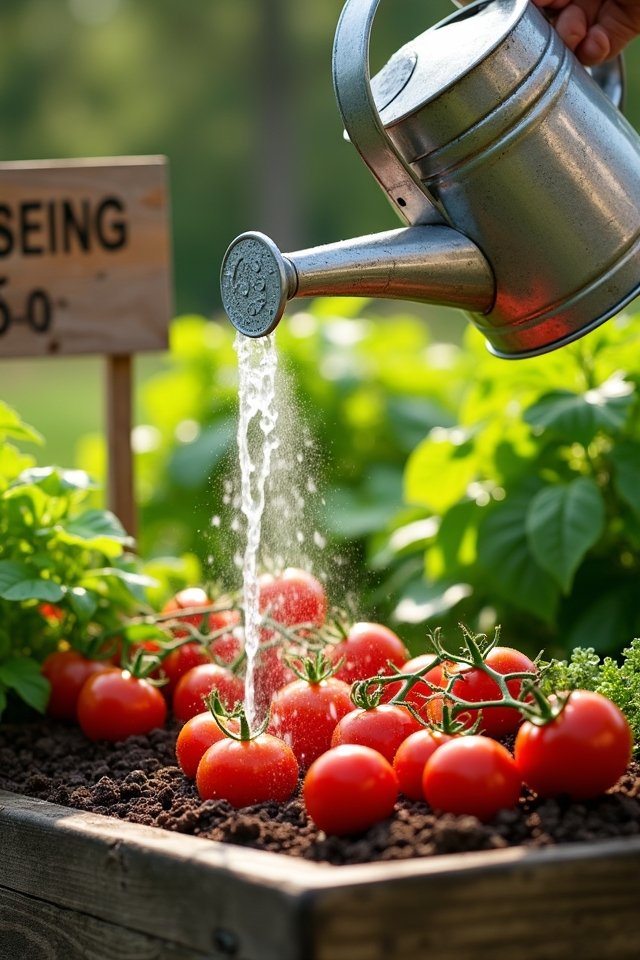
Soil is just the beginning of your raised bed gardening adventure! To keep your plants thriving, you need a solid watering schedule. Think of it as your garden’s daily spa treatment. Consider installing a drip irrigation system; it’s like giving your plants a gentle, consistent drink without drowning them. This method not only promotes moisture retention but also saves water—talk about a win-win!
Aim to water early in the morning or late in the evening when the sun’s not blazing. Remember, plants can be a bit dramatic; they don’t appreciate wilting! Check the soil regularly, and if it’s dry an inch down, it’s time for a splash. Happy watering! Your garden will thank you with lush, vibrant growth.
Practice Crop Rotation
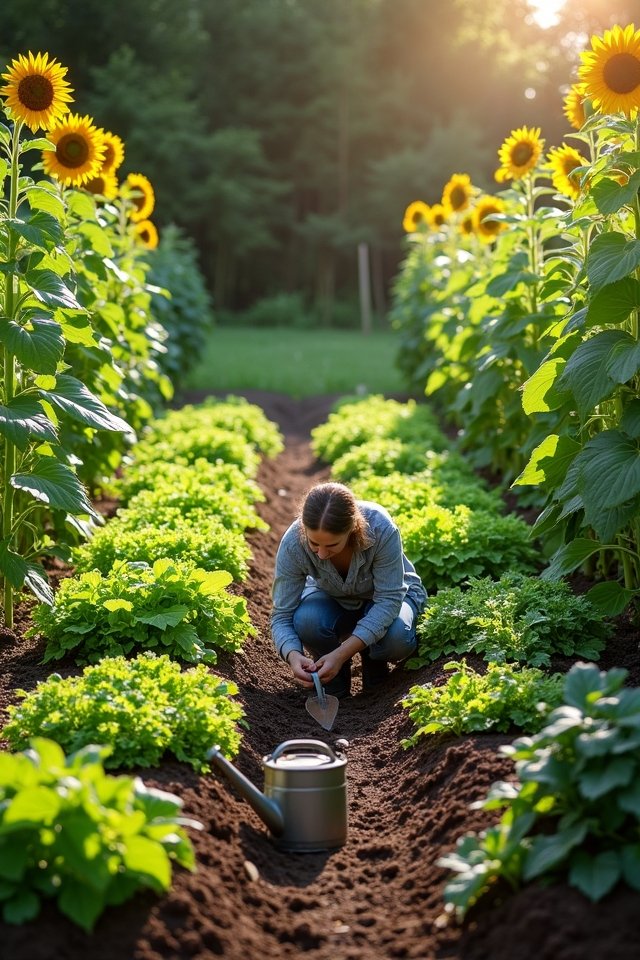
If you want to keep your garden healthy and bountiful, practicing crop rotation is the secret sauce! By changing where you plant your seasonal crops each year, you’re not just mixing it up; you’re giving your soil a boost. Think of it as a spa day for your garden!
Here’s why crop rotation rocks:
- It prevents soil depletion by alternating nutrient needs.
- You can introduce beneficial plants that repel pests.
- It creates a vibrant and diverse ecosystem, attracting pollinators!
Imagine a garden that’s alive, buzzing with enthusiastic bees and flourishing veggies! So, why not rotate those crops? Your soil will thank you, and your taste buds will rejoice! What’s not to love? Happy gardening!
Control Weeds Effectively
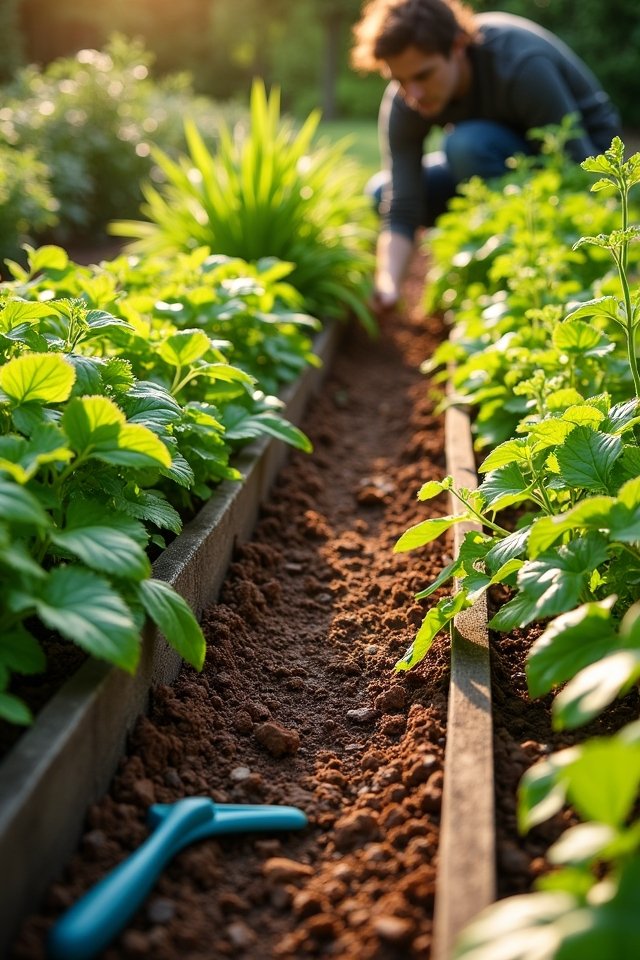
You’ve nurtured your plants with love and care, and now it’s time to tackle those pesky weeds that want to crash the party! First, consider installing weed barriers, which act like bouncers for your garden, preventing unwanted invaders. These can be as simple as landscape fabric or even cardboard. Next, get innovative with companion planting; some plants, like marigolds, naturally repel weeds and pests while boosting your garden’s beauty. Imagine a vibrant patch where your tomatoes thrive alongside cheerful flowers! Keep an eye on those sneaky weeds, pulling them as soon as they appear. Remember, a weed-free garden isn’t just a dream; it’s your reality! So gear up, and let’s keep those weeds at bay together!
Monitor for Pests and Diseases
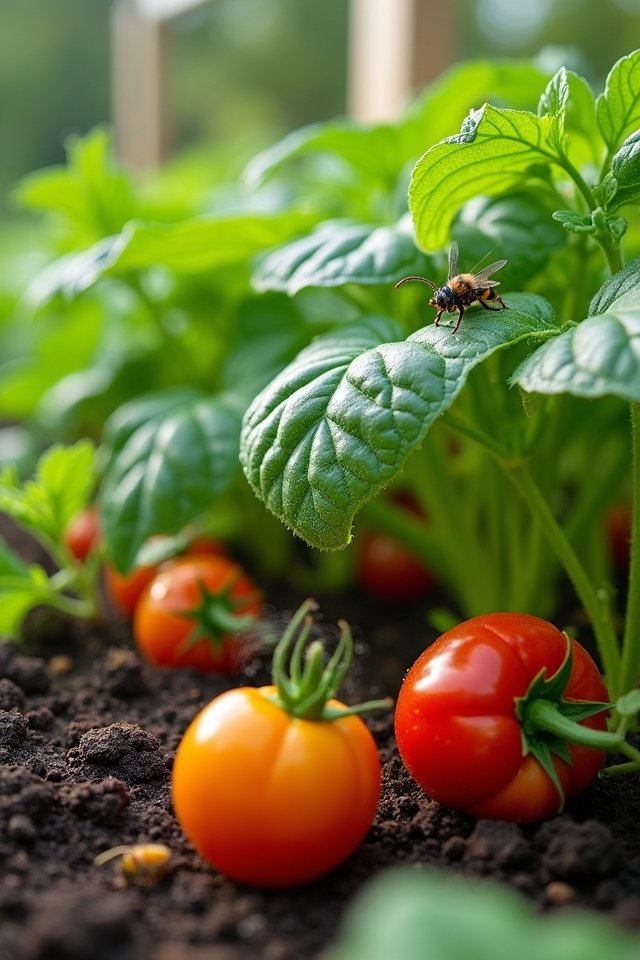
Keeping a watchful eye on your garden is like being a detective on a mission! You’ll want to catch any pests or diseases before they wreak havoc. Start by mastering pest identification; knowing your enemy is half the battle! Here’s what to look for:
- Tiny holes in leaves – A sign of munching insects!
- Wilting plants – Could be a sneaky disease lurking.
- Unusual spots or discoloration – A red flag for trouble!
Use innovative strategies, like companion planting, to enhance disease prevention. And don’t forget to regularly inspect your plants—your green oasis depends on it! Remember, a vigilant gardener is a happy gardener. So grab that magnifying glass and get to work! Your plants will thank you!
Add Organic Matter Regularly
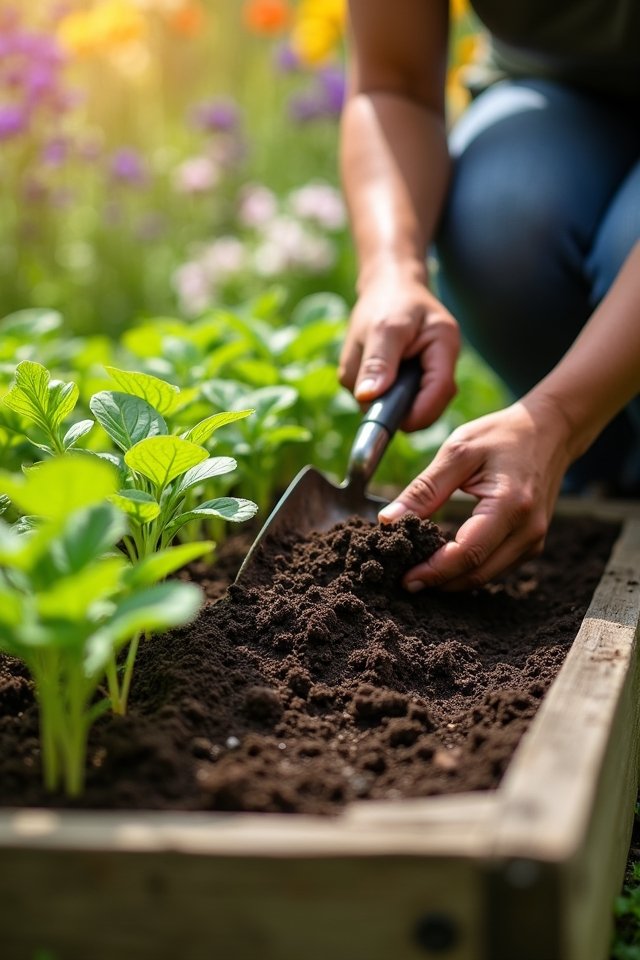
To keep your raised bed garden thriving, adding organic matter regularly is like giving your plants a hearty breakfast! Think of compost as the secret sauce to reveal amazing compost benefits. When you mix in rich, dark compost, you’re not just feeding your plants; you’re boosting soil health, too! Picture your soil becoming a vibrant ecosystem, teeming with life.
Try adding well-rotted leaves, kitchen scraps, or even aged manure to your beds. These goodies break down and release nutrients, making your plants dance with joy! Don’t forget to layer it on top or mix it in; your garden will thank you with bountiful harvests. So, why wait? Get that organic matter rolling and watch your garden flourish!
Utilize Mulching Techniques
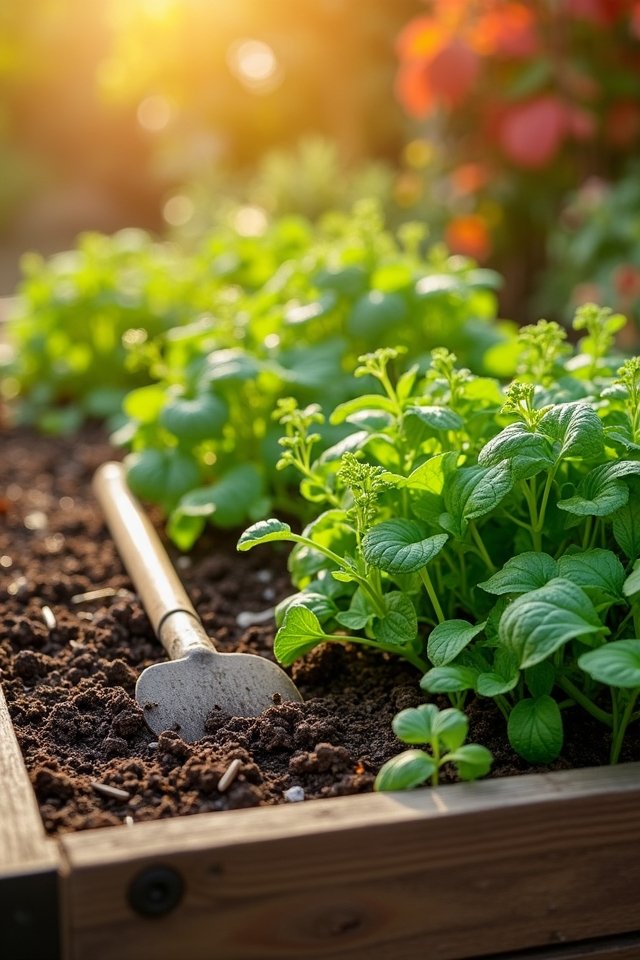
Mulching is like giving your raised bed garden a cozy blanket that not only keeps it warm but also protects it from the harsh elements! By using the right mulch types, you can enhance your garden’s beauty and health. Think about the incredible mulch benefits you’ll enjoy:
- Moisture retention: Your plants will stay hydrated longer, reducing your watering chores!
- Weed suppression: Fewer weeds mean less competition for nutrients—who doesn’t want that?
- Temperature regulation: Mulch helps keep the soil cool in summer and warm in winter, creating an ideal environment!
From straw to wood chips, experimenting with different mulch types can elevate your gardening game. So, grab that mulch and give your garden the love it deserves! Your plants will thank you!
Protect Against Extreme Weather
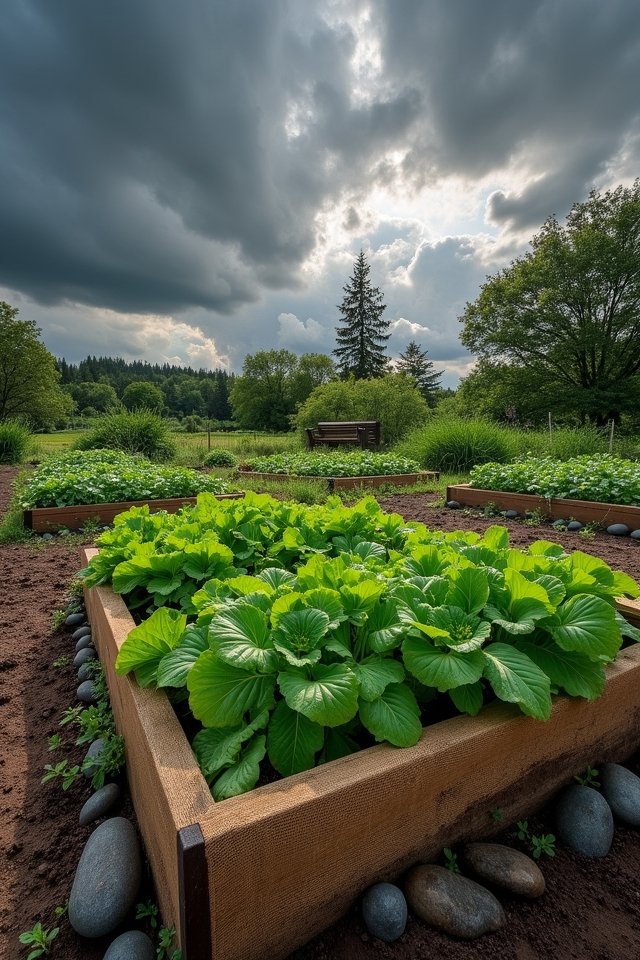
When the weather decides to throw a tantrum, your raised bed garden needs a superhero! To shield your plants from harsh sun, consider building shade structures. A simple tarp or trellis can create a cozy retreat, keeping your greens cool and happy. And don’t forget about frost protection! As temperatures dip, draping your beds with row covers or blankets can save tender seedlings from icy bites. It’s like tucking them in for the night! You might even use cloches for those extra chilly evenings—think of them as tiny greenhouses! By preparing for extremes, you’re not just protecting your plants; you’re embracing innovation and ensuring a thriving garden. Ready to be the hero? Let’s outsmart Mother Nature together!
Clean and Maintain Tools
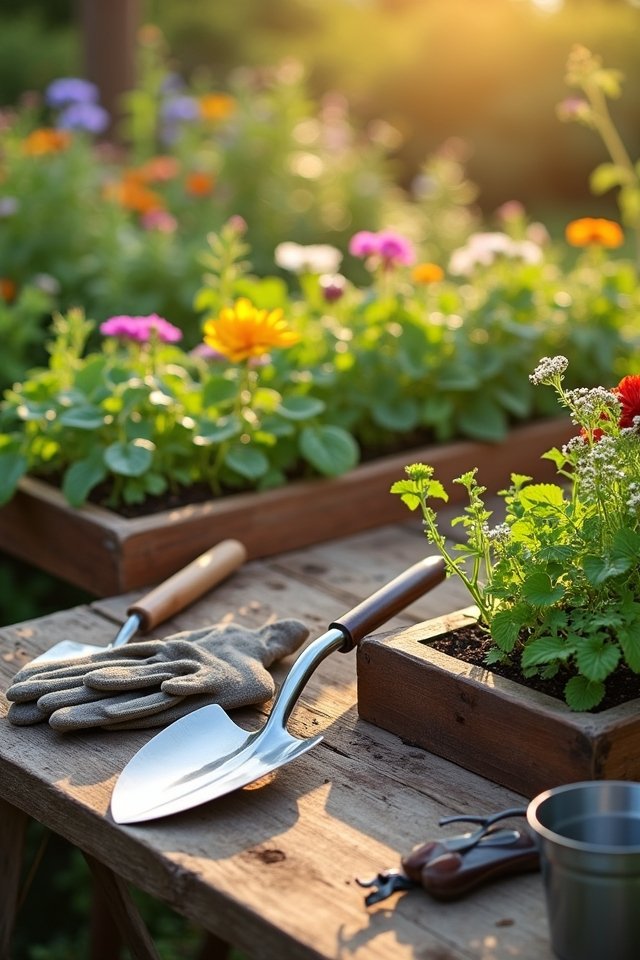
After you’ve safeguarded your plants from extreme weather, it’s time to turn your attention to the unsung heroes of your garden—the tools! Keeping them clean and sharp not only enhances your gardening experience but also guarantees your efforts bloom beautifully.
- Store your tools in a dry, organized space; a clutter-free area sparks joy!
- Sharpen blades regularly; dull tools are like trying to cut butter with a brick!
- Wipe down handles to prevent rust and keep them feeling fresh and ready to work!
When you care for your tools, they’ll return the favor, making every gardening task more enjoyable and efficient. Let’s get those tools shining and ready for action—your garden deserves it!
Frequently Asked Questions
How Often Should I Replace the Soil in My Raised Bed?
You don’t need to replace all the soil in your raised bed every year, but regular soil replenishment is key! Every season, mix in fresh compost to keep your plants happy and healthy. Think of it as a spa day for your garden! If you notice soil settling or nutrient depletion, it’s time for a refresh! Just like you need a good meal, your plants crave that nutrient-rich goodness, too! Happy gardening!
Can I Use Treated Lumber for My Raised Bed?
You might be tempted to use treated lumber for your raised bed, but hold on! Wood treatment chemicals can leach into the soil, possibly harming your plants—yikes! Instead, consider using untreated cedar or redwood, which are naturally resistant to rot. Your veggies will thrive, and you’ll have peace of mind! Plus, they smell amazing! Now, doesn’t that sound better than worrying about lumber safety? Happy gardening!
What Plants Grow Best in Small Raised Beds?
In small raised beds, you’ll thrive with compact veggies like cherry tomatoes and radishes! Pair them with herbs like basil through companion planting to maximize flavor and space efficiency. Imagine a mini garden party, where each plant supports the other! You can even sneak in some vibrant marigolds to keep pests at bay. Who knew gardening could be this fun and productive? Let your creativity bloom and watch your garden flourish!
How Do I Attract Beneficial Insects to My Garden?
To attract beneficial insects, plant pollinator plants like lavender and sunflowers, and watch your garden buzz with life! You can also create insect hotels—tiny condos for ladybugs and bees. Just imagine them lounging in your garden, sipping nectar! With colors and scents, these plants draw in helpful critters. Are you ready to turn your garden into a friendly ecosystem? Let the insects do their work while you enjoy the beauty and abundance!
Is It Better to Plant Seeds or Seedlings in Raised Beds?
When it comes to planting in raised beds, both seeds and seedlings have their perks! If you’re keen for instant gratification, seedlings are like fast-track tickets to your garden party—they’re ready to go! But planting seeds lets you witness the magic of seed germination, which is a delightful process! Just remember, seedling care is vital if you choose that route. So, what’s your garden vibe? Instant blooms or the thrill of growth?