To keep your raised beds thriving, start with regular soil testing—it’s like a health check for your plants! Next, water consistently; think of drip irrigation as your plants’ personal butler, serving just the right amount of hydration. Don’t forget effective weed control, which is essential—mulching with straw is a game-changer! Rotate your crops seasonally for richer soil and consider winter prep with cozy blankets of mulch. Want to learn some crafty pest management tricks? They’re just a bit further ahead!
Regular Soil Testing

When you think about your raised beds, you might picture vibrant veggies and flourishing flowers, but have you ever considered what’s happening beneath the surface? Regular soil testing is your secret weapon for ideal soil health! It’s like giving your garden a check-up. By testing your soil, you can discover the nutrient balance it needs. Maybe your tomatoes crave a bit more nitrogen or your carrots need extra potassium? Knowing this helps you tailor your amendments, ensuring your crops thrive! Plus, it’s pretty simple. Just grab a soil test kit, follow the instructions, and watch your garden transform! After all, a happy garden starts with healthy soil. So, roll up your sleeves and dig deep—your plants will thank you!
Consistent Watering Practices
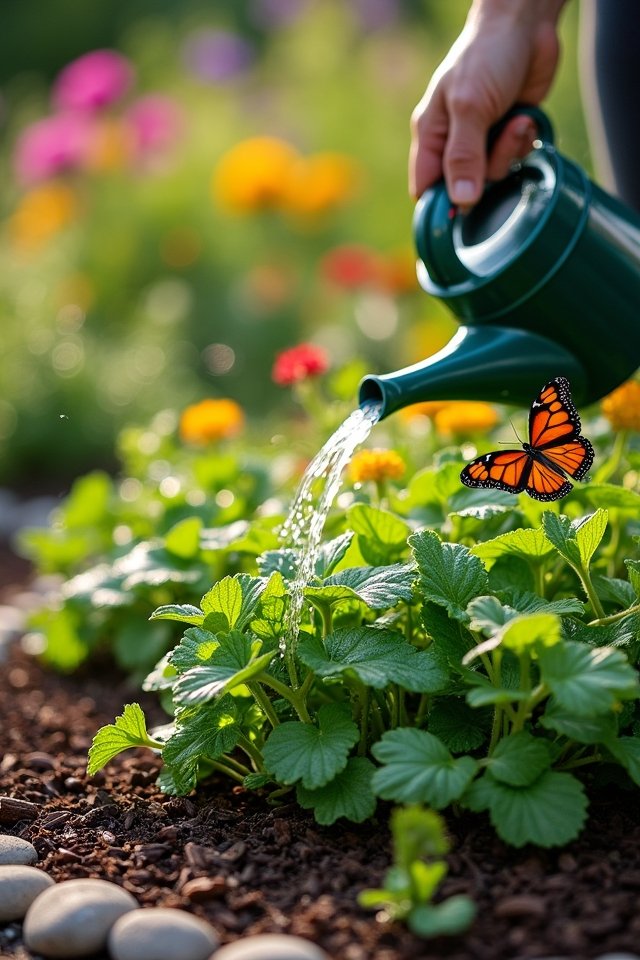
While it might seem like a simple task, consistent watering practices are the lifeblood of your raised beds! Think of your plants as thirsty little divas, demanding just the right amount of moisture. Enter drip irrigation! This nifty system delivers water directly to the roots, ensuring each plant gets its fair share without a soggy mess. Combine that with moisture sensors, and you’ll have a high-tech watering assistant! These gadgets tell you when your plants need a drink, so you won’t drown them or leave them parched. Imagine a lush garden that thrives effortlessly, all thanks to your savvy watering routine! So, gear up and adopt innovation—your plants will thank you with vibrant growth and bountiful harvests!
Effective Weed Control
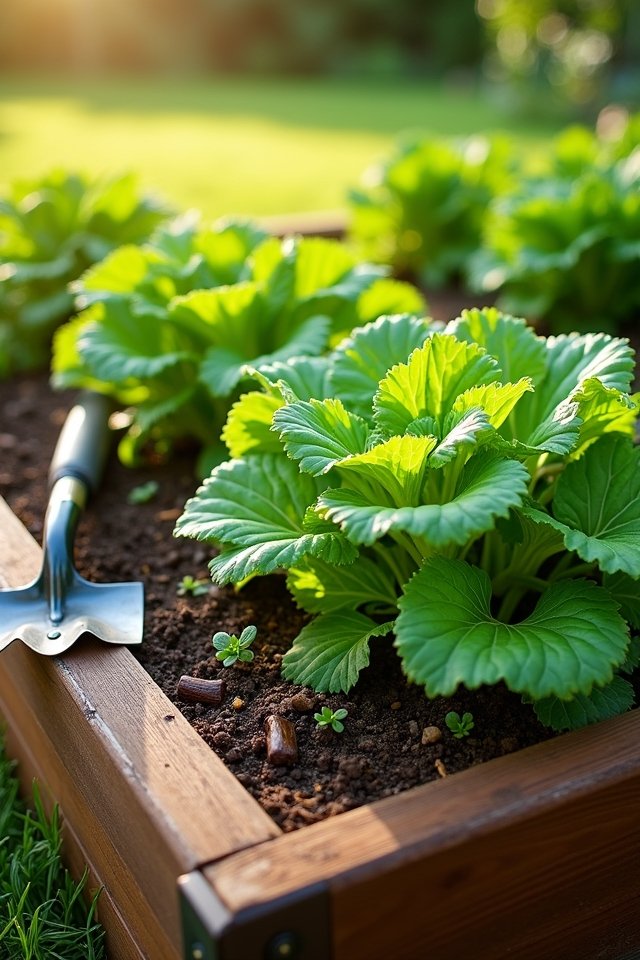
As you plunge into the world of raised bed gardening, effective weed control can feel like a game of whack-a-mole—just when you think you’ve conquered one, another pops up! But don’t worry, you’ve got some innovative tricks up your sleeve. Adopt organic weed prevention methods like mulching with straw or wood chips. They not only keep weeds at bay but also nurture your soil! Plus, consider companion planting—pairing crops like tomatoes and basil—because they not only thrive together but help suppress weed growth too. Imagine a lush garden, free from the pesky invaders, where your veggies shine bright! With these strategies, you’ll be a weed-fighting hero in no time. Happy gardening!
Seasonal Crop Rotation
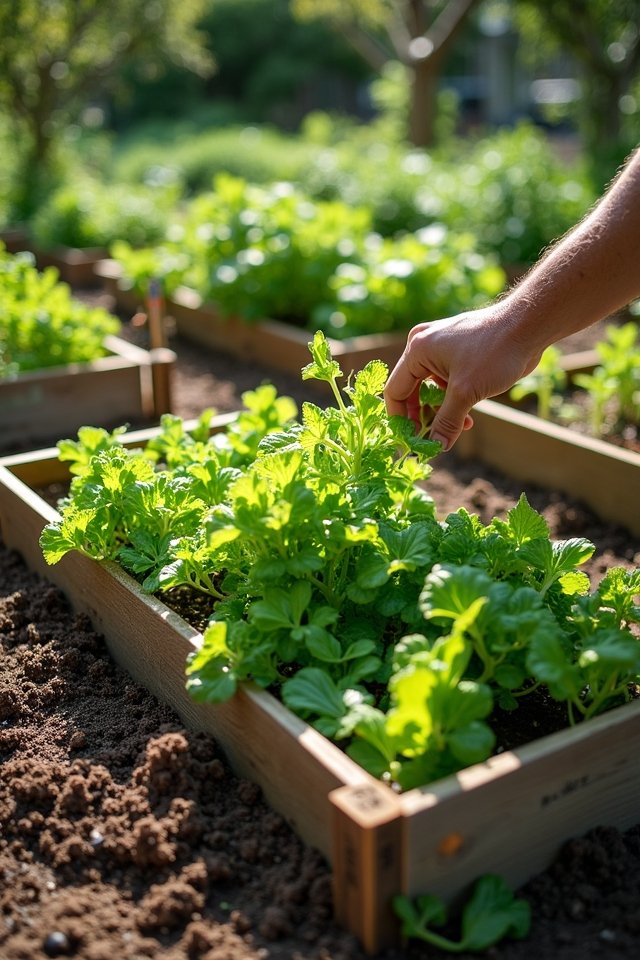
Ready to take your raised bed gardening to the next level? Seasonal crop rotation is your secret weapon! By changing your crop selection each season, you’ll keep the soil lively and nutrient-rich, just like a well-fed puppy. Think about plant compatibility: pairing legumes with leafy greens can boost growth and flavor. Imagine biting into a crisp salad, knowing your plants supported each other!
Let’s say you grew tomatoes last summer—next, plant peppers or carrots instead. This not only prevents pests but also promotes healthy soil. Rotate those crops like a DJ spinning records! With each new season, you’re not just gardening; you’re crafting a dynamic ecosystem that thrives. So, ready to mix it up and watch your garden flourish?
Mulching for Moisture Retention

Want to keep your garden thriving all summer long? Mulching is your secret weapon for moisture conservation! By using organic mulches, you can create a cozy blanket for your plants, locking in that precious water. Plus, it adds a lovely touch to your garden’s aesthetic!
Here are some fabulous organic mulches to evaluate:
- Straw: Lightweight and effective, it keeps weeds at bay.
- Wood chips: They break down slowly, providing nutrients over time.
- Grass clippings: A great way to recycle; just make sure they’re dry!
- Leaf mold: Rich in nutrients, it’s like giving your plants a spa day!
Pest Management Strategies
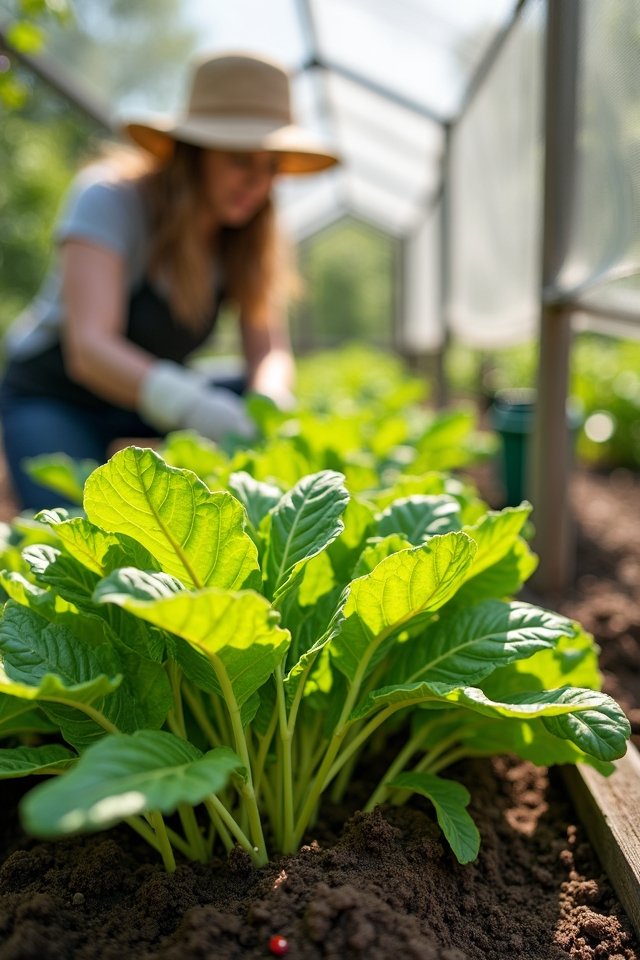
When those pesky pests start eyeing your beautiful raised bed garden, it’s time to roll up your sleeves and take action! First, invite some natural predators to your garden party! Ladybugs and lacewings love munching on aphids—talk about a pest buffet! You can also get creative with companion planting. Why not plant marigolds alongside your veggies? Their vibrant colors and scents can deter unwanted visitors—like tiny, green intruders!
Don’t forget to keep an eye on your plants. Regularly inspect for signs of trouble and act fast! Use barriers like row covers for extra protection, and don’t be shy about hand-picking those little nuisances. With these strategies, you’ll keep your raised bed thriving and pest-free! Happy gardening!
Winter Preparation Techniques
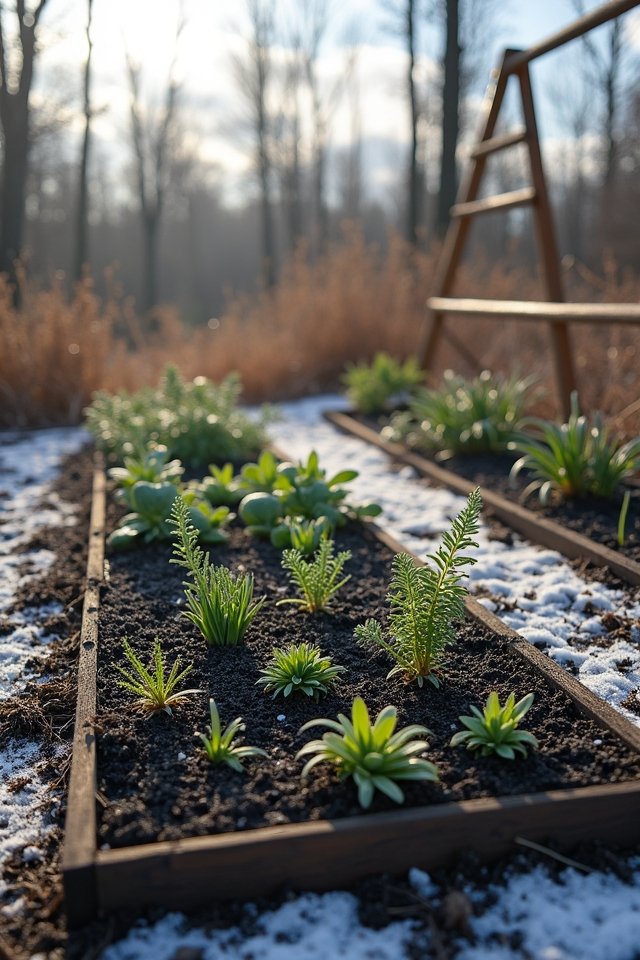
As the crisp air signals the approach of winter, it’s time to cozy up your raised beds for a chilly season ahead! You wouldn’t want your plants catching a cold, right? Let’s get innovative and protect those precious beds with some clever techniques.
- Add a layer of mulch for insulation and moisture retention.
- Incorporate soil amendments like compost to enrich the soil and boost nutrients.
- Use row covers or frost blankets to shield your plants from freezing temperatures.
- Plant cover crops to improve soil health and prevent erosion.
With these strategies, your raised beds will be snug as a bug! Winter may be cold, but your garden can thrive! Let’s welcome the chill with style!
Frequently Asked Questions
How Often Should I Replace the Soil in My Raised Beds?
You don’t need to replace all the soil in your raised beds every year! Instead, focus on soil quality. Add fresh soil amendments like compost each season to keep your plants happy. Think of it as a spa day for your garden. Just mix in that nutrient-rich goodness, and watch your veggies thrive! If you notice a decline, consider a full replacement every three to five years. Your plants will thank you!
What Types of Plants Are Best for Raised Bed Gardening?
When you’re diving into raised bed gardening, think vibrant veggies and cheerful herbs! Tomatoes and basil make a fantastic duo through companion planting, while carrots and onions love sharing space, too. Don’t forget to mix it up with crop rotation; that keeps pests guessing! Picture sweet, juicy tomatoes paired with fragrant basil, all thriving in your cozy garden. Isn’t that a delightful thought? Get planting, and let your taste buds dance!
Can I Use Treated Wood for My Raised Beds?
Did you know that using treated wood can potentially leach harmful chemicals into your soil? It’s true! While treated wood offers durability, it’s like inviting a wolf into your garden. Instead, opt for naturally rot-resistant wood like cedar or redwood. Your plants will thrive without any nasty surprises! So, if you want a healthy garden, steer clear of treated wood—your veggies will thank you later with vibrant colors and delicious flavors!
How Deep Should My Raised Bed Be for Optimal Growth?
To guarantee your plants thrive, aim for a raised bed depth of 12 to 18 inches. This gives roots plenty of room to spread, like a cozy home for your veggies! Plus, deeper beds improve soil drainage, preventing water from pooling like a bad rainstorm. If you’re growing root vegetables, a bit more depth can work wonders. So, dig in and watch your garden flourish with vibrant growth and delicious harvests!
What Pests Are Most Common in Raised Beds?
You’re tending to your beautiful raised bed, but wait—what’s that? Pests can sneak in like uninvited guests! Common culprits include aphids, slugs, and spider mites. To keep your garden safe, adopt pest prevention! Use organic pesticides like neem oil, which is as gentle as a summer breeze. Remember, a little vigilance goes a long way—inspect your plants regularly and keep those pesky intruders at bay. Happy gardening!