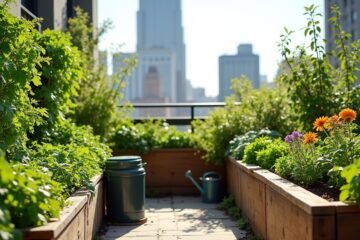
When selecting wood for your raised garden beds, aim for rot-resistant options like Western Red Cedar or Redwood—they’ll keep your plants happy and healthy! Untreated wood is eco-friendly and budget-friendly, adding rustic charm, while pressure-treated wood can last, but be careful about chemicals. Think of your garden as a cozy home for plants! Each wood type brings its unique flair and character. Curious about the choices that fit your style? There’s more to explore!
Types of Wood Suitable for Raised Garden Beds
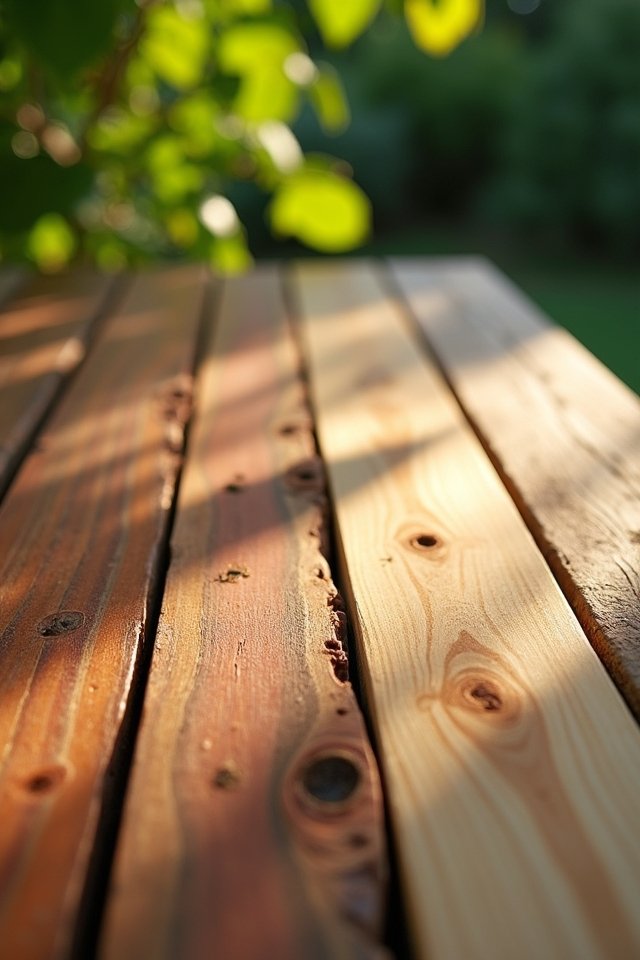
When you plunge into the world of gardening, picking the right wood for your raised garden beds can feel as intimidating as choosing a favorite ice cream flavor—there are just so many tasty options! Let’s explore! Cedar varieties, like Western Red Cedar, are popular for their natural resistance to rot and insects. You’ll love how they maintain their rich aroma and stunning color over time! Plus, the hardwood benefits of oak or maple offer incredible durability and strength, ensuring your beds withstand the elements. Imagine sturdy, beautiful frames cradling your thriving vegetables! Each choice has a character, so think about what resonates with your gardening vibes! Why not explore these fabulous options and let your garden flourish in style? Happy gardening!
Benefits of Using Untreated Wood
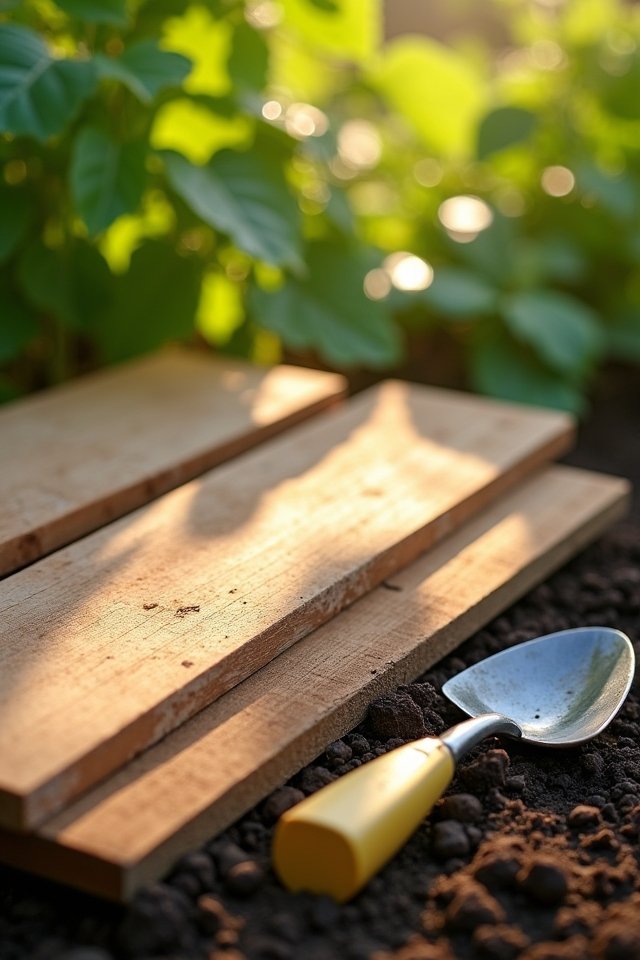
If you’re looking to keep your garden beds as natural as a sun-kissed tomato, using untreated wood is a fantastic choice! Untreated wood benefits your garden in several ways, promoting a healthier ecosystem. It’s perfect for organic gardening, as it won’t leach harmful chemicals into your soil.
Here are some key advantages:
- Eco-Friendly: Supports a sustainable lifestyle without harmful toxins.
- Cost-Effective: Often cheaper than treated options, saving you money for seeds!
- Aesthetic Appeal: Adds rustic charm that blends beautifully with nature.
- Natural Decomposition: Eventually breaks down, enriching your soil over time.
Understanding Pressure-Treated Wood
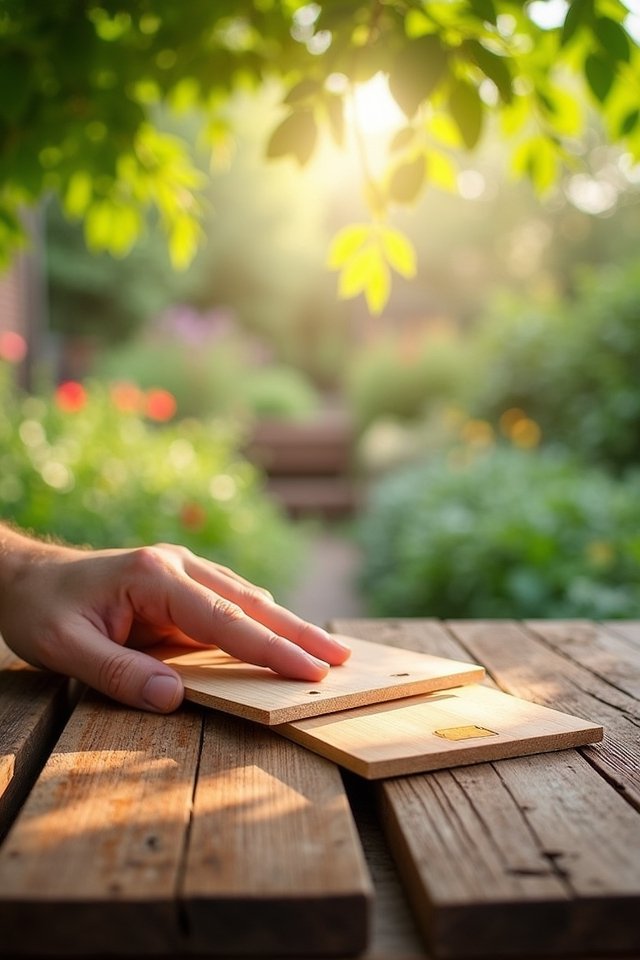
While some gardeners swoon over the charm of untreated wood, others find themselves intrigued by pressure-treated wood and its durability. It’s like the superhero of garden materials! This wood undergoes a pressure treatment that forces preservatives deep into its fibers, making it resistant to rot and pests. But wait—what’s the catch? You might worry about chemical leaching. Yes, it’s a valid concern, but modern pressure-treated woods use safer chemicals, minimizing risks. Imagine building a bed that stands strong through storms, while you sip your morning coffee, dreaming of lush veggies! Just be sure to line your garden bed with plastic, keeping any potential chemicals at bay. With pressure-treated wood, you’re investing in long-lasting innovation!
Rot-Resistant Wood Options
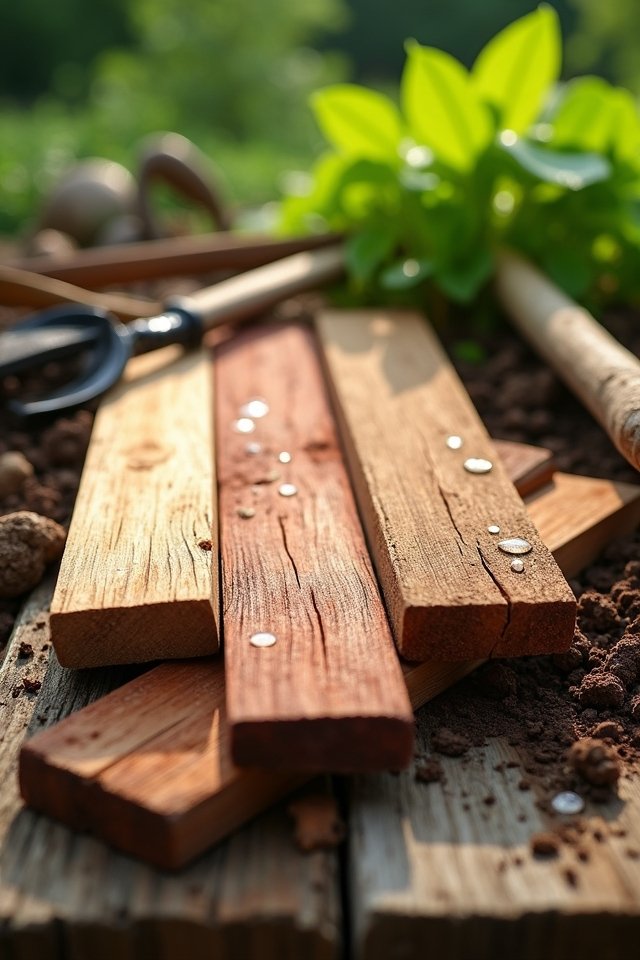
Choosing the right wood for your garden beds can feel like an intimidating task, but don’t worry—there are fantastic rot-resistant options that can make your gardening dreams come true! Imagine the sweet smell of cedar wafting through your garden, thanks to its natural oils that resist decay. Or picture the stunning beauty and incredible durability of redwood, standing strong against the elements.
Here are some rot-resistant wood options to reflect on:
- Western Red Cedar: Offers amazing cedar benefits, like natural pest resistance!
- Redwood: Known for its impressive durability, perfect for long-lasting beds.
- Cypress: Contains natural preservatives that fight rot.
- Locust: Super tough, it’s often called nature’s concrete!
With these choices, your garden will thrive beautifully!
Cost Considerations for Different Wood Types

As you ponder over those wonderful rot-resistant wood options, let’s talk about the wallet! When it comes to raised garden beds, you want cost-effective wood that won’t leave your budget gasping for air. Cedar and redwood are delightful, but their price tags might make you faint! Instead, consider using pressure-treated pine. It’s a budget-friendly option that’s sturdy and reliable. Plus, you can snag it at your local hardware store without breaking the bank! Remember, quality doesn’t always mean costly. You can still create a stunning garden without a lavish expenditure. So, why not mix affordability with innovation? After all, your garden should flourish, not your expenses! Choose wisely, and watch your garden grow! 🌱
Environmental Impact of Wood Choices
When you think about building your garden beds, it’s not just about aesthetics or cost—your wood choice can truly impact the planet! Choosing wood isn’t just a DIY project; it’s a chance to be a superhero for Mother Earth! By opting for sustainably sourced wood, you’re reducing your carbon footprint and promoting eco-friendly practices.
Consider these points:
- Recycled materials: They give new life to old wood while conserving resources.
- Local sourcing: Shorter transport distances mean less pollution and fresher materials.
- Certified woods: Look for FSC or PEFC labels to verify ethical forestry practices.
- Durability: Long-lasting wood means fewer replacements, which is great for the environment!
Lifespan of Various Wood Materials
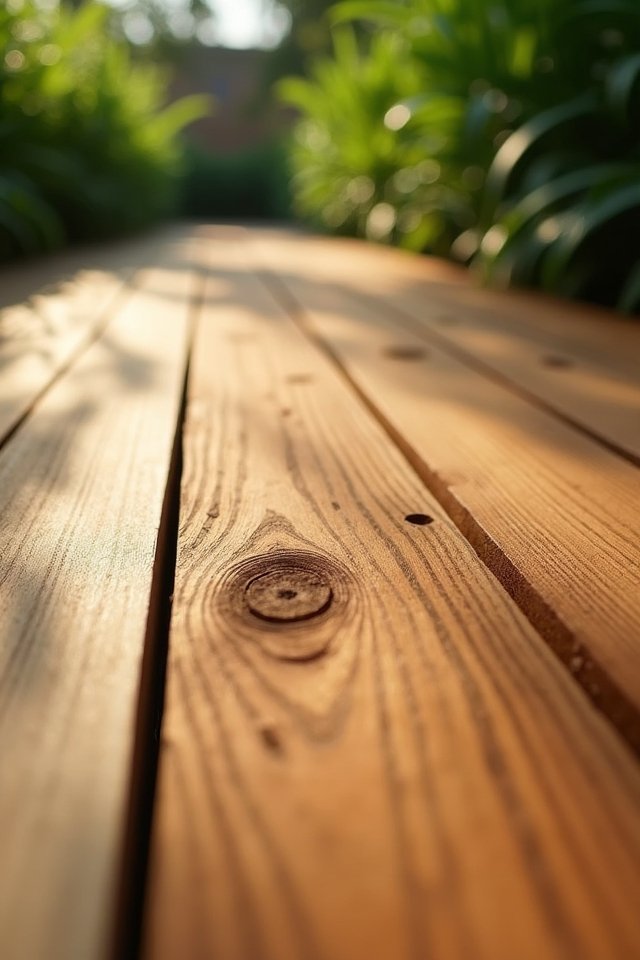
The lifespan of your garden bed wood can feel like a game of hide and seek with Mother Nature! When you’re choosing wood, remember that wood durability varies widely. For instance, cedar can last up to 15 years, while untreated pine might only stick around for about 5. Longevity factors like climate, moisture, and soil acidity play a huge role too! Picture your beautiful garden thriving in a robust cedar bed, while a sad, rotting pine gives up the ghost prematurely. Want a long-lasting solution? Consider composite materials! They offer the charm of wood with much better durability. It’s like finding a hidden treasure—your garden will flourish, and you won’t have to worry about replacing those beds anytime soon!
Aesthetic Appeal and Design Options
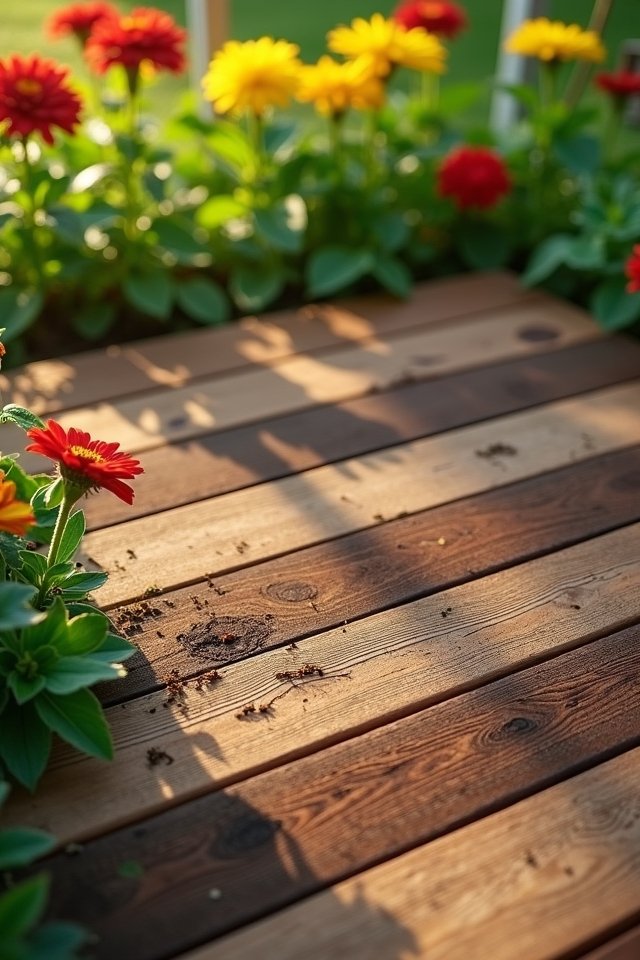
Choosing the right wood for your garden beds isn’t just about durability; it’s also about creating a stunning visual impact! You want your garden to be a feast for the eyes, right? Consider the latest design trends and bold color choices that can transform your outdoor space.
- Rich, warm tones can create a cozy feel.
- Light, natural woods blend beautifully with greenery.
- Painted or stained options let your personality shine through!
- Textured finishes add depth and intrigue.
Imagine a garden bed of deep mahogany against vibrant flowers—it’s like a work of art! So, explore innovative styles that match your vision and make your garden not just functional, but an enchanting retreat!
Maintenance Tips for Wooden Raised Beds
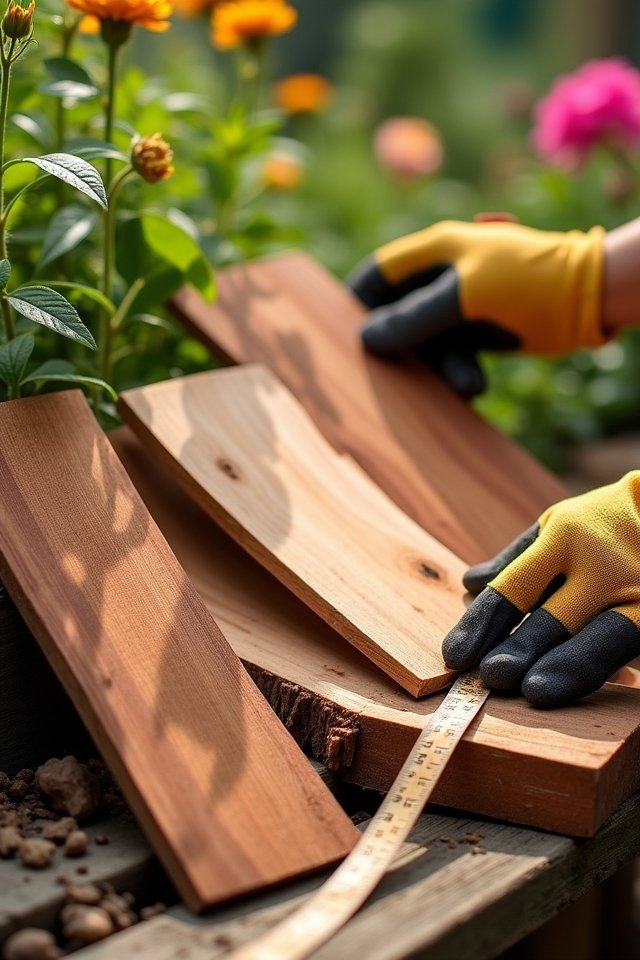
While it might seem like a hassle, keeping your wooden raised beds in tip-top shape is totally worth it! Regular maintenance practices can extend their life and enhance your gardening experience. Start by inspecting for rot—it’s sneakier than a cat in a cardboard box! A fresh coat of non-toxic sealant every few years can work wonders, like sunscreen for your wood.
Don’t forget to check for loose boards; a little tightening goes a long way in maintaining structure. Also, consider adding a layer of mulch. It not only looks fabulous but also shields your soil, improving moisture retention. By focusing on these longevity factors, you’ll keep your garden beds thriving and your plants happy. Happy gardening!
Alternative Materials to Wood for Raised Beds
If you’re looking to shake things up in your garden, there are plenty of alternative materials to wood for raised beds that can bring both style and sustainability to your planting paradise! Why not explore these innovative options?
- Composite materials: They’re durable and often made from recycled plastics and wood fibers, giving you the best of both worlds!
- Metal alternatives: Think galvanized steel or aluminum. They add a sleek, modern touch and resist rot!
- Bricks or stones: These can create beautiful, sturdy beds that blend seamlessly into your landscape.
- Cinder blocks: Not only practical, but they also allow for creative planting designs in those little holes!
Frequently Asked Questions
Can I Use Recycled Wood for Raised Garden Beds?
Absolutely, you can use recycled wood for your raised garden beds! It’s eco-friendly and a fantastic way to give new life to old materials. Just think of it as a second chance for your wood! However, watch out for wood treatment concerns—some chemicals can seep into your soil. Imagine planting fresh veggies in a cozy, repurposed home! So, go ahead and get creative while keeping your garden safe and sustainable!
What Wood Types Are Safe for Edible Plants?
Ever wonder what wood’s safe for your delicious veggies? Well, cedar’s a fantastic choice! Its natural oils repel pests and last a long time—like a superhero for your garden! Plus, it won’t leach harmful chemicals into your soil, keeping your plants healthy and vibrant. Pine’s another option, but it’s less durable, so it might not stand the test of time. So, if you want lasting beauty and safety, cedar’s your best bet!
How Deep Should I Build My Raised Garden Beds?
When you’re building your raised garden beds, aim for an ideal depth of at least 12 to 18 inches! This gives your plants room to stretch their roots and promotes excellent soil drainage. Think of it as giving them a cozy apartment with plenty of space! If you’re growing deep-rooted veggies like carrots or tomatoes, go deeper. Just imagine those lush vegetables thriving in their happy, well-drained home! Isn’t gardening exciting?
Can I Paint or Stain My Wooden Garden Beds?
Did you know that over 60% of gardeners use paint or stain to enhance their raised beds? You can definitely paint or stain your wooden garden beds! Just be sure to choose non-toxic, eco-friendly options for stain safety. Bright colors can add a fun pop, while natural stains can enhance the wood’s beauty. Just imagine a vibrant blue or a rich cedar hue! It’s like giving your garden a stylish wardrobe!
What Is the Best Way to Prevent Pests in Wooden Beds?
To keep pests at bay in your wooden beds, think creativity! Use natural repellents like garlic spray or a mix of water and peppermint oil. These scents can drive pests away faster than a cat chasing a laser pointer! Also, consider companion planting—marigolds, for example, naturally deter bugs. Regularly check for signs of trouble, and don’t forget to clean your beds; a tidy garden is a happy garden! Happy gardening!