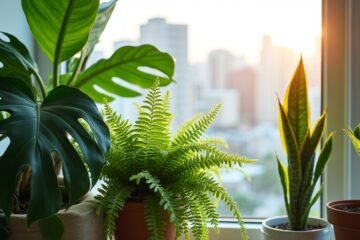
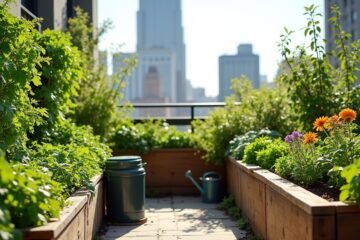
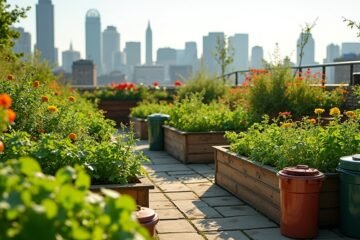
Ready to grow your own fresh veggies? First, measure your space and soak up sunlight like a sun-loving tomato! Choose scrumptious crops like cherry tomatoes, zucchinis, and nutrient-packed spinach. Don’t forget to sketch your garden layout, layering plants for maximum sun exposure. Improve your soil with compost and keep a consistent watering routine. Want to learn more tips and tricks to transform your tiny garden into a colorful veggie paradise? Keep on exploring!
Assessing Your Space
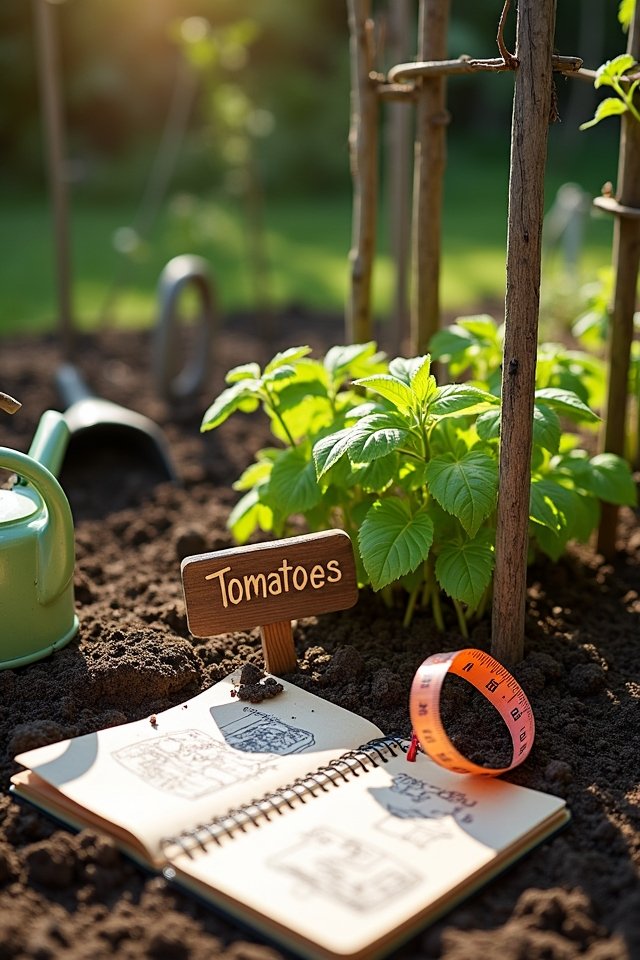
Before you dig in, let’s talk about evaluating your space! It’s essential to measure your space dimensions—knowing what you’ve got can spark some serious garden innovation! Think about garden accessibility, too. You want to reach every plant without performing acrobatics, right? Picture a cozy, well-organized patch where you can easily pluck those ripe tomatoes!
Consider sunlight exposure and wind patterns—these elements can make or break your leafy paradise. If you’ve got a small balcony, why not use vertical planters? They’re like living art! And if you’re lucky enough to have a backyard, carve out zones for different veggies. With thoughtful planning, you’ll create a vibrant garden that’s not just functional, but a joy to be in! What’s stopping you? Let’s get growing!
Choosing the Right Vegetables
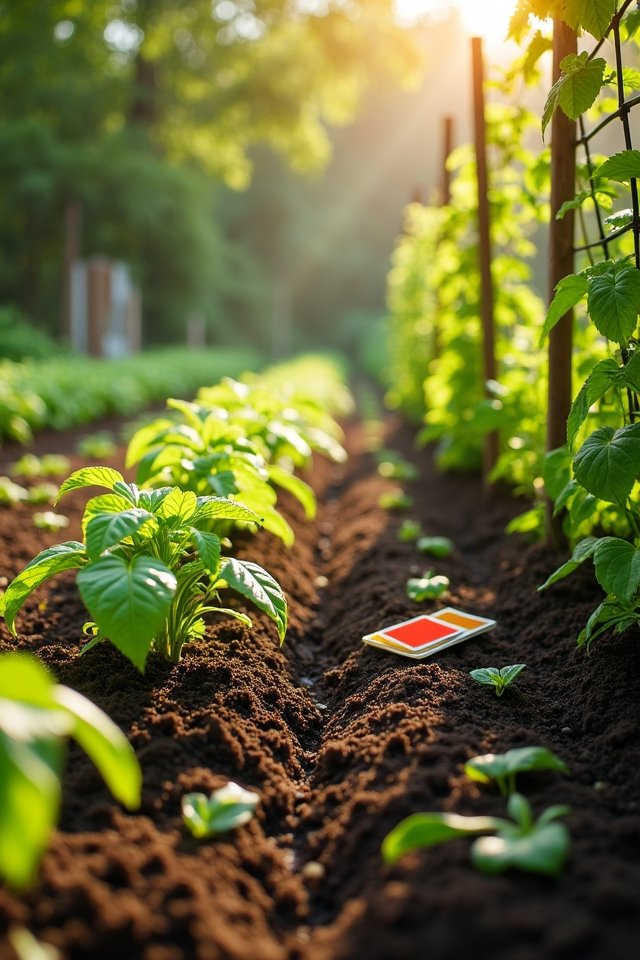
What makes your taste buds dance with joy? Choosing the right vegetables can transform your garden into a flavor paradise! Immerse yourself in the world of vegetable selection, and let’s pick some winners that’ll make your meals sing. Here are three seasonal choices that are sure to impress:
- Cherry Tomatoes – Bursting with sweetness, they’re perfect for snacking!
- Zucchini – Versatile and easy to grow, you can grill or spiralize it!
- Spinach – Packed with nutrients, it thrives in cooler weather!
Planning Your Layout
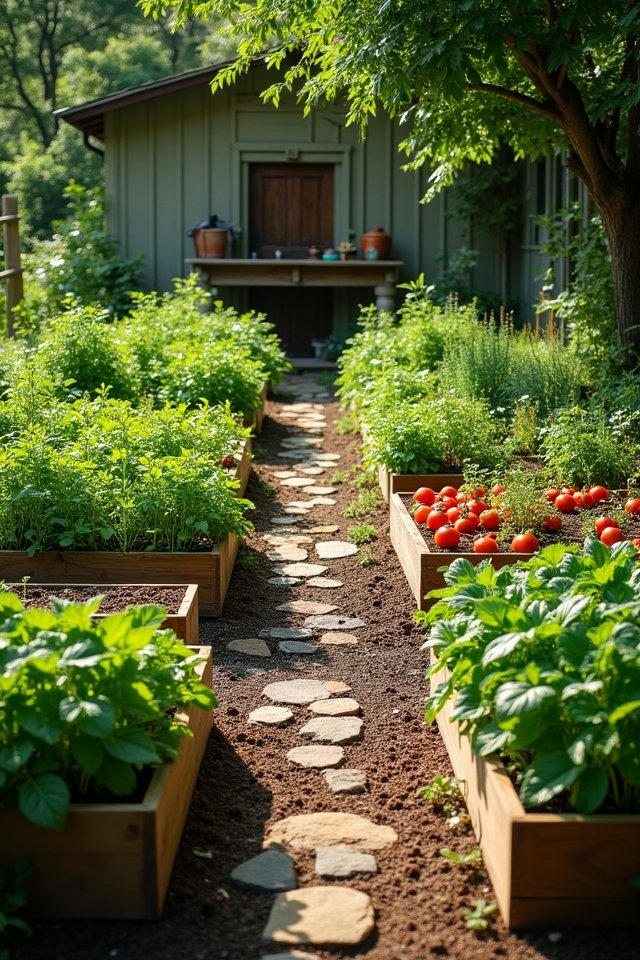
When it comes to planning your vegetable garden layout, think of it as composing a delicious symphony! You want harmony, balance, and a little pizzazz! Start by sketching your garden design—perhaps a grid or a whimsical free-form style. Focus on space optimization; after all, every inch counts! Consider planting taller crops like tomatoes behind shorter ones like lettuce, creating a vertical masterpiece. Group your veggies by their watering needs to keep things efficient and easy-peasy. Don’t forget pathways—these are your garden’s dance floors! They’ll let you move with grace, avoiding any accidental squishing of your precious plants. And remember, a splash of color from edible flowers can turn your garden into a feast for the eyes! Happy gardening!
Understanding Sunlight Requirements
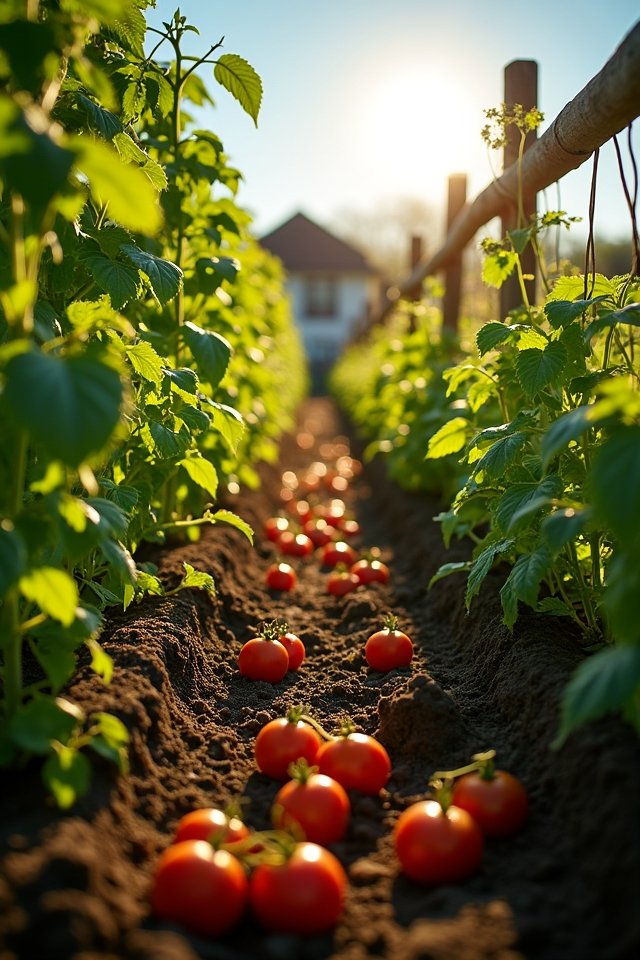
Ever wondered how much sunshine your veggies really need? Sunlight exposure is essential for a thriving garden, and understanding light duration can make all the difference! Here’s what you should know:
- Full Sun: Most veggie stars, like tomatoes and peppers, crave at least 6-8 hours of direct sunlight daily. Think of them as sunbathers!
- Partial Sun: Some veggies, like spinach and lettuce, do well with 4-6 hours. They’re more like afternoon loungers, enjoying a bit of shade.
- Shade Lovers: Certain herbs, like mint and parsley, can thrive with just 2-4 hours. They’re the introverts of the garden world!
Improving Soil Quality
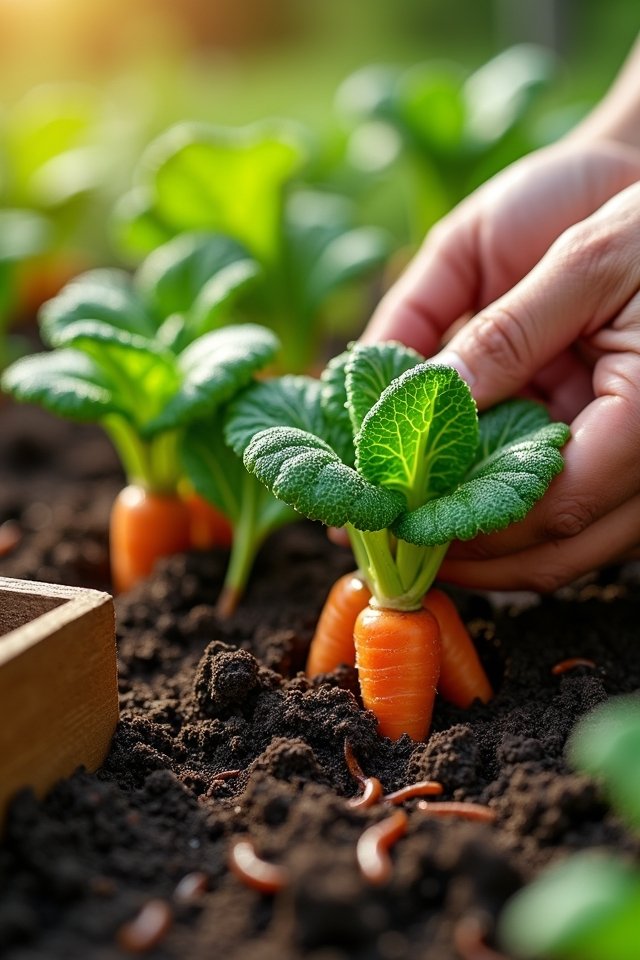
Great soil is the foundation of your vegetable garden, and it’s the secret ingredient for happy, healthy plants! To boost your soil quality, consider using soil amendments like compost or aged manure. These natural wonders enrich your dirt, helping it retain moisture and nutrients, much like a sponge soaking up water. Don’t forget about organic fertilizers; they’re like vitamins for your plants! You’ll see the difference in growth and flavor, just like a chef tasting fresh herbs straight from the garden. Mix in these amendments before planting, and watch your veggies thrive! So, why wait? Immerse yourself in your soil, get your hands dirty, and let those plants know they’re in for a treat! Happy gardening!
Implementing Companion Planting
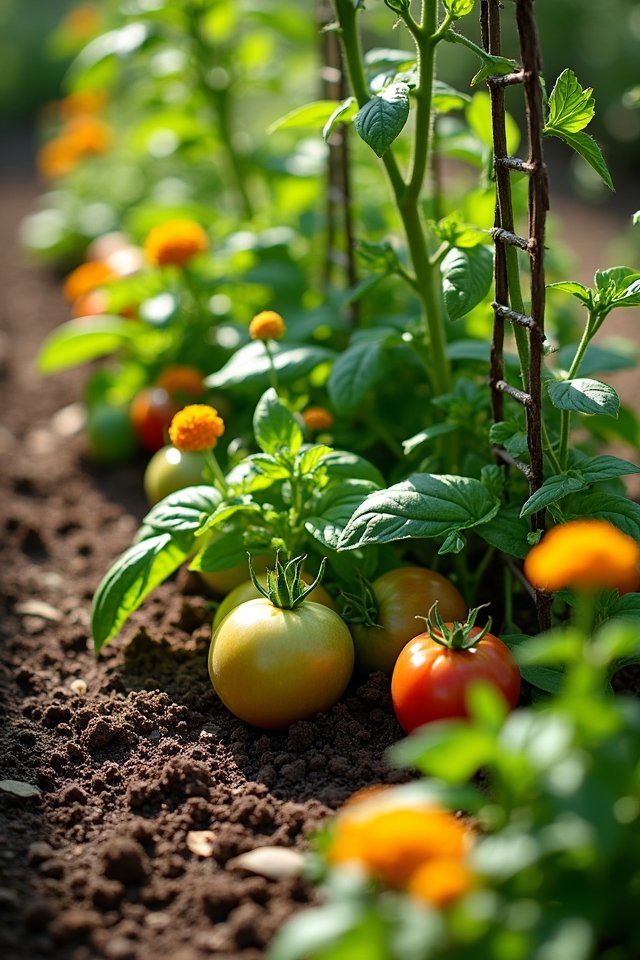
Have you ever wondered how some garden plots look like a vibrant patchwork of colors and textures? It’s all about companion planting! These clever combinations not only beautify your space but also enhance growth and provide natural pest control. Here are three awesome companion pairs to try:
- Tomatoes and Basil – They thrive together and the basil helps repel pesky bugs!
- Carrots and Onions – The onion’s strong scent wards off carrot flies, while carrots benefit from the nutrients!
- Pepper and Marigold – Marigolds attract beneficial insects that keep your pepper plants healthy!
Utilizing Vertical Gardening Techniques
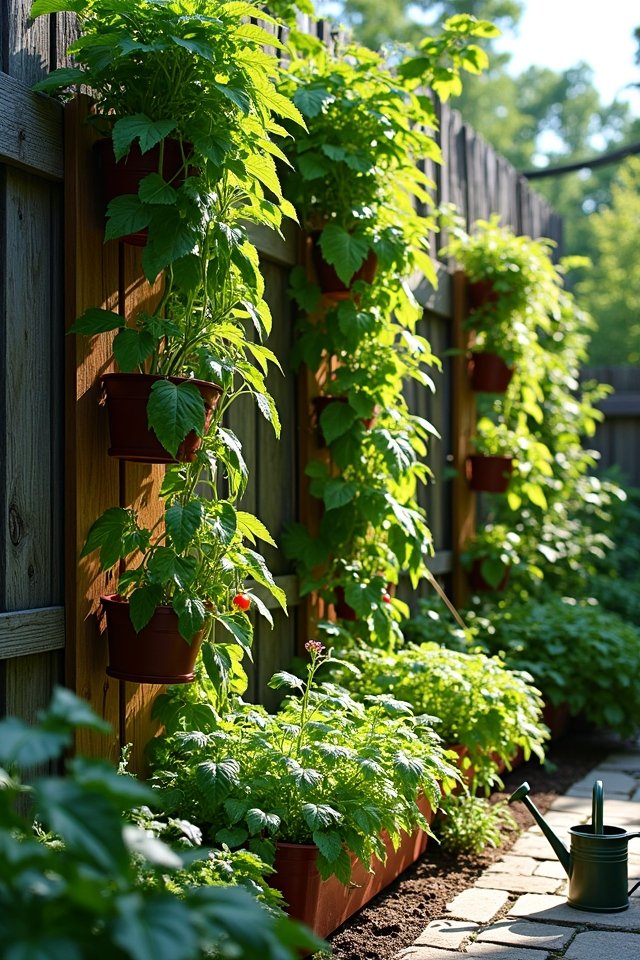
Vertical gardening techniques can transform even the tiniest spaces into lush, green oases! Imagine a wall bustling with colorful veggies or herbs climbing high, reaching for the sun. You’ve got exciting trellis options to explore—think sturdy wooden frames or sleek metal designs that allow your plants to flourish. Vertical planters, like pocket gardens or hanging pots, can create stunning displays while saving precious ground space. Picture vibrant strawberries cascading down like nature’s confetti! Why not mix and match? A wall of herbs can spice up your cooking, while flowers attract pollinators, creating a mini ecosystem. So, go ahead—elevate your garden game and watch your tiny oasis thrive with creativity and flair! Who knew gardening could be this much fun?
Scheduling Planting Times
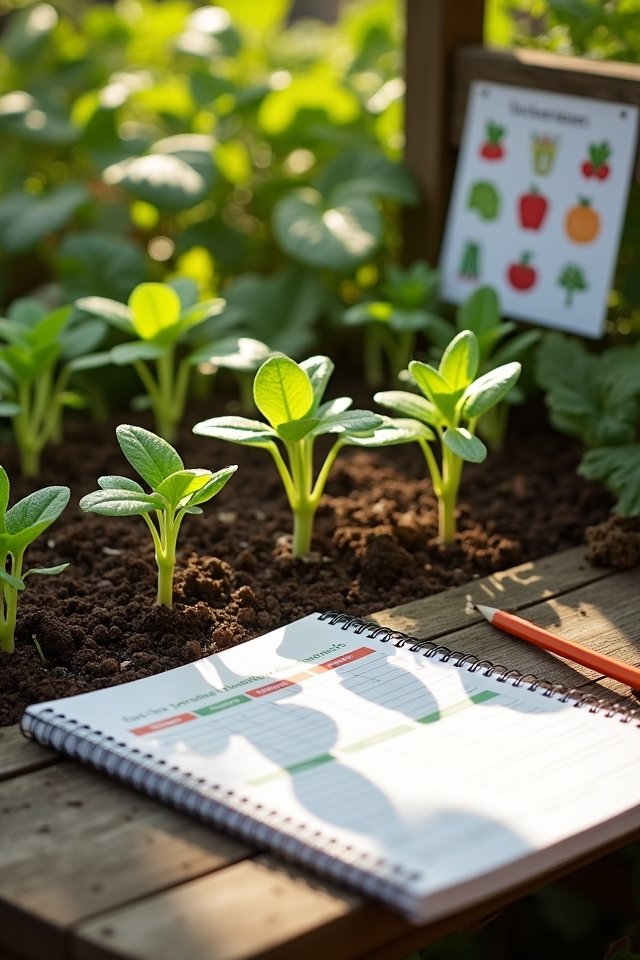
While it might seem overwhelming to juggle planting schedules, getting the timing right can truly make your garden flourish! Think of your garden like a well-choreographed dance; every plant has its moment to shine. Here’s how to nail those planting times:
- Know your frost dates – Check local weather forecasts and plant accordingly to avoid frostbite!
- Practice crop rotation – Switch up your veggies each season to keep the soil happy and thriving!
- Embrace seasonal variations – Different plants thrive in different seasons, so plan for spring greens and summer tomatoes!
Establishing a Watering Routine
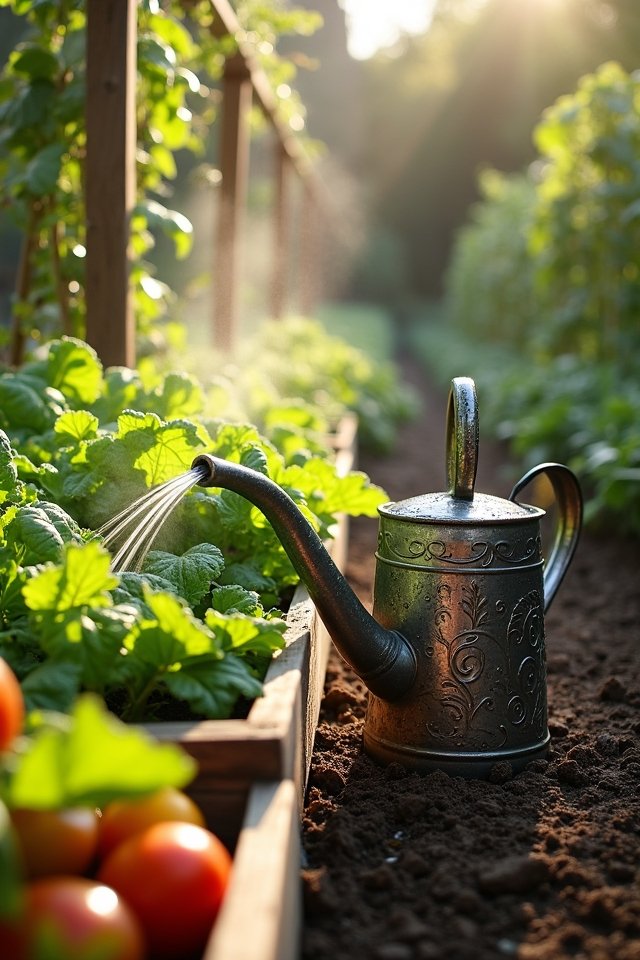
When you think about watering your garden, picture a revitalizing rain shower gently drenching your plants on a sunny day! Establishing a watering routine is essential for your garden’s success. Consider using drip irrigation; it’s like giving each plant a personalized spa day! This efficient method delivers water directly to the roots, minimizing waste and maximizing hydration.
Don’t forget about moisture monitoring! Imagine knowing exactly when your plants are thirsty. You can use simple soil moisture sensors to take the guesswork out of watering. With these tools, you’ll save time and avoid overwatering—your plants will thank you! So, set a schedule for early mornings or late evenings when evaporation is lower, and enjoy watching your garden flourish! Isn’t that an invigorating thought?
Maintaining Your Garden Throughout the Season
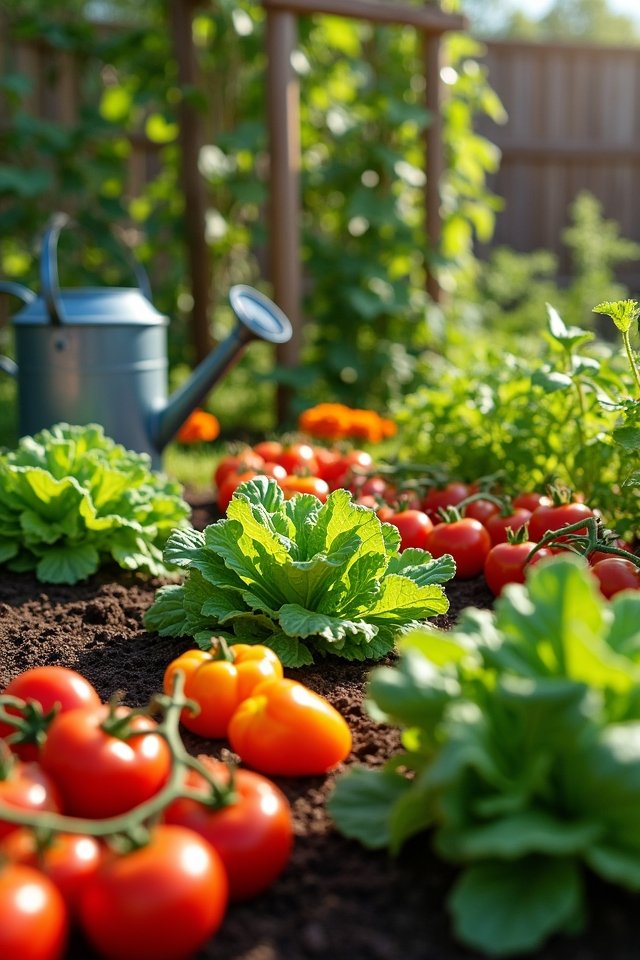
Keeping your garden thriving throughout the season is like being the conductor of an orchestra—each plant plays its part, and you’ve got to make sure they’re all in harmony! Here are three key ways to maintain that beautiful balance:
- Pest Control: Keep an eye out for pesky bugs! Use organic sprays or introduce beneficial insects like ladybugs to protect your plants.
- Seasonal Pruning: Trim back overgrown branches and dead leaves. This not only promotes healthy growth but also lets sunlight in—it’s like giving your plants a revitalizing haircut!
- Regular Weeding: Weeds compete for nutrients, so pull them out as soon as you spot them. Think of it as decluttering your garden!
With these tips, your garden will sing all season long! 🌱✨
Frequently Asked Questions
What Tools Do I Need for a Small Vegetable Garden?
To kickstart your small vegetable garden, you’ll need some essential equipment! Grab a sturdy trowel for digging, a hand rake for smoothing soil, and a watering can to nurture your plants. Don’t forget gloves to keep your hands clean and a sturdy garden fork for turning the soil. Think of these tools as your trusty sidekicks, ready to help you grow a thriving garden that’ll make your neighbors green with envy! Happy gardening!
How Can I Prevent Pests in My Garden?
To keep pesky pests at bay, welcome nature’s little helpers! You can invite natural predators like ladybugs and lacewings into your garden. They love munching on aphids—yummy, right? Try companion planting, too! For instance, mix marigolds with your vegetables; their scent confuses pests, like a magician’s trick! You’ll be amazed at how these vibrant blooms work wonders. With a few clever tricks, your garden can thrive, pest-free and fabulous! Isn’t that exciting?
What Is the Best Time to Plant Seeds?
So, when’s the best time to plant seeds? It’s like waiting for a magic moment! Generally, you want to time your planting schedule based on your region. Most seeds germinate best in warmer soil, around 65°F to 75°F. For example, think of tomatoes—they love warmth! Keep an eye on your last frost date, and you’ll be ready to watch those tiny green miracles burst forth! Isn’t nature just thrilling?
How Do I Know When to Harvest Vegetables?
Harvesting vegetables is an exciting adventure! You’ll know it’s time when you spot those harvest indicators. For example, tomatoes should be vibrant and slightly soft—think of them as nature’s candy! Carrots, on the other hand, should feel firm yet tender beneath the soil. Keep an eye on color, size, and firmness. Trust your gut! If it looks delicious, it probably is. Enjoy the thrill of plucking your tasty treasures!
Can I Grow Vegetables Indoors or on a Balcony?
You won’t believe how easy it is to grow vegetables indoors or on your balcony! Imagine plucking fresh basil while sipping your morning coffee! Indoor gardening lets you nurture herbs in cozy pots, while balcony planters can host vibrant tomatoes and peppers, dancing in the sunlight. Just guarantee they get enough light—think of them as sunbathers! So, roll up your sleeves and get ready to cultivate your own little green paradise! Isn’t that exciting?