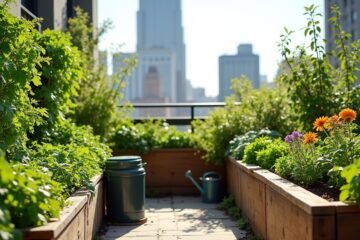
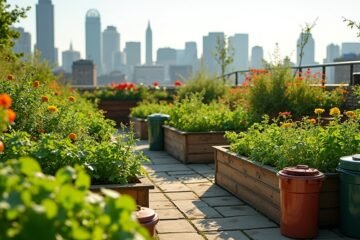
Ready to transform your tiny patch of earth into a veggie wonderland? First, pick a sunny spot that gets at least six hours of light daily! Next, opt for high-yield veggies like bush beans and cherry tomatoes. Want to save space? Use vertical gardening techniques—think trellises and wall planters! Don’t forget companion planting; pairing marigolds with tomatoes can keep pests at bay! And finally, guarantee your soil’s health is excellent! More friendly tips are just around the corner!
Choose the Right Location
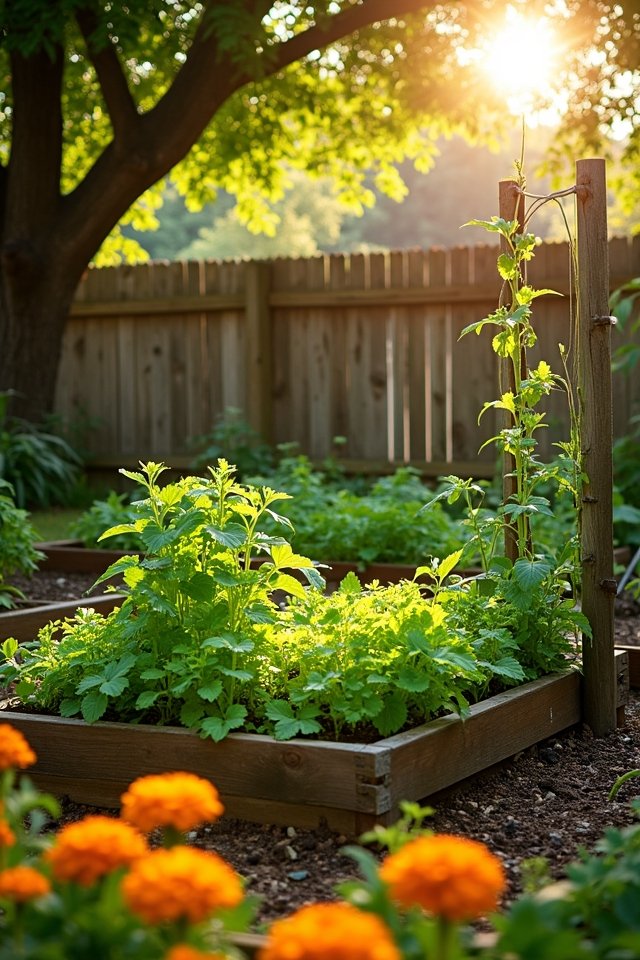
When you’re diving into the world of small vegetable gardening, picking the perfect spot is as important as choosing the seeds themselves! Imagine your plants basking in sunlight exposure, soaking up those golden rays like sunbathers on a beach. Ideally, you’ll want at least six hours of direct sunlight each day. But don’t forget about wind protection! A sturdy fence or some leafy shrubs can shield your precious greens from harsh gusts that might send them tumbling. Picture your tomatoes thriving, undisturbed, in a cozy nook. By scouting the ideal location, you’re not just planting seeds; you’re cultivating a flourishing paradise! So, grab your garden map, and let’s get started on this leafy adventure! 🌱
Select High-Yield Vegetables
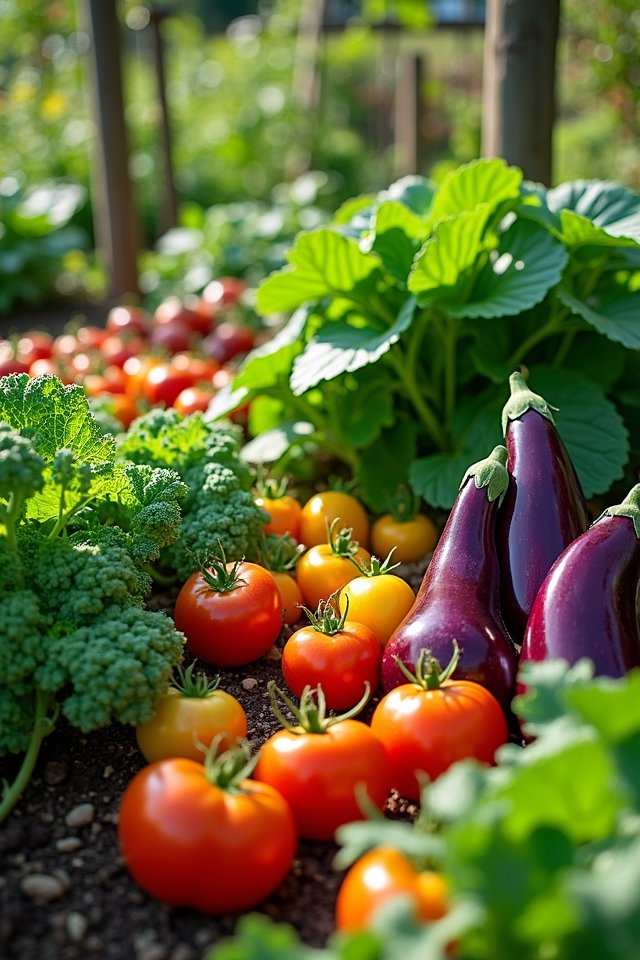
Now that you’ve found the perfect sunny spot, it’s time to think about what you’re going to plant! Choosing high yield varieties can transform your small garden into a bountiful paradise. Imagine plucking juicy cherry tomatoes or crunchy cucumbers, all while maximizing your limited space! Focus on vegetable selection that offers impressive returns, like bush beans or zucchini, which are notorious for their productivity. Think of them as overachievers in the veggie world! Don’t forget about herbs, too—basil and parsley can pack a flavorful punch without demanding much space. So, get ready to release your inner gardener and watch your small plot burst with vibrant colors and delicious tastes. Your taste buds will thank you!
Utilize Vertical Gardening Techniques
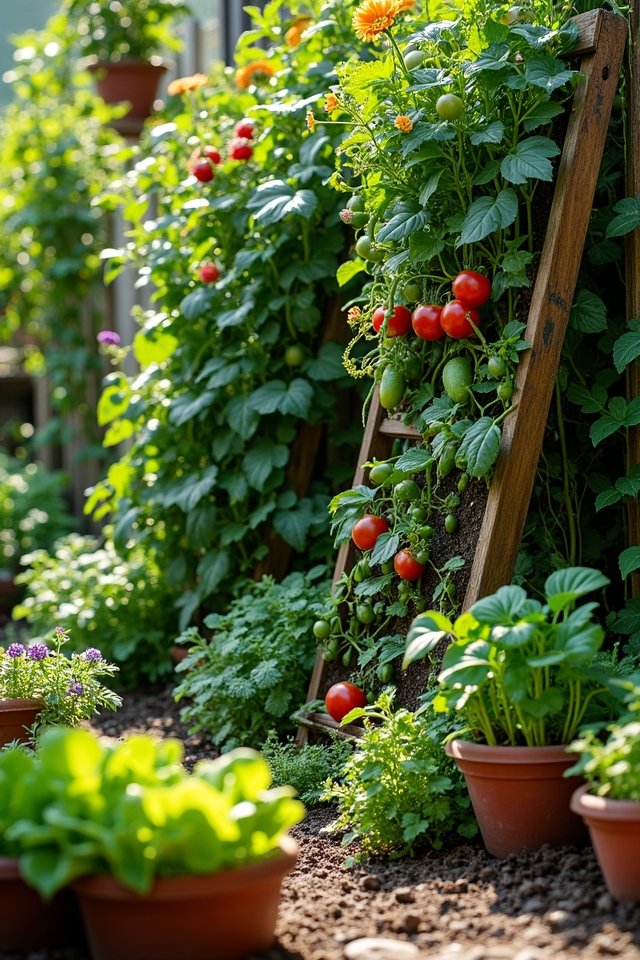
If you want to make the most of your small garden space, embracing vertical gardening techniques is a game-changer! Think of it as creating a lush green tapestry that climbs toward the sky! With trellis systems, you can train your plants to reach new heights—literally! Imagine juicy tomatoes hanging from a decorative trellis, or vibrant cucumbers cascading down. Wall planters are another fantastic option; they transform plain walls into a living masterpiece! Picture herbs and flowers spilling from every nook, filling your space with delightful scents. Plus, it’s a fun way to add dimension and flair to your garden! So, why not elevate your gardening game? After all, who doesn’t love a garden that makes a bold statement while maximizing every inch?
Implement Companion Planting
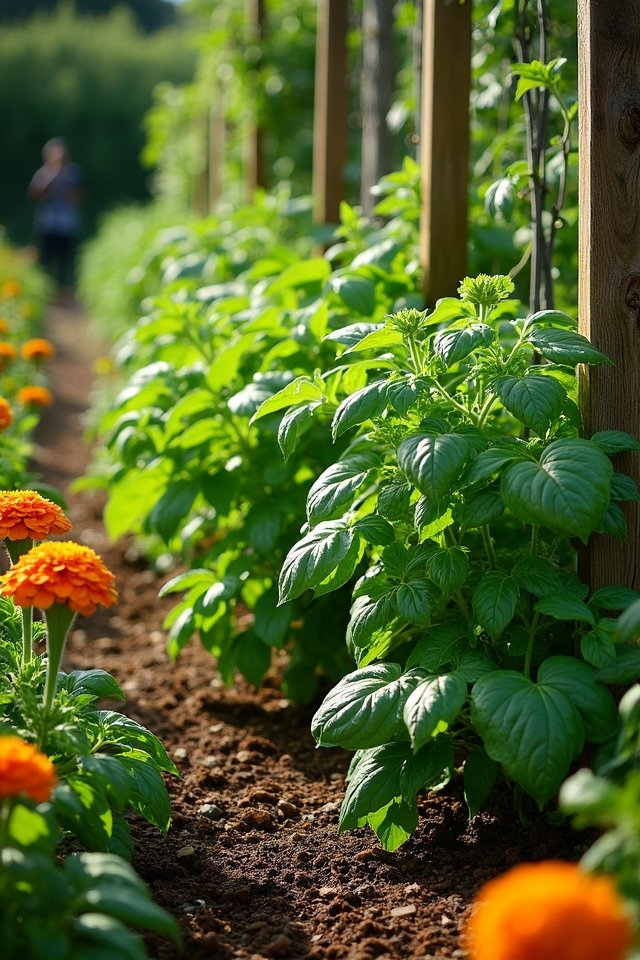
Imagine walking through your small vegetable garden and spotting vibrant marigolds nestled among your tomatoes. Those cheerful blooms aren’t just pretty; they’re a secret weapon for pest control! Marigolds attract beneficial insects while repelling pesky critters like aphids. By pairing plants, you enhance their benefits, creating a harmonious ecosystem. For instance, try planting basil near your peppers. Its aromatic leaves not only boost flavor but also confuse harmful insects. How clever is that? You’re not just growing food; you’re crafting a thriving community! So, get creative with your plant combinations, and watch your garden flourish like a well-composed symphony. With a little innovation, you’ll enjoy bountiful harvests and a delightful garden ambiance!
Optimize Soil Health and Drainage
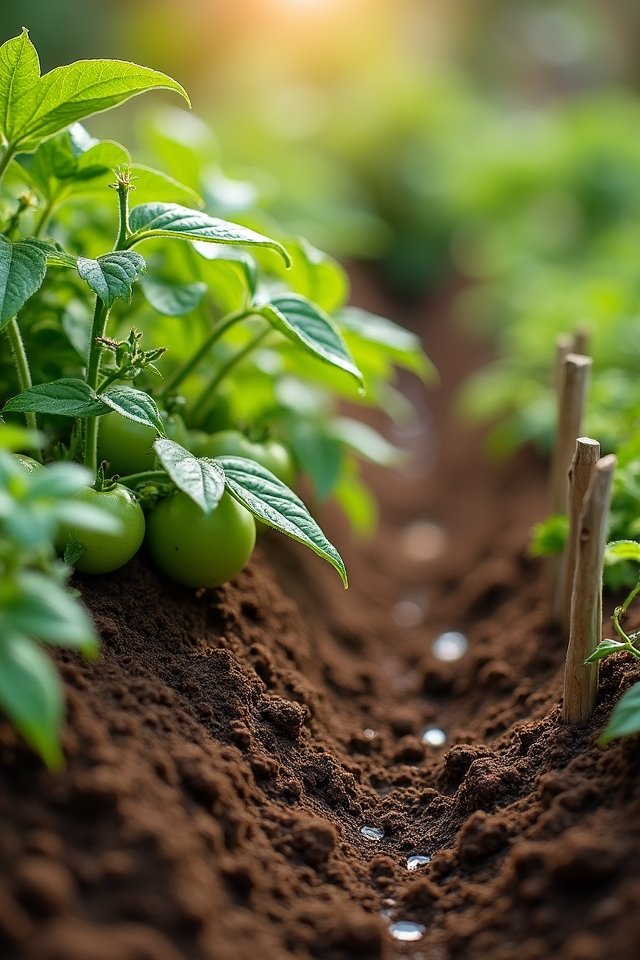
To truly nurture your small vegetable garden, you need to focus on optimizing soil health and drainage. Start with soil testing—it’s like giving your garden a health check-up! You’ll discover what nutrients are missing. Once you’ve got that info, mix in organic amendments like compost or well-rotted manure—think of it as a gourmet meal for your plants! This not only boosts nutrient levels but also improves drainage. Imagine your plants sipping water through rich, fluffy soil instead of drowning in mud! If you notice pooling water, consider raised beds or adding sand for better drainage. A little effort now means a bountiful harvest later. So, roll up those sleeves and get digging—your veggies will thank you!
Frequently Asked Questions
How Often Should I Water My Small Vegetable Garden?
How often should you water your small vegetable garden? It really depends on the soil moisture! Check daily to see if it feels dry a couple inches down. If it does, it’s time to give those plants a drink! Typically, you’ll want to water every 2-3 days. Think of it like a rejuvenating spa day for your veggies! They’ll thrive, and you’ll enjoy a bountiful harvest. Happy gardening!
What Pests Are Common in Small Vegetable Gardens?
Pests can be as pesky as a fly at a picnic! In your small vegetable garden, you might encounter aphids, snails, and spider mites. But don’t worry! You’ve got organic solutions at your fingertips. Neem oil can be your best friend, while introducing ladybugs can be like inviting nature’s tiny bodyguards. Regularly inspecting your plants and using companion planting helps keep those invaders at bay. Ready to outsmart those garden foes? Let’s go!
How Can I Attract Beneficial Insects to My Garden?
You want to attract beneficial insects? Think of your garden as a party! Use companion planting to invite friends like ladybugs and lacewings. Pair those tasty plants with native flowers, creating a buffet of nectar and pollen. Imagine butterflies fluttering among daisies, while bees buzz happily around sunflowers! It’s like a vibrant dance! So, sprinkle some wildflower seeds and watch your garden transform into a lively insect haven! Who knew gardening could be so enchanting?
When Is the Best Time to Plant Vegetables?
When’s the best time to plant vegetables? Well, it depends on your planting seasons and the vegetable varieties you choose! For instance, cool-season crops like lettuce and peas thrive in early spring. Meanwhile, wait until after the last frost for warm-season delights like tomatoes and peppers! Timing’s everything, right? So, grab your seeds and dig in—your garden’s about to burst with vibrant flavors and colors! Who wouldn’t want that?
How Do I Know When to Harvest My Vegetables?
Did you know that nearly 30% of homegrown vegetables are harvested too early? To know when to harvest, look for key harvest indicators like color, firmness, and size. For example, tomatoes should be a vibrant red, while cucumbers should feel firm but not rock-hard. Each veggie has its own maturity markers, so keep an eye out! It’s like a treasure hunt in your garden—when you find ripe veggies, it’s pure joy!