Designing a small vegetable garden is like crafting your own mini Eden! First, check that spot—ensure it gets 6-8 hours of sunlight. Pick some of your favorite veggies, like juicy tomatoes or crunchy cucumbers, and give them space to breathe; greens need 6-12 inches apart! Don’t forget vertical gardening; trellises are your best friends! And imagine the satisfaction of harvesting fresh produce right outside your door. Excited? There’s so much more to discover!
Assessing Your Space
When it comes to designing your small vegetable garden, the first step is all about evaluating your space! Think of it as crafting a mini masterpiece. Start by examining your soil quality—great soil’s like a warm hug for your plants! Dig a little and check for nutrients; if it’s lacking, consider composting or enriching it. Next, let’s talk garden layout. Picture your veggies spread out like a colorful quilt, each patch in harmony. You’ll want to maximize sunlight and airflow while keeping in mind the height of each plant. Isn’t it exciting to imagine fresh tomatoes and crisp greens? So grab a measuring tape, sketch your ideas, and let the creativity flow! Your garden adventure awaits!
Choosing the Right Location
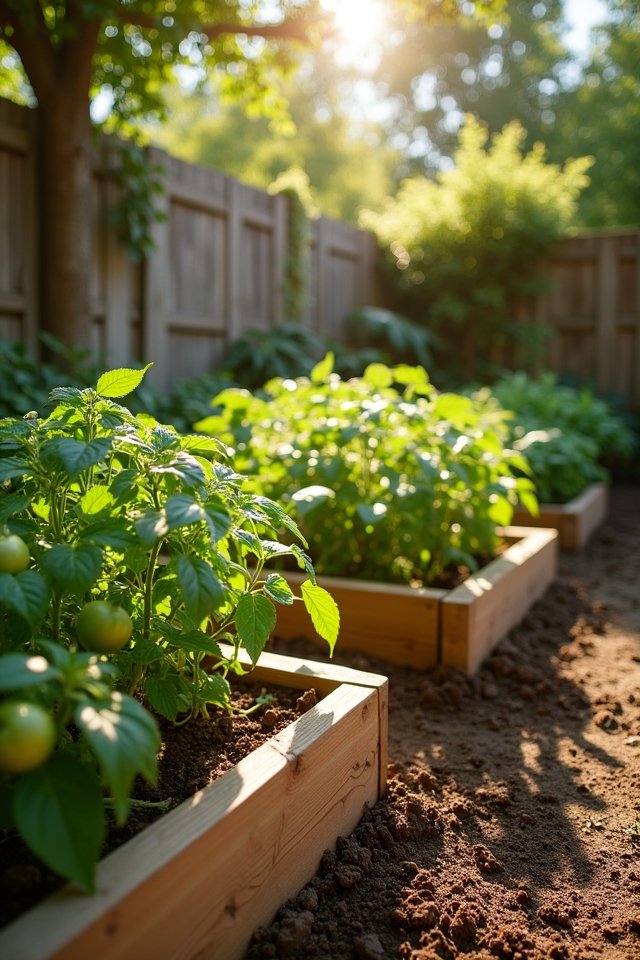
Have you ever wondered how the right location can transform your vegetable garden from ordinary to extraordinary? Imagine this: a thriving oasis right in your backyard! To get started, consider these key factors for choosing the perfect spot:
- Sunlight: Aim for at least 6-8 hours of direct sunlight daily.
- Soil Quality: Test your soil for nutrients and drainage—great soil is like a cozy blanket for your plants!
- Climate Considerations: Understand your local climate; some veggies thrive in cooler weather, while others bask in warmth.
- Accessibility: Position your garden near a water source for easy maintenance; nobody wants to haul buckets!
Selecting Suitable Vegetables
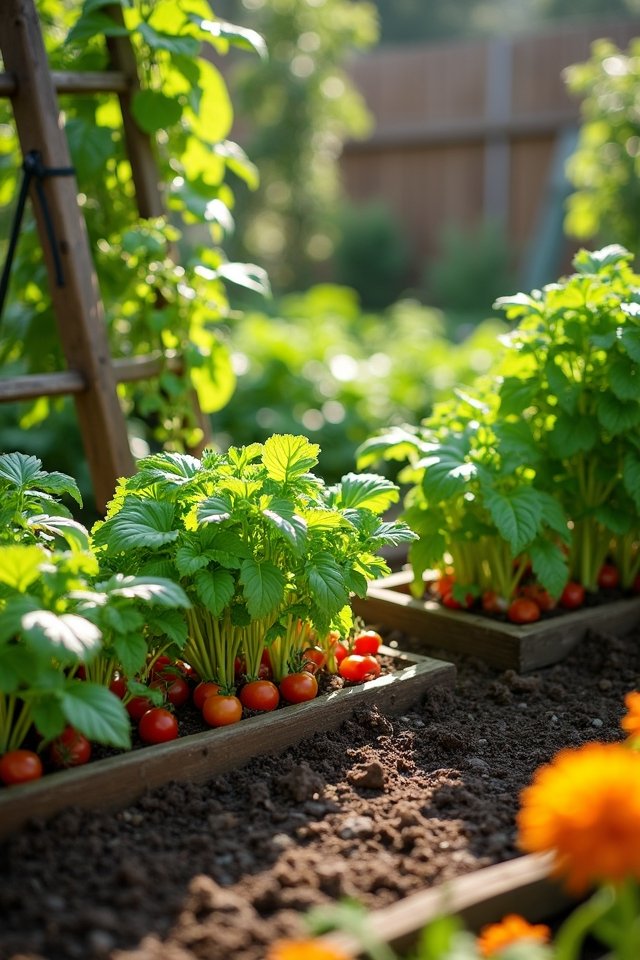
Now that you’ve found the perfect spot for your garden, it’s time to roll up your sleeves and pick the veggies that’ll make your taste buds dance with joy! Think about what you love to eat—nothing beats the thrill of fresh tomatoes bursting with flavor! Consider seasonal timing, too; plant cool-weather crops like peas and spinach in early spring, and save hearty tomatoes and peppers for the warmth of summer. Don’t forget about crop rotation! It’s like giving your soil a little vacation. Alternate your plants year by year to keep pests guessing and nutrients balanced. Imagine the satisfaction of harvesting lush veggies while knowing you’re nurturing your garden’s health! Happy planting, and may your garden be a colorful delight!
Understanding Plant Spacing
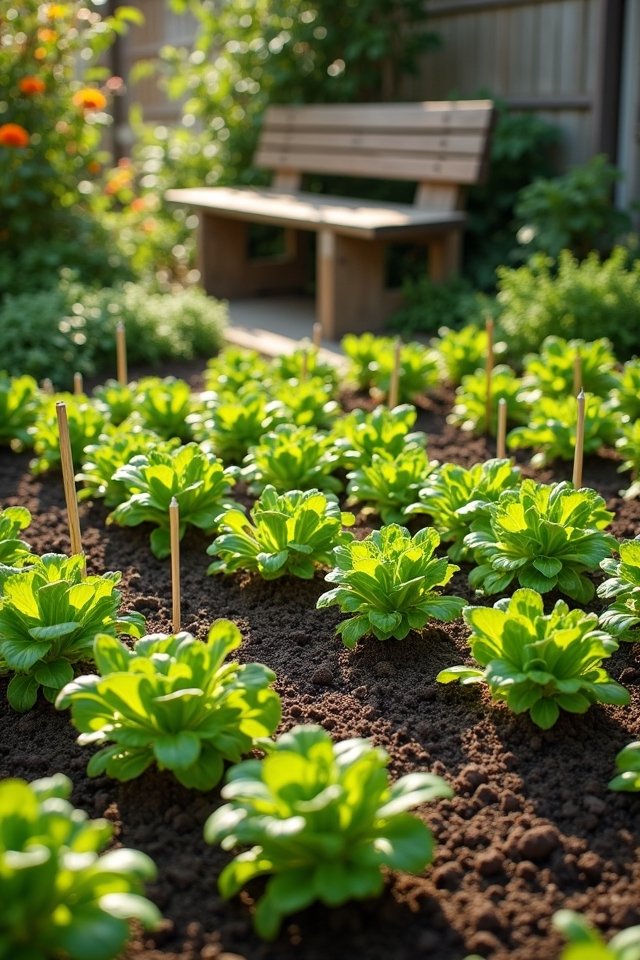
While you might be tempted to cram as many plants as possible into your little garden patch, understanding plant spacing is crucial for a thriving veggie paradise! Proper spacing guarantees your plants get enough sunlight, airflow, and nutrients, leading to incredible plant growth. Here are some spacing guidelines to follow:
- Leafy Greens: Space them about 6-12 inches apart.
- Root Vegetables: Give them 2-4 inches of room to grow downwards.
- Bush Varieties: Allow 18-24 inches between plants for bushy tomatoes or peppers.
- Vining Plants: Keep them 24-36 inches apart; they love to spread out!
Utilizing Vertical Gardening Techniques
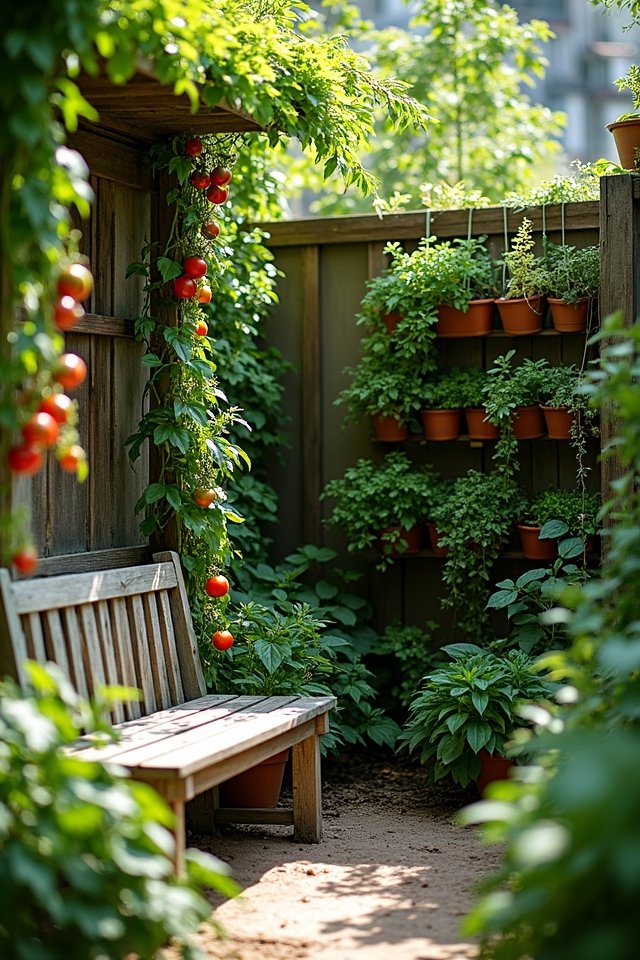
If you’re ready to take your gardening game to new heights—literally—then vertical gardening techniques are your secret weapon! Imagine lush, green climbing plants spiraling up vertical structures like a living work of art. You can create vertical gardens using trellises, wall planters, or even repurposed pallets. Not only do these structures save space, but they also add stunning visual flair to your garden. Think about growing tomatoes or beans that reach for the sky, leaving room for leafy greens below. Plus, you’ll find it easier to harvest your veggies without bending over like a pretzel! So, why not adopt this innovative approach? Your garden will thrive, and you’ll be the envy of your neighbors! Happy gardening!
Implementing Raised Beds
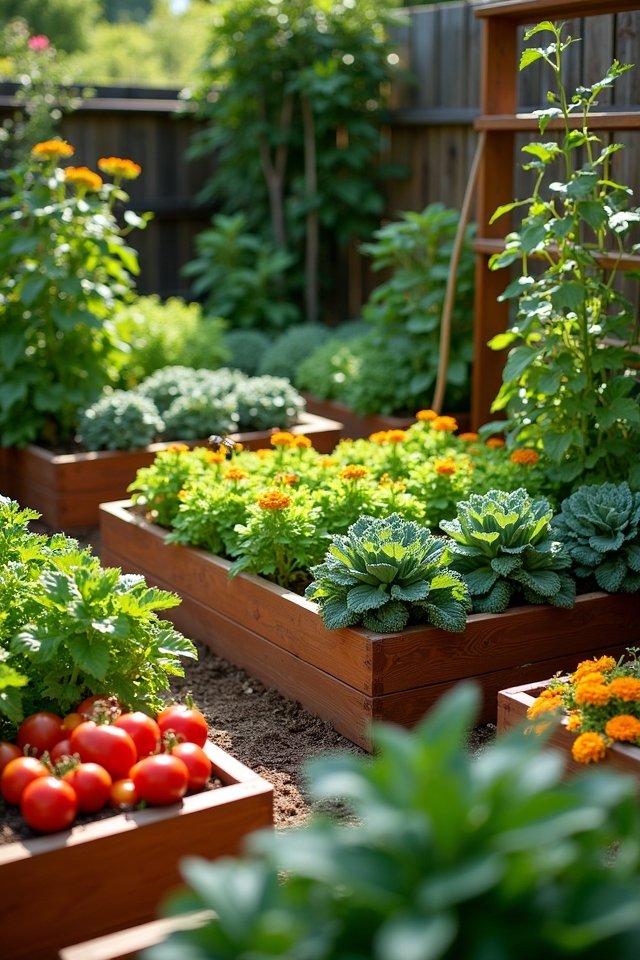
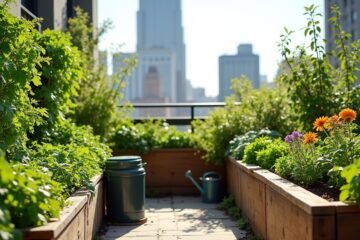
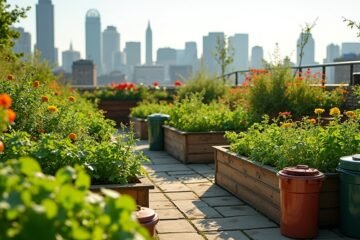
When you think about transforming your garden, raised beds can be a game changer! They elevate your gardening game, literally and figuratively! Here’s why you should consider them:
- Optimal Bed Height: Choose a height that suits your needs—higher beds reduce bending, while lower beds are easier to access.
- Diverse Raised Bed Materials: Use wood, stone, or even recycled materials to fit your style and budget!
- Better Drainage: Raised beds drain efficiently, preventing waterlogging and promoting healthy roots.
- Pest Control: Elevating your plants helps keep pesky critters at bay—who knew gardening could be an upper hand against bugs?
Ready to get started? Your garden will flourish like never before! Happy gardening! 🌱
Maximizing Sunlight Exposure
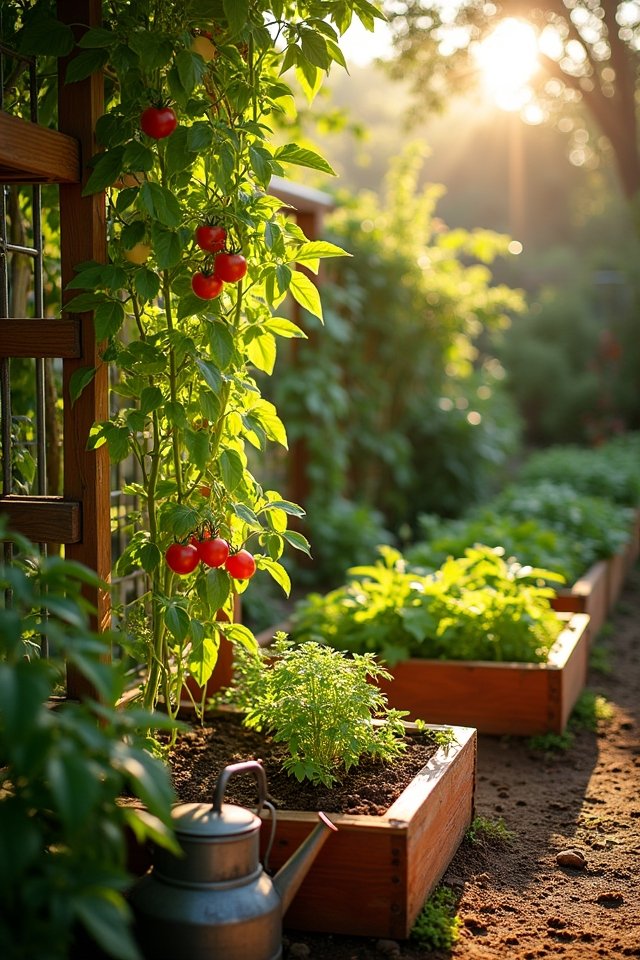
To truly bring your vegetable garden to life, soaking up as much sunlight as possible is key! Think of your plants as sunbathers, stretching for those golden rays. Start by analyzing sunlight angles throughout the day; you want to place taller plants on the north side to avoid blocking out the sunlight for their shorter companions. Pay attention to shade patterns created by fences or trees—those sneaky shadows can steal precious light! Use trellises to elevate vining plants, giving them a prime sunspot. Consider a rotating planting approach, changing locations each season to maximize exposure. Remember, a well-lit garden not only flourishes but also dances delightfully under the sun, inviting you to join in on the fun!
Incorporating Companion Planting
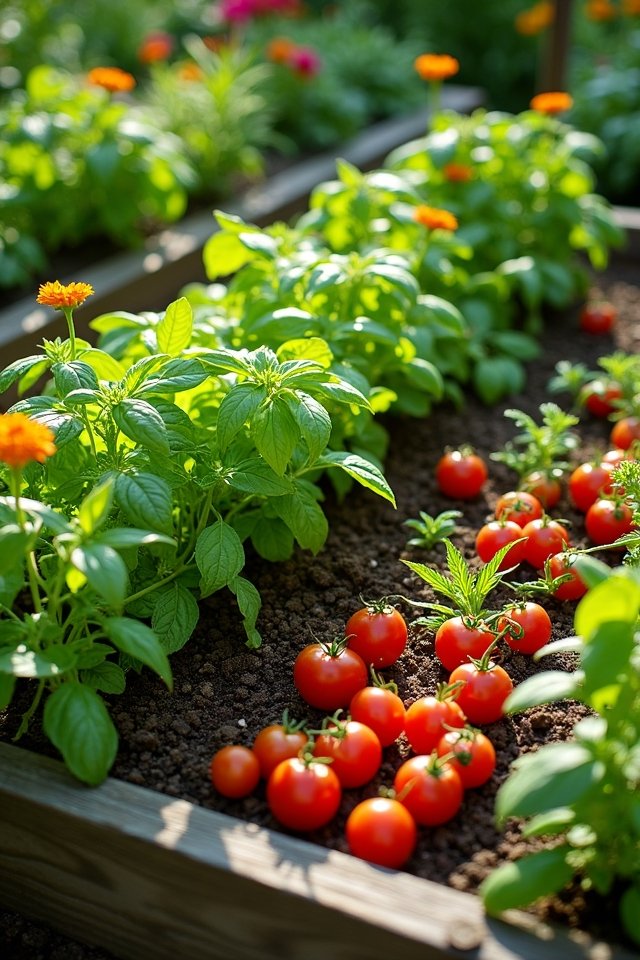
After you’ve set your garden up for maximum sunlight, it’s time to reflect on who’s hanging out in your veggie patch! Companion planting is like hosting a garden party where every plant has a role. You’ll enjoy some fantastic companion benefits while keeping pests at bay. Here are four innovative pairings to contemplate:
- Tomatoes and Basil: They thrive together, enhancing each other’s flavors.
- Carrots and Onions: Onions repel pesky carrot flies—talk about teamwork!
- Marigolds and Everything: These beauties deter a variety of harmful insects.
- Beans and Corn: Beans fix nitrogen in the soil while corn provides support—nature’s perfect duo!
Planning for Watering and Drainage
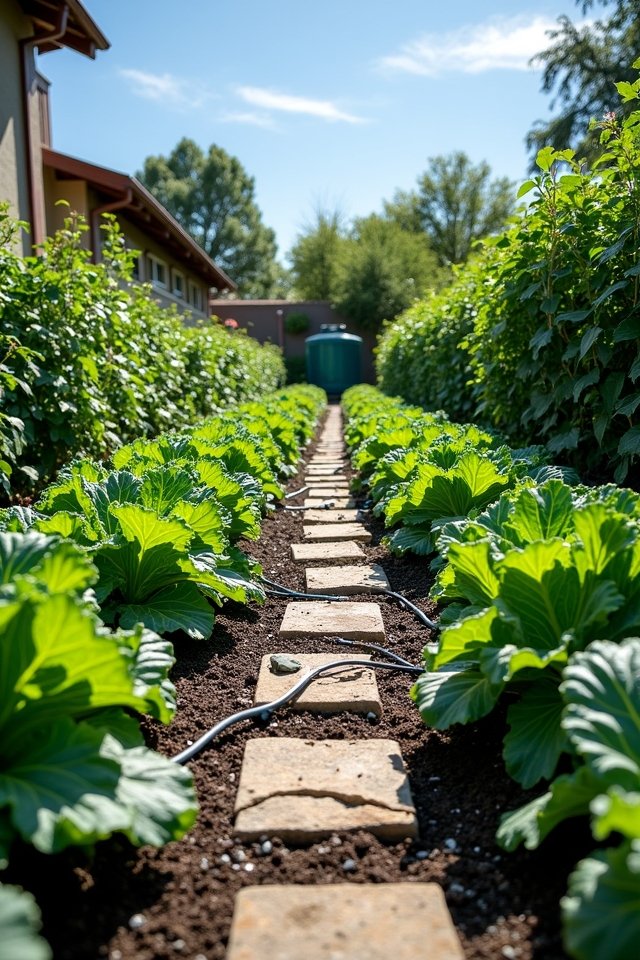
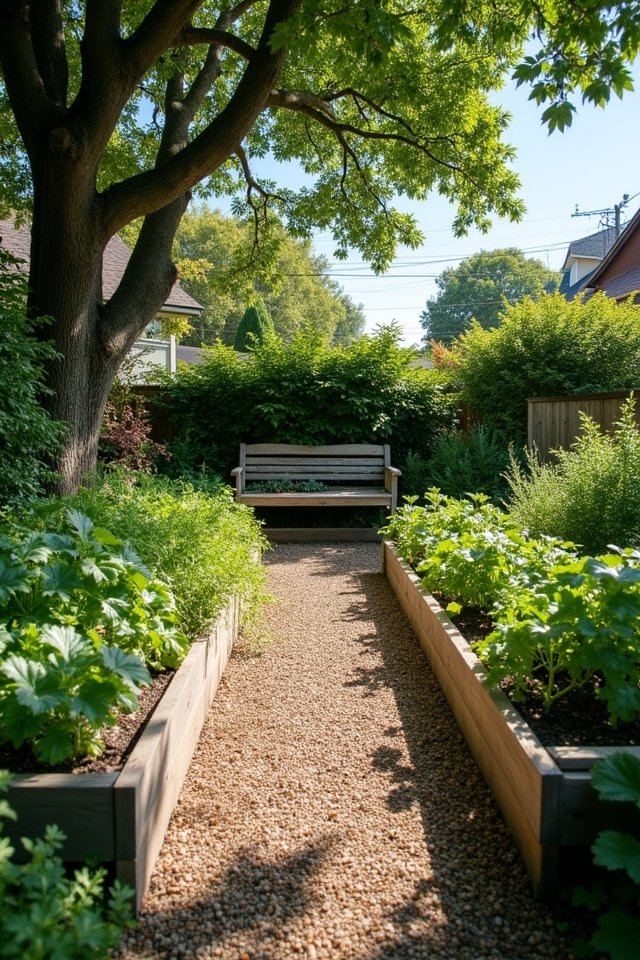
While you’re busy picking the perfect plants for your small vegetable garden, don’t forget about the essential elements of watering and drainage! Imagine your veggies thriving in a paradise of moisture, not drowning in puddles! For that, you’ll need smart drainage solutions like raised beds or gravel paths to keep water flowing away from roots.
Don’t overlook irrigation methods, either! Drip irrigation systems can deliver water directly to your plants—think of it as a spa day for your veggies! You could even use soaker hoses—easy-peasy, right? Plan for these elements, and you’ll create a lush garden oasis that makes your neighbors green with envy! So, let’s get those plants drinking in style!
Using Containers for Flexibility
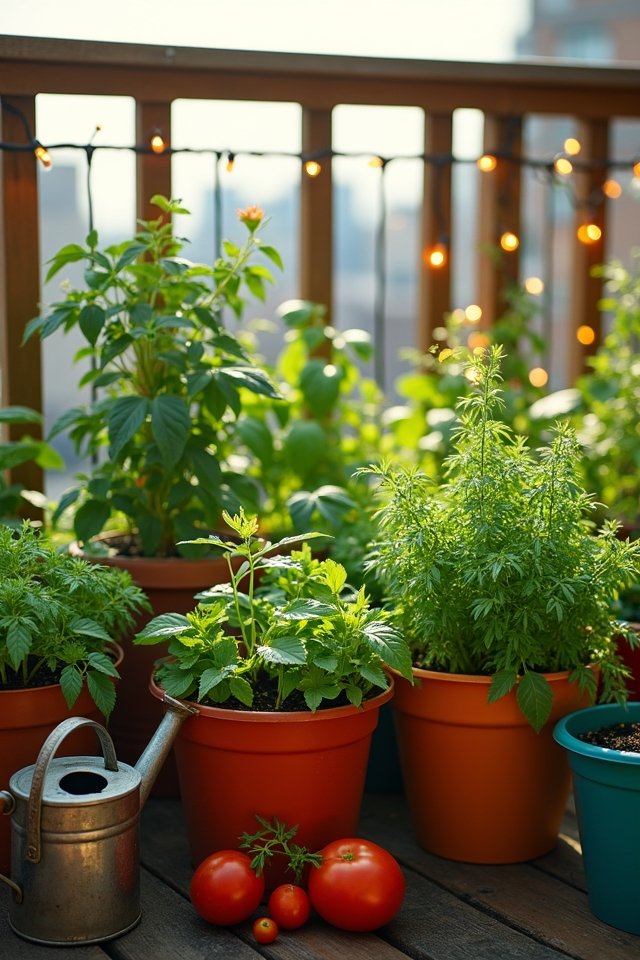
If you’re looking for a way to shake things up in your vegetable garden, using containers is a fantastic option! They offer flexibility and creativity, making gardening feel like a fun art project. Here are some great tips to get started:
- Container Types: Choose from ceramic pots, fabric bags, or even repurposed buckets. Each has its own charm!
- Soil Selection: Use high-quality potting mix to guarantee your plants thrive. Don’t skimp on this; it’s their home!
- Mobility: You can easily rearrange containers to catch the sun or spruce up your space.
- Diversity: Mix herbs, veggies, and flowers. It’s like a salad party on your patio!
Let your imagination run wild and watch your garden flourish!
Frequently Asked Questions
What Are the Best Vegetables for Beginners in Small Gardens?
If you’re just starting out, consider easy crops like radishes, lettuce, and cherry tomatoes. They’re like the friendly puppies of the garden—quick to grow and rewarding! Container gardening makes it even simpler. Picture vibrant herbs like basil and mint, thriving in colorful pots right on your balcony! Plus, who doesn’t love fresh ingredients at their fingertips? Immerse yourself, and let your little garden flourish into a tasty adventure! Happy planting!
How Do I Prevent Pests in My Small Vegetable Garden?
To keep pesky pests at bay in your small vegetable garden, invite natural predators like ladybugs and lacewings to the party! They’re like tiny superheroes for your plants! You can also whip up organic repellents using garlic or pepper—think of it as your garden’s secret weapon. Spritz these concoctions on your veggies regularly, and watch those critters scurry away. Who knew protecting your greens could be such a fun adventure? Happy gardening!
Can I Grow Vegetables Indoors?
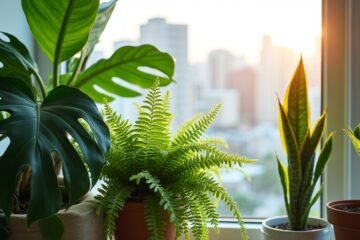
Absolutely, you can grow vegetables indoors! Imagine your kitchen transforming into a mini jungle, lush with vibrant greens. With vegetable containers, you can create a delightful indoor garden. Just pick a sunny spot, grab some pots, and plant easy-peasy herbs like basil or cherry tomatoes! Indoor gardening isn’t just practical; it’s invigorating! Who wouldn’t love snipping fresh basil for their pasta? So, roll up your sleeves, and let that indoor garden flourish!
What Soil Type Is Best for a Small Vegetable Garden?
When it comes to soil for your small vegetable garden, you want a mix that breathes! A loamy soil with good drainage is your best friend. Think of it like a cozy bed for your plants! If you’re using raised beds, fill them with a blend of compost, peat moss, and topsoil. It’s like giving your veggies a five-star hotel! They’ll thrive in this nurturing environment—can you smell that fresh produce already?
How Can I Extend the Growing Season for My Vegetables?
Want to extend your growing season? You can! Try using row covers for frost protection—think of them as cozy blankets for your veggies. You’ll be amazed at how they hug your plants, shielding them from chilly nights! Another fun idea? Use cold frames to trap warmth like a sunbather soaking up rays! With these tricks, you’ll savor fresh veggies even when the world outside gets frosty. So, let’s get growing!