If you’re looking to maximize your tiny garden’s potential, companion planting is your golden ticket! Imagine pairing fragrant basil with plump tomatoes—it’s not just delicious, but they help each other thrive! This technique fights pests naturally, enriches soil health, and creates a vibrant ecosystem right in your backyard. Plus, it makes your garden a feast for the eyes! Curious about the best companion combinations and seasonal strategies? There’s so much more to explore!
Benefits of Companion Planting in Limited Space
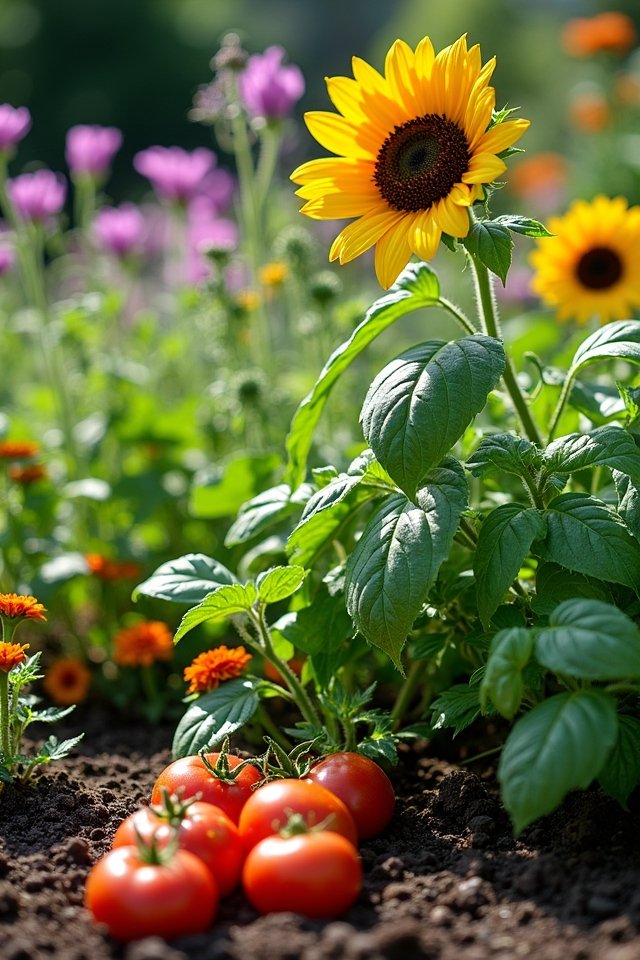
When you’re working with a small garden, it can feel like you’re trying to fit a giraffe into a tiny car—quite the challenge! But here’s the secret: companion planting can transform your limited space into a lush paradise. By pairing plants that support each other, you’re not just maximizing crop diversity; you’re also boosting space efficiency. Imagine planting tomatoes alongside basil; they thrive together, enhancing flavor while keeping pests at bay! Or consider mixing carrots with onions—each one repels the other’s pests, creating a harmonious ecosystem. You’ll be amazed at how these partnerships can turn a cramped garden into a vibrant, productive oasis. So why not welcome the magic of companion planting? Your small garden will thank you!
Enhancing Soil Health Through Companion Planting
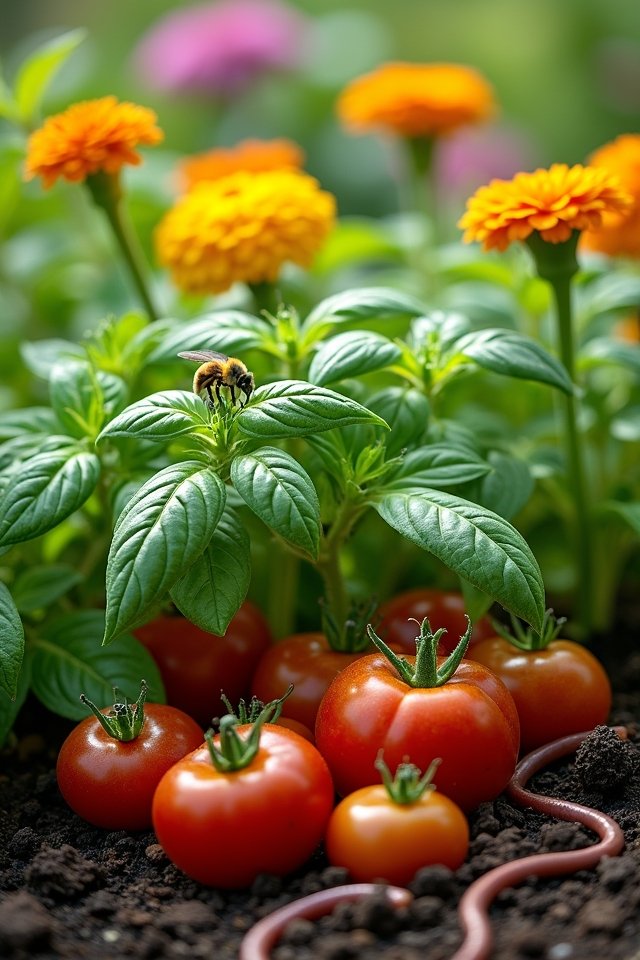
As you immerse yourself in the world of companion planting, you’ll discover that enhancing soil health can be as easy as pie! By strategically pairing plants, you’re not just growing a garden—you’re creating a mini-ecosystem! For instance, when you plant legumes alongside your veggies, they naturally fix nitrogen in the soil, acting like little fertilizer factories. This nutrient cycling enriches your garden without the need for chemical soil amendments! Plus, deep-rooted plants can break up compacted soil, improving drainage and aeration—like giving your garden a spa day! So, mix those plants wisely, and watch your soil thrive! Who knew that a bit of plant matchmaking could lead to such fertile ground? Let’s get innovative and dig deep into this rewarding practice!
Natural Pest Control With Companion Plants
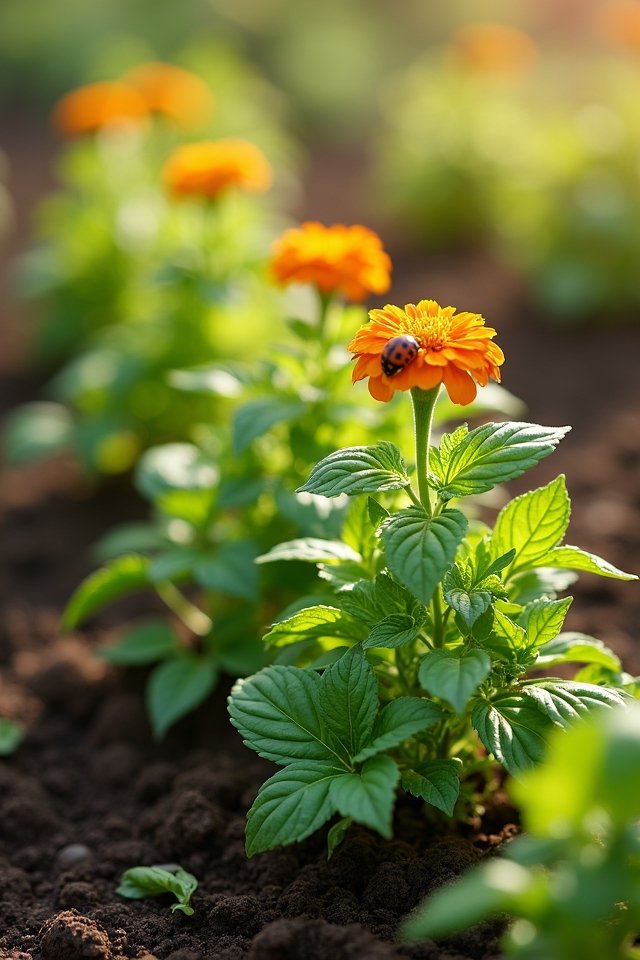
Imagine stepping into your garden and finding it buzzing with life, not just from the plants but from the delightful dance of nature’s tiniest allies! You can invite companion species like marigolds and nasturtiums to your patch, acting as natural deterrents against pests. Picture marigolds, their vibrant petals shimmering, releasing compounds that repel nematodes and aphids. Isn’t that clever? Nasturtiums, with their peppery leaves, can distract aphids away from your treasured veggies! By planting these savvy companions, you create a thriving ecosystem where beneficial insects flourish. You’ll watch ladybugs and lacewings swoop in, feasting on your garden’s pests. So, why not let nature lend a hand? Your garden deserves a lively, harmonious balance, and companion plants are the key!
Maximizing Yields in Small Gardens
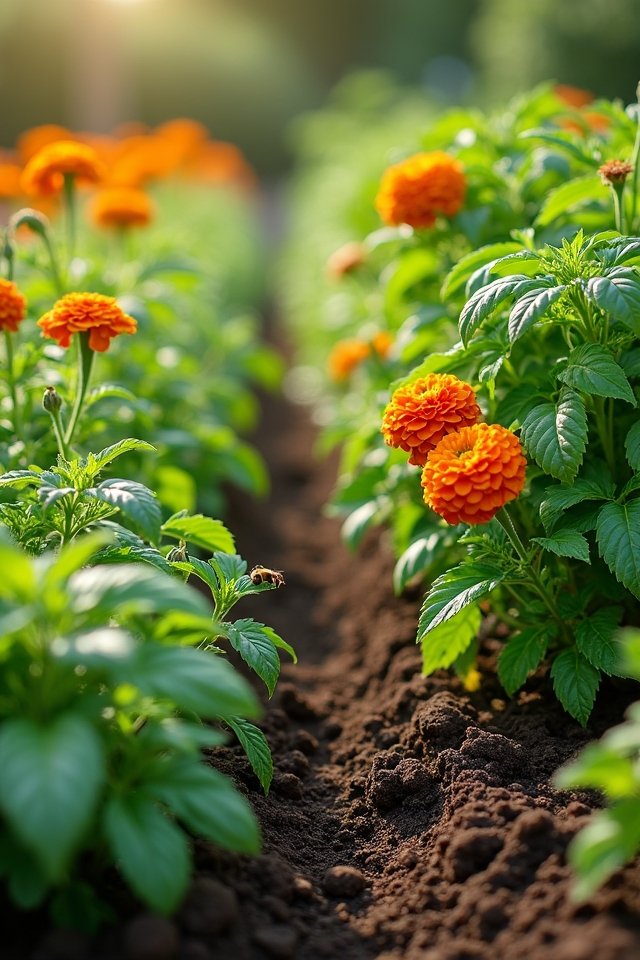
To truly release the potential of your small garden, you’ve got to think strategically! Adopt crop rotation like an artist swapping colors on a palette, ensuring nutrient balance and healthier plants. Imagine planting tomatoes one season, then moving them to a new spot the next—your plants will thrive! And don’t forget vertical gardening! It’s like giving your garden a skyscraper—maximize space by growing upward. Try trellising cucumbers and climbing beans; it’s a game-changer! Not only will you increase yields, but you’ll also create a lush, green oasis. So, why settle for just a few veggies when you can harvest a bounty? With these innovative techniques, your small garden can be a powerhouse of produce and a feast for the eyes!
Improving Flavor and Nutrition of Crops
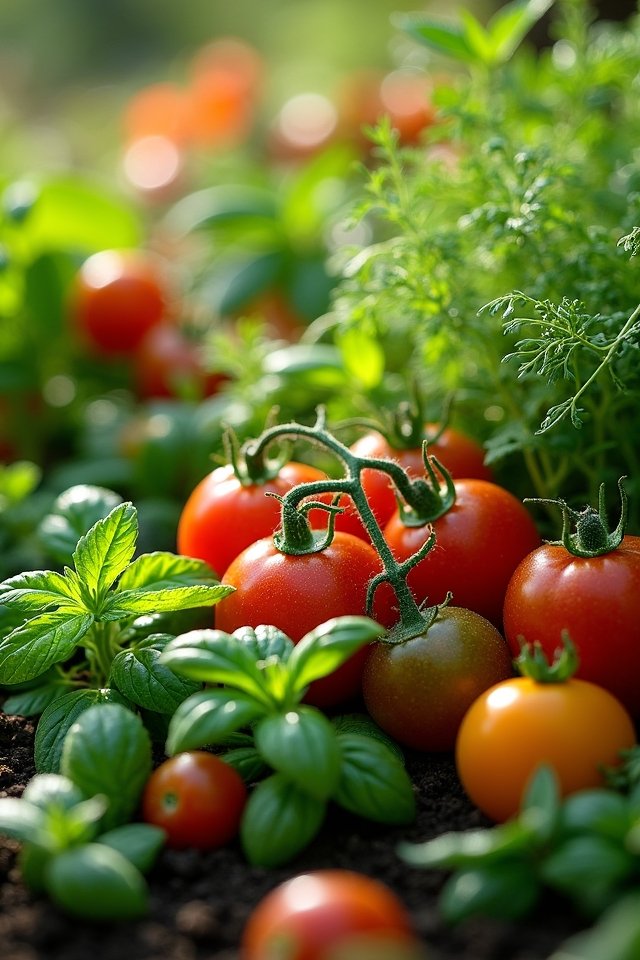
When you mix certain plants together, you’re not just growing a garden—you’re creating a flavor fiesta! Imagine this: basil and tomatoes dancing together, enhancing each other’s taste! That’s flavor enhancement at its finest. When you pair complementary crops, you’re not only boosting their deliciousness but also achieving a nutritional balance that’ll knock your socks off. For example, planting carrots alongside onions can bring out the sweetness of both, making your meals sing! Plus, those nutrients are more available, making every bite a powerhouse of goodness. So, why settle for bland? Immerse yourself in companion planting and transform your harvest into a vibrant, tasty experience. Your palate and body will thank you, and your dishes will never be the same!
Attracting Beneficial Insects to Your Garden
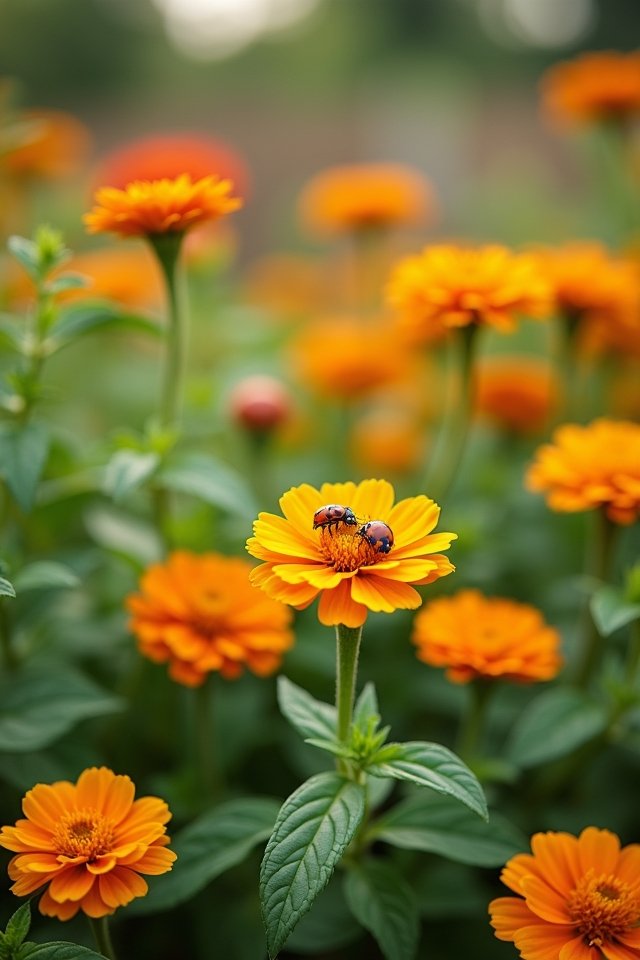
Creating a garden isn’t just about the plants you grow; it’s also about the tiny helpers you invite to the party! To boost pollinator attraction, try planting bright, fragrant flowers like lavender and marigolds. These beauties aren’t just eye candy; they create a vibrant insect habitat that’ll make bees and butterflies feel right at home. Imagine your garden buzzing with life, as these little critters flit from bloom to bloom, helping your plants thrive! You can also add herbs like dill and fennel, which are magnets for beneficial insects. So, why not sprinkle some innovation into your garden? With a few strategic choices, you’ll turn your small space into a delightful haven for nature’s best friends!
Companion Planting Combinations for Small Spaces
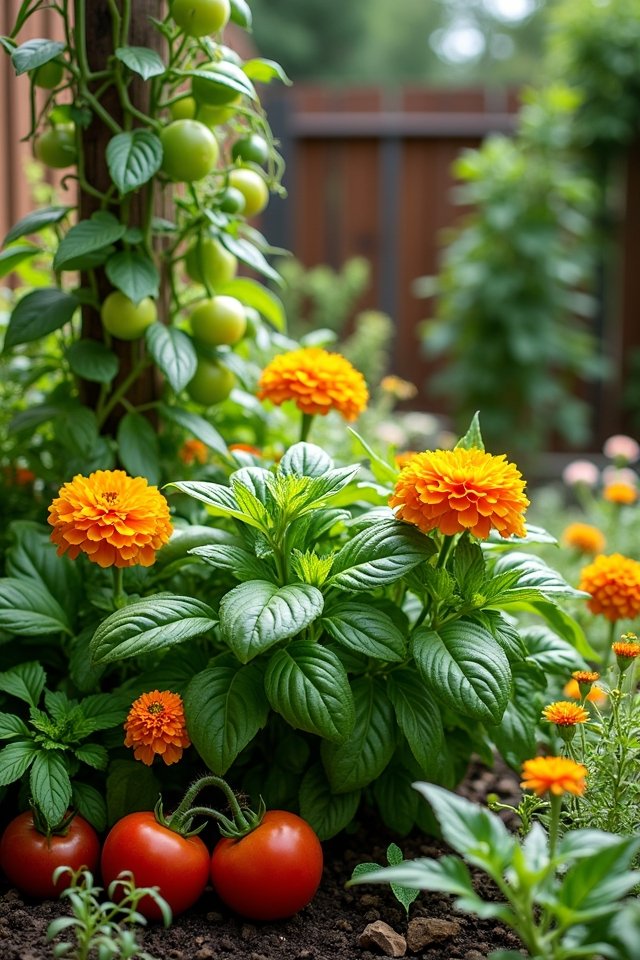
Boosting your garden’s health goes beyond inviting those buzzing pollinators; it also means knowing which plants like to hang out together! Imagine planting tomatoes alongside basil; their herb pairings create a flavor explosion in your kitchen while naturally repelling pests. How about pairing carrots with onions? These vegetable compatibilities not only optimize space but also enhance growth—like best friends supporting each other!
Try adding marigolds near your veggies; they’ll keep those pesky nematodes away while brightening your garden. And don’t forget about the power of mint—its invigorating scent can deter unwanted insects when paired with cabbages. With these clever combinations, your small garden will thrive, bursting with flavor and energy! Happy planting! 🌱
Reducing Weeds With Strategic Planting
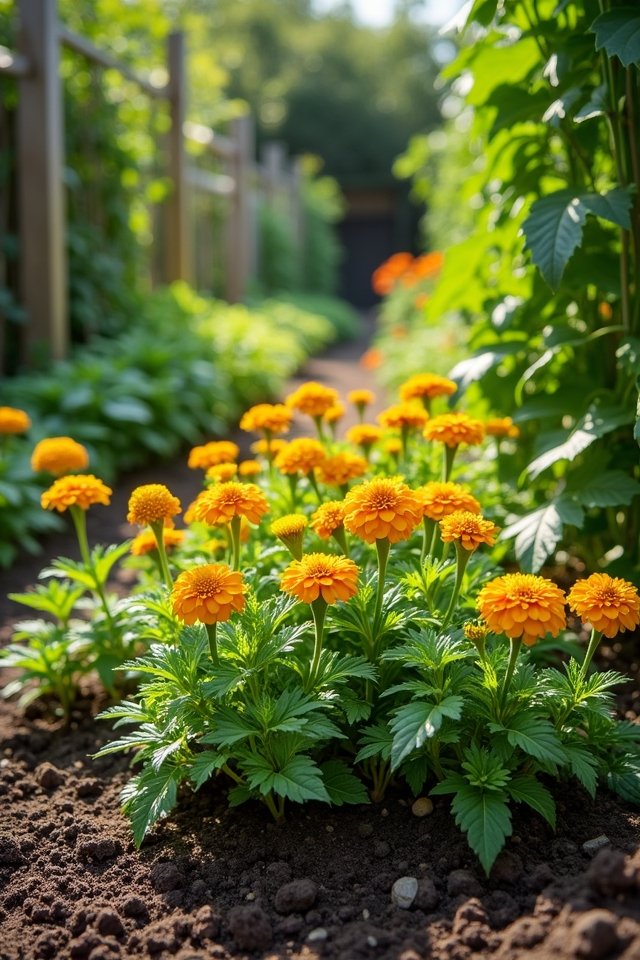
While you might think weeds are inevitable in any garden, there’s a clever way to give them the boot by planting strategically! By enhancing plant diversity, you create a vibrant community where weed suppression thrives. Think of it as nature’s own defense team! For instance, planting marigolds alongside your veggies isn’t just pretty; they deter pests and shade the soil, blocking sunlight that weeds crave. You can also mix fast-growing crops like radishes with slower ones like carrots. The radishes sprout quickly, filling space and leaving less room for pesky weeds! So, adopt this innovative approach and watch your small garden flourish while keeping those unruly weeds at bay! Isn’t gardening just the best?
Promoting Biodiversity in Urban Gardens
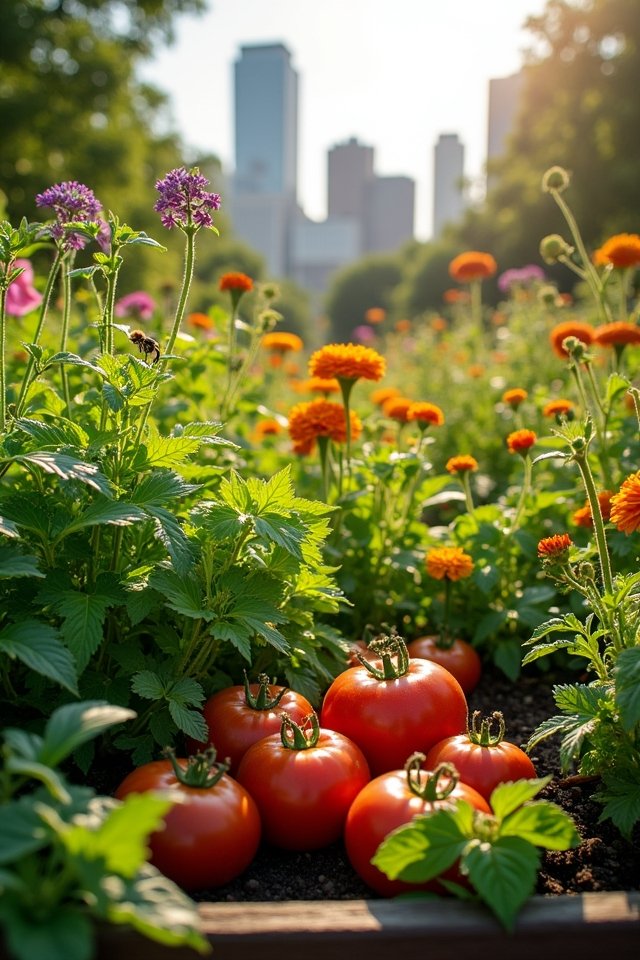
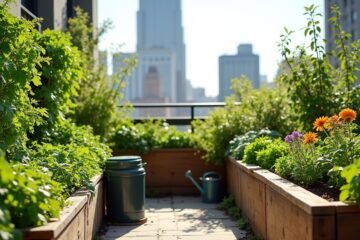
When you think about urban gardening, it’s easy to feel like you’re working against the odds, but promoting biodiversity can turn your little patch of earth into a thriving ecosystem! Imagine lush flowers attracting buzzing bees, while vibrant veggies invite curious critters. These biodiversity benefits aren’t just pretty; they strengthen urban ecosystems and help control pests naturally! By mixing plants like marigolds with tomatoes, you create a habitat that encourages beneficial insects. Plus, diverse plants can improve soil health, making your garden more resilient. So, why not welcome the chaos? Your garden can be a colorful tapestry of life, bursting with energy and flavor! Immerse yourself, and watch your tiny urban jungle flourish like never before!
Seasonal Companion Planting Strategies for Small Gardens
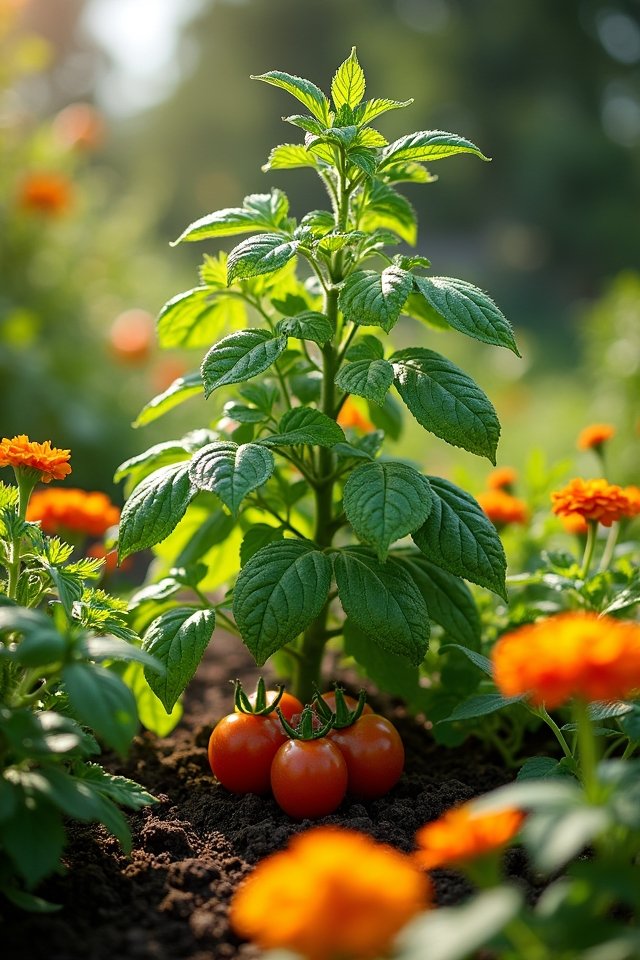
Mixing it up in your small garden can lead to a bounty of flavors and colors! Welcome seasonal rotations, and watch your garden transform with every passing month. For spring, plant peas alongside radishes—these little powerhouses thrive together! In summer, consider pairing tomatoes with basil; their aromatic dance will have you in culinary bliss. As autumn rolls in, swap in kale next to marigolds, which help repel pests. Don’t forget to create plant schedules that keep your garden alive and well all year round! Just like a well-choreographed dance, each plant plays its part. So, why not get creative? With the right combinations, your small garden will be a vibrant masterpiece, bursting with life and flavor!
Frequently Asked Questions
How Do I Choose Companion Plants for My Specific Garden Conditions?
Choosing companion plants is like a matchmaking game for your garden! First, assess your soil conditions—are they sandy, loamy, or clayey? Then, think about plant compatibility. For instance, tomatoes love basil, while beans thrive alongside corn. Mix colors, textures, and scents to create a dazzling display! Remember, some plants repel pests while others attract beneficial insects. So, let your garden flourish with these perfect pairings and watch it become a vibrant oasis!
Can Companion Planting Be Done in Containers or Raised Beds?
Absolutely, you can rock companion planting in containers or raised beds! Think of container compatibility like a perfect dance partner; tomatoes love basil, and they’ll thrive together! Raised bed benefits include better drainage and more space for your plants to mingle. Imagine juicy peppers cozying up to aromatic herbs—it’s a garden party! So, grab those pots and get creative! You’ll enjoy bountiful flavors and a vibrant display that’ll make your neighbors green with envy!
Is There a Best Time to Implement Companion Planting Strategies?
You’ll want to reflect on seasonal factors when planning your companion planting! Timing is everything, right? Start your planting schedule in early spring for warm-weather buddies like tomatoes and basil—they’re like best friends! Then, as summer rolls in, think about mixing cool-weather crops, like lettuce, with radishes. This combo keeps pests at bay and maximizes your space! So, don’t just throw seeds around—plan for harmony! Your garden will thank you!
How Often Should I Rotate My Companion Plant Selections?
Think of your garden as a dance floor! To keep the rhythm lively, you should rotate your companion plants every season. This rotation frequency helps prevent pests from crashing your party. For instance, after summer, swap out sunflowers for leafy greens like lettuce. As seasonal changes unfold, your garden’s energy transforms, keeping both plants and soil happy. So, don’t let your garden get stale—mix it up and watch the magic unfold!
Are There Any Plants That Should Never Be Paired Together?
You’ve got to watch out for toxic combinations in your garden! For instance, never pair onions and beans; they’re like oil and water, just don’t mix! Similarly, planting tomatoes and corn together creates incompatible species that might ruin your harvest. Imagine the disappointment! So, keep a sharp eye on your plant buddies, and you’ll create a thriving garden that dances in the sunlight! Happy planting, friend! 🌱✨