Looking to jazz up your small garden with the best companion plants? Try pairing basil with your tomatoes—it’s like giving them a gourmet chef! Or plant carrots alongside onions; they’ll appreciate the shade while onions fend off pests. Don’t forget marigolds—they’re your garden’s tiny bodyguards, repelling aphids like champions! With these lively duos, you’ll create a vibrant ecosystem that’ll have your plants singing! Curious about more combinations? Stay tuned for even more garden magic!
Benefits of Companion Planting in Small Gardens
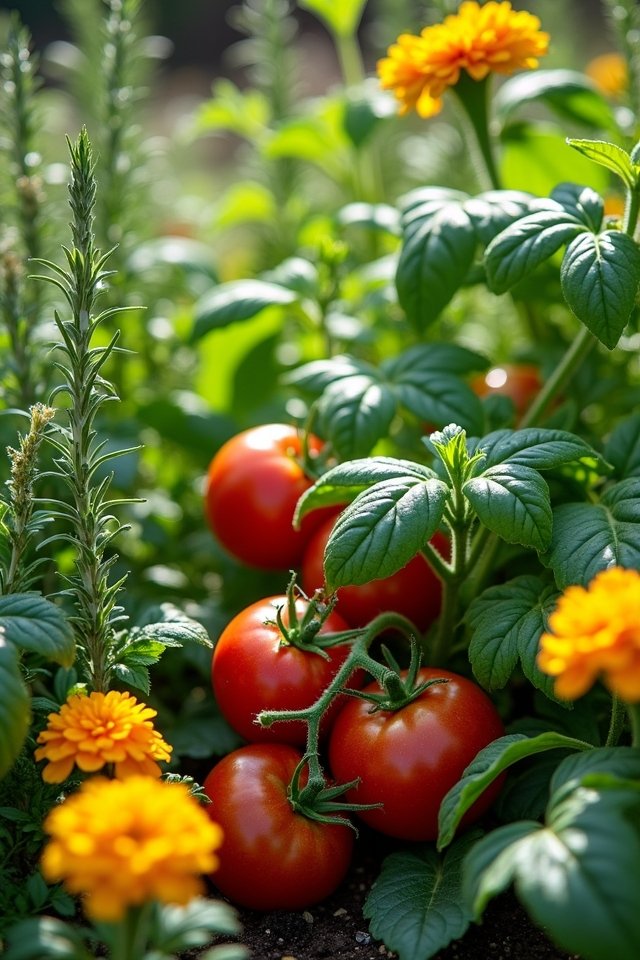
When you think about small gardens, you might picture a cozy little patch of green, bursting with life! Companion planting benefits are a game-changer for those tiny spaces. Imagine planting tomatoes with basil; their fragrant friendship not only tastes divine but also wards off pesky pests! This dynamic duo enhances garden biodiversity, creating a vibrant ecosystem where beneficial insects thrive. Plus, diverse plants can improve soil health, making your garden a mini paradise! You’ll be amazed at how a few thoughtful combinations can create a thriving environment, attracting bees and butterflies that dance among your blooms. Who knew your small garden could be a powerhouse of innovation and sustainability? Let’s get planting and watch the magic unfold!
Herbs That Thrive Together
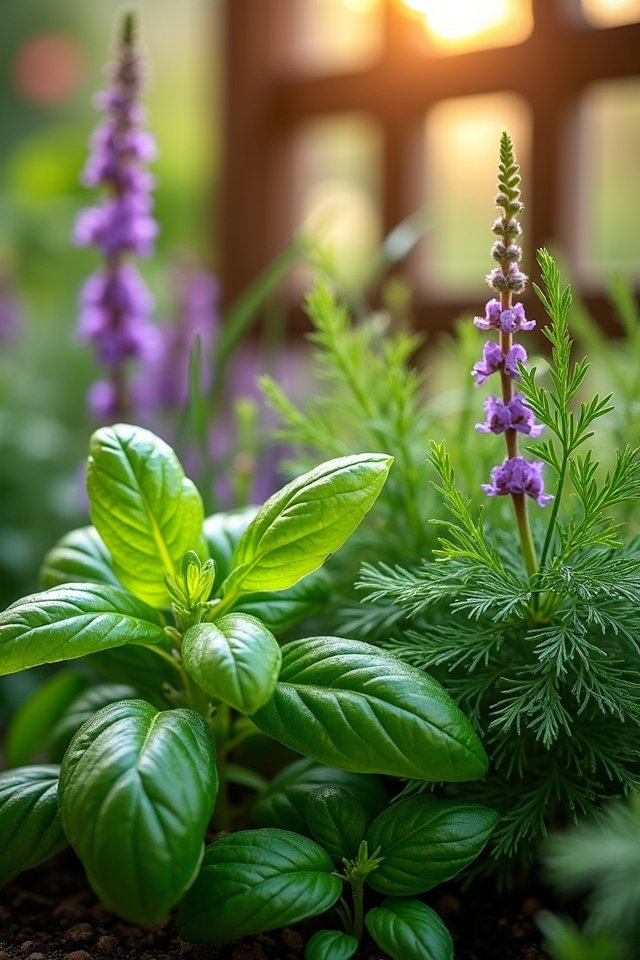
Pairing herbs in your small garden can be like crafting a culinary dream team! Imagine the aromatic symphony of basil and tomatoes, where basil benefits by enhancing flavor while repelling pests. Now, picture mint mixtures—these lively plants bring a rejuvenating zest to your garden! Plant peppermint alongside your favorite veggies, and you’ll enjoy its invigorating scent while keeping unwanted bugs at bay. You can also mix spearmint with salads for a delightful twist! Just remember, mint can be a bit of a show-off—keep it contained to prevent it from taking over. So, experiment with these herb pairings, and watch your small garden thrive with delicious flavors and enticing aromas! Isn’t gardening just the best?
Vegetables That Complement Each Other
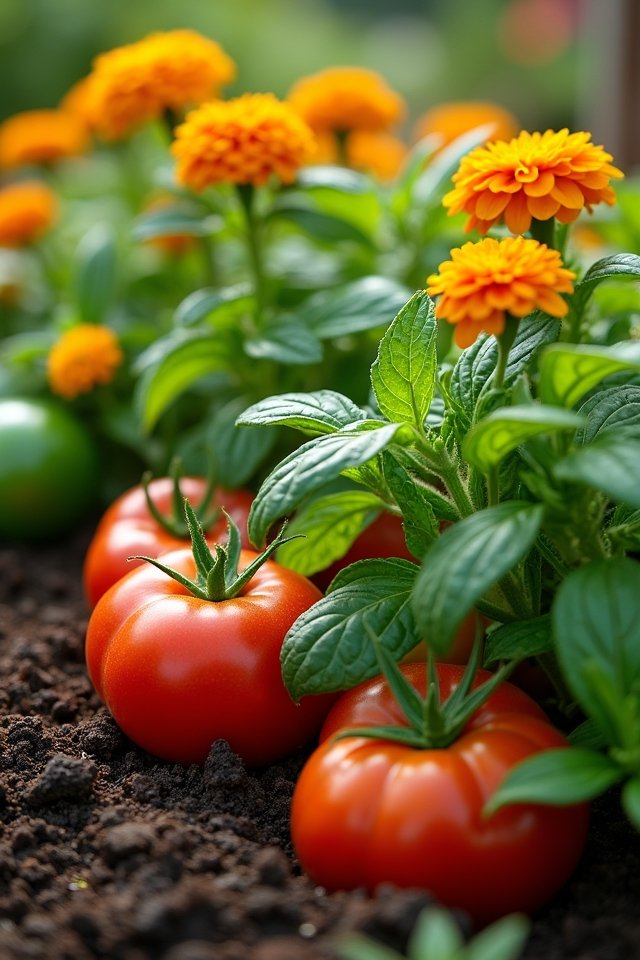
Just imagine strolling through your small garden, where vibrant vegetables stand shoulder to shoulder, each boosting the other’s growth! Pairing tomatoes with basil is a classic—those two are like best friends, sharing nutrients and flavors. Want a twist? Try planting carrots alongside onions; the onions keep pesky flies at bay while carrots thrive in their shade! Remember to welcome crop rotation too; switching up your veggies each season helps replenish the soil, preventing nutrient depletion. How about mixing beans with corn? The beans fix nitrogen in the soil, giving the corn a nutrient boost! It’s like a perfect dance of cooperation, where everyone benefits! So, get creative and watch your garden flourish with these dynamic duos!
Flowers That Attract Beneficial Insects
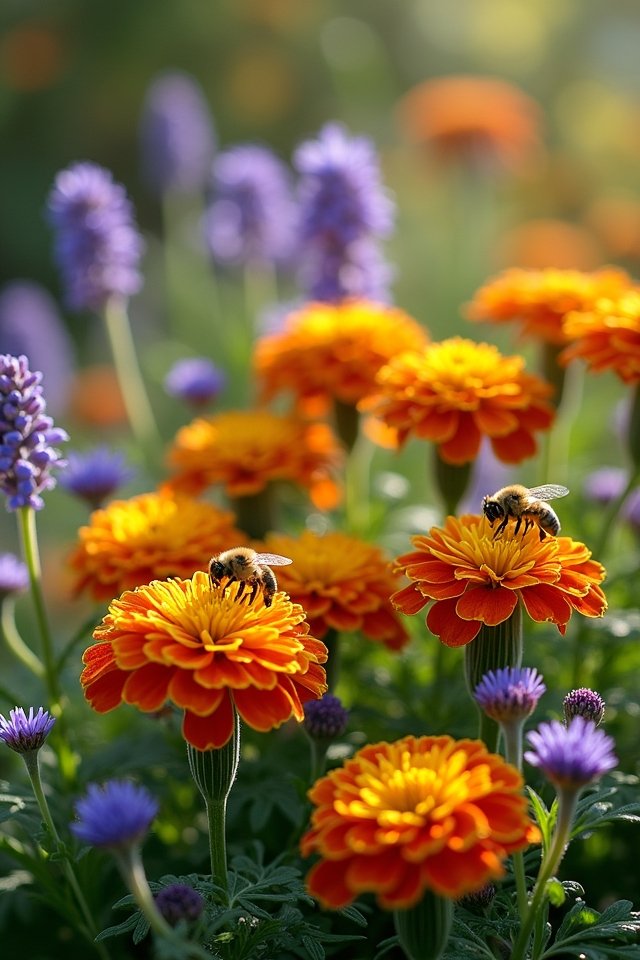
If you want to invite a parade of helpful insects into your garden, you’ll need to roll out the red carpet for some stunning flowers! By planting pollinator friendly flowers, you’ll create a buzzing haven of activity. These nectar rich blooms are like candy for bees and butterflies!
- Lavender: Its fragrant purple spikes attract a variety of pollinators.
- Echinacea (Coneflower): This beauty’s petals are a favorite stop for bees and butterflies alike!
- Marigolds: Bright and cheerful, they draw in beneficial insects while adding a splash of color.
- Zinnias: With their vivid colors, they’ll have butterflies flitting about like they own the place!
Companion Plants for Pest Control
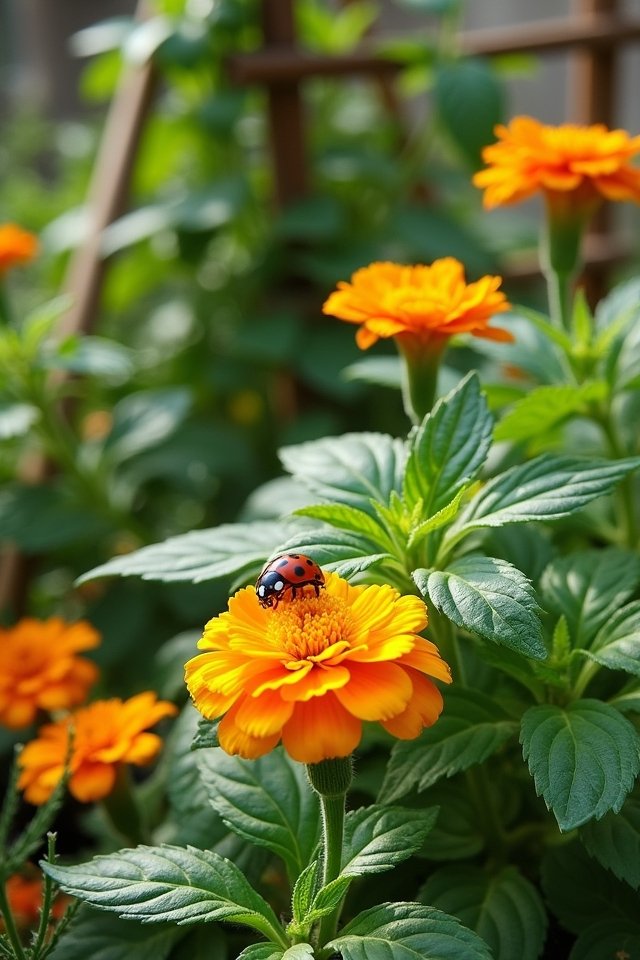
While pests can feel like uninvited guests crashing your garden party, you can easily send them packing with some clever companion planting! Think of companion flowers as your garden’s bouncers. Marigolds are fantastic pest repellents, warding off pesky aphids and nematodes with their vibrant blooms and pungent scent. Nasturtiums not only look stunning but also attract aphids away from your veggies—talk about a win-win! Planting basil near tomatoes can deter those annoying tomato hornworms, too. Imagine a garden that not only thrives but also keeps the party crashing pests at bay! So, why not invite these fabulous companions to your garden soirée? With the right plants, your garden can be a vibrant, pest-free paradise!
Maximizing Space With Vertical Gardening
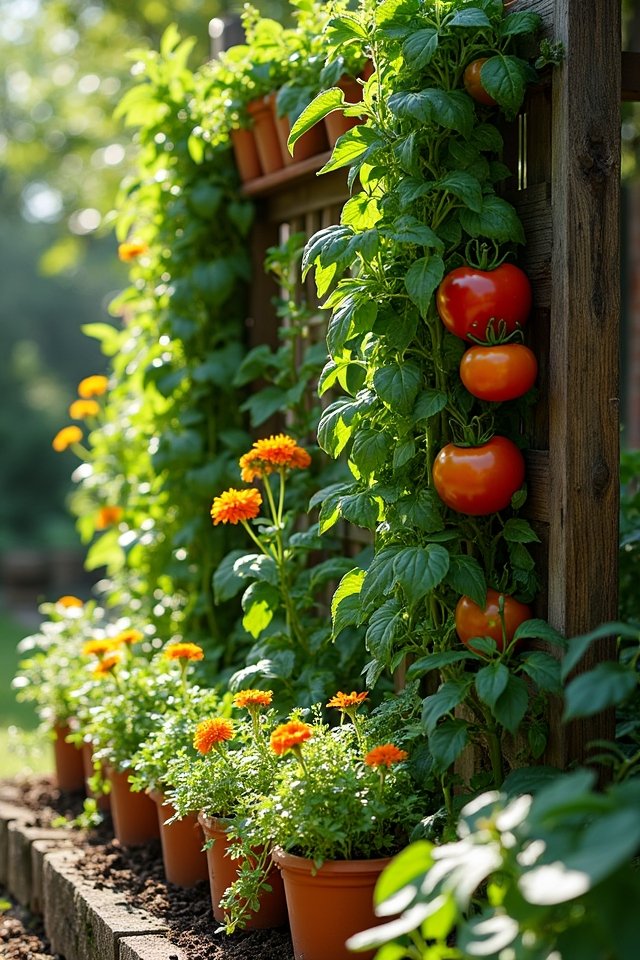
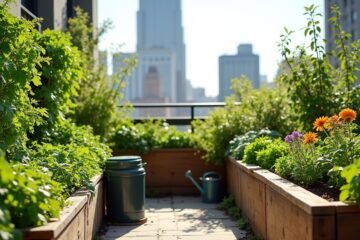
When you’re short on space but big on dreams for your garden, vertical gardening is like finding a hidden treasure chest! By utilizing vertical structures, you can turn walls and fences into lush green canvases. Imagine your climbing plants reaching for the sky, creating a vibrant tapestry of colors and textures!
- Use trellises to support your favorite beans and peas.
- Hang pots with strawberries to create a delightful edible display.
- Install wall planters for herbs that’ll be just a reach away.
- Create a living wall with cascading flowers for an eye-catching feature!
With a little creativity and some climbing plants, you can transform any small space into a thriving oasis. Why not start your vertical adventure today?
Seasonal Companion Planting Strategies
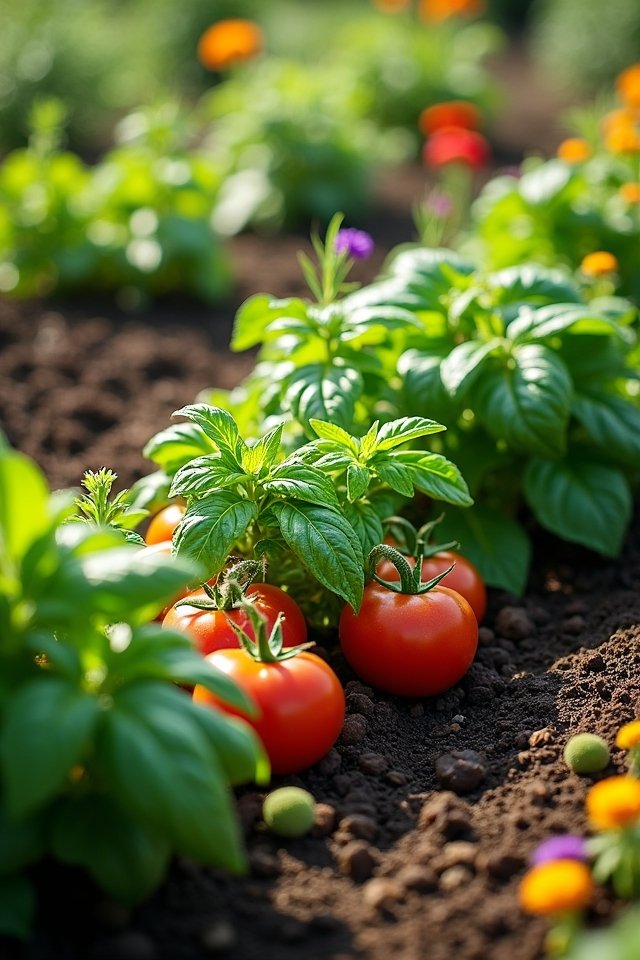
As you plunge into the world of gardening, consider this: companion planting isn’t just a strategy; it’s like pairing a fine wine with your favorite meal! Seasonal timing is essential, so plan your garden like a well-orchestrated symphony. In spring, plant peas alongside carrots, as they cheer each other on while growing! When summer rolls in, introduce basil next to tomatoes; their aromas mingle beautifully, deterring pests. Don’t forget about crop rotation—this keeps the soil lively! After harvesting, switch your crops around; for example, follow your beans with leafy greens, which thrive on the nutrients left behind. Welcome these strategic pairings, and watch your small garden flourish like a vibrant tapestry of flavor and color!
Soil Health and Companion Planting
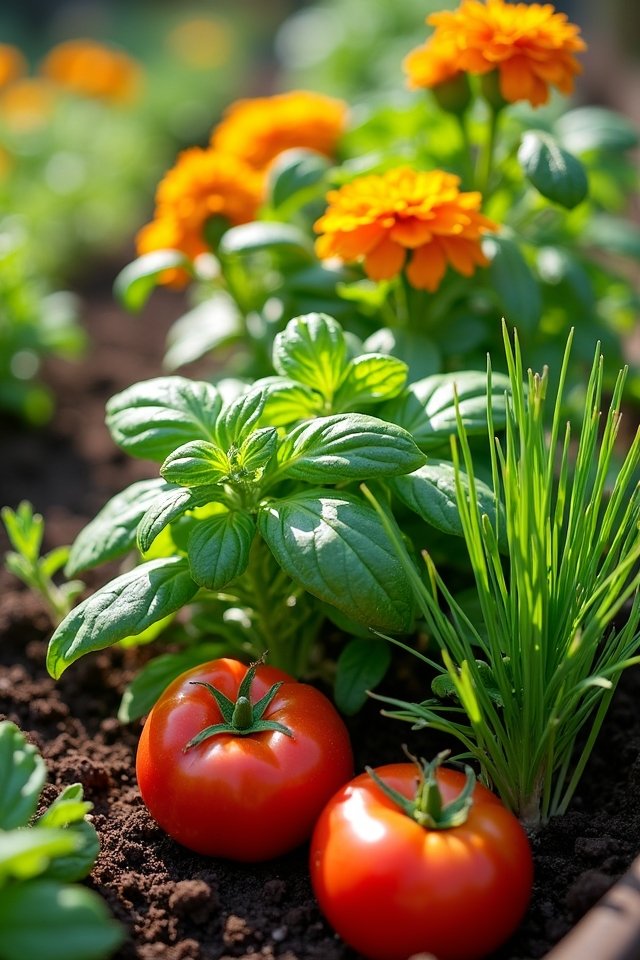
Soil health is the unsung hero of your garden, and you might not realize just how much it influences your plants’ success! Healthy soil not only supports your plants but also boosts nutrient cycling, making your garden thrive. By adding soil amendments, like compost or worm castings, you can supercharge your soil’s capabilities!
- Enhance beneficial microbes for vibrant growth.
- Improve water retention and drainage.
- Create a balanced ecosystem for your plants.
- Reduce pests naturally with companion planting!
Frequently Asked Questions
How Can Companion Planting Improve Overall Garden Aesthetics?
Companion planting’s like creating a living work of art! By mixing plants, you achieve aesthetic harmony and visual diversity. Imagine vibrant marigolds dancing beside tall sunflowers, their bright colors and textures complementing each other. This eye-catching combo not only pleases the eye but also attracts helpful pollinators! Who wouldn’t want a garden that’s both beautiful and buzzing with life? So, let your plants play together, and watch your garden transform into a stunning masterpiece!
Are There Any Companion Plants to Avoid in Small Gardens?
You’ve got to dodge those companion plant pitfalls! Some combinations can turn your vibrant garden into a chaotic jungle. For instance, planting garlic near beans can lead to a dismal harvest—it’s like inviting a party crasher! Avoid planting cabbage with strawberries; they don’t get along, and you’ll end up with sad plants. Stick to harmonious pairs, and your garden will be a delightful oasis instead of a battleground! Happy planting!
What Are the Best Companion Plants for Shade Gardens?
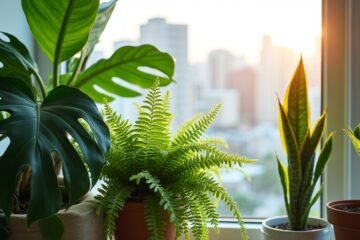
When it comes to shade-loving plants, think of ferns and hostas as your garden’s best friends! They thrive in the cooler, moister spots, much like a cozy hideaway. Pair them with astilbe for a splash of color and to help with moisture retention. Imagine those feathery blooms dancing in the breeze! Don’t forget about heuchera, too, with its stunning foliage. Isn’t it exciting to create a lush, enchanting retreat right in your backyard?
Can Companion Planting Reduce the Need for Fertilizers?
Imagine your garden as a vibrant orchestra, where each plant plays its part in a harmonious symphony! Companion planting can indeed reduce your need for fertilizers. By fostering nutrient cycling, plants like clover fix nitrogen, enriching the soil while others thrive. It’s like a natural fertilizer alternative! Plus, those leafy greens can shade delicate herbs, creating a cozy haven. So, why not let nature do the heavy lifting? Your garden will thank you!
How Does Companion Planting Impact Local Wildlife?
Companion planting can be a game-changer for local wildlife! You’ll attract buzzing pollinators like bees with colorful flowers, creating a vibrant mini-ecosystem. Plus, think about how certain plants can help with pest control—like marigolds deterring pesky aphids. It’s like having your garden’s very own security system! By encouraging beneficial insects, you’re not just gardening; you’re fostering a lively habitat. Isn’t it exciting to know your plants can make such a difference?