Soil preparation is the magic wand that turns your ordinary patch of dirt into a vegetable wonderland! By enriching your soil with the right nutrients, you’re giving your plants a cozy home to thrive. Think of it as setting the perfect stage for a performance! Good soil composition, with a balanced pH, lets your veggies absorb nutrients like sponges. Plus, regular testing and amendments keep your garden’s health in check. Keep going to discover even more secrets to boost your garden’s success!
Importance of Soil Quality for Vegetable Growth
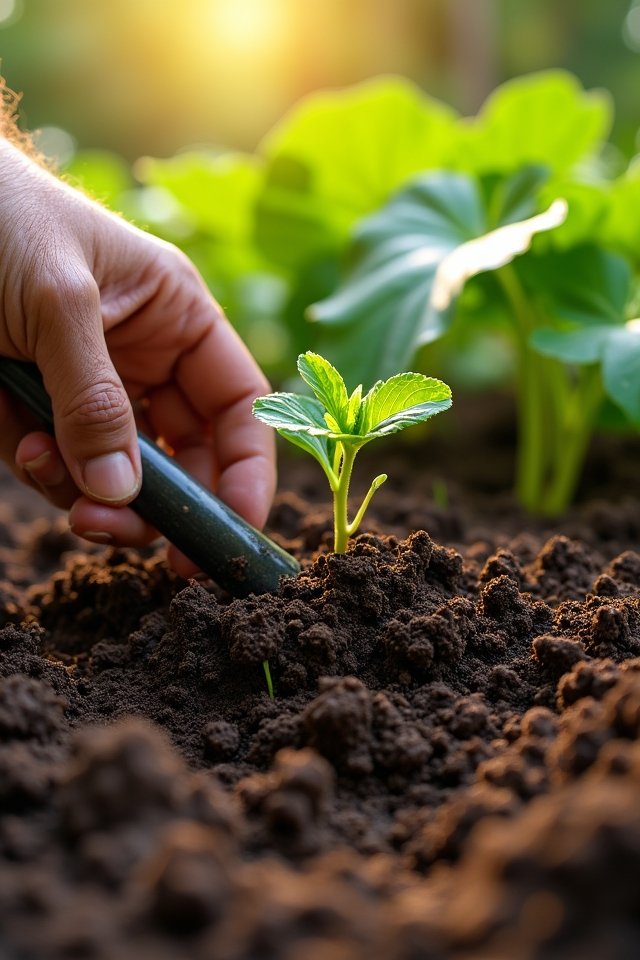
When you immerse yourself in the world of gardening, you might think the magic lies in the seeds or the sunlight, but let me tell you: it all starts with the soil! Imagine your soil as a cozy blanket for your veggies, nurturing them. Good soil quality is essential for vibrant growth. Think about crop rotation; it’s like giving your plants a mini vacation! By rotating crops, you help maintain soil nutrients, sparking a cycle of nutrient cycling that keeps your garden lush and thriving. Healthy soil is a buffet for roots, packed with the good stuff they crave. So, test your soil, amend it, and watch your vegetables spring to life with excitement and flavor! Isn’t that a delightful prospect?
Understanding Soil Composition
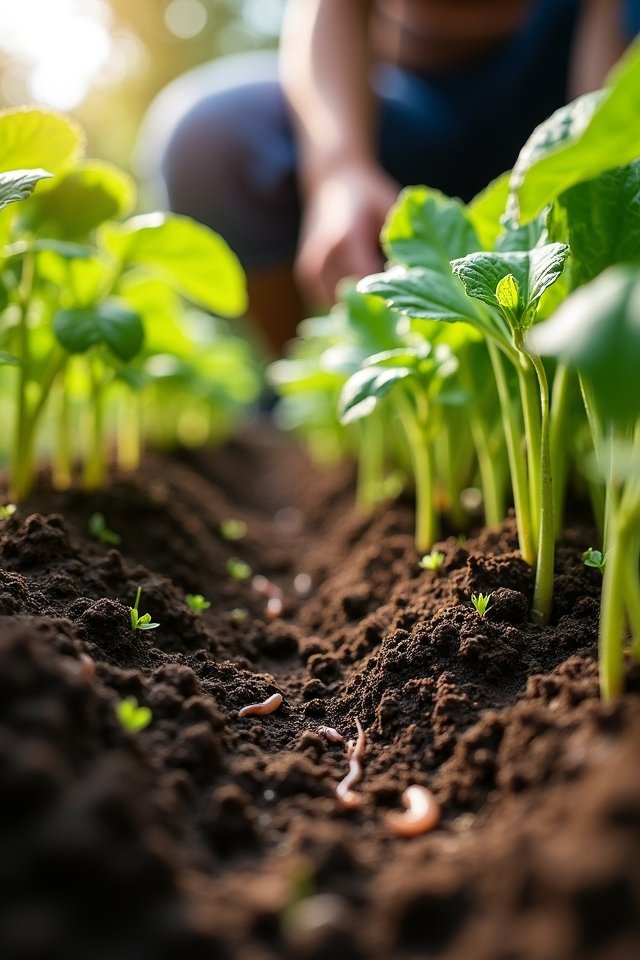
Soil isn’t just dirt; it’s a vibrant community bustling with life! Understanding soil composition is key for creating a thriving garden. Different soil types affect your plants in unique ways, so you’ll want to know what you’re working with. Here’s what to take into account for that perfect nutrient balance:
- Sand – Provides good drainage but can’t hold nutrients well.
- Silt – Holds moisture and nutrients, making it a gardener’s best friend!
- Clay – Retains water but can become compacted, suffocating roots.
The Role of Ph Levels in Soil Health
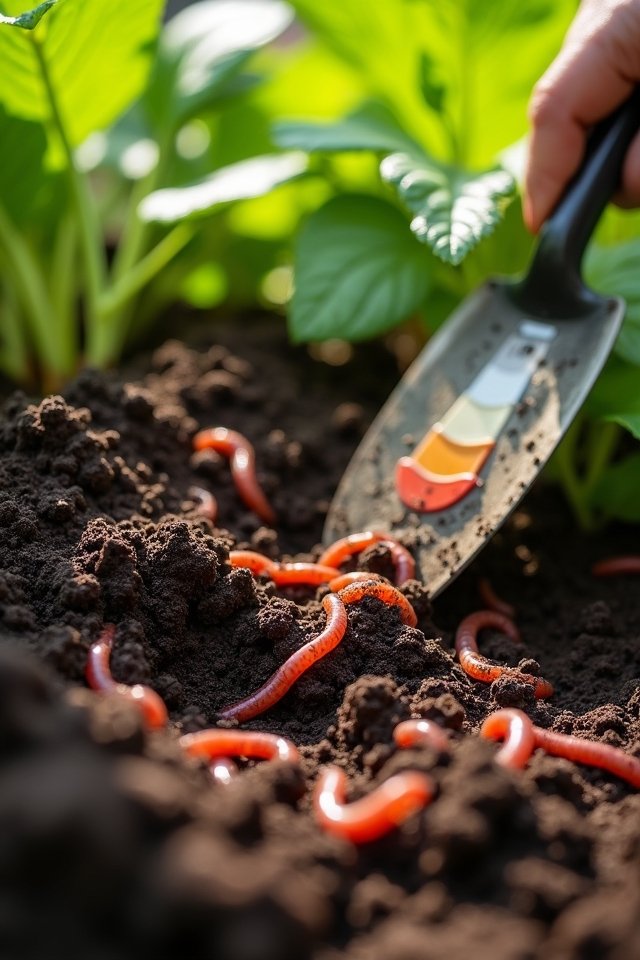
Have you ever wondered why some plants thrive while others seem to struggle? The secret often lies in pH levels! Conducting a pH measurement can reveal the hidden story of your soil’s health. Most plants prefer a slightly acidic to neutral pH, which boosts nutrient availability. Picture your soil as a buffet; if the pH is off, some nutrients might be locked up, leaving your plants hungry and unhappy!
For example, if your soil’s pH is too low, iron and manganese can become too available, leading to toxicity. Conversely, high pH can starve plants of essential nutrients like phosphorus. So, keep your soil’s pH in check, and watch your garden flourish like never before! Isn’t that exciting?
Benefits of Soil Testing
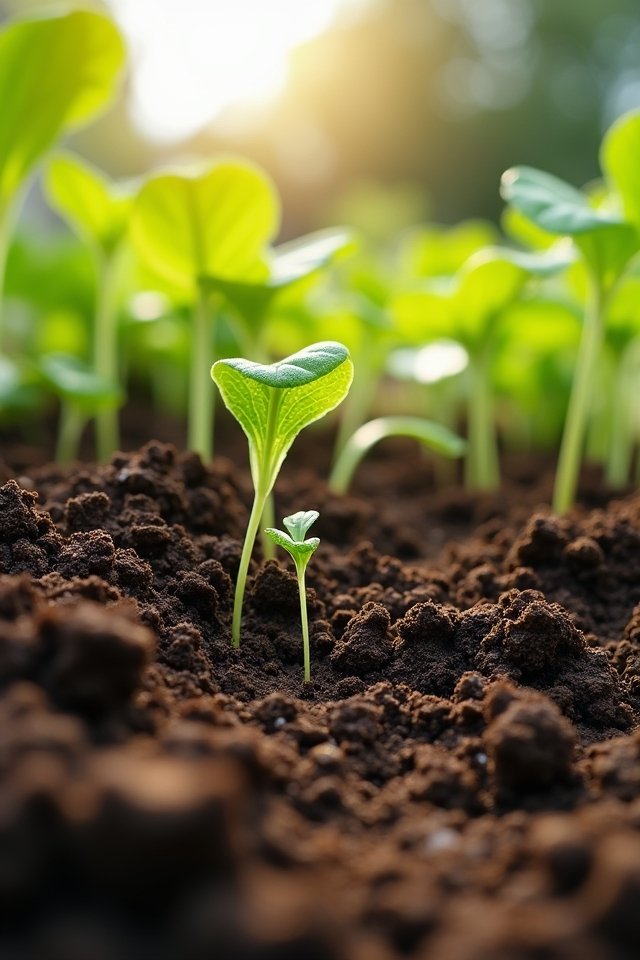
Understanding your soil’s pH is just the tip of the iceberg! Soil testing reveals a treasure chest of benefits for your garden. When you know your soil nutrients, you can cultivate a thriving oasis! Here are three key benefits of soil testing:
- Tailored Fertilization: Discover exactly what nutrients your soil craves, so you’re not just guessing and hoping.
- Disease Prevention: Spot potential issues before they wreak havoc on your plants, keeping your garden healthy and vibrant.
- Cost Efficiency: Save money by avoiding unnecessary fertilizers and amendments—who doesn’t love a budget-friendly garden?
With modern testing methods, you can quickly and easily understand your soil’s needs. So, roll up your sleeves and dig into the science of your garden—it’s worth it!
Techniques for Amending Soil
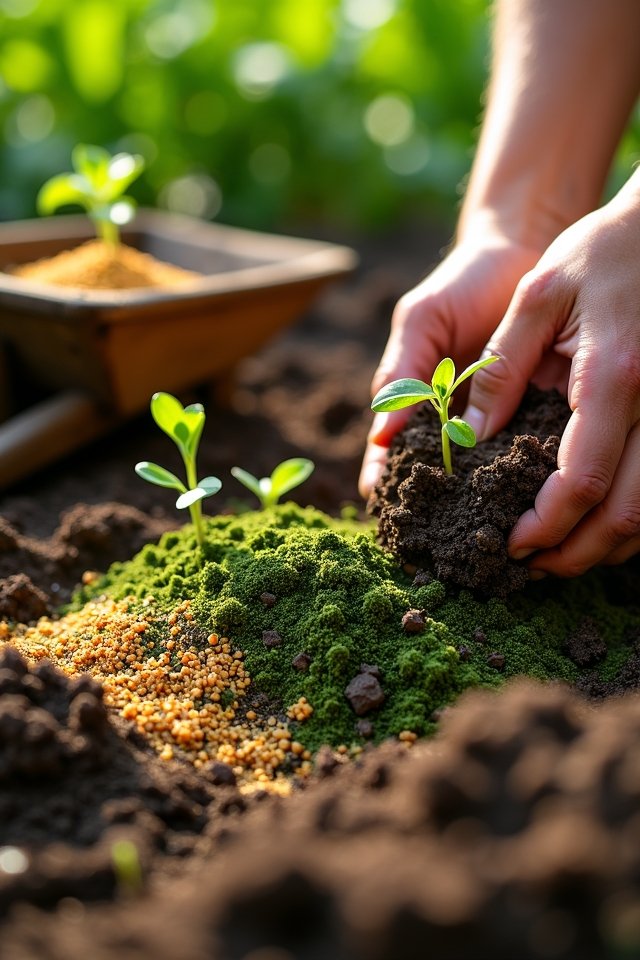
When you plunge into the world of soil amendment, it’s like giving your garden a much-needed spa day! To invigorate your soil, consider planting cover crops like clover or rye. These green wonders not only add nutrients but also boost soil microbes, those tiny heroes working tirelessly beneath the surface! You’ll be amazed at how they improve soil structure, helping your plants breathe easier.
Don’t forget to mix in organic matter, like compost or well-rotted manure, to create a rich, luscious environment. Picture that dark, crumbly texture, just waiting to cradle your seedlings! So, roll up your sleeves, get your hands dirty, and watch your garden thrive like never before! Isn’t it exciting to transform your patch of earth into a flourishing oasis?
The Impact of Soil Structure on Plant Roots
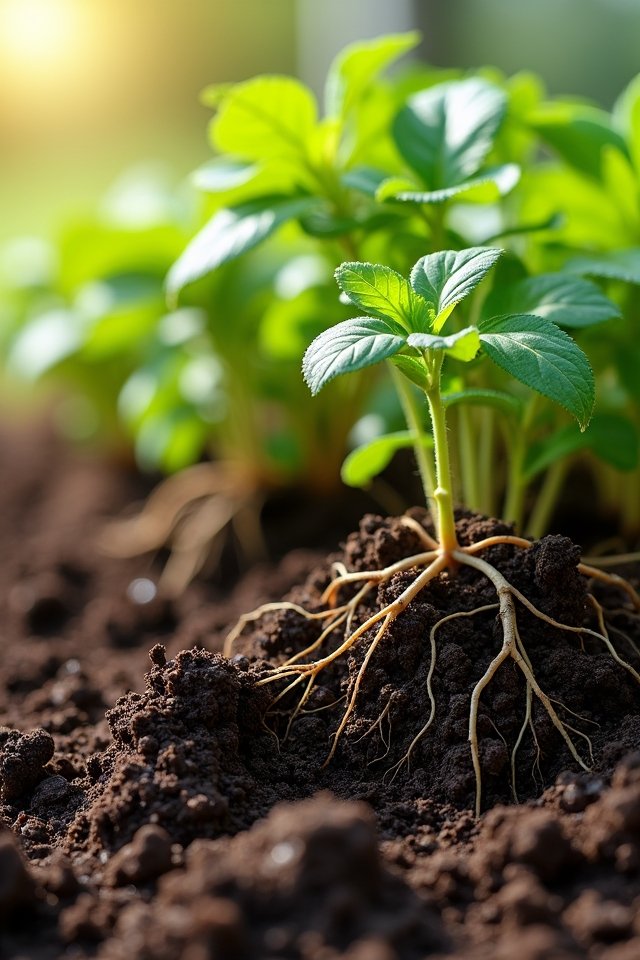
Soil structure is like the cozy home your plants need for their roots to thrive! Think of how roots expand and explore the soil, searching for nutrients and water. A well-structured soil helps them do just that! Here’s why it matters:
- Root Expansion: With good structure, roots can spread freely, ensuring your plants get the support they need.
- Soil Aeration: Properly structured soil allows air to circulate, keeping roots oxygenated and healthy.
- Water Drainage: Adequate structure prevents waterlogging, so your plants won’t drown!
Organic vs. Synthetic Soil Amendments
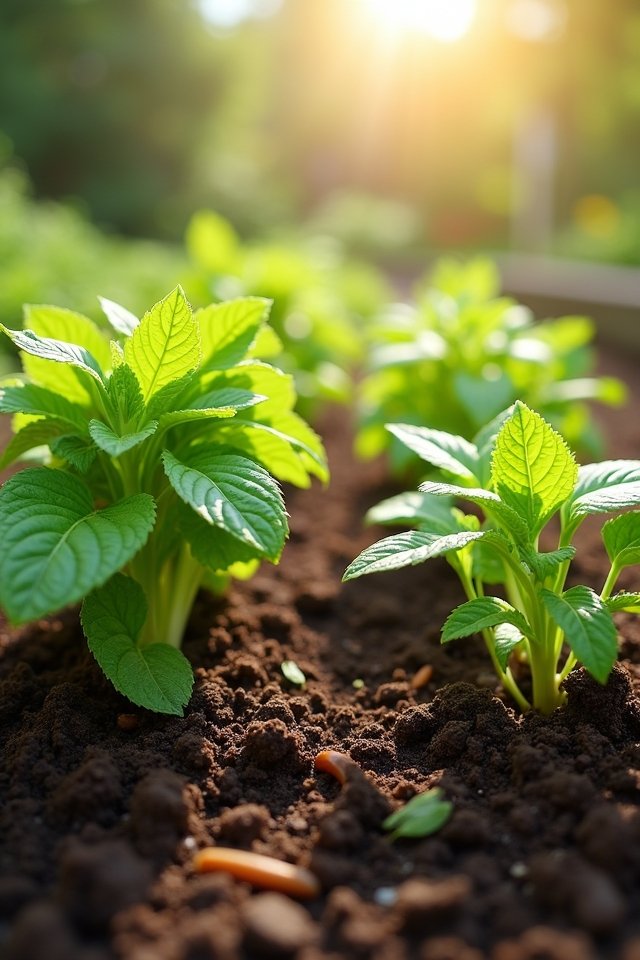
Choosing the right soil amendments can feel like picking a favorite ice cream flavor—there are just so many delicious options! When it comes to organic amendments, you’ll enjoy benefits like improved soil structure, enhanced moisture retention, and a boost in beneficial microbes—think of it as a rich, creamy sundae for your plants! On the flip side, synthetic amendments can pack a punch with quick-release nutrients, but their drawbacks include potential soil degradation and a risk of chemical buildup. Who wants that? So, while you might be tempted by the instant gratification of synthetics, consider the long-term health and vibrant life organic options can bring to your garden. After all, isn’t it worth treating your plants to the best?
Preparing Soil for Seasonal Planting
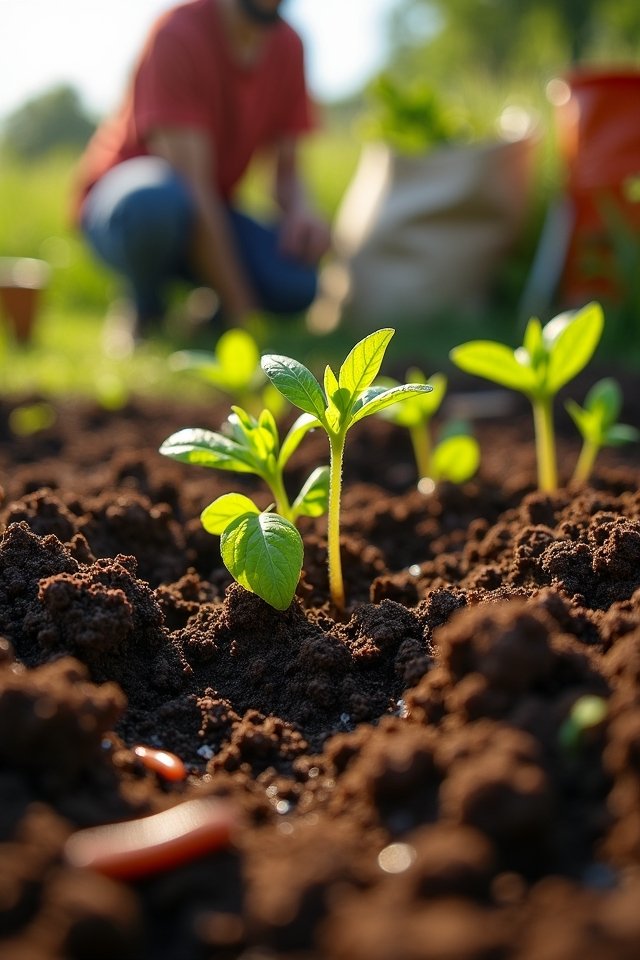
Before you immerse yourself in planting your seasonal garden, getting your soil ready is like laying a solid foundation for a dream house! You wouldn’t build on shaky ground, right? So, let’s plunge into some exciting garden preparation steps!
- Clear the area: Remove weeds, rocks, and debris. Your plants deserve a clean slate!
- Test the soil: A simple pH test helps you understand your soil’s needs. Is it too acidic or alkaline?
- Amend wisely: Incorporate compost or organic matter. Think of it as a nutritious smoothie for your soil, enriching it with essential nutrients!
With these steps, you’re not just preparing soil; you’re creating a thriving ecosystem. Happy gardening!
Managing Soil Moisture Levels
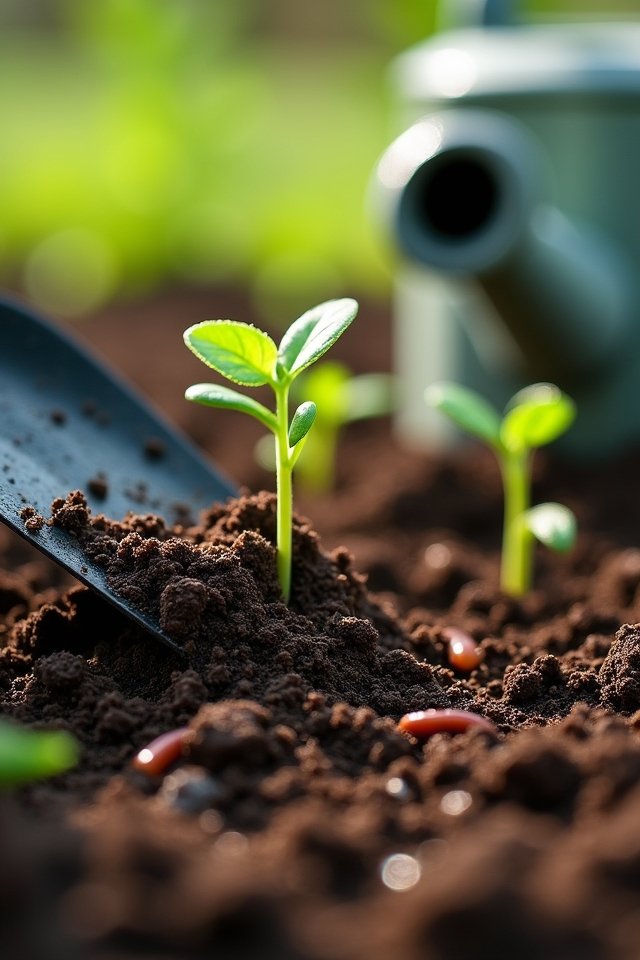
When you’re knee-deep in garden planning, keeping an eye on moisture levels is essential for your plants’ success! Think of your soil as a sponge—it needs to soak up water while also allowing excess to drain away. You want to master moisture retention and drainage management like a gardening guru! To achieve this, mix organic matter into your soil; it works wonders for both holding moisture and improving drainage. Consider using mulch, too—it’s like a cozy blanket for your plants, keeping them warm and hydrated. And don’t forget to check your garden’s moisture regularly! Overwatering can drown your green babies, while underwatering makes them gasp for breath. So, let’s keep that soil just right for a flourishing garden!
Long-term Soil Health Strategies
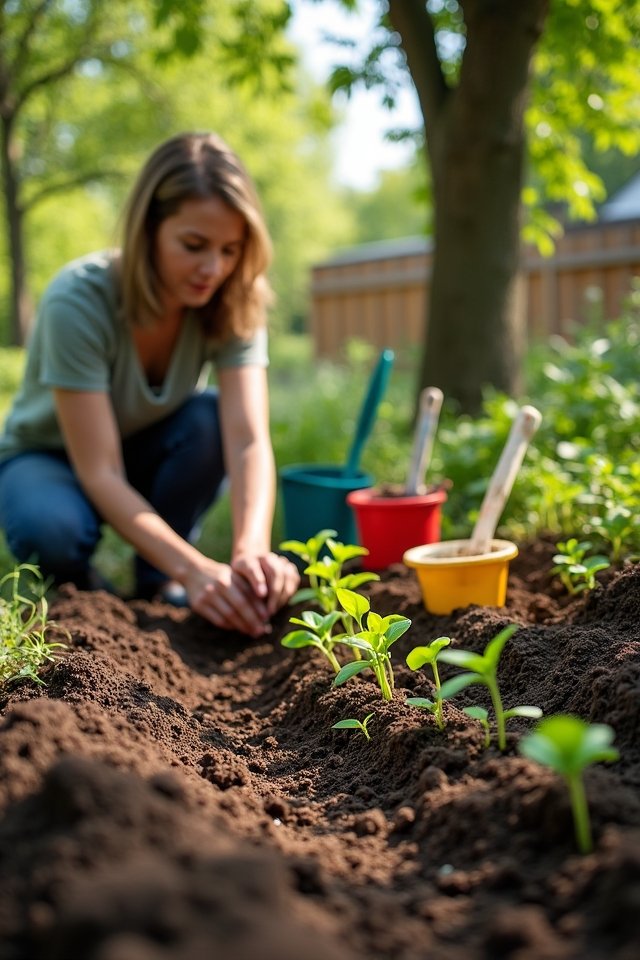
While you’re busy dreaming up your perfect garden, remember that long-term soil health is the secret sauce for thriving plants! You want your garden to flourish, right? Let’s talk about some innovative strategies to keep your soil vibrant and alive:
- Crop Rotation: Switch up your plants each season to prevent nutrient depletion—think of it as a revitalizing spa day for your soil!
- Cover Crops: Plant legumes or grasses during the off-season to add nutrients and prevent erosion. It’s like giving your soil a cozy blanket!
- Organic Matter: Regularly add compost to boost soil structure and fertility, creating a rich buffet for beneficial microbes.
Embrace these practices, and your garden will be the envy of the neighborhood—gorgeous and healthy!
Frequently Asked Questions
How Can I Tell if My Garden Soil Is Too Compacted?
Think of your garden soil as a sponge—if it’s too compacted, it can’t soak up water or nutrients! You’ll know it’s time for soil aeration when it feels hard, like walking on concrete. If your plants struggle to grow or water pools instead of soaking in, compaction’s likely the culprit. Causes can include heavy foot traffic or improper tilling. Loosen that soil, and watch your garden thrive! Exciting, right? Let’s dig in!
What Tools Do I Need for Effective Soil Preparation?
To prepare your soil like a pro, you’ll need a few trusty tools! Grab a soil testing kit to uncover your soil’s secrets—it’s like a detective for your garden! A sturdy garden fork or tiller will loosen up that compacted earth, making it dance. Don’t forget a shovel for compost application; mixing in nutrient-rich goodness is essential. And a rake? Absolutely! It smooths everything out, turning chaos into a beautiful garden masterpiece! Let’s dig in!
Can Soil Preparation Impact Pest Control in My Garden?
Soil preparation can boost pest resistance in your garden like a superhero cape! When you enrich your soil, you create a healthy environment for beneficial microbes and earthworms. These tiny allies help keep pests at bay. Think of your soil as a fortress—strong and vibrant—where healthy plants thrive. So, by nurturing soil health, you’re not just planting; you’re crafting a pest-fighting squad! Who knew soil could be so powerful? Let’s dig in!
How Often Should I Prepare My Soil for Planting?
You might think soil prep is a one-time deal, but it’s not! You should test your soil every season, especially before your planting schedule kicks in. Imagine your plants as athletes; they need a good, nutritious field to thrive! Mixing compost and adjusting pH can make all the difference. So, immerse yourself every few months—your garden’s future self will thank you, and you’ll enjoy lush, vibrant blooms that pop with joy!
What Are Common Mistakes to Avoid During Soil Preparation?
Avoiding common mistakes during soil preparation can be a game changer! First, don’t skip soil testing; it’s like a health check for your garden! Next, be cautious with amendment techniques—too much fertilizer can burn your plants. Think of your soil as a pizza: balance the ingredients! Finally, neglecting drainage is a big no-no. Compacted soil is like a traffic jam for roots. Keep it fluffy, and your plants will thrive! Isn’t that exciting?