Worried about pesky pests ruining your small vegetable garden? Fear not! You can attract friendly bugs like ladybugs with companion plants, such as marigolds and basil! Mixing herbal repellents like neem oil with water is another fantastic trick! And don’t forget about crop rotation to disrupt those pesky life cycles—it’s like giving your garden a fresh start! Keep a close eye on your plants and document what’s happening. Stick with us, and you’ll uncover even more pest-fighting treasures!
Understanding Common Garden Pests
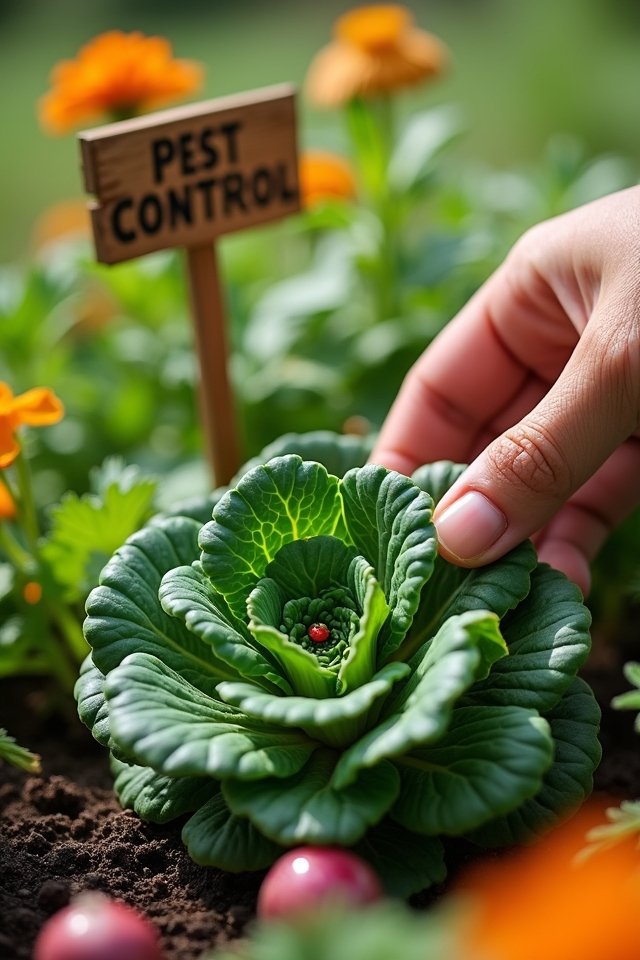
When you step into your vegetable garden, it’s like opening the door to a bustling marketplace, filled with vibrant colors and delicious scents. But wait! What’s that pesky insect munching on your precious greens? Understanding common garden pests is essential. You’ll want to master pest identification techniques, like observing telltale signs of damage or spotting the critters themselves. For instance, aphids cluster on tender shoots, while caterpillars sneakily devour leaves. But don’t fret! Beneficial insects, like ladybugs and lacewings, are your garden’s superheroes. They’ll swoop in and tackle those troublesome pests. So, keep your eyes peeled, and welcome the adventure of pest spotting! Who knew your garden could turn into such an exciting wildlife observation zone? Happy hunting!
Natural Pest Control Methods
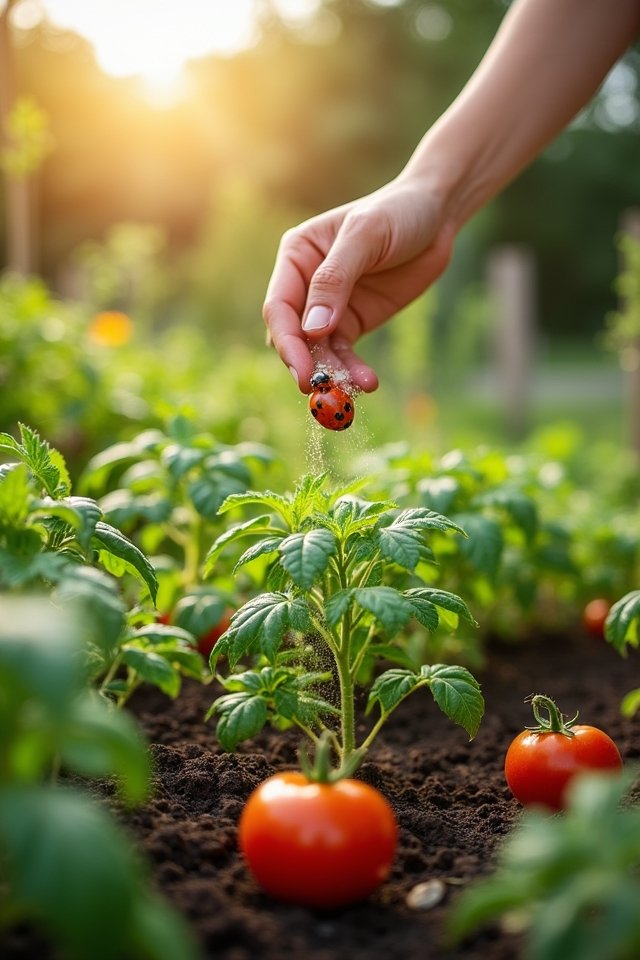
While you might feel tempted to reach for chemical solutions at the first sign of trouble, there’s a treasure trove of natural pest control methods waiting for you! Imagine your garden teeming with beneficial insects like ladybugs and lacewings, happily munching on aphids. You can attract these tiny allies by planting marigolds or dill nearby! Also, herbal repellents like neem oil or crushed garlic can work wonders. Just mix them with water and spray your plants! They’ll smell delicious to you but deter pesky intruders. And let’s not forget the power of companion planting—basil loves being next to tomatoes and helps keep pests at bay! So, why not welcome nature’s toolkit? Your garden deserves it!
Chemical Pest Control Options
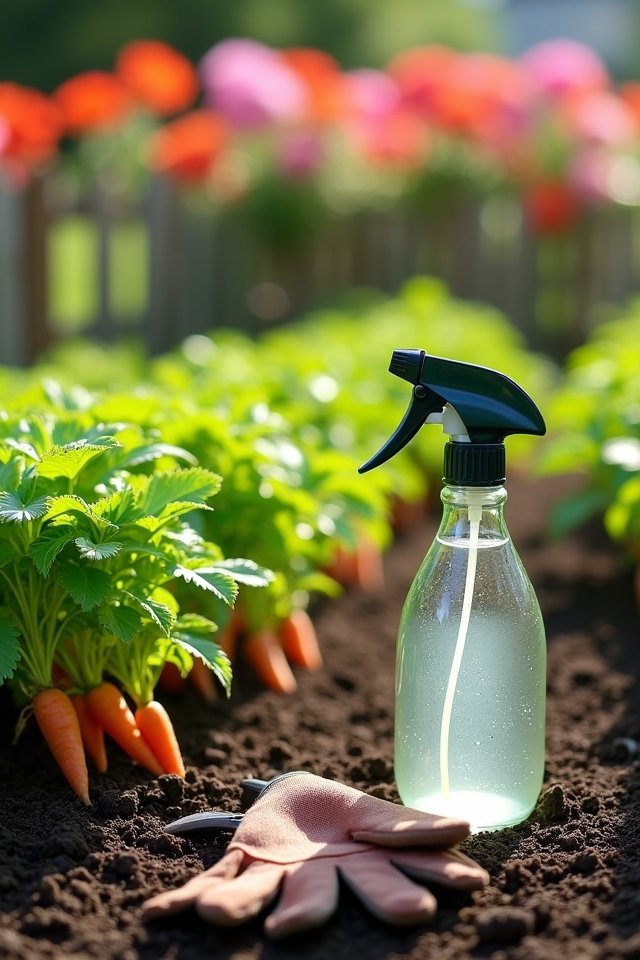
Sometimes, you just need a little extra firepower to protect your vegetable garden! When pests attack, chemical pesticides and synthetic treatments can come to the rescue. Think of them as your garden’s superhero squad, swooping in to save your precious tomatoes and leafy greens. For instance, if aphids are munching on your plants, a targeted spray of insecticidal soap can quickly turn the tide. Or, consider neem oil, a natural yet powerful option that disrupts pest life cycles. Just remember to use these treatments responsibly; follow the instructions carefully, and apply them during cooler hours to avoid harming beneficial insects. So, are you ready to release your garden’s secret weapons? Your veggies will thank you for it!
Companion Planting for Pest Management
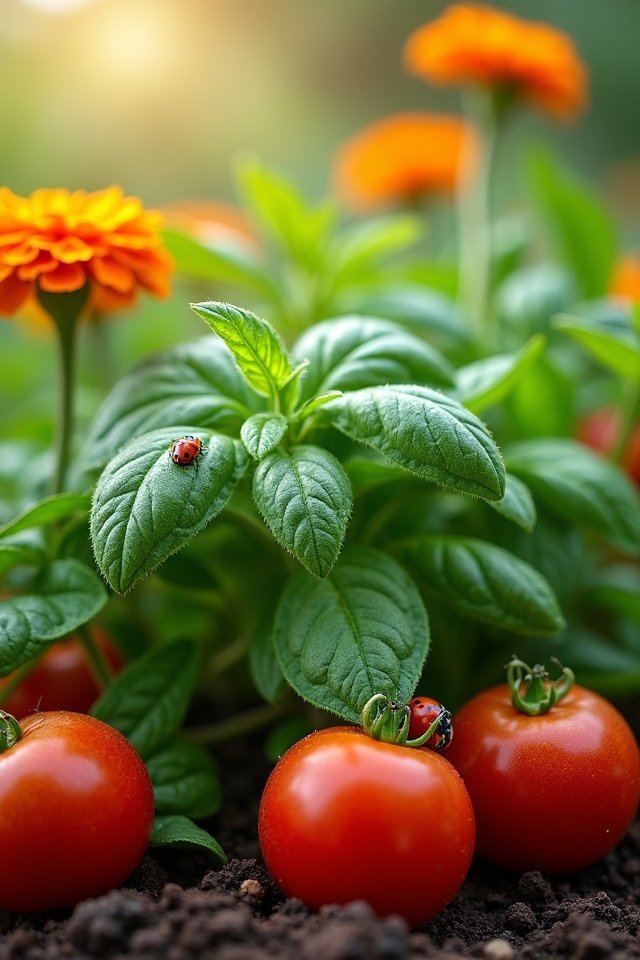
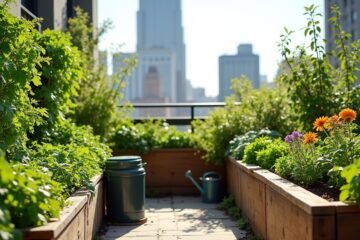
Imagine your vegetable garden as a bustling neighborhood where plants live in harmony, each one playing its part to keep pests at bay! You’ll love how companion planting can transform your garden into a pest-fighting powerhouse. Think of it like a dynamic duo—certain plants can attract beneficial insects or repel pests when paired with your veggies!
- Basil with tomatoes—basil repels hornworms!
- Marigolds alongside almost anything—they deter nematodes!
- Dill near cabbage—dill attracts friendly wasps that feast on cabbage worms!
A little creativity goes a long way! By planting companion herbs, you’re not just nurturing your veggies; you’re creating a vibrant ecosystem. Who knew pest control could be this fun? Immerse yourself in this innovative approach and watch your garden thrive!
Preventive Measures for Small Gardens
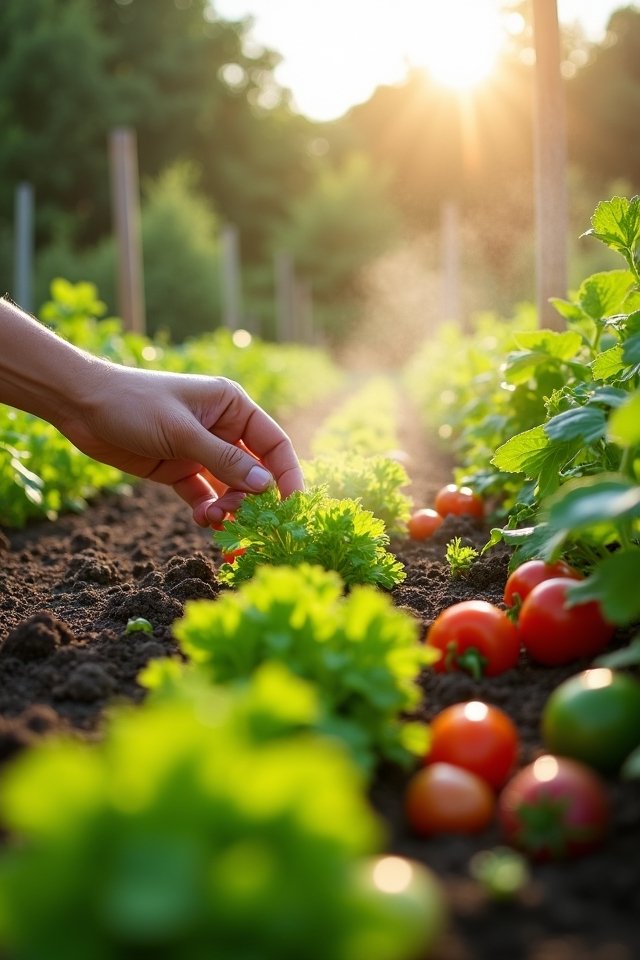
To keep your small garden thriving and pest-free, you’ve got to be a proactive plant parent! Start by nurturing your soil health; think of it as your garden’s very own superhero cape! Rich, nutrient-filled soil helps plants resist pesky pests. Crop rotation is another secret weapon—like changing up your garden’s playlist to keep things fresh! By alternating what you grow, you disrupt pest life cycles and keep them guessing. Imagine your plants dancing happily without a worry in the world! And don’t forget those lovely barriers, like row covers, that act like shields against unwanted guests. Adopt these innovative techniques, and your garden will flourish with vibrant colors and mouthwatering flavors—no pests allowed! Ready to take action? Let’s do this!
Monitoring and Maintaining Pest Control Efforts
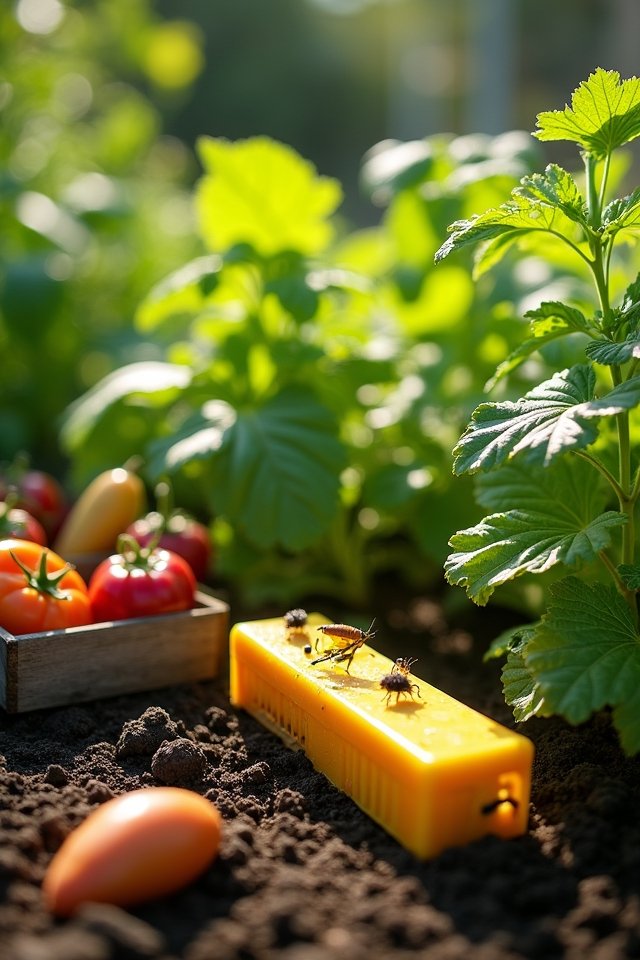
While you might be tempted to kick back and relax after setting up your garden, keeping an eye on your pest control efforts is essential for maintaining that flourishing paradise! Regular monitoring guarantees pests don’t turn your vibrant veggies into their buffet.
Create a solid plan with these tips:
- Set monitoring schedules: Check your plants every few days to catch issues early.
- Use pest identification techniques: Learn to spot common pests like aphids or beetles—knowledge is power!
- Document findings: Keep a garden journal to track patterns and effectiveness of your pest control methods.
Frequently Asked Questions
What Time of Year Is Best for Pest Control in Vegetable Gardens?
Spring’s the perfect time for pest control! As the earth warms and buds bloom, you can implement seasonal strategies to tackle those pesky critters. Imagine your garden as a cozy home—don’t let uninvited guests crash the party! Start monitoring for signs of trouble early, like tiny holes in leaves. You’ll want to use organic repellents or companion planting. Remember, a little prevention now saves you a lot of heartache later! Happy gardening!
How Can I Tell if Pests Are Damaging My Plants?
You might think pests are hard to spot, but they can be sneaky little devils! Look for signs of plant damage like wilting leaves, holes, or sticky residue. Use pest identification techniques, like inspecting the undersides of leaves. If you see critters munching away, it’s time to take action! Keep an eye out for discolored spots or distorted growth too. Your plants deserve a pest-free life, don’t they? Let’s keep them thriving!
Are There Specific Pests That Prefer Certain Vegetable Types?
Certain pests have their favorite veggie targets! For instance, aphids love tender lettuce leaves, while cucumber beetles can’t resist crunchy cucumbers. You might find yourself battling those pesky cabbage worms on your beloved broccoli! It’s all about pest preferences and vegetable susceptibility. Knowing which critters are drawn to your plants helps you stay one step ahead in your gardening game. So, keep your garden vigilant, and outsmart those sneaky invaders!
How Often Should I Monitor My Garden for Pests?
Monitoring your garden for pests is like keeping an eye on a sneaky magician—if you blink, they’ll vanish, only to reappear when you least expect it! You should check at least once a week, especially during peak pest seasons. Use monitoring techniques like sticky traps or visual inspections to catch those critters early in their life cycle. Trust me, a little vigilance now saves you from a garden disaster later!
Can Pets or Wildlife Affect My Pest Control Efforts?
Pets and wildlife can stir up some mischief in your pest control efforts. Ever seen your dog chasing a squirrel? That’s pet behavior at play! Wildlife interactions can introduce new pests, like rabbits nibbling your prize tomatoes. Keeping your garden fenced or using deterrents works wonders! Just remember, your furry friends might think they’re helping, but sometimes they’re just digging up trouble. What a wild adventure it can be!