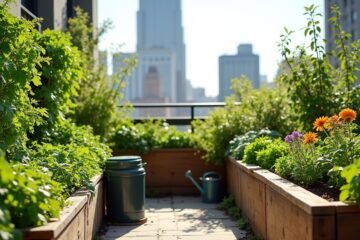
In your small garden, pest control can feel like an exciting treasure hunt! Start by scouting for tiny pests like aphids or sneaky slugs hiding in the shadows. Welcome nature’s helpers, like ladybugs, by planting pretty flowers that attract them. Try companion planting—think marigolds and tomatoes—to keep those pesky bugs at bay! Don’t forget your DIY herbal sprays! Join the adventure as you uncover more delightful tips to keep your garden thriving and pest-free!
Understanding Common Pests in Small Gardens
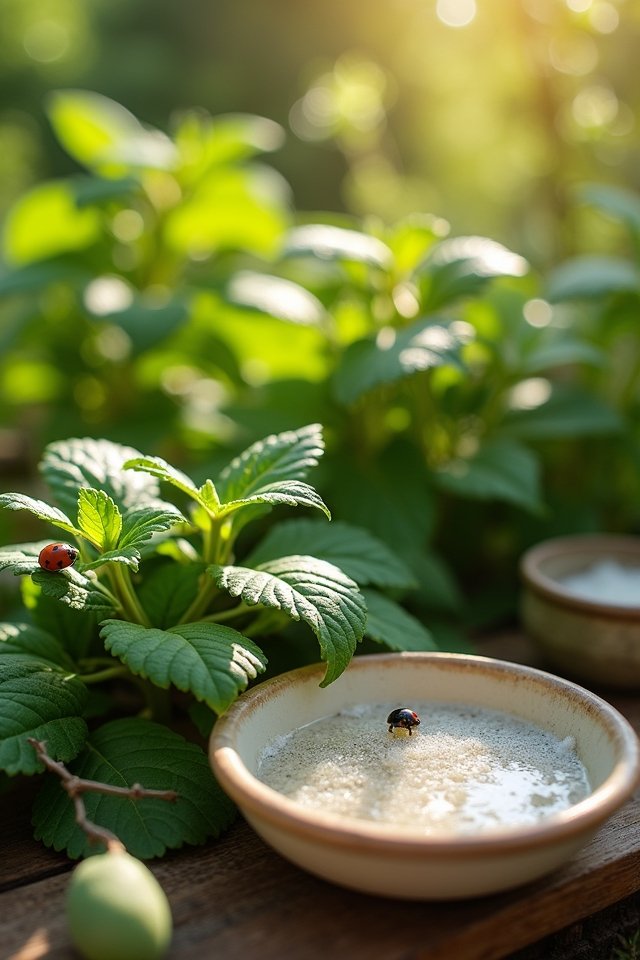
Have you ever wandered through your small garden, only to spot a sneaky little pest munching on your favorite tomato plant? Those pesky critters can turn your garden dreams into nightmares! Understanding common pests starts with effective pest identification techniques. Look for telltale signs like tiny holes in leaves or sticky residue—those are clues! Observing garden pest behaviors, such as their feeding patterns and travel routes, can reveal their hiding spots. For instance, aphids love to congregate on tender new growth, while slugs prefer damp, shady areas. By knowing who’s invading your garden, you can strategize your approach. So, grab your magnifying glass and get detective on those pests—your tomatoes (and your taste buds) will thank you!
Cultural Controls for Pest Management
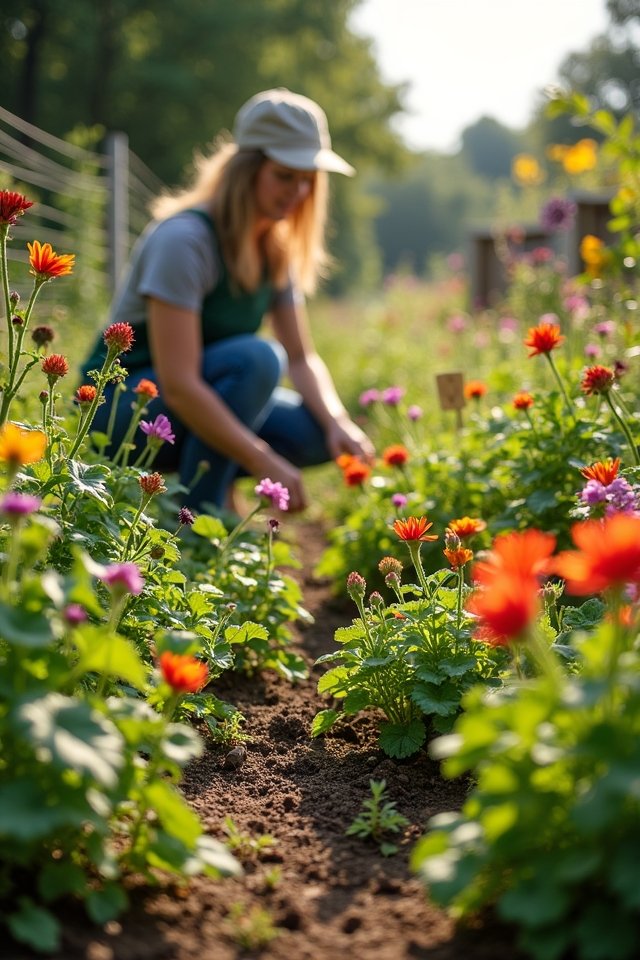
While you might think pest control is all about chemicals and traps, cultural controls can be your garden’s secret weapon! Think of crop rotation as a dance; by changing the plants you grow in each spot, you confuse pests and keep your soil healthy. Who doesn’t love a little mystery? And then there’s companion planting! Pairing plants like tomatoes with basil creates a harmonious duo that naturally repels unwanted bugs. It’s like having nature’s bodyguards! So, instead of reaching for harsh chemicals, why not adopt these innovative strategies? You’ll not only protect your plants but also create a vibrant, thriving ecosystem. Isn’t that a delightful way to garden? Let’s make your garden a pest-free paradise!
Natural Predators and Their Role
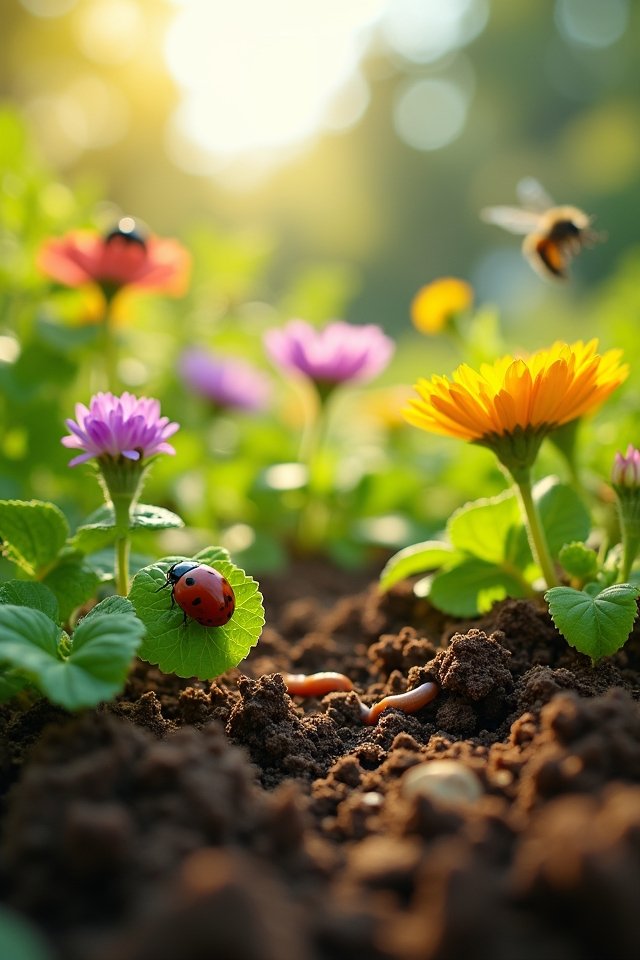
You might be surprised to learn that tiny heroes lurk in your garden, ready to tackle pests for you! Beneficial insects, like ladybugs and lacewings, act as nature’s pest control squad. They feast on aphids and other nuisances, keeping your plants happy and healthy! To attract these garden warriors, create predator habitats by planting diverse flowers, herbs, and shrubs. These lush havens provide food, shelter, and a cozy home for your new friends. Imagine a ladybug zipping by, munching on pesky aphids, while you sip your morning coffee! Isn’t that a delightful sight? By embracing these natural allies, you not only support your garden’s ecosystem but also become a responsible caretaker of your green space!
Organic Pest Control Solutions
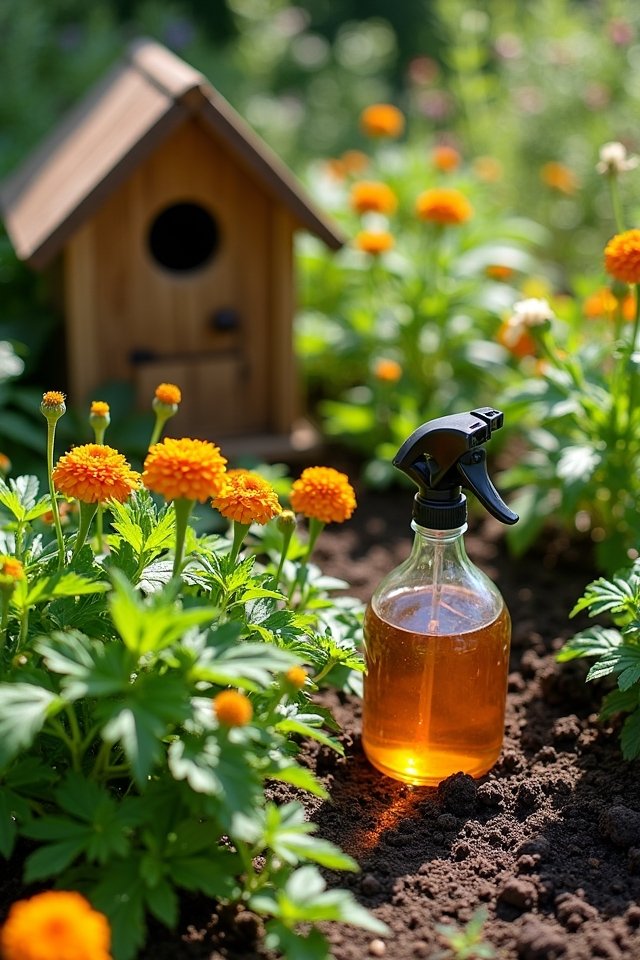
When those tiny heroes aren’t enough to keep pesky bugs at bay, organic pest control solutions come to the rescue! You can harness nature’s power with these innovative strategies:
- Herbal Repellents: Brew up some garlic or pepper sprays. Bugs hate them, but your plants will thrive!
- Companion Planting: Pair marigolds with tomatoes; they’ll keep unwanted pests away while looking fabulous together.
- Neem Oil: This natural oil disrupts pests’ life cycles, giving your plants a fighting chance!
- Diatomaceous Earth: Sprinkle this fine powder around your plants to create a barrier that pesky bugs can’t cross!
With these methods, you’re not just protecting your garden; you’re creating a vibrant ecosystem! Isn’t that satisfying? Happy gardening!
Chemical Pest Control Options
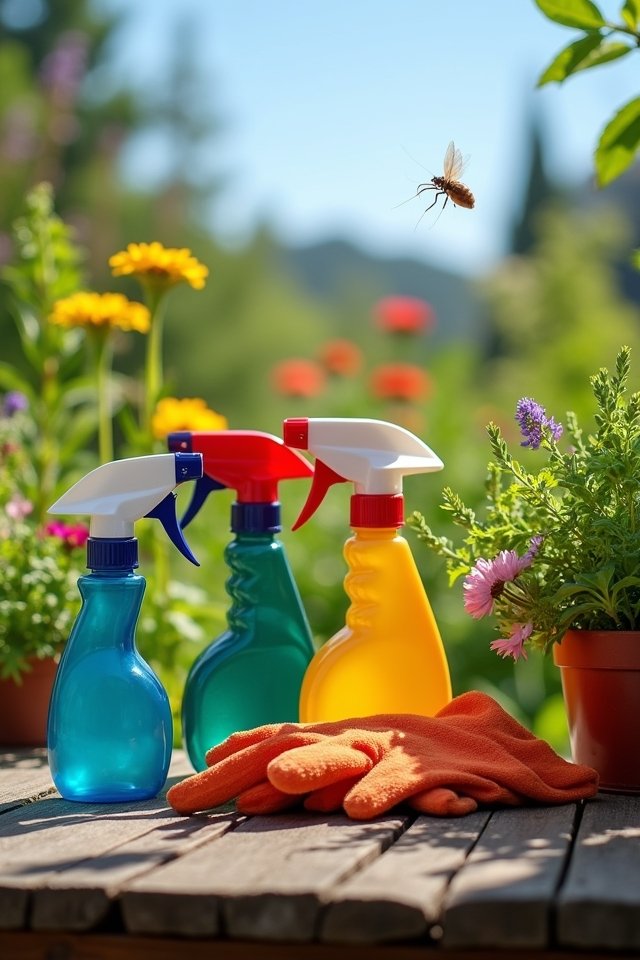
Sometimes, you just need a little extra firepower in your battle against garden pests! Chemical treatments can pack a punch when your plants are under siege. For instance, pyrethrin-based sprays offer a quick knockout by targeting pesky insects while being derived from chrysanthemum flowers—nature’s own warrior! If you’re seeking pesticide alternatives, consider using neem oil, which disrupts pests’ life cycles without harming beneficial insects. Just remember, using these powerful tools requires caution; follow application instructions precisely! You don’t want to turn your garden into a chemical wasteland. Instead, aim for a healthy balance—after all, a thriving garden is one where both plants and critters coexist in harmony! So, gear up and defend your leafy friends!
Integrated Pest Management Strategies
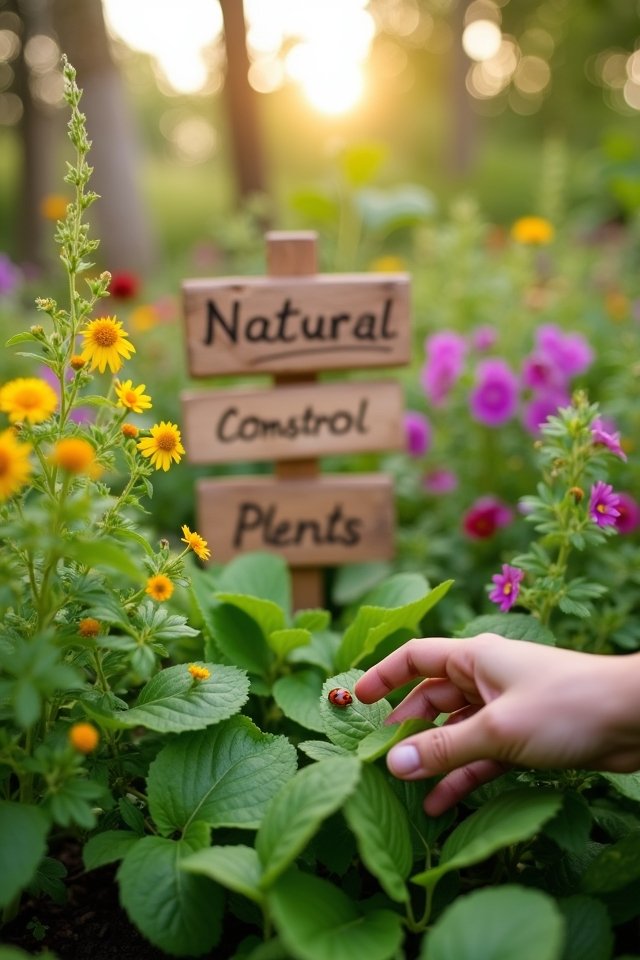
While chemical treatments can be effective, embracing Integrated Pest Management (IPM) strategies offers a holistic approach that can make your garden thrive! By combining various techniques, you’ll not only protect your plants but also promote sustainable practices. Here are some innovative IPM strategies to contemplate:
- Pest identification techniques: Learn to recognize pests and beneficial insects. Knowledge is power!
- Cultural controls: Rotate crops and use companion planting to confuse those pesky invaders.
- Physical barriers: Employ row covers or nets to shield your precious plants from harm.
- Biological controls: Introduce natural predators like ladybugs to feast on aphids!
Isn’t it exciting to think your garden can flourish without harmful chemicals? Let’s nurture nature together!
Preventative Measures for Healthy Gardens
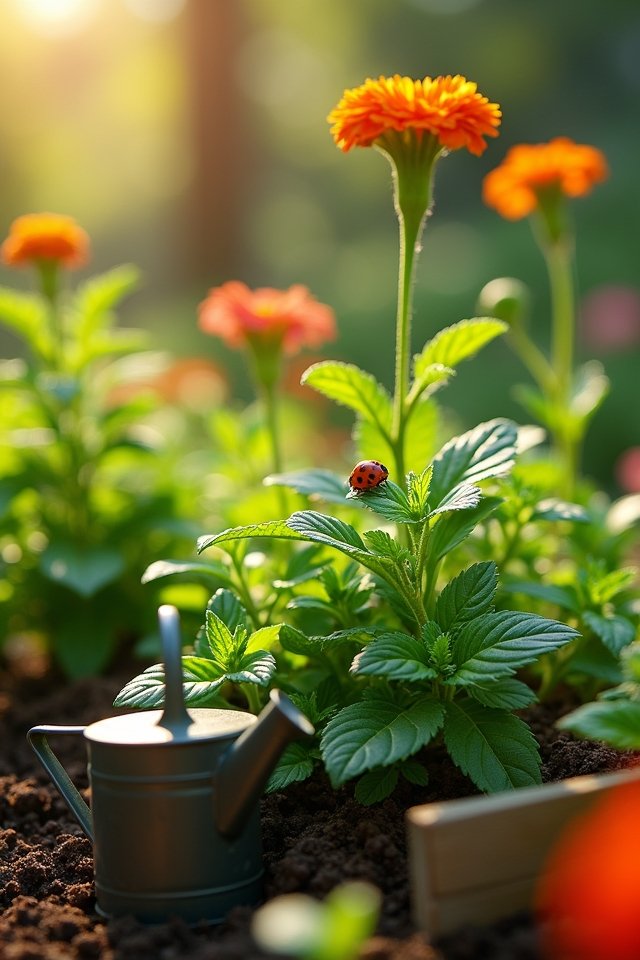
To guarantee your garden thrives and stays pest-free, you’ll want to adopt some smart preventative measures! First, focus on soil health. Healthy soil is like a superhero for your plants—it helps them grow strong and resist pests. Consider testing your soil and enriching it with organic compost or natural fertilizers. Next, immerse yourself in companion planting! This innovative method pairs plants together for mutual benefits, like tomatoes and basil. They not only taste great together but also keep pests at bay! Imagine a garden where every plant does its part, creating a harmonious ecosystem. So, roll up your sleeves, get planting, and watch your garden flourish! Who knew keeping pests away could be this much fun? 🌱✨
Frequently Asked Questions
How Do I Identify Pest Damage on My Plants?
Did you know that nearly 30% of gardens suffer from pest damage? To spot this, use pest identification techniques like inspecting leaves for holes or discoloration. Common pest symptoms include sticky residue, wilting, or strange webs. If your plants look like they’ve been through a tiny tornado, it’s time to investigate! Look closely, and you might just find those sneaky critters hiding. Remember, a vigilant gardener is a happy gardener!
Are There Specific Pests That Target Small Gardens?
Small gardens attract specific pests like aphids, snails, and spider mites, which can cause unsightly garden damage. Imagine tiny aphids sucking the life out of your vibrant plants—yikes! You might find snails leaving slimy trails as they munch on leaves. Keep an eye out for these critters, and you’ll be prepared to tackle them. Your garden deserves to thrive, not be a buffet for pests! Ready to defend your green sanctuary?
Can Companion Planting Help Reduce Pests?
Companion planting’s a clever way to create a pest-proof paradise! You’ll love how marigolds act as pest deterrents, keeping those pesky bugs at bay. Imagine vibrant flowers safeguarding your veggies! Basil can protect tomatoes, while garlic wards off aphids—what’s not to love? By pairing plants wisely, you’re not just gardening; you’re crafting a harmonious haven. So, why not give it a shot? Your small garden deserves a bit of playful protection!
What Homemade Remedies Can I Use for Pests?
You can whip up homemade sprays that’ll make pests think twice! Try mixing water with a few drops of dish soap and a splash of vegetable oil. It’s like a slippery trap for those pesky critters! Or, brew some garlic and water for a natural repellent that smells strong—just like a vampire’s worst nightmare! You’ve got this! Experiment, have fun, and soon your garden will flourish without unwanted guests!
How Often Should I Inspect My Garden for Pests?
Picture a tiny pest party in your garden, dancing through the pest life cycle! You should inspect your garden at least once a week to guarantee its health. Be the vigilant gardener! Look for those sneaky critters hiding under leaves or munching on your precious plants. If you spot pests early, you can stop them from crashing the party! So, grab your magnifying glass and become the superhero your garden deserves!