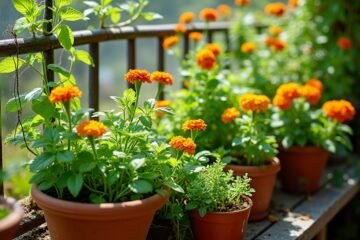
If you want your small garden to burst with color and flavor, try companion planting with basil, marigolds, and legumes! Basil’s fragrant leaves make dishes sing, while marigolds’ vibrant flowers fend off annoying pests like a garden superhero. Legumes, such as beans and peas, work like natural soil boosters—fixing nitrogen and enriching the ground. With these three plant pals, your garden will thrive beautifully! Curious about more magical pairings? Stick around for further tips!
Basil: Enhancing Flavor and Growth
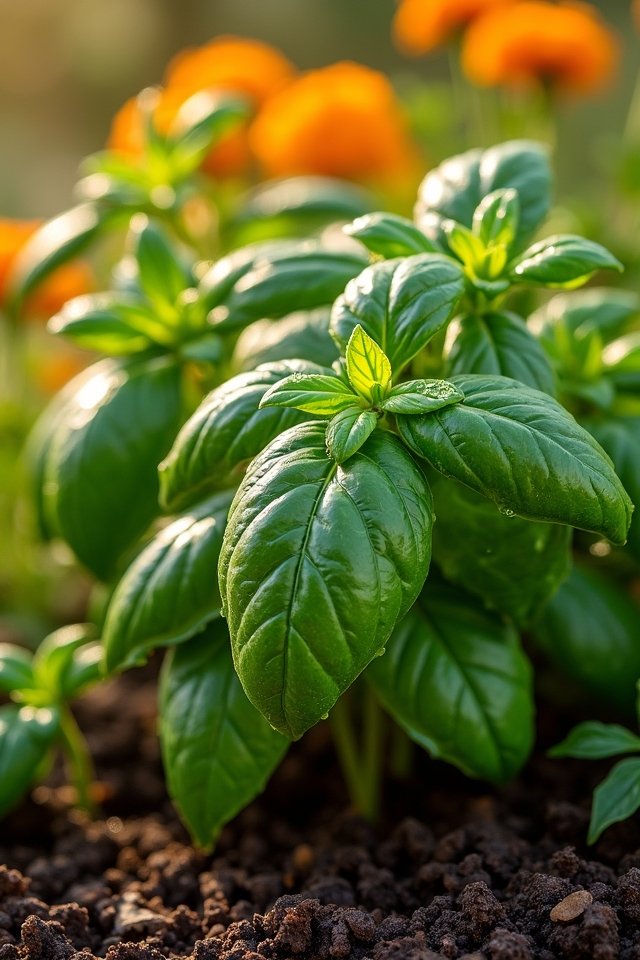
When you think about sprucing up your small garden, basil might just be the superstar you need! With its fragrant leaves and vibrant green hues, it’s a delight for the senses. Explore different basil varieties, like sweet basil or Thai basil, each adding unique flavors to your dishes! Plus, they’re not just tasty; they thrive when planted alongside companion herbs like parsley or cilantro. These buddies help each other grow by attracting beneficial insects and repelling pests. Imagine snipping fresh basil right before tossing it into a salad—delicious, right? So, why not give your garden that innovative twist with basil? You’ll be amazed at how lively and flavorful your garden can become!
Marigold: Pest Control and Soil Enrichment
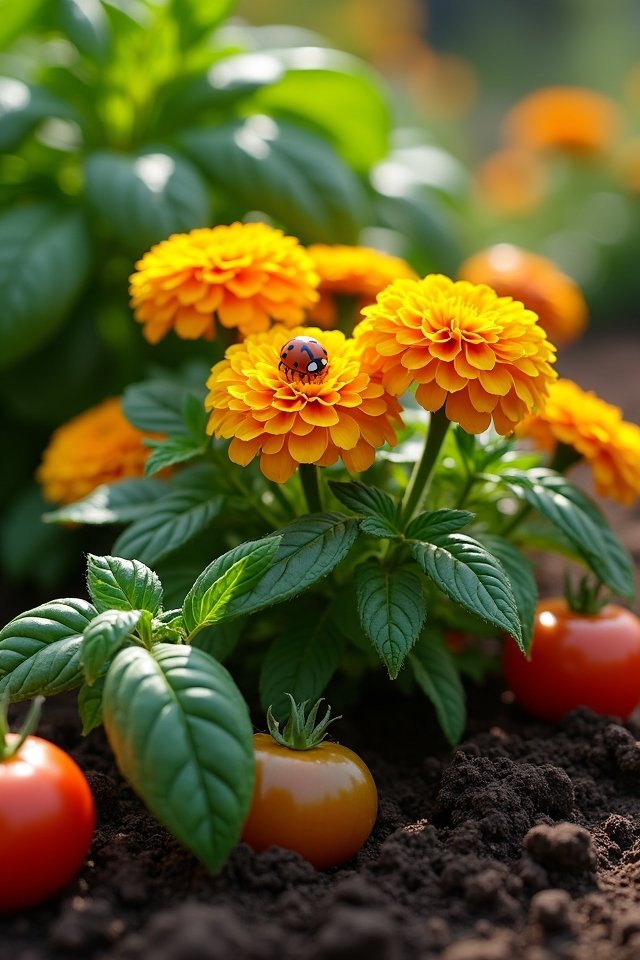
If you’re looking to add a splash of color and some serious benefits to your small garden, marigolds are your new best friends! These vibrant blooms don’t just brighten your space; they come with fantastic marigold benefits. Planting marigold varieties, like the cheerful French or the bold African marigold, can ward off pesky pests like aphids and nematodes. Imagine a garden where your tomatoes thrive, all thanks to these floral guardians! Plus, marigolds enrich the soil with their roots, creating a happier home for your plants. Isn’t that a win-win? So, why not sprinkle a few of these beauties in your garden? Your plants—and your eyes—will thank you for it! Let’s get blooming!
Legumes: Nitrogen Fixation for Soil Health
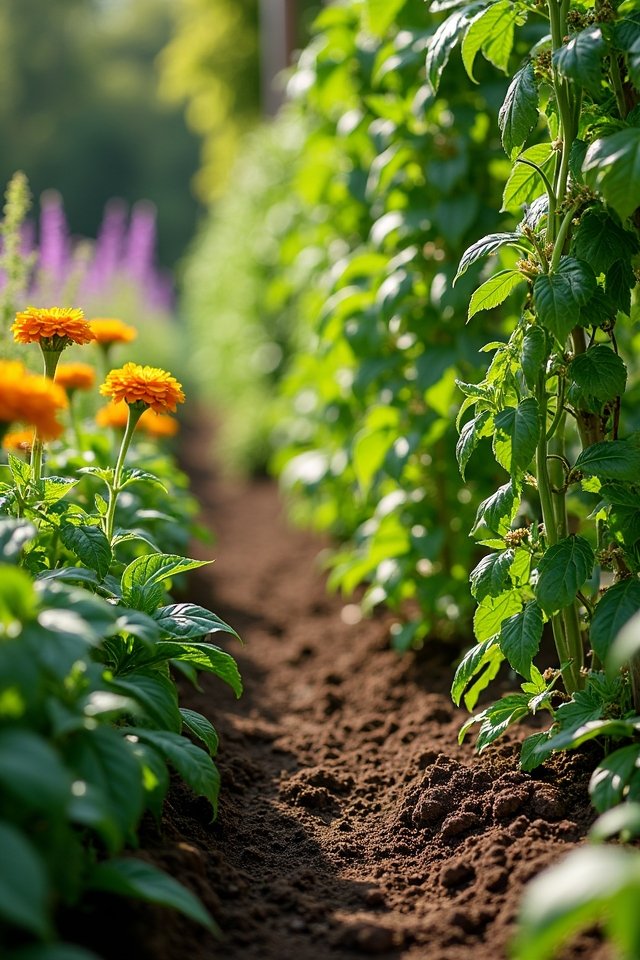
Legumes are like the superheroes of your garden, saving the day with their incredible nitrogen-fixing powers! When you plant beans, peas, or lentils, they team up with soil bacteria to convert nitrogen from the air into nutrients your plants crave. Isn’t that cool? By practicing crop rotation, you can keep your soil healthy and vibrant, allowing legumes to replenish nutrients for future crops. Plus, their companion benefits are fantastic! They can deter pests and enhance the growth of neighboring plants. Imagine having a lush, thriving garden with the help of these little green champions! So, why not welcome legumes in your garden? They’re not just plants; they’re your garden’s best friends!
Frequently Asked Questions
How Do Companion Plants Affect Overall Garden Biodiversity?
Imagine a vibrant symphony of colors and scents! Companion plants create dynamic plant interactions that boost garden biodiversity. When you mix them, you’re not just playing by the rules; you’re crafting a masterpiece! These partnerships foster ecosystem balance, attracting beneficial insects like bees and ladybugs. Think of tomatoes and basil—together, they thrive and ward off pests. It’s like a garden dance, where each step harmonizes nature’s rhythm. Don’t you love a flourishing garden?
Can Companion Planting Save Money on Fertilizers?
Companion planting can be a game-changer for cost-effective gardening! By mixing plants like nitrogen-fixing beans with leafy greens, you create natural fertilizer alternatives. Imagine your garden thriving without breaking the bank! You’ll save money while boosting soil health. Plus, who wouldn’t want a lush harvest without those pricey chemical mixes? It’s like having your cake and eating it too! Your wallet and garden will thank you! Ready to dig in?
What Are the Best Companion Plants for Herbs?
When you’re diving into herb pairings, think basil and tomatoes! They thrive together, boosting each other’s growth benefits. Mint loves to hang out with cabbage—who knew they’d become best buds? And don’t forget cilantro and peppers; they’re like the dynamic duo of flavor! By planting these herbs side by side, you’re not only maximizing your garden space but also creating a fragrant, lush paradise. Isn’t nature just the best?
How Can I Determine Plant Compatibility in Small Spaces?
To determine plant compatibility in small spaces, think about plant spacing and growth habits! Picture a cozy dance floor; you wouldn’t want a waltzer next to a breakdancer, right? Look for plants that thrive together, like basil’s compact nature next to the tall, proud tomatoes. Check their sunlight needs and root depths too. It’s like matchmaking in your garden! With a little planning, you’ll create a thriving, harmonious mini-ecosystem that sings!
Are There Companion Plants That Deter Specific Pests?
You can use clever plant combinations as natural pest deterrents. For instance, marigolds are like little bodyguards, protecting your veggies from pesky aphids. Basil, on the other hand, is a fragrant friend that wards off flies and mosquitoes. Pairing these with tomatoes not only makes cooking fun but also keeps those annoying bugs at bay! Isn’t it exciting to grow your garden while outsmarting pests? Nature’s got your back!