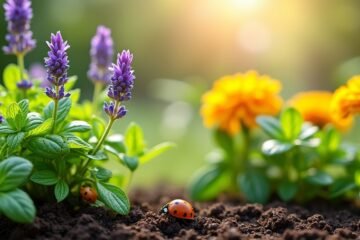
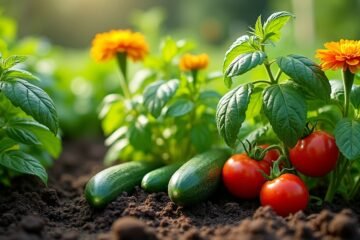
Ready to transform your small garden into a vibrant oasis? Companion planting’s your go-to! Pairing tomatoes with basil invites sweetness while repelling pesky bugs. Imagine aromatic herbs dancing among colorful flowers, attracting bees and butterflies! And don’t forget marigolds—they’re like tiny soldiers, defending your plants while adding splashes of sunshine. Your garden’s health will thrive as those roots work together, creating a tapestry of flavors and colors. Curious about how to get started? There’s more magic waiting for you!
Maximizing Space Efficiency
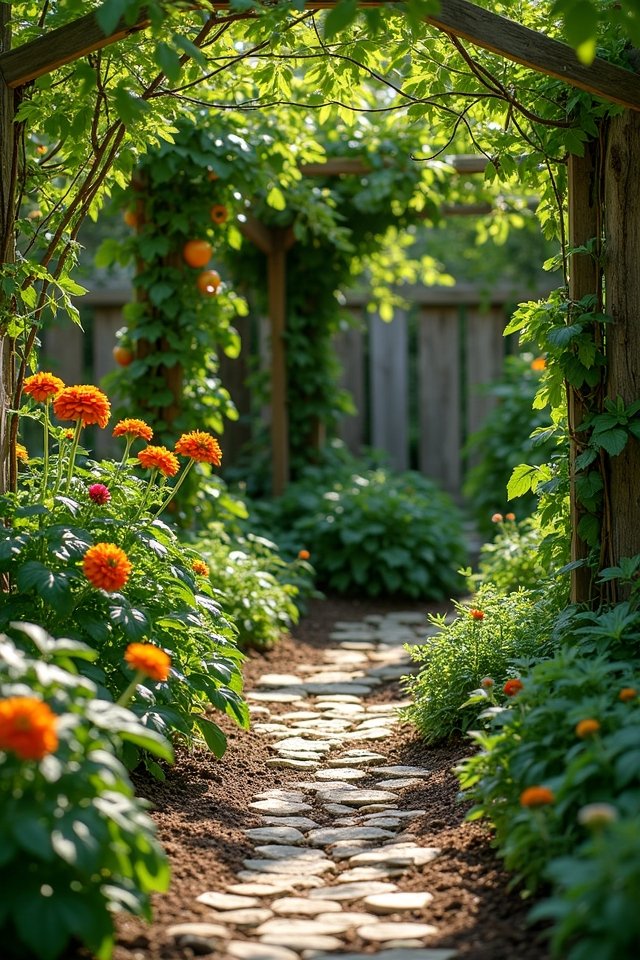
When you plunge into the world of small gardens, maximizing space efficiency is like finding hidden treasure! You can think of your garden as a fabulous puzzle, and vertical gardening is a clever piece. Imagine climbing plants like beans and peas spiraling up a trellis, saving ground space and creating a lush, green wall. Isn’t that dazzling?
Utilize space-saving techniques, like stacking planters or adding wall-mounted pots, to make the most of every nook! You can even plant herbs in hanging containers—talk about aromatic beauty at eye level! With a little creativity and innovation, you can transform your cozy garden into a vertical wonderland, inviting life and color into every corner. Why not start today? Your garden awaits!
Natural Pest Control
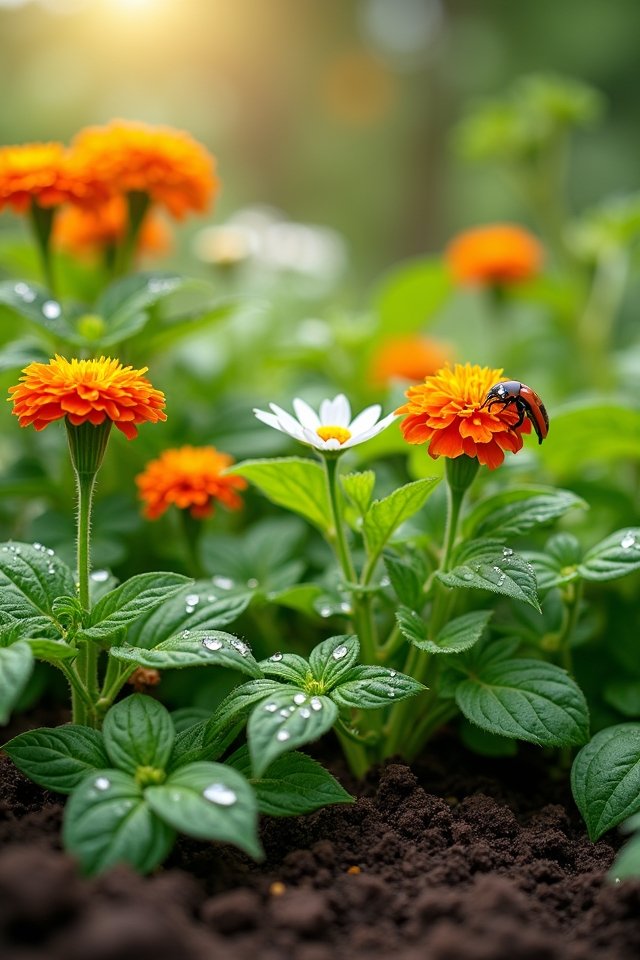
While many gardeners fret over pesky pests invading their little green havens, you’ve got the power to adopt natural pest control methods that are both effective and eco-friendly! Think of your garden as a vibrant ecosystem, where natural repellents and beneficial insects create harmony. For instance, planting marigolds near your veggies can deter nematodes and draw in ladybugs – nature’s little superheroes! You can also concoct a garlic spray for aphids that’s potent yet safe. Plus, introducing plants like dill or fennel invites parasitic wasps, which feast on unwelcome critters. So, toss those chemical sprays aside! Welcome these innovative techniques to empower your garden’s resilience and thrive amid challenges. After all, nature’s got your back!
Improved Soil Health
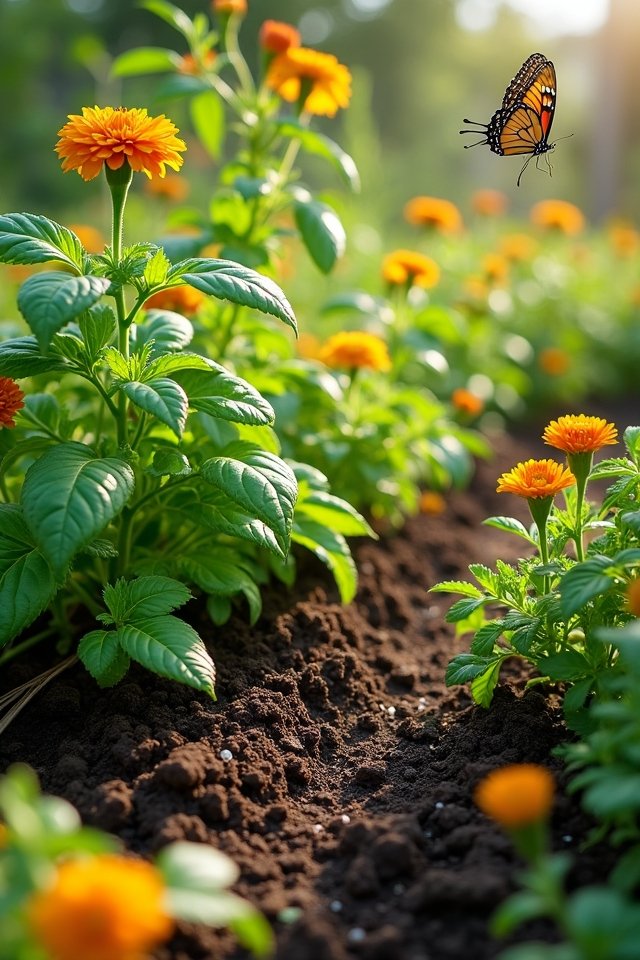
Soil health isn’t just something to think about—it’s the foundation of your garden’s success! Healthy soil is alive, teaming with soil microbes that work tirelessly to break down organic matter. By embracing companion planting, you’re not just throwing seeds in the ground; you’re inviting these tiny helpers to the party! Partnering nutrient-rich plants, like legumes, with leafy greens boosts nutrient cycling—think of it as a well-choreographed dance in your garden! You’ll get vibrant veggies and even healthier soil. Ever noticed how a thriving plant stands tall, proudly flaunting its leafy greens? That’s nutrient magic happening right beneath the surface! Ready to supercharge your soil? Immerse yourself in companion planting and watch your garden flourish like never before!
Enhanced Pollination
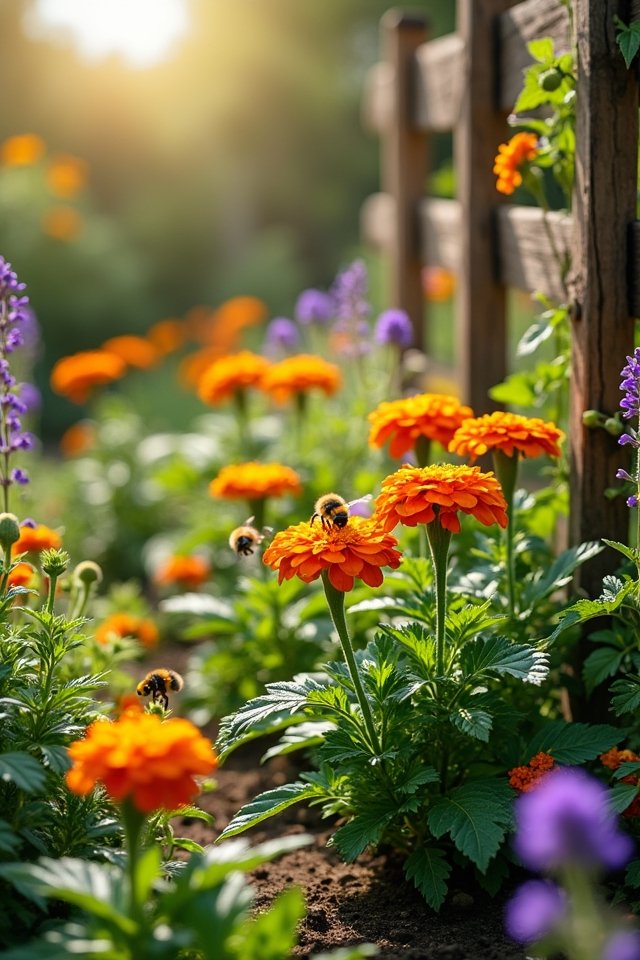
Have you ever watched a bee do the cha-cha from flower to flower? In your small garden, you can invite vibrant pollinators with the strategic use of flowering herbs. Just picture a dazzling mix of lavender, basil, and rosemary—these aren’t just tasty companions; they’re your garden’s party hosts! Their sweet scents act like a siren’s call, drawing in bees and butterflies, enhancing pollinator attraction. Imagine your garden buzzing with life, the air rich with floral perfume. Want to see more insects dancing joyfully among your veggies? Plant some bright marigolds or borage for an added splash of color! With every bloom, you’ll not only elevate the aesthetics but also create a buzzing habitat, turning your garden into an inviting oasis for nature’s helpers!
Increased Crop Yields
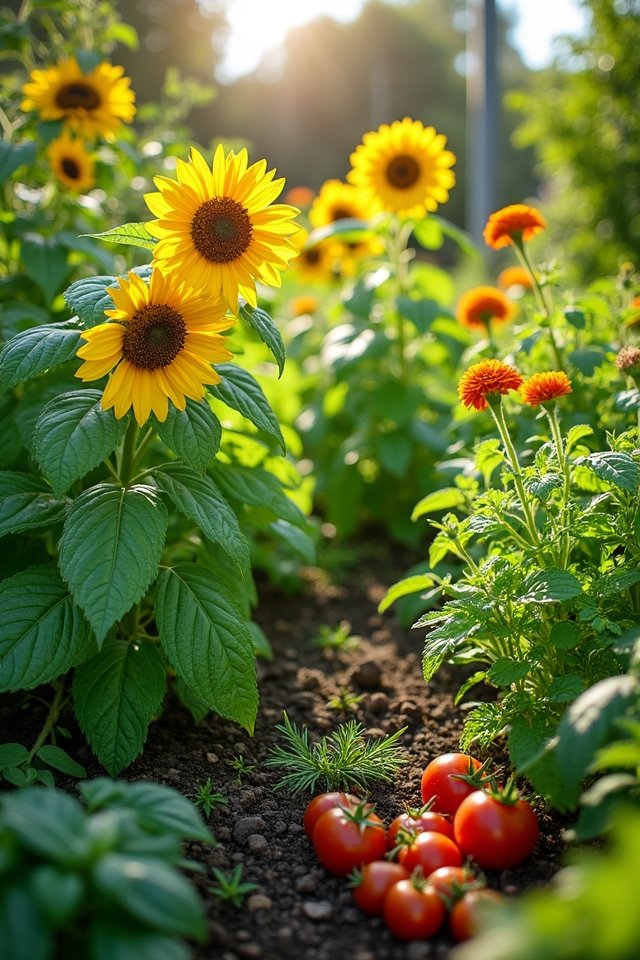
When you mix the right plants, you’re not just gardening—you’re creating a masterpiece! By embracing crop diversity and harnessing plant synergy, your small garden can yield astonishing results. Imagine this:
- Boosted Nutrients: Certain plants act like best buddies, exchanging nutrients and attracting beneficial insects.
- Maximum Space Usage: Pair tall crops with low-growing ones to utilize every inch—like stacking books on a shelf!
- Pest Reduction: Some plants repel pests while others attract pollinators, creating a natural ecosystem.
Picture your tomatoes thriving alongside basil, enhancing both flavor and yield! Who wouldn’t want a bountiful harvest while sipping lemonade in their garden paradise? Get ready to dig in and watch the magic happen! Your tiny plot can become a thriving, delicious revolution!
Aesthetic Variety and Interest
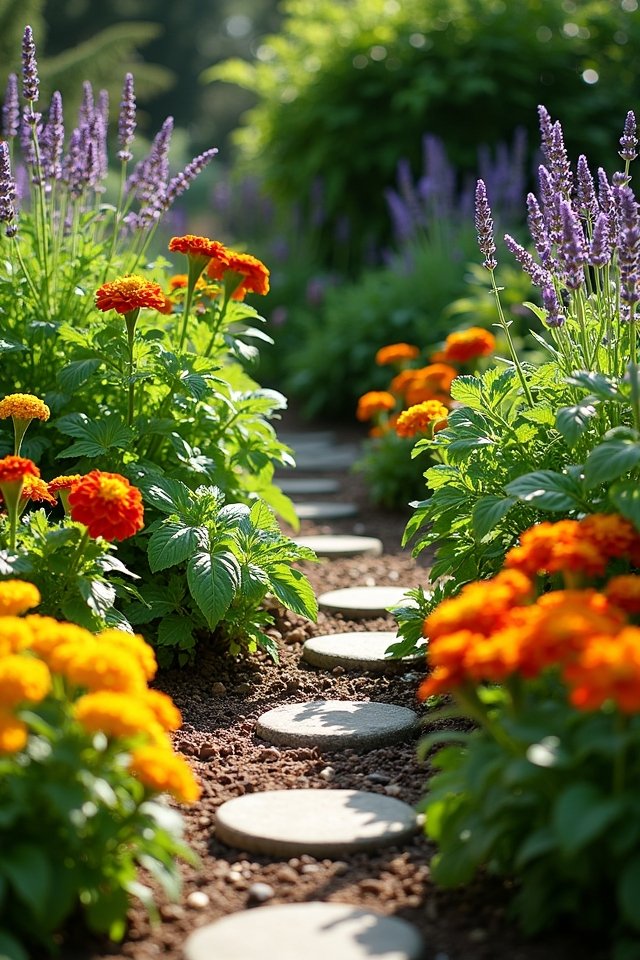
Imagine strolling through your tiny garden, where each plant tells its own vibrant story, and you’ll quickly realize that aesthetic variety isn’t just about looks—it’s a feast for the senses! With colorful combinations like bright marigolds beside deep purple eggplants, your garden becomes a living canvas. Seasonal blooms add an ever-changing, dynamic vibe, injecting surprise as you shift from spring’s daffodils to summer’s zinnias. It’s like hosting a party where everyone gets to shine! By positioning aromatic herbs among the flowers, you not only create a visual delight but also tantalize your nose. Each visit will feel fresh and inviting! Why settle for dull when you can cultivate a garden that’s a visual symphony? Let your creativity blossom abundantly!
Frequently Asked Questions
What Plants Are Best for Companion Planting in Small Gardens?
When you’re diving into companion planting, think about tasty herb pairings like basil and tomatoes; they’re like best friends! For flower combinations, try marigolds alongside carrots—they’ll keep pesky pests away. Isn’t that clever? By mixing these plants, your small garden can blossom with beauty and flavor! It’s like a fragrant orchestra playing in your backyard. So, go ahead and experiment—your taste buds and those pesky bugs won’t know what hit ’em!
How Do I Start Companion Planting for Beginners?
Ready to plunge into the world of companion planting? It’s like matchmaking for your garden! Start by pairing plants that thrive together, like tomatoes and basil or carrots and onions. Use beginner tips like creating a small bed for your partners. Experiment with planting techniques—intercropping is super fun! Remember, every successful garden tells a story, so let yours blossom with delightful colors and scents. Get your hands dirty and enjoy the adventure!
Are There Any Plants That Should Never Be Planted Together?
Are there plants that don’t get along? Absolutely! They can be like cats and dogs at a party! For instance, you should avoid planting tomatoes with potatoes—they’ll just compete like two siblings over the last cookie. Also, don’t pair lavender with sage; their miserable attitudes lead to toxic combinations. Incompatible species like these can stunt your garden’s growth. So, choose your plant buddies wisely and watch your garden thrive! Happy planting!
Can Companion Planting Be Done in Containers?
Absolutely, you can do container combinations for companion planting! Just imagine blooming marigolds nestled beside your fresh basil—it’s like a garden party in a pot! This combo not only looks fabulous but also optimizes space, giving you tasty herbs and vibrant flowers in one container. Just remember, some plants play well together while others don’t, but experimenting can lead to delightful surprises! So, grab those pots and let your creativity bloom!
How Does Companion Planting Affect the Taste of Vegetables?
Imagine biting into a juicy tomato, bursting with flavor! Companion planting can greatly enhance your veggies’ taste. When you pair basil with tomatoes, for instance, the aromatic basil elevates the tomato’s flavor profile, creating a culinary masterpiece! Your palate will dance with delight! Just like a perfect duet, these plants harmonize, boosting each other’s natural sweetness and depth. It’s a garden symphony you can create, deliciously waiting for you to explore!