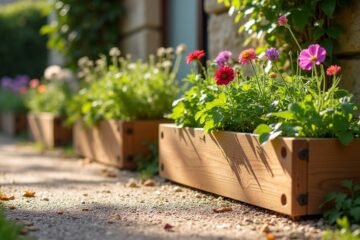
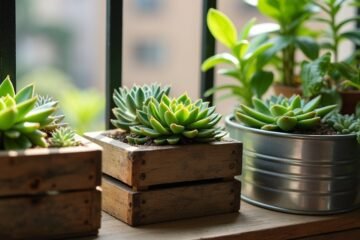
Want to turn your tiny space into a vibrant green oasis? DIY vertical planters are your secret weapon! Stack those herbs like basil and mint to create an aromatic tower that delights your senses. Use recycled pallets or hanging pots to add character and charm. With eye-catching blooms like petunias cascading down, your garden will catch everyone’s eye! Curious about the best materials and additional tips? Stick around, and you’ll uncover all the juicy details!
Benefits of Vertical Gardening in Small Spaces
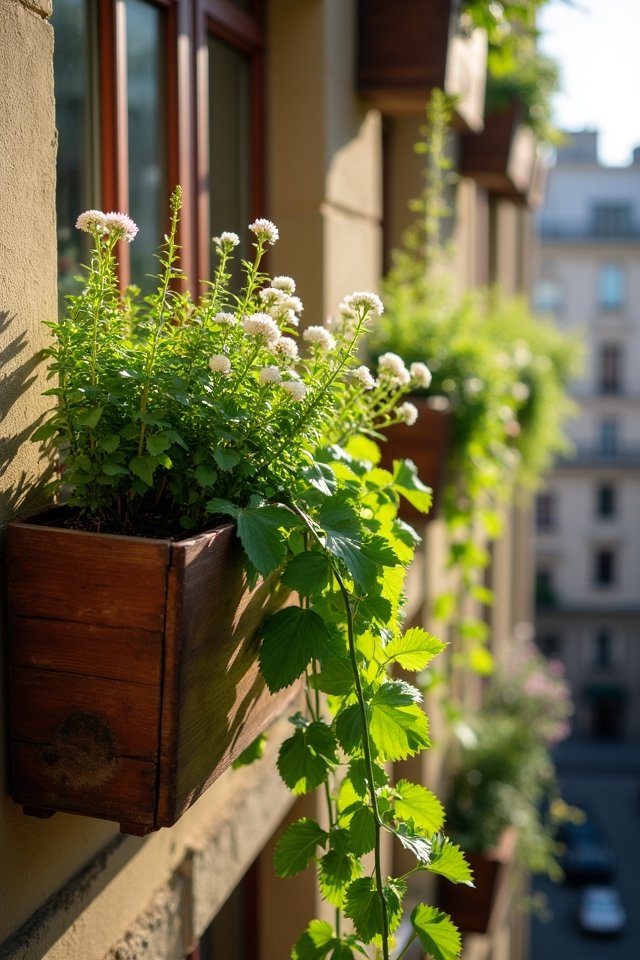
When you think about small space gardening, vertical gardening might just be your best friend! Imagine transforming a plain wall into a lush green oasis! By stacking planters, you’re maximizing space efficiency, fitting in more plants where ground space is limited. Picture vibrant herbs cascading down from heights, their scents filling the air. Not only does this save precious space, but it also enhances your surroundings with incredible aesthetic appeal. Suddenly, your balcony or patio isn’t just an area—it’s an eye-catching vertical garden! With a bit of creativity, you can craft unique displays like repurposed wooden pallets or hanging shoe organizers. So, why let limited space hold you back? Release your inner garden innovator and go vertical!
Choosing the Right Plants for Vertical Planters
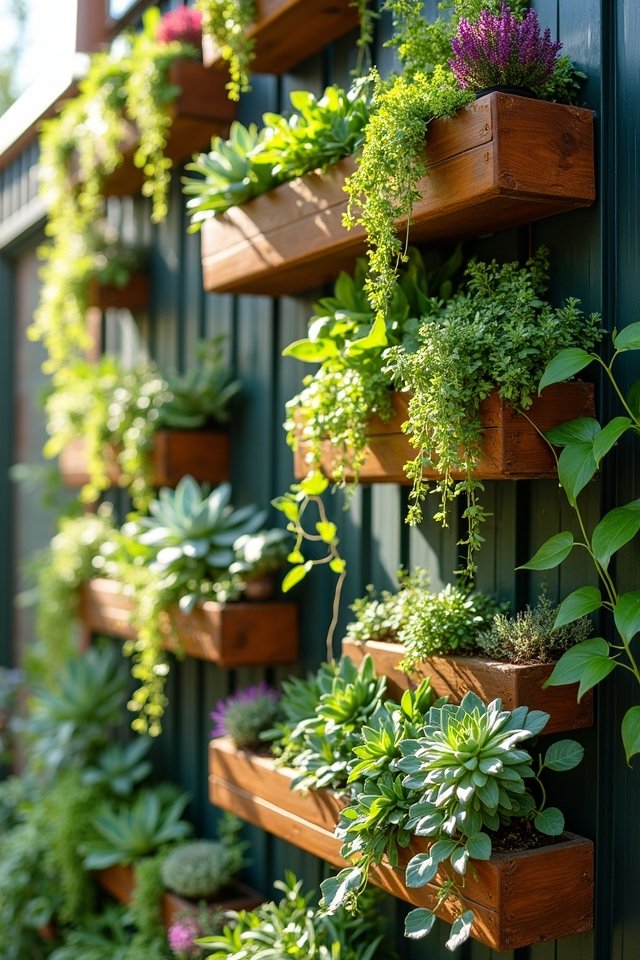
Choosing the right plants for your vertical planters can feel like a delightful puzzle waiting to be solved! Imagine the vibrant greens of fresh herbs at your fingertips—basil, thyme, and mint create a fragrant tapestry you’ll adore. Think about it! How easy will it be to snip off a sprig for your favorite dish?
And don’t forget those dazzling flower varieties! Petunias, nasturtiums, and trailing lobelia make your vertical garden pop with color while attracting buzzing pollinators. You want a mix that thrives together, so consider sunlight and water needs. Play around with heights, too—let the petunias cascade like a waterfall! So, why not commence on this blooming adventure? Your garden delight awaits!
Types of Vertical Planters You Can Create
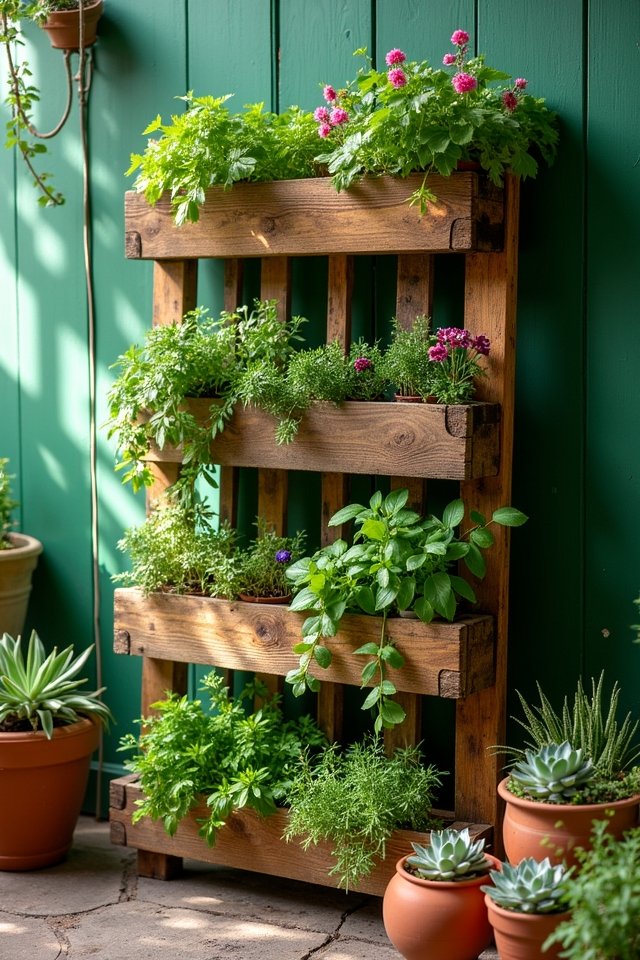
Vertical planters come in all shapes and sizes, ready to jazz up your small space! If you’re itching to get innovative, here are four fun types you can create:
- Herb Towers: Stack pots full of your favorite herbs, like basil and mint. You’ll have handy flavors at your fingertips!
- Pallet Gardens: Recycle an old pallet to create a rustic wall garden. Fill it with vibrant flowers and greenery—so charming!
- Hanging Planters: Suspend colorful pots from hooks or old ladders. They’ll sway in the breeze and bring life to your walls!
- Vertical Mesh Gardens: Attach mesh to a frame and tuck in tiny potted plants. It’s like a living tapestry!
Which one will you try first? Let’s get growing!
Materials Needed for DIY Vertical Gardening
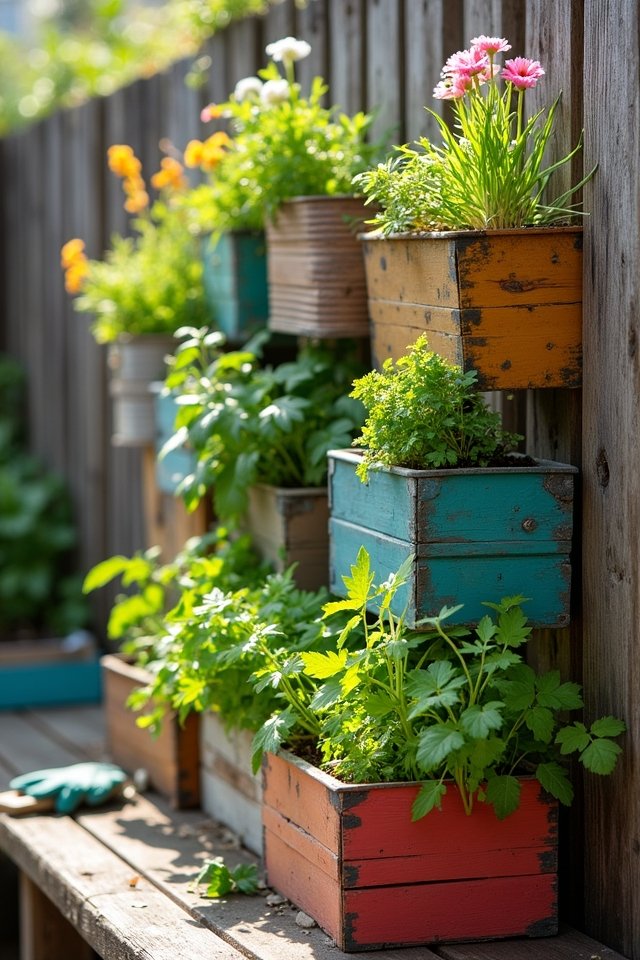
To kick off your DIY vertical gardening adventure, you’ll want to gather some essential materials that’ll make your project a breeze! Think recycled materials like wooden pallets, old shoe organizers, or even tin cans—who knew trash could look so good? You’ll also need sturdy planter boxes; these are your little garden homes, ready to cradle your herbs and flowers. Grab some potting mix and seeds—get creative with colors and scents! Don’t forget tools like a drill for those perfect drainage holes and a paintbrush for adding a splash of style! With these materials, you’ll transform your space into a lush, vertical oasis that’ll make your neighbors green with envy. Ready to dig in? Let’s go!
Step-by-Step Guide to Building a Vertical Planter
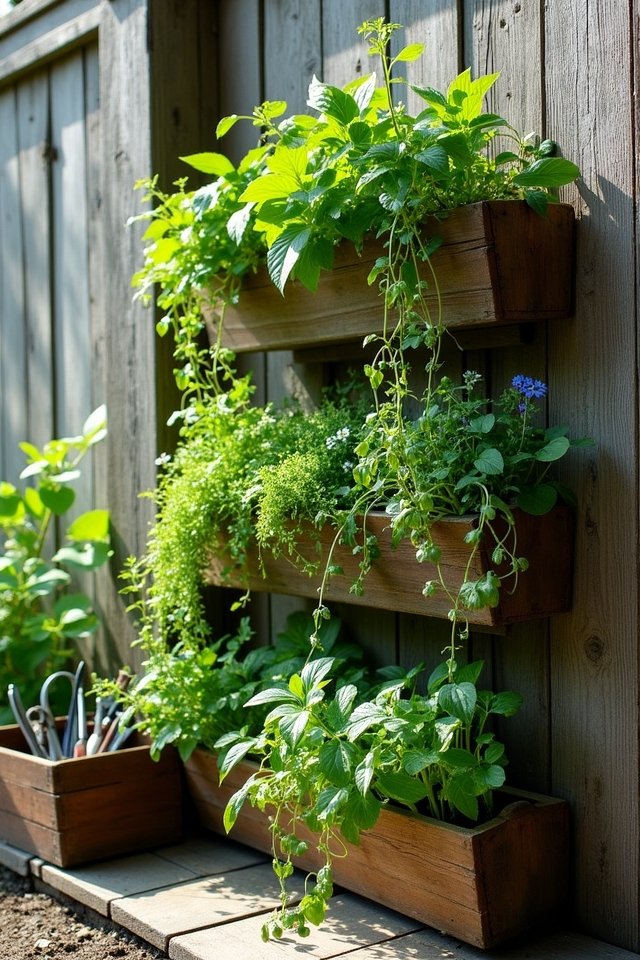
Ready to release your inner gardener? Building a vertical planter can transform your small space into a lush retreat! Follow these simple steps for innovative vertical planter designs:
- Choose Your Structure: Think pallets, trellises, or shelf ladders – get creative!
- Select Plant Pots: Go for a mix of sizes and colors to jazz it up!
- Drill Drainage Holes: Proper drainage is key, so don’t skip this essential step!
- mount and Fill with Soil: Make it sturdy, then fill with quality soil to nurture your plants!
With these planter maintenance tips, you can keep your greenery thriving! Plus, you’ll gain a delightful tiny garden. Now, let that creativity flow – happy gardening!
Tips for Planting and Maintaining Your Vertical Garden
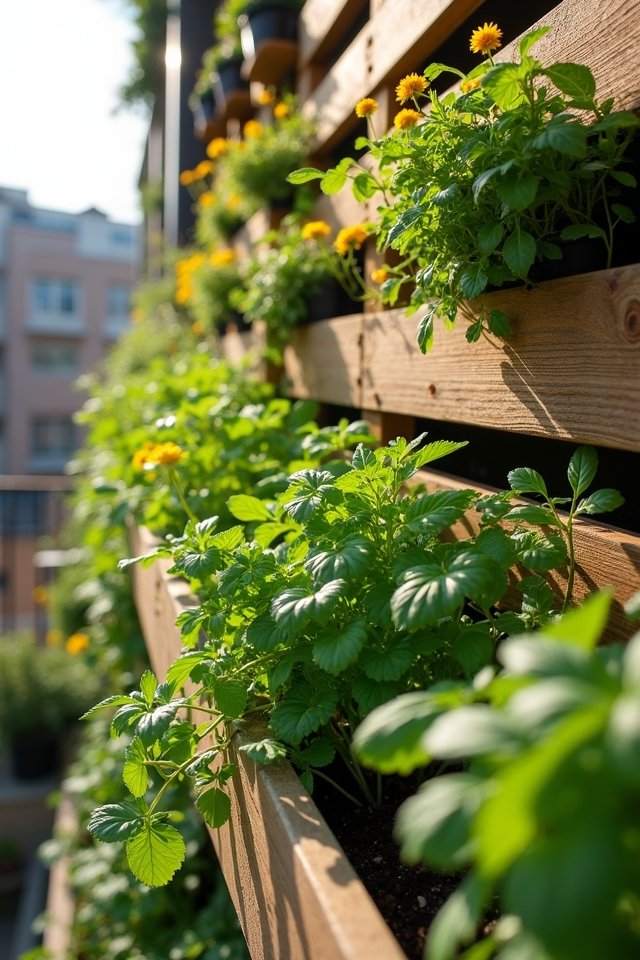
When you plunge into planting and maintaining your vertical garden, it’s like opening the door to a whole new world of greenery! To kick things off, adopt innovative planting techniques. Layer your plants in a way that smaller ones bask in the sun while taller siblings offer ample shade. Don’t forget about spacing; crowding can lead to a plant traffic jam! As for maintenance tips, check your soil regularly—it should be as cozy for roots as a favorite chair. Prune often, like giving your plants a tidy haircut, and keep a watchful eye for pests; treat them like unwanted party crashers! With these simple steps, your vertical garden will flourish, turning your space into a vibrant oasis!
Creative Ideas for Watering Vertical Planters
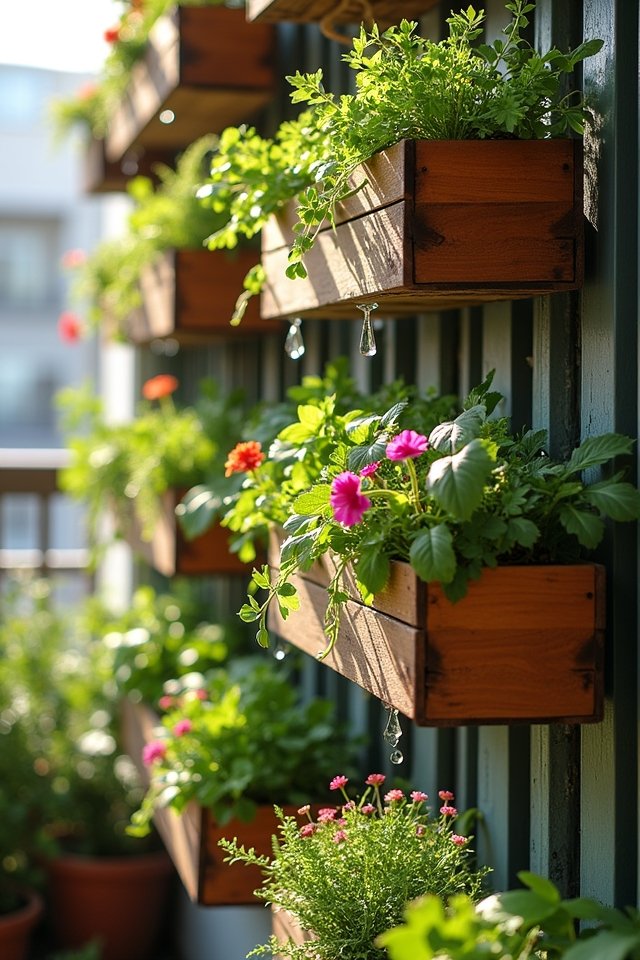
Keeping your vertical garden thriving doesn’t just stop at planting and pruning; you’ve got to think creatively about watering too! Here are some fun ideas to keep your plants happy and hydrated:
- Drip Irrigation: Setting up a drip irrigation system is like giving your plants a gentle rain every day—perfect for busy gardeners!
- Self-Watering Systems: These ingenious setups let your planters sip water when they’re thirsty; it’s like a spa day for your plants!
- Watering Cans with Long Spouts: Reach those tricky spots easily! It’s like giving your plants a little surprise shower!
- Misting Bottles: Perfect for delicate herbs! It’s like a mini monsoon that keeps everything fresh!
Get creative and watch your vertical garden flourish! 🌿
Harnessing Sunlight in Limited Space Gardening
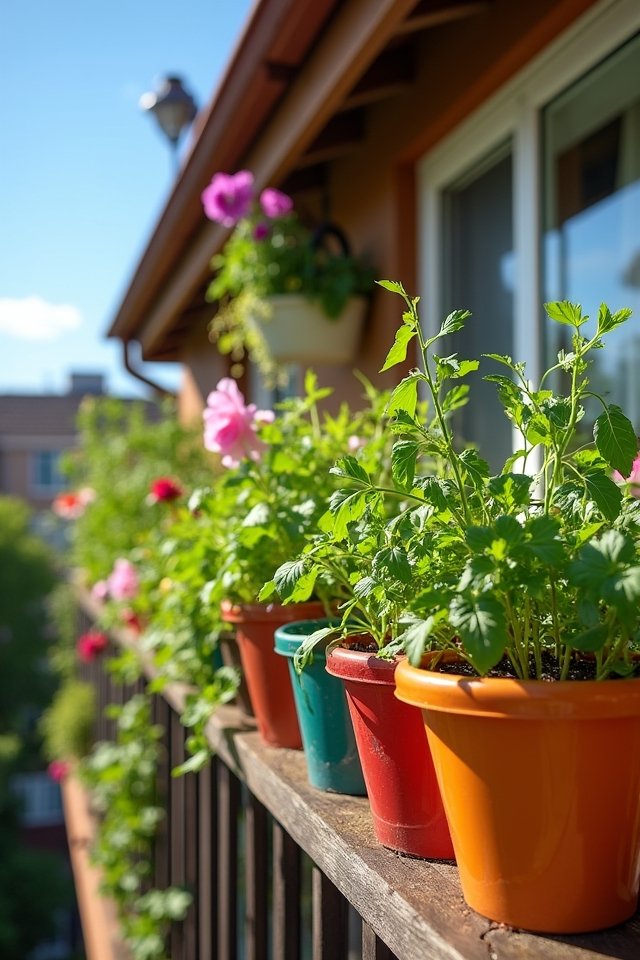
How can you make the most of the sunlight in your tiny gardening space? First, observe those glorious sunlight angles! They change with the seasons, so be ready for some seasonal adjustments. Position your planters in the spots that bask in direct sunlight for most of the day. If you’ve got a cramped balcony, try using reflective surfaces, like shiny aluminum foil, to bounce sunlight onto your plants. You’ll be amazed at how much warmer and happier they’ll feel! Remember, some plants thrive in partial shade, too, so mix it up! Keep an eye on where shadows creep as the seasons shift—those sneaky shadows can steal precious light! Your plants will thank you with vibrant colors and luscious growth!
Maximizing Vertical Space With Shelving and Hooks
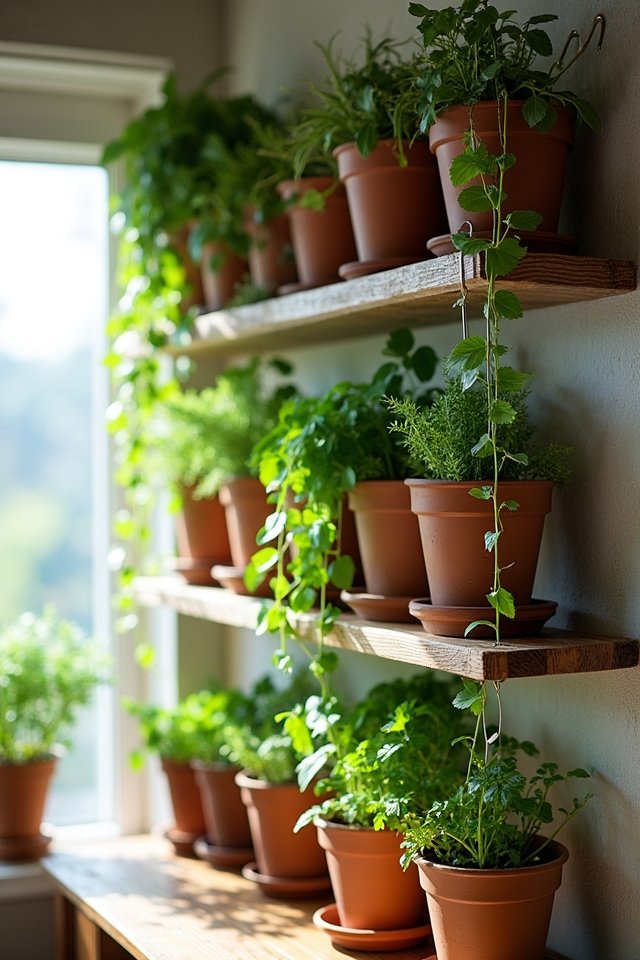
With limited ground space, you can still reach for the skies—literally! Welcome your inner gardener with innovative shelving strategies and clever hook placements. Here’s how to maximize that vertical space:
- Wall shelves: Install floating shelves to hold potted herbs—imagine fresh basil or mint right at your fingertips!
- Ladder racks: Repurpose an old ladder as a rustic plant stand; it adds charm and height!
- Hooks: Use S-hooks on a rail to hang your planters. It’s not just smart, it’s stylish!
- Pegboards: Create a vertical garden with a pegboard; it’s like having a canvas for your green art!
Seasonal Considerations for Your Vertical Garden
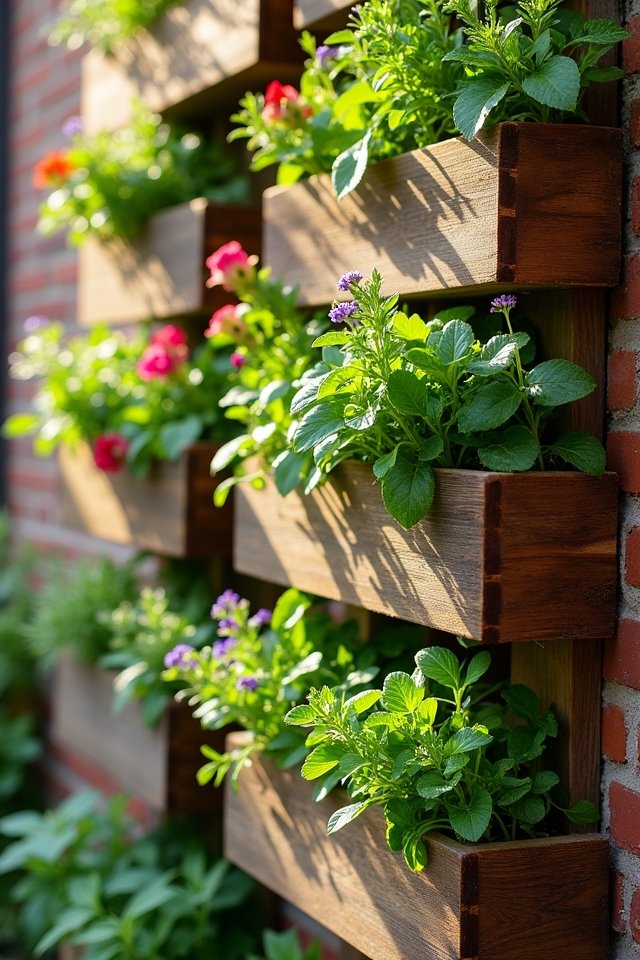
As the seasons change, so too do your vertical gardening needs! Imagine fresh herbs spilling from your planters in spring, vibrant with the scent of new growth. With seasonal planting, you’ll want to adapt your plant choices based on climate considerations. For example, in summer, opt for sun-loving tomatoes and peppers; they’ll thrive with your vertical setup. Once the chill of fall sets in, swap them out for hardy greens like kale, which can withstand cooler temperatures. Winter? Think about stacking leafy varieties like spinach in a sunny corner, still savoring fresh delights! Embracing these seasonal shifts not only invigorates your garden but also keeps your taste buds dancing all year long. Who says small spaces can’t bloom beautifully?
Frequently Asked Questions
Can I Use Recycled Materials for My Vertical Planters?
Did you know that roughly 75% of plastic waste can be repurposed? When you’re crafting vertical planters, why not explore those recycled containers? They’re eco-friendly options that transform trash into treasure! Old wooden pallets, tin cans, or even plastic bottles can add flair to your garden while keeping our planet happier. Don’t just think outside the box—use the box! Ready to get your hands dirty and save the earth? Let’s do this!
How Do I Prevent Pests in My Vertical Garden?
To keep those pesky pests away, you’ve gotta get a little creative! Try using natural pest repellents like garlic spray or neem oil; they’re like a defensive shield for your plants! Companion planting is another fantastic tactic—mix marigolds with your veggies, and watch how they deter unwanted bugs. Who knew plants could be best buddies too? Keep your vertical garden a vibrant sanctuary, and you’ll have less hassle and more green! Happy gardening!
What Is the Best Soil for Vertical Planters?
Did you know that well-draining soil can boost plant growth by up to 30%? For your vertical planters, use a quality potting mixture that encourages soil drainage—this keeps roots happy! Mix in coconut coir or perlite for that ideal fluffiness. Think of it as a cozy bed for your plants! And remember, moisture is key, so avoid overly compacted soil. Your green friends will thrive, and you’ll have a vibrant space sprouting with life!
How Often Should I Fertilize My Vertical Garden?
So, how often should you fertilize your vertical garden? It depends on the fertilizer types! If you’re using a slow-release option, feeding every 6-8 weeks works wonders. But if you prefer liquid fertilizer, every two weeks keeps your plants perked up and happy! Just imagine lush greenery dancing in the breeze! Remember, more isn’t always merrier—over-fertilizing can be like eating too much cake; it leaves your plants feeling cranky! Keep it balanced!
Are There Specific Plants to Avoid in Vertical Gardening?
When it comes to vertical gardening, plant selection is essential! You should avoid big, sprawling plants like pumpkins or zucchini that strain your vertical limitations. Instead, consider nifty options like lettuce and herbs that thrive in tight spaces. Isn’t it exciting to imagine a vibrant wall of basil or a cascade of strawberries? Keep it compact, and you’ll transform your vertical garden into a lush masterpiece without the struggle!