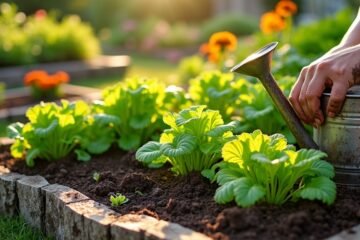
Ready to turn your balcony into a herb paradise? Start by picking herbs like basil for sweetness and chives for a gentle kick—perfect for flavorful dishes! Make sure your pots have good drainage and are just the right size, allowing roots to breathe. Use well-draining soil for happy plants, and remember: water when the top inch dries out! Trim your herbs for bushy growth, and your garden will thrive. Curious about more care tips? There’s plenty more to explore!
Choosing the Right Herbs for Your Space

Have you ever wandered through a garden center, feeling overwhelmed by the sheer number of herbs to choose from? Don’t fret! When selecting herbs for your balcony, consider their flavor profiles and how they’ll fit in your space constraints. For instance, basil’s sweet aroma can elevate any dish, while rosemary’s earthy notes add depth. If you’re short on space, opt for compact varieties like chives or thyme, which pack a flavorful punch without sprawling out! Imagine snipping fresh mint for a mojito, or adding vibrant cilantro to tacos—all within arm’s reach. Remember, your herb choices can transform your culinary adventures! So, roll up those sleeves, and let your balcony become a flavorful haven! Isn’t that exciting?
Optimal Potting Techniques
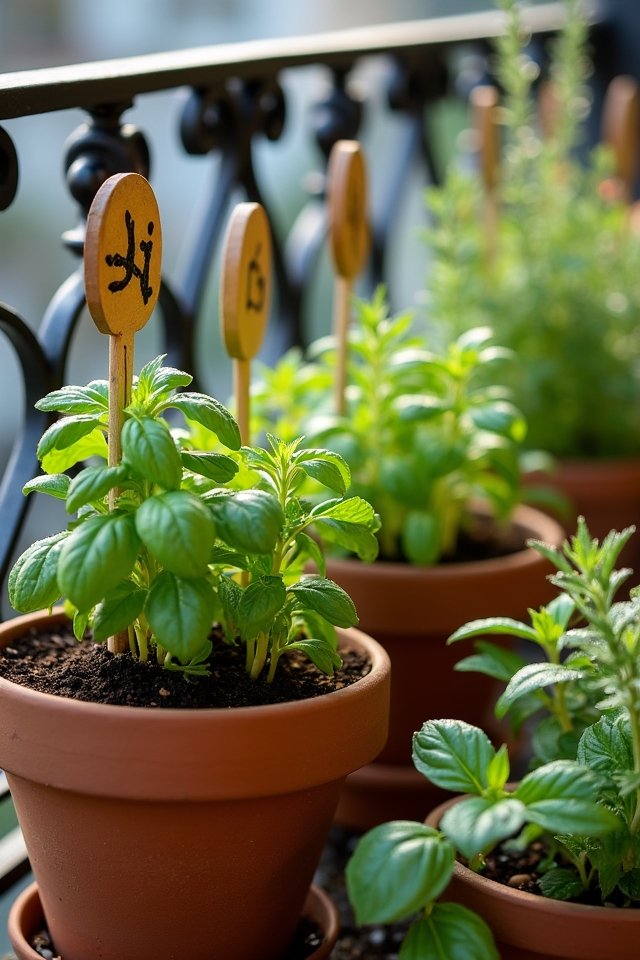
Choosing the right herbs is just the beginning of your balcony gardening adventure! To truly thrive, it’s critical to master ideal potting techniques. First up, pot size matters! A pot too small can stunt your herbs’ growth, while one that’s too big might drown them. Aim for a pot that allows roots to stretch comfortably but isn’t excessive—think Goldilocks! Next, don’t forget drainage holes. These tiny exits are essential, letting excess water escape and keeping roots from rotting. Imagine your herbs basking in the sun, sipping just the right amount of water! So grab those pots, drill those holes, and give your herbs the perfect home. Happy potting—your balcony oasis awaits!
Essential Soil Requirements

While you might think any old soil will do, the truth is, your herbs deserve the very best! Think of soil as the cozy bed for your plants. The right soil composition is crucial—mix equal parts potting soil, compost, and perlite for a delightful blend that’s both nutrient-rich and light. This combo not only nourishes but also guarantees drainage solutions are in place, preventing those pesky root rot issues. You wouldn’t want your herbs drowning, would you? A well-draining mix allows water to flow freely, like a revitalizing stream! And remember, herbs love a slightly acidic to neutral pH—around 6.0 to 7.0. So, give your herbs the love they need, and they’ll reward you with flavorful bounty!
Watering Best Practices
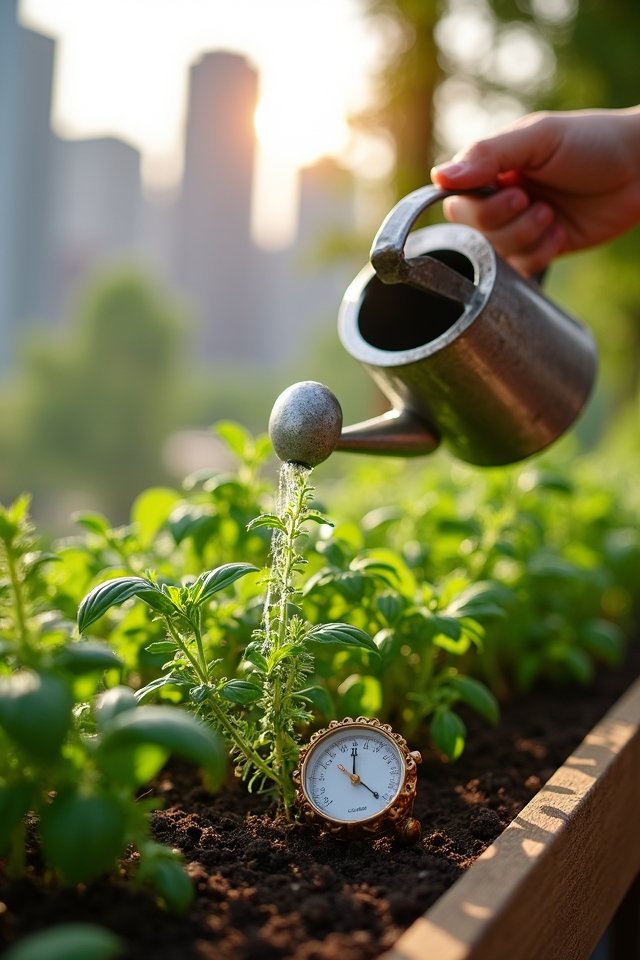
To keep your herbs thriving, watering them properly is essential, and it’s not just about dousing them with a hose! Think of your herbs as little green divas that need just the right amount of moisture. You’ll want to invest in smart drainage solutions like pots with holes or self-watering containers to prevent soggy roots. Plus, welcome moisture monitoring—whether it’s a simple finger test or a high-tech moisture meter. Water deeply, but let the top inch dry out between sessions; it’s like giving your herbs a invigorating shower, then letting them bask in the sun! Remember, overwatering is like a bad date—no one enjoys it! Keep it balanced, and your herbs will dance with delight!
Sunlight and Location Considerations
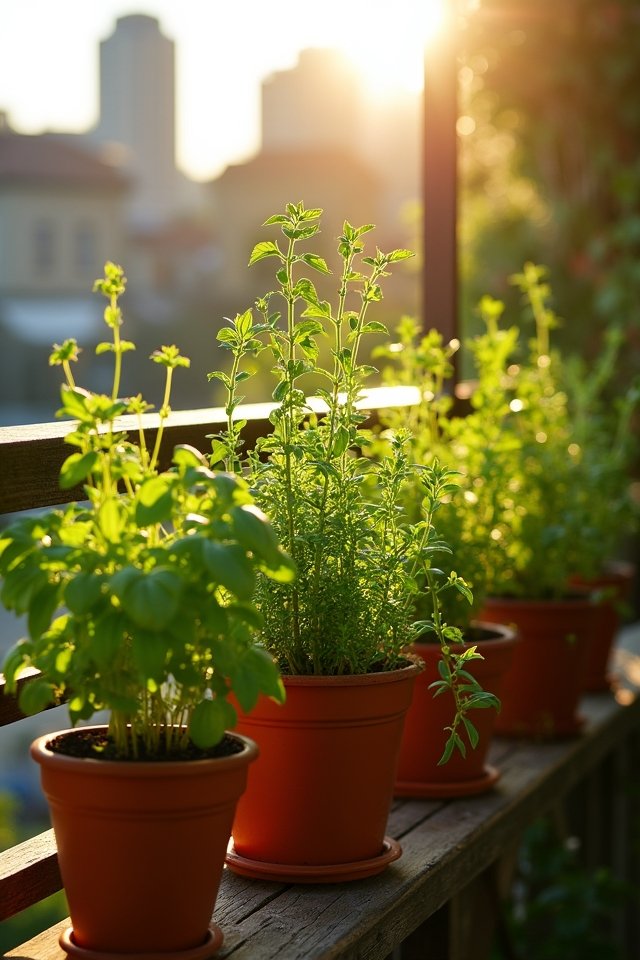
Your herbs need the sunshine just like you need your morning coffee—plenty of it! Good sunlight exposure is essential for flavorful herbs like basil and rosemary. If your balcony orientation faces south, you’re in luck! That’s prime real estate for sun-loving plants, soaking up those golden rays all day. However, if your balcony leans toward the north, don’t fret! You can still grow herbs, but you might want to take into account a mix that tolerates partial shade, like mint or chives. Position your pots wisely—close to the edge for maximum light. Keep an eye on your plants; if they’re stretching towards the sun, they’re craving more! So, give your little green buddies their sunshine fix, and watch them thrive!
Fertilization Tips for Healthy Growth
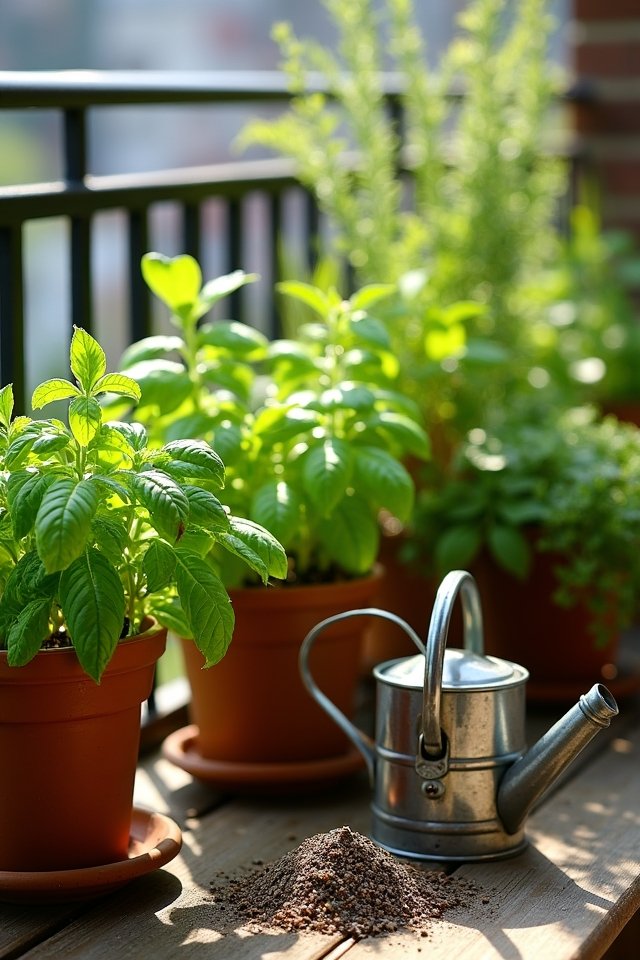
When it comes to nurturing your herbs, think of fertilization as their secret potion for vibrant growth! To keep your balcony garden thriving, you need to strike the perfect nutrient balance. Here are some innovative tips to get you started:
- Use organic fertilizers like compost or worm castings for a natural boost.
- Fertilize every 4-6 weeks to keep your herbs hungry for growth.
- Dilute your fertilizer to prevent overwhelming young plants—think of it as a gentle hug!
- Rotate between different fertilizers to guarantee a diverse nutrient intake.
With these tips, you’ll create a lush herb garden that’ll make your neighbors green with envy! So, roll up your sleeves and watch your herbs flourish like never before!
Pruning and Harvesting Techniques

Pruning your herbs might seem challenging, but it’s actually like giving them a stylish haircut! You want your plants looking fresh and thriving, right? Use pruning methods like snipping just above the leaf nodes; it encourages bushier growth and more flavorful leaves. You’ll feel like a garden artist!
When it’s time to harvest, do it in the morning when oils are at their peak. Grab a pair of scissors and cut the stems, leaving a few inches for future growth. Think of it as a refresh for your plants! By mastering these harvesting techniques, you’ll not only enjoy a bountiful supply of herbs but also keep your balcony garden vibrant and full of life. Happy gardening!
Pest Control Methods
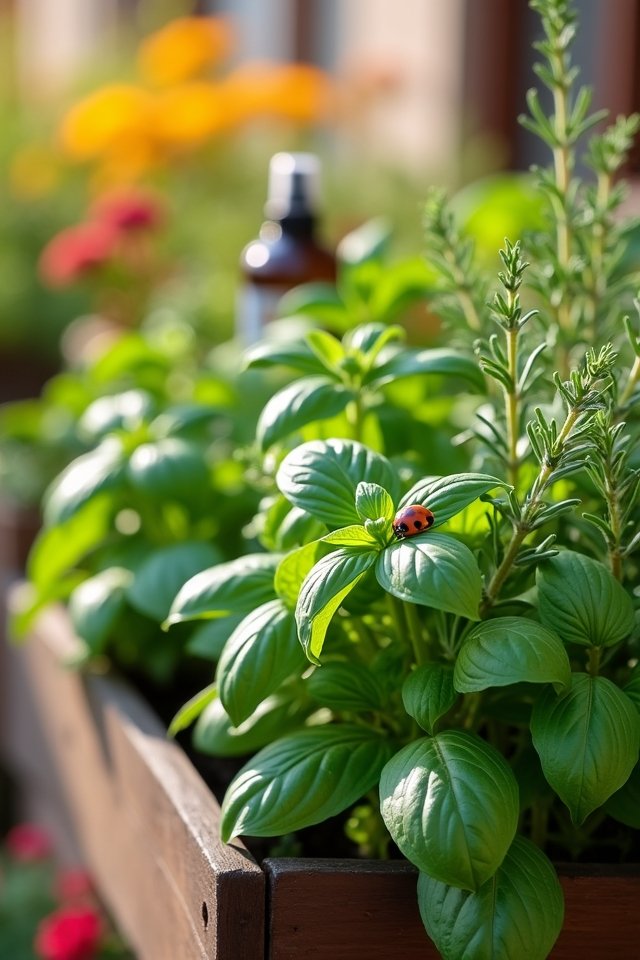
Pests can feel like uninvited guests crashing your garden party! But don’t fret; you’ve got some innovative pest control methods at your fingertips. Try using natural repellents and organic pesticides to keep those pesky critters at bay. Here are a few ideas to get you started:
- Neem oil: It’s a game-changer, disrupting pest life cycles.
- Diatomaceous earth: Think of it as a sand trap for unwanted insects!
- Garlic spray: A pungent potion that pests despise but plants love.
- Companion planting: Pair herbs like basil with tomatoes to ward off aphids naturally.
With these strategies, your balcony herb garden will stay vibrant and thriving. Who knew pest control could be so stylish? Let’s keep those guests in check!
Seasonal Care Adjustments
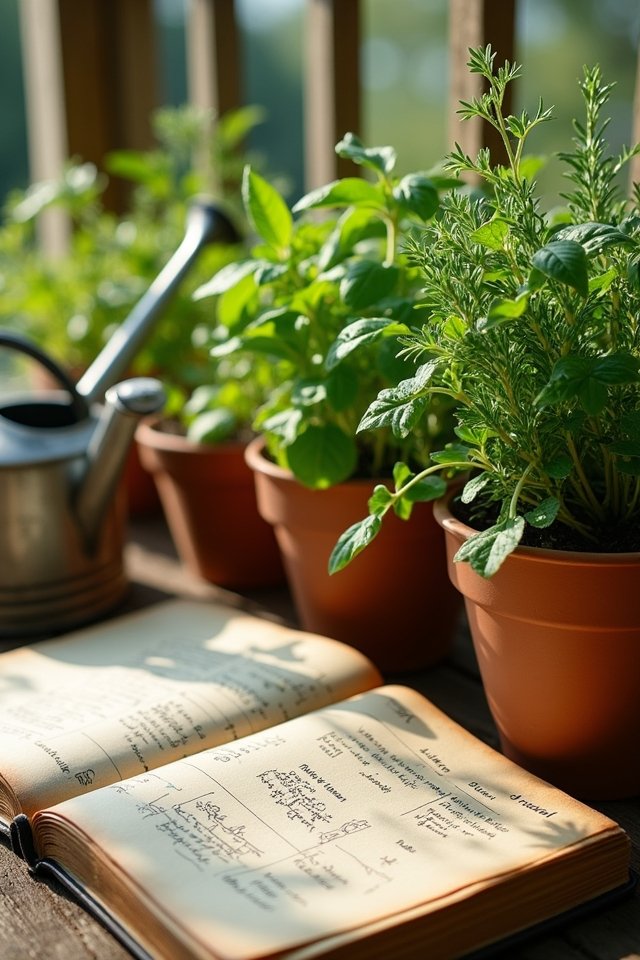
Keeping your balcony herb garden flourishing means adjusting your care routine with the seasons, just like you might swap out summer shorts for cozy sweaters in the fall! As temperatures drop, don’t forget about winter protection. You can insulate pots with bubble wrap or bring tender herbs indoors to keep them cozy. In spring, welcome seasonal rotation by replanting herbs like basil and cilantro for a burst of freshness! You’ll adore their vibrant colors and delightful scents! When summer rolls in, make sure to water more frequently—herbs love a good drink! And don’t forget to trim back overgrown plants; it’s like giving them a stylish haircut! Adapting to the seasons keeps your herb garden thriving and your culinary adventures exciting!
Companion Planting for Enhanced Growth

Did you know that planting certain herbs together can create a harmonious garden that boosts growth and flavor? This magic happens through herb companionship, where plants support each other’s growth synergy. Want to elevate your balcony garden? Here are some fantastic pairings to try:
- Basil and Tomatoes: They’re like best friends, enhancing each other’s flavors!
- Rosemary and Sage: These aromatic buddies thrive together, warding off pests!
- Mint and Chives: Their fresh scents attract helpful pollinators!
- Cilantro and Dill: These herbs dance together, making your dishes pop with flavor!
Frequently Asked Questions
How Can I Prevent Weeds in My Balcony Herb Garden?
Think of weeds as uninvited guests crashing your herb party! To keep them away, adopt proactive weed prevention. Start by laying down a thick layer of mulch around your plants—it’s like a cozy blanket that smothers those pesky intruders. Regular garden maintenance is key, too! Pull any weeds you spot early and consider using landscape fabric for extra protection. With these simple steps, your balcony garden will thrive, and you’ll savor delightful, weed-free herbs!
Can I Grow Herbs Indoors if I Lack Balcony Space?
Absolutely, you can grow herbs indoors! Indoor gardening can be a delightful adventure. Choose vibrant herbs like basil, mint, or rosemary—each adds a burst of flavor and aroma to your kitchen! Use bright pots and place them near sunny windows, like cozy sunbathers. Don’t forget to water them regularly; think of them as your little green buddies needing TLC. Who knew a windowsill could transform into a mini herb paradise? Exciting, right?
What Are the Best Containers for a Balcony Herb Garden?
When choosing containers for your balcony herb garden, think vibrant colors and unique shapes! Terracotta pots are classic and breathable, while metal containers add a modern twist. Don’t forget drainage solutions—try pots with holes or layer with pebbles to prevent soggy roots! You want your herbs to thrive, not drown! Experiment with window boxes for a charming touch. Just imagine fresh basil and thyme, ready for your culinary creations! Exciting, right?
How Do I Know When My Herbs Are Ready to Harvest?
Did you know that a basil plant can grow up to 24 inches in just a few months? When your herbs reach about one-third of their mature size, it’s time to think about harvest timing! Look for vibrant green leaves that smell heavenly. If they’re looking a bit too leggy, they might be begging for some attention. So snip away, and bring those fresh flavors to your kitchen! Isn’t that exciting?
Are There Specific Herbs That Repel Pests Naturally?
Some fantastic pest-repelling herbs can serve as your garden’s superhero team. Think about planting basil, its aroma’s like a force field against flies and mosquitoes! Or consider rosemary, which acts as a natural deterrent for pesky beetles. Mint’s scent? It’s almost like a repellant perfume for ants! By filling your balcony with these fragrant friends, you’re not just adding beauty—you’re creating a pest-fighting fortress. Isn’t nature amazing?