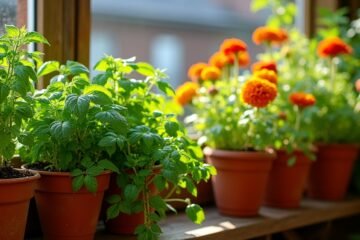
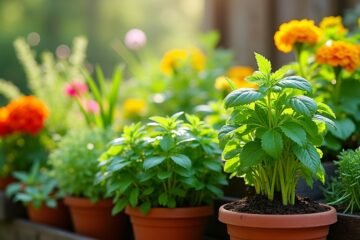
Companion planting’s like throwing a garden party for your plants! Imagine marigolds dancing alongside tomatoes, repelling pesky bugs while beans climb corn, enriching the soil as they grow. You’ll attract buzzing bees and fluttering butterflies, turning your garden into a lively ecosystem. Plus, with clever pairings, you’ll maximize every inch of space and reduce the need for chemicals! It’s a green thumb’s paradise! Curious about more exciting benefits? Stick around and let’s dig deeper!
Enhanced Pest Control
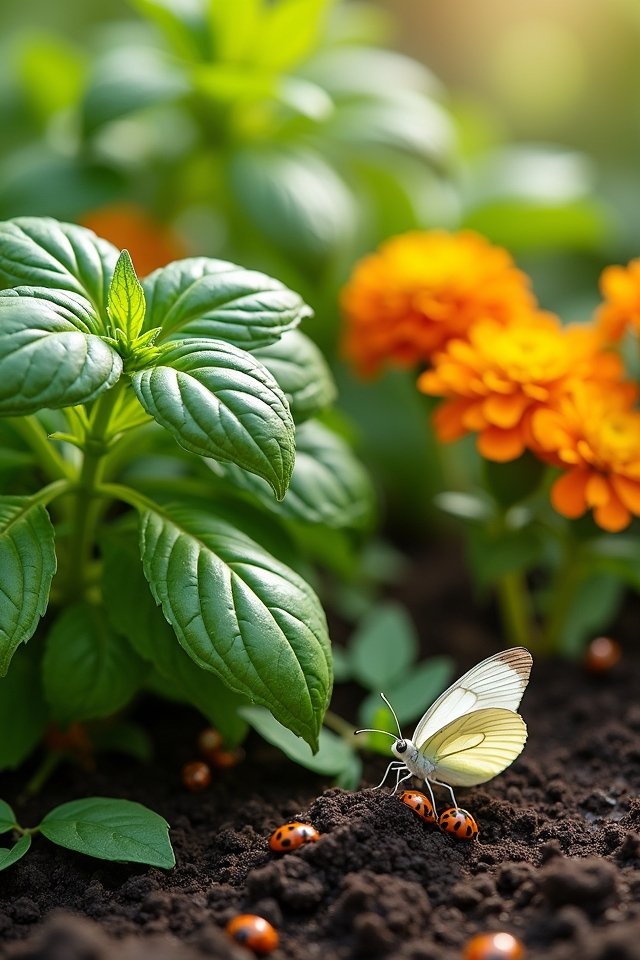
When you think about gardening, have you ever imagined teaming up your plants like a dynamic duo in a superhero movie? That’s exactly what companion planting does! By pairing certain plants, you can create a robust team that battles pesky pests together. For instance, marigolds work wonders when planted next to tomatoes. Their bright blossoms attract beneficial insects while warding off harmful ones—it’s like your garden’s trusty sidekick! Similarly, basil loves hanging out with peppers, keeping those sneaky aphids at bay. The scent of basil confuses pests, giving you peace of mind while you harvest. So, why not let your plants become allies in the garden? With strategic pairings, you’re not just growing; you’re creating a formidable fortress against pests!
Improved Soil Health
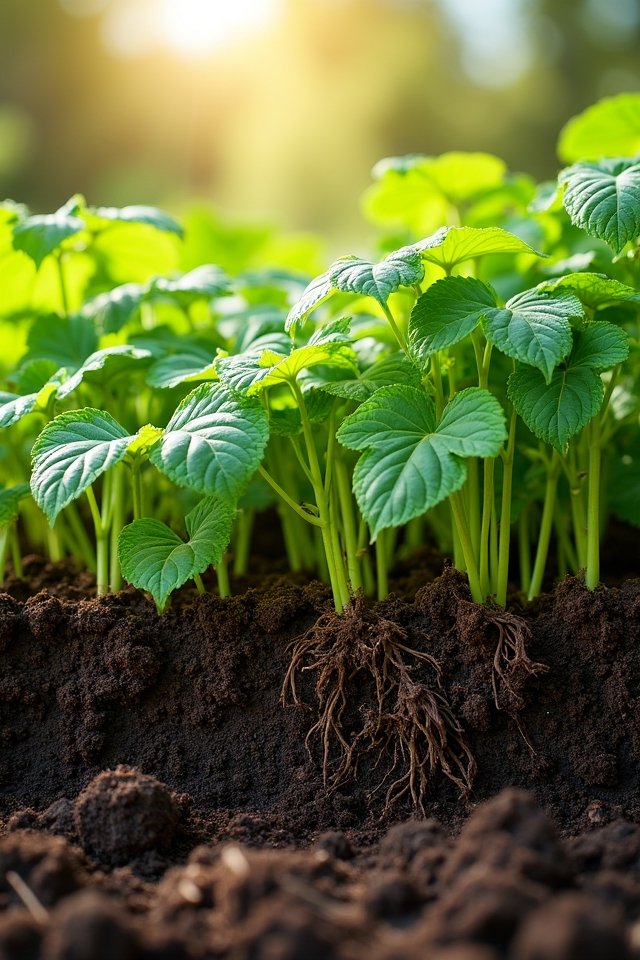
As you dig into the benefits of companion planting, you’ll find that it doesn’t just create a pest-fighting team; it also champions improved soil health! By pairing plants wisely, you’re not only growing delicious veggies but also nourishing the earth beneath them. Think of it as a soil spa day! Here’s how companion planting transforms your soil:
- Nitrogen Fixation: Legumes, like beans, add nitrogen, revitalizing your soil.
- Enhanced Biodiversity: A mix of plants fosters diverse microorganisms, enriching the soil ecosystem.
- Root Cooperation: Different root systems can work together, breaking up tough soil and allowing for better drainage.
- Mulching Magic: Some plants, like clover, act as natural mulch, helping retain moisture.
Increased Pollinator Attraction
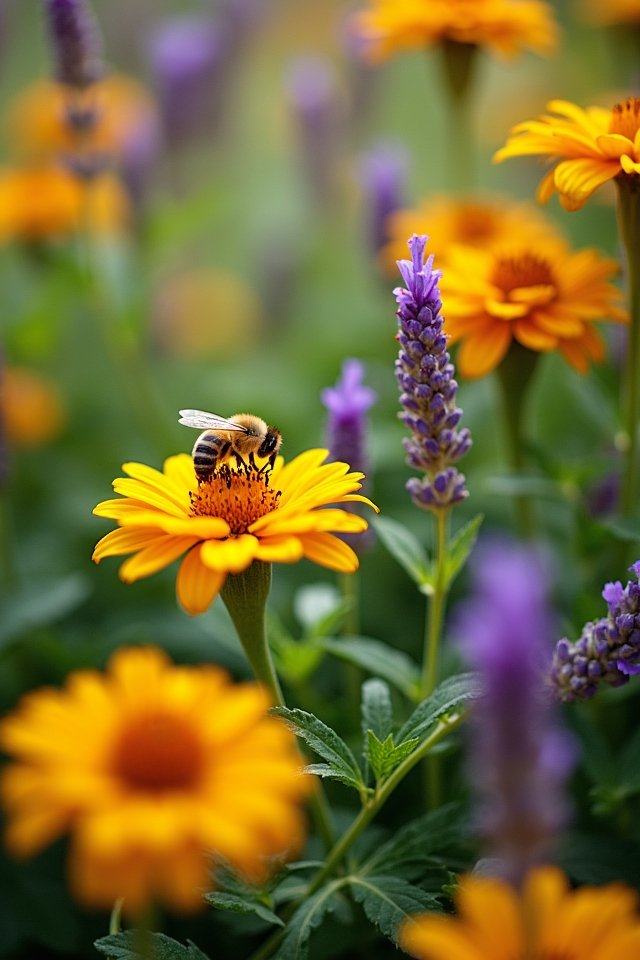
Your garden can turn into a buzzing paradise just by planning your plant pairings wisely! When you mix vibrant flowers like calendula with your veggies, you’re not just adding beauty; you’re attracting pollinators galore. These little winged wonders, like bees and butterflies, race from bloom to bloom, bringing life and energy to your outdoor oasis. Can you imagine the sweet sound of their buzzing as you sip your morning coffee? It’s like nature’s symphony! Plus, the more pollinators you attract, the better your crops will flourish. Think of it as giving your garden a superhero team! So, why not experiment? Pair those sunflowers with peppers or tomatoes, and watch your garden thrive in a colorful, buzzing ballet of life!
Efficient Use of Space
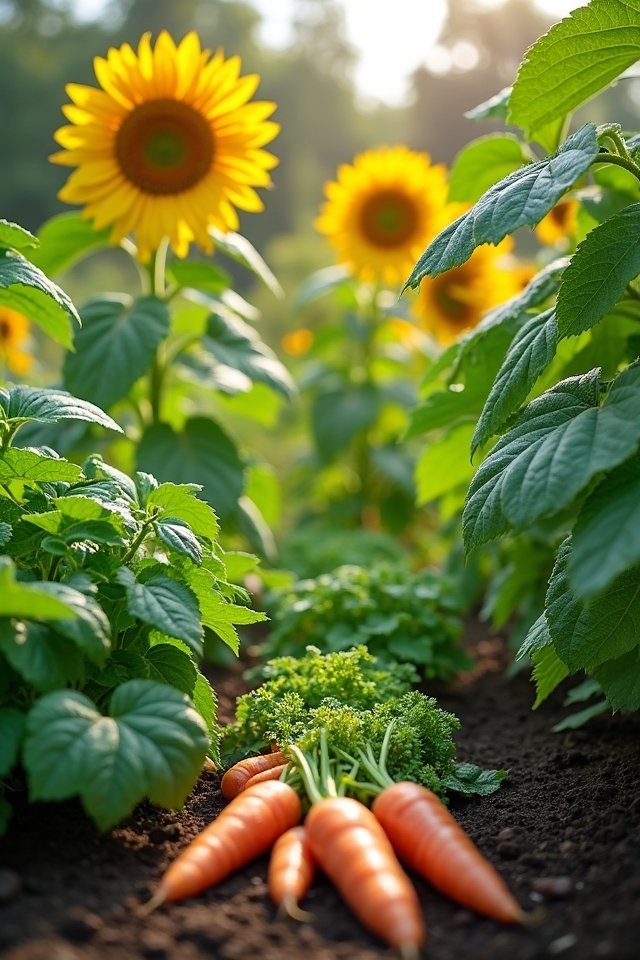
Maximizing your garden space can feel like solving a delightful puzzle! With companion planting, you can get creative and efficient, turning those lonely spots into thriving ecosystems! Here’s how to be innovative:
- Layer Plants: Use tall plants like tomatoes to create shade for smaller crops like basil underneath.
- Mix Families: Pair beans with corn; the beans will climb the corn while enriching the soil.
- Trap Crops: Use nasturtiums to lure pests away from your valuable veggies—your plants will thank you!
- Succession Planting: Plant quick-growing veggies like radishes between slower-growing ones, making the most of every inch!
Natural Weed Suppression
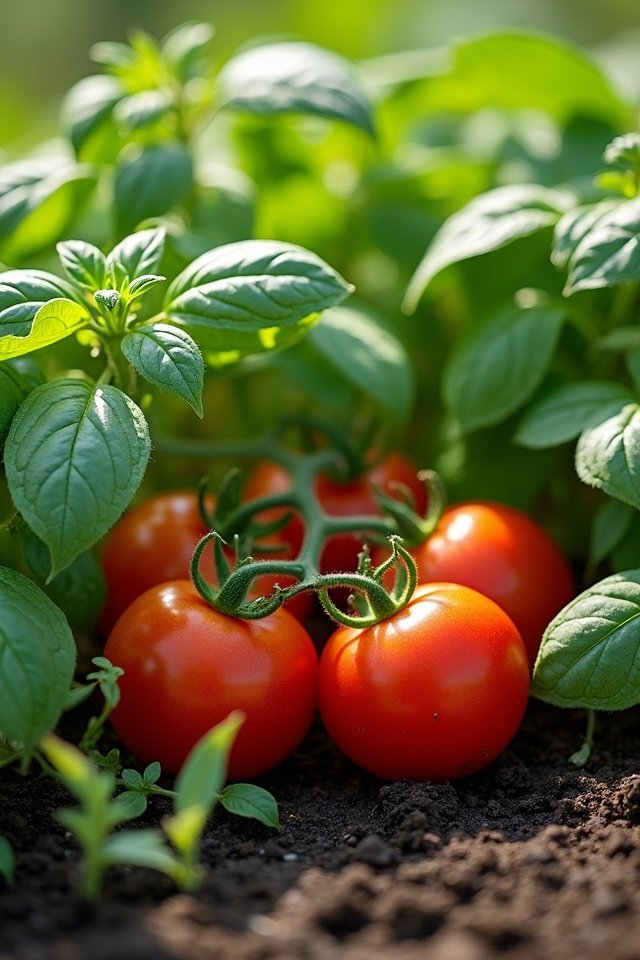
Isn’t it amazing how nature has a way of working things out? When you immerse yourself in companion planting, you’ll discover the secret to natural weed suppression! Think of your garden as a bustling city—some plants are the helpful citizens, crowding out those pesky weeds. For instance, when you pair tall corn with low-growing beans, the beans shade out the ground, blocking sunlight that weeds need to thrive. Imagine a cozy blanket over the soil, keeping unwanted visitors at bay! Then, consider marigolds—these vibrant beauties release compounds that deter weeds and pests alike, making your garden safer. Who knew that with clever combinations, you could promote harmony and innovation while keeping those weeds in check? It’s pure magic!
Better Nutrient Utilization
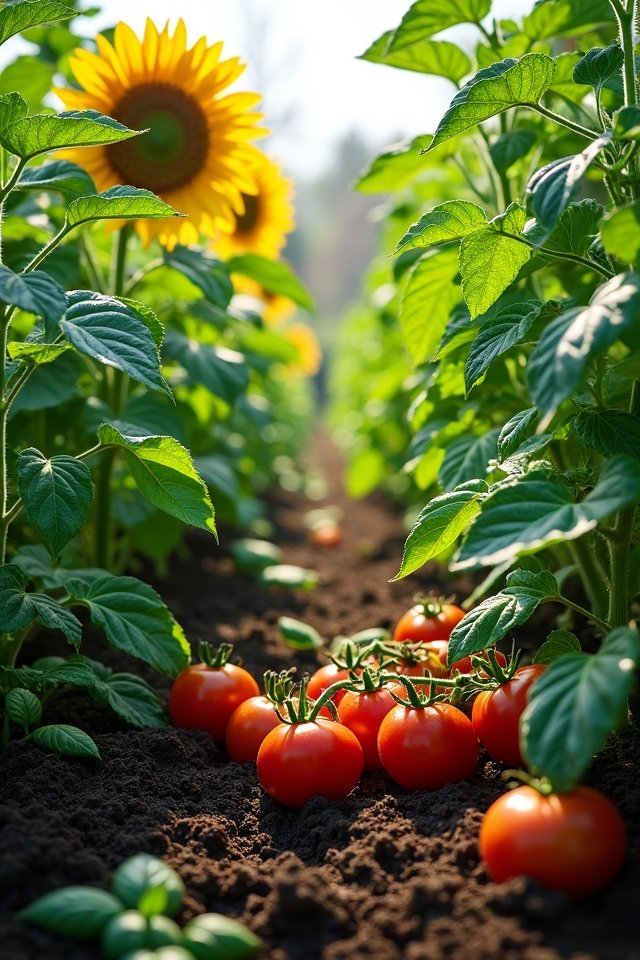
When you pair certain plants together, you’re not just planting—you’re creating a nutrient-enhancing dream team! Imagine how beans, nurturing nitrogen in the soil, hop on board with corn, who just loves that boost. It’s like a garden party for nutrients! You’ll discover four major perks of this dynamic duo:
- Optimal Nitrogen Fixation: Beans work hard to fix nitrogen, helping nearby plants thrive.
- Root Structure Variety: Different root depths mean more efficient nutrient absorption.
- Mutual Pest Defense: Some plants repel pests that may otherwise steal nutrients!
- Soil Health Boost: Diverse roots and leaves enhance organic matter.
Crop Diversity and Resilience

In your garden, variety isn’t just the spice of life—it’s the secret sauce for creating a vibrant ecosystem! When you mix crop types, you’re building a robust community of plants that can withstand challenges. Picture tomatoes dancing alongside basil, each supporting the other against pests and diseases. How cool is that?
This diversity isn’t just a pretty sight; it’s like giving your garden a superhero power! By planting a mix of crops, like carrots and onions, you create a resilient system where one plant can thrive when another falters. They’re an unstoppable team, tackling the unpredictable climate together. So, go ahead—embrace the wild colors and textures of diverse crops! Your garden will thank you with bountiful harvests and healthy plants!
Reduced Dependency on Chemicals
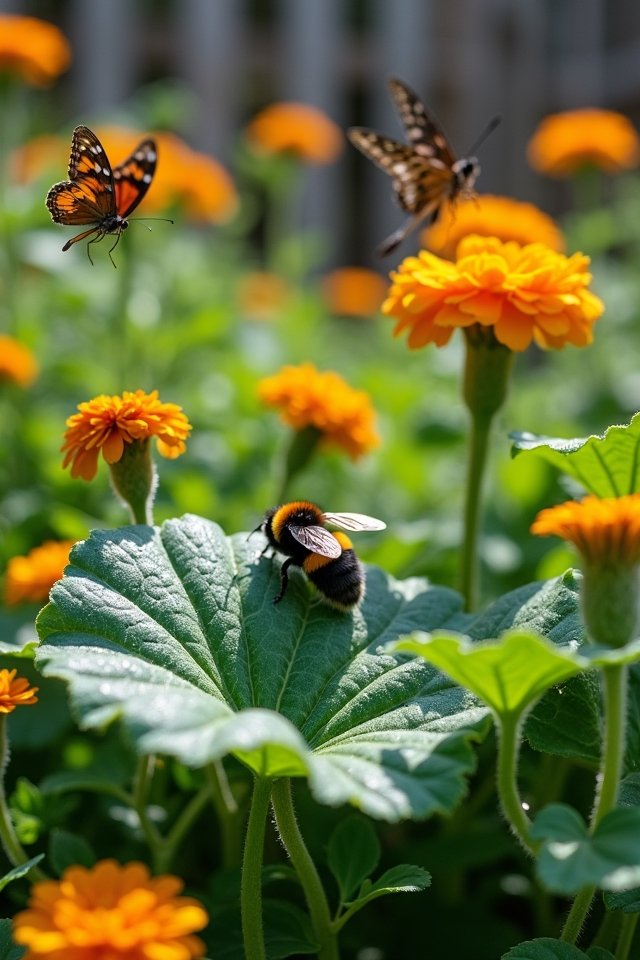
By choosing companion plants, you’ll naturally reduce your dependency on chemicals while creating a flourishing garden. Imagine a space buzzing with life, where plants protect each other and thrive without synthetic help! It’s a win-win!
Here are some powerful benefits:
- Pest Control: Marigolds repel pesky insects that munch on veggies—say goodbye to harmful sprays!
- Soil Health: Legumes like peas restore nutrients, giving your soil a natural boost!
- Natural Pollination: Diverse plants attract more pollinators, increasing your plants’ productivity!
- Disease Resistance: Companion plants create a barrier, protecting each other from harmful diseases!
Who knew that by planting a garden together, you could also cultivate a healthier environment? Your green thumb is going to love this!
Extended Harvest Periods
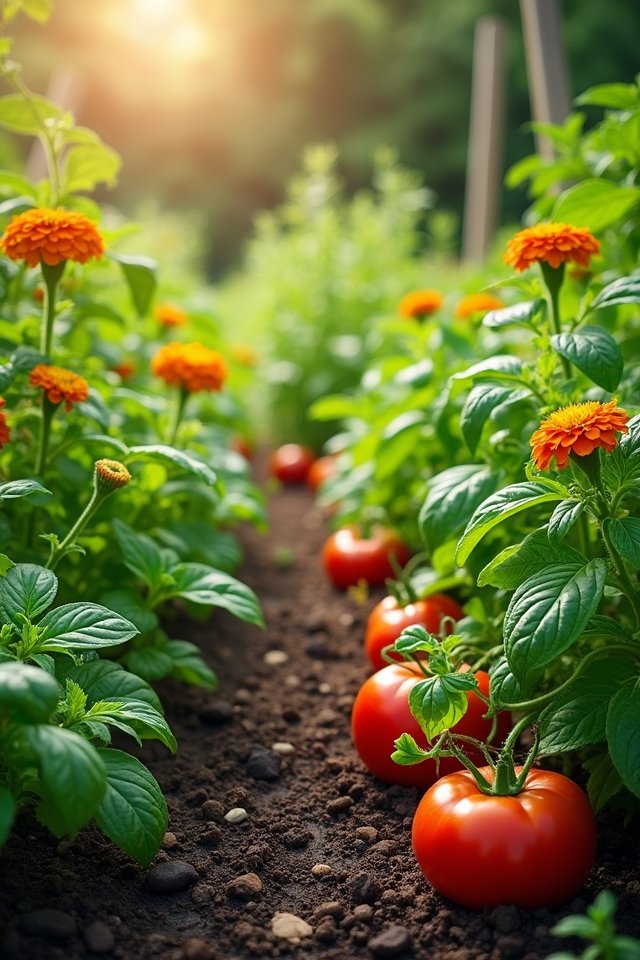
Imagine savoring fresh produce from your garden long after the summer sun has set. With companion planting, you can extend your harvest periods and keep that garden-fresh flavor going strong! By pairing crops wisely, you create an ideal environment for ongoing growth. Think of interplanting zucchini with beans; the beans nourish the soil, allowing your squash to thrive well into fall! It’s like giving your garden a cozy blanket to snuggle under as the temperature drops.
Plus, staggered planting schedules let you enjoy crisp, juicy lettuce while your tomatoes continue to ripen. Who wouldn’t want that? So, get creative! Your taste buds will thank you, and soon, you won’t just be harvesting— you’ll be celebrating! What’s not to love?
Companion Plant Pairings for Small Gardens
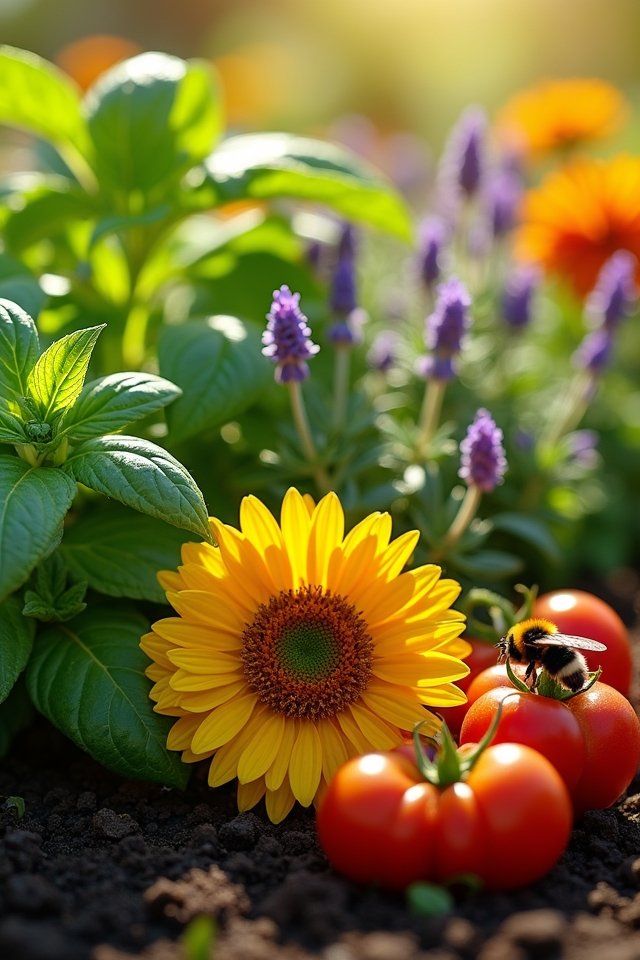
When you’re working with limited space in your garden, picking the right companion plant pairings can turn a tiny plot into a vibrant oasis! Whether you’re feeling green-thumbed or just curious, these combos might spark some joy:
- Tomatoes + Basil: This classic duo not only tastes divine together but also helps each other grow better!
- Carrots + Onions: Their scents confuse pests—talk about sneaky gardening!
- Lettuce + Radishes: Fast-growing radishes can shade lettuce, keeping it cool and happy.
- Cucumbers + Nasturtium: Beautiful nasturtium wards off pests while providing a colorful garden splash!
Frequently Asked Questions
What Types of Plants Make the Best Companions?
Ready to team up your plants? Tomatoes love hanging out with basil; that combo’s like peanut butter and jelly! Marigolds, with their pretty petals, can ward off pests while they share space with cucumbers, creating a little garden haven. And don’t forget about beans—they fix nitrogen in the soil for corn, making them gardening pals! You’ll feel like a wizard when you mix these together, watching your garden thrive! Exciting, right?
Can Companion Planting Be Done in Containers?
Absolutely, you can immerse yourself in companion planting in containers! Picture a mini-garden party, where herbs and veggies like basil and tomatoes mingle harmoniously. Just make sure those plant pals thrive together, sharing sunlight and water like old friends. You’ll create a fragrant, vibrant oasis! Plus, container gardening lets you play matchmaker with colors and textures, giving your space a cozy, inviting vibe. So, grab those pots and let the planting adventure begin!
How Do I Know if a Plant Is a Good Companion?
You’ll know a plant’s a good companion by considering its traits! Look for plants that share similar needs—like sun and water. Basil and tomatoes are a match made in garden heaven, boosting each other’s flavors. Avoid planting garlic near beans; they’re like siblings who just can’t get along! Trust your instincts, and don’t be afraid to experiment! Gardening is as much about play as it is about planting. Keep it fun, and enjoy the growth!
Are There Any Plants to Avoid Pairing Together?
You’ll want to avoid pairing certain plants together, like tomatoes and potatoes. It’s like inviting your nemesis to dinner! They can compete for nutrients and attract pests. Instead, steer clear of onions beside beans—onions can be downright bossy and stunt growth. Finally, keep those squash and cucumbers apart! They’ll throw shade on each other, literally! So, choose your companions wisely, and let your garden thrive with harmony and joy!
How Does Companion Planting Impact Plant Aroma and Flavor?
Ever noticed how some herbs can jazz up your dishes? Companion planting‘s not just for pest control; it can enhance aroma and flavor, too! For example, basil’s sweet scent blends beautifully with tomatoes, creating a flavor explosion that makes your taste buds dance. Likewise, marigolds add a citrusy touch while warding off creepy crawlies. Imagine biting into that fresh salad—ah-mazing, right? So, don’t underestimate the power of plant pals in your garden!