Ready to transform your raised bed garden? Pair vibrant tomatoes with aromatic basil for a flavor explosion! Carrots and onions are a clever duo—onions confuse pesky flies, keeping those carrots sweet and crisp. Don’t forget beans climbing up sturdy corn, creating a lush green tapestry. And for a pop of color, plant marigolds alongside peppers to keep pests at bay! Excited to give your garden a boost? Let’s explore even more fantastic combinations that will make your plants thrive!
Tomatoes and Basil
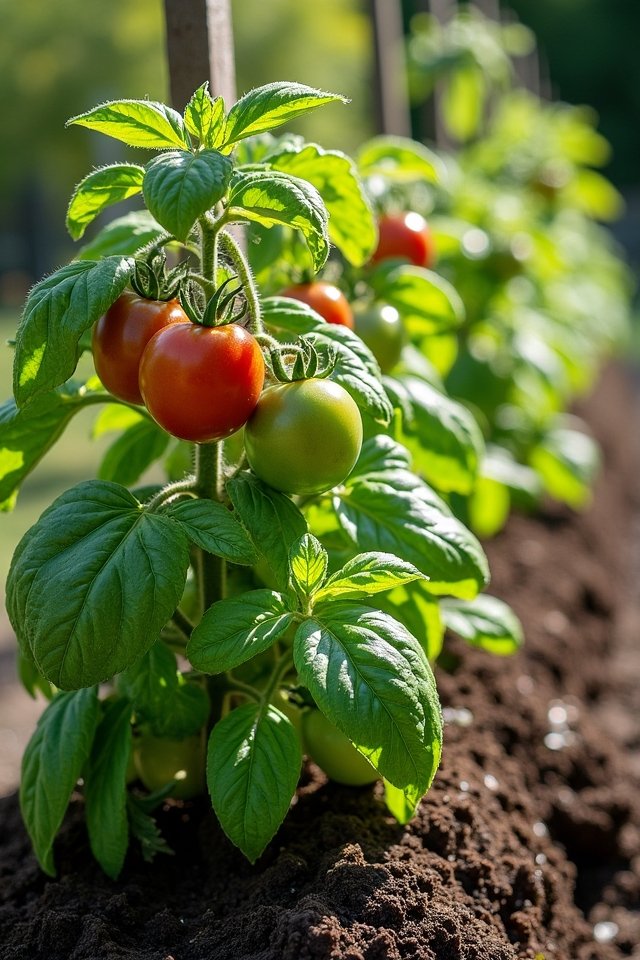
When you think of a garden bursting with flavor, what comes to mind? Picture vibrant tomatoes and aromatic basil dancing together in perfect harmony! These two are a match made in culinary heaven. Not only do they taste incredible together, but they also benefit each other. Basil varieties like Genovese and Thai can help ward off pesky tomato diseases, keeping your plants healthy and thriving. Imagine plucking sun-warmed tomatoes, their sweetness enhanced by the delightful basil aroma surrounding you. And let’s not forget—basil’s fragrance can even deter unwanted pests! So, why not spice up your raised bed with this dynamic duo? Your taste buds will thank you, and your garden will sing with health and energy!
Carrots and Onions
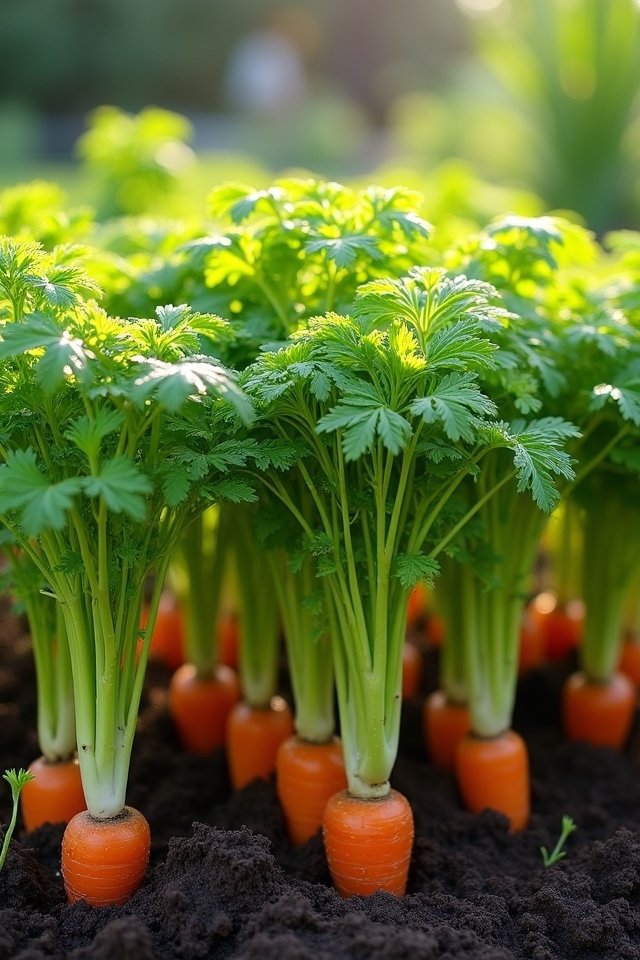
After enjoying the delightful pairing of tomatoes and basil, let’s turn our attention to another fantastic duo: carrots and onions! These two veggies not only taste great together but also offer amazing companion benefits. When you plant onions alongside carrots, you create a powerful pest deterrence. The strong scent of onions confuses pesky carrot flies, keeping your precious roots safe. Imagine harvesting sweet, crisp carrots that thrive in the company of their protective onion friends! And don’t worry about space—these plants grow well together, maximizing your raised bed’s potential. So, why not give this dynamic duo a try? Your taste buds and garden will thank you, and you’ll enjoy the satisfaction of innovative gardening! Happy planting!
Beans and Corn
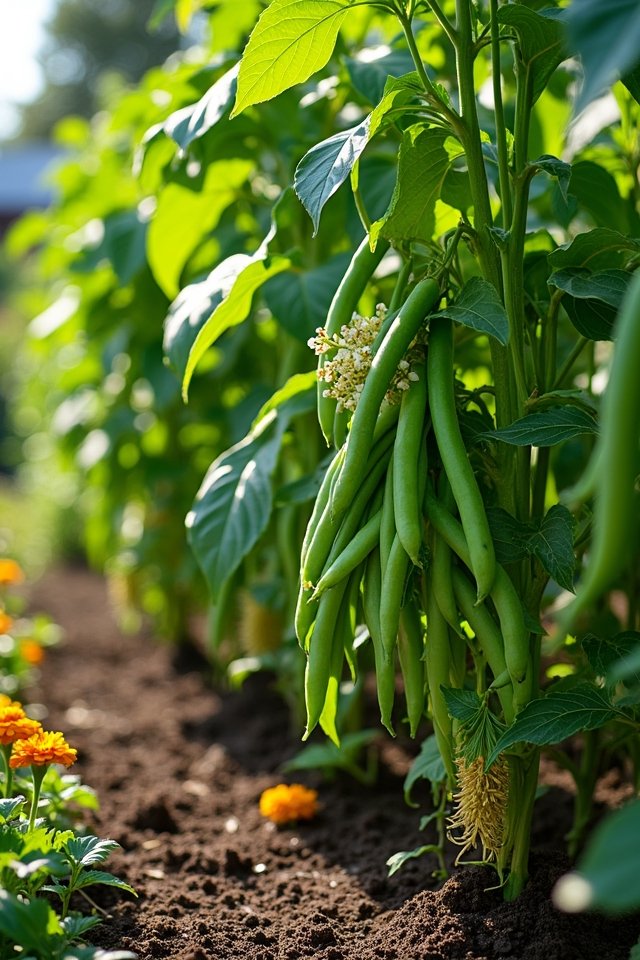
Get ready to witness a magical partnership in your garden: beans and corn! Imagine a vibrant scene where climbing bean types like pole beans twirl around sturdy corn varieties, creating a green tapestry that’s both beautiful and functional. This duo thrives together, as beans fix nitrogen in the soil, giving corn a nutrient boost! You’ll find that as corn grows tall, it provides a natural trellis for your beans, saving space and creating an awe-inspiring vertical garden. Plus, the contrast of leafy green beans against golden corn stalks is simply stunning! So, why not adopt this dynamic duo? Plant them side by side, and enjoy a bountiful harvest that’ll make your neighbors green with envy! What are you waiting for?
Cabbage and Dill
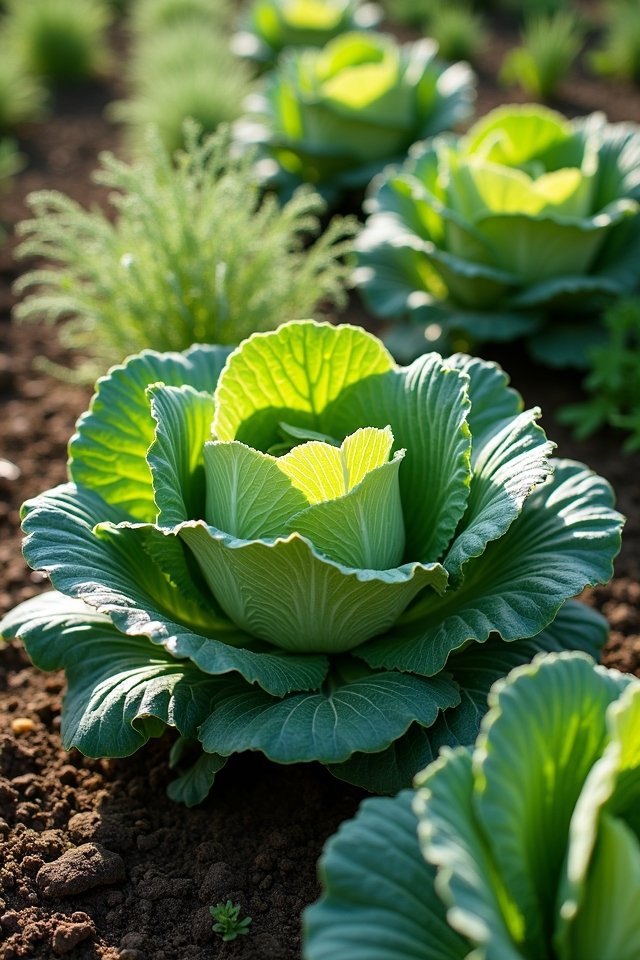
Cabbage and dill make a delightful duo in your garden that’s sure to tickle your taste buds! Imagine biting into a crisp cabbage leaf, enhanced by the aromatic hints of dill in your salad. Dill benefits your cabbage by attracting beneficial insects that feast on pesky cabbage pests like aphids and caterpillars. It’s like having a tiny army protecting your greens!
Plant them close, and you’ll not only boost your cabbage’s flavor but also enjoy a visually stunning patch of greenery. Plus, dill’s feathery fronds create a charming contrast against the broad cabbage leaves. Just think of it—your garden becomes a vibrant tableau of colors and textures! So, why not welcome this innovative pairing? Your palate and plants will thank you!
Peppers and Marigolds
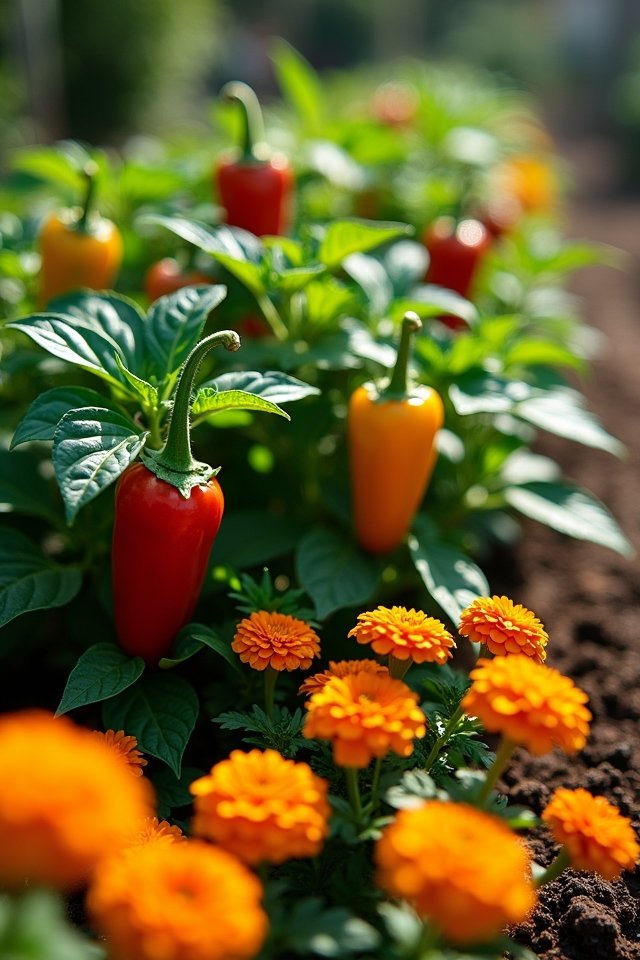
If you think cabbage and dill make a fabulous pair, wait until you meet peppers and marigolds! This dynamic duo isn’t just a pretty sight; it’s a powerhouse for your garden. Marigolds, with their vibrant petals, attract beneficial insects while repelling pesky pepper pests like aphids and spider mites. Imagine your peppers thriving without those annoying critters!
Plus, marigold benefits extend to enhancing soil health, too. Their roots release natural compounds that deter nematodes, protecting your precious pepper plants. It’s like having a bodyguard for your veggies! So, why not plant marigolds alongside your peppers? You’ll not only enjoy an eye-catching garden but also savor a bountiful harvest. Trust us, your taste buds will thank you!
Spinach and Strawberries
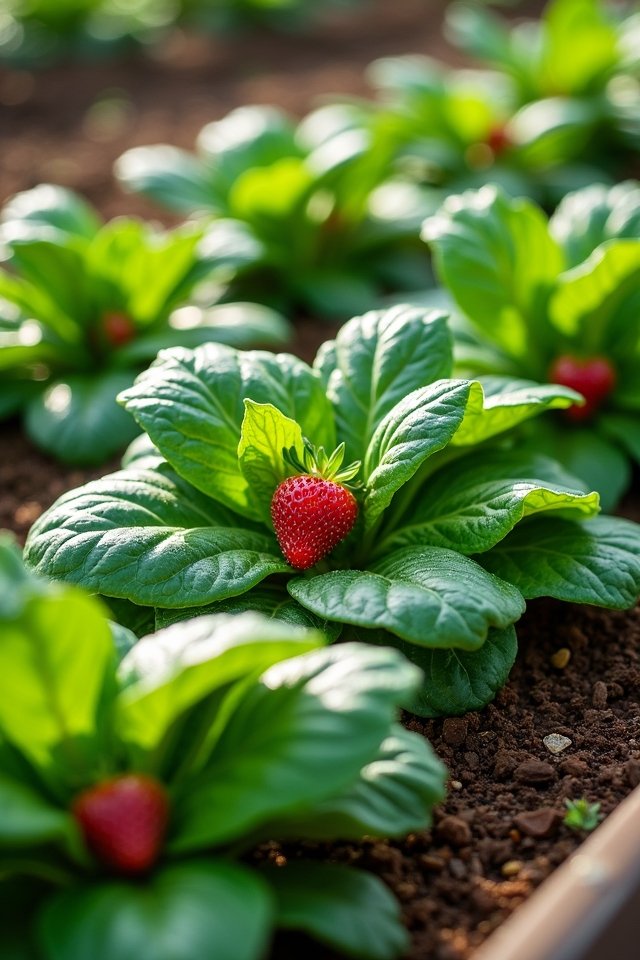
When you plunge into the world of companion planting, you’ll quickly discover that spinach and strawberries are a match made in garden heaven! Envision this: lush, vibrant spinach leaves cradling sweet, plump strawberries, creating a colorful tapestry in your raised bed. Spinach benefits from the shade provided by strawberry plants, keeping it cool and happy as it thrives. Meanwhile, strawberries love the nitrogen-rich boost that spinach offers to the soil!
But don’t forget your strawberry care! Keep them well-watered and mulched to prevent weeds while the spinach flourishes nearby. You’ll enjoy a delightful harvest of both—juicy strawberries and tender spinach—making your garden a true feast for the senses! What’s not to love about this dynamic duo?
Lettuce and Radishes
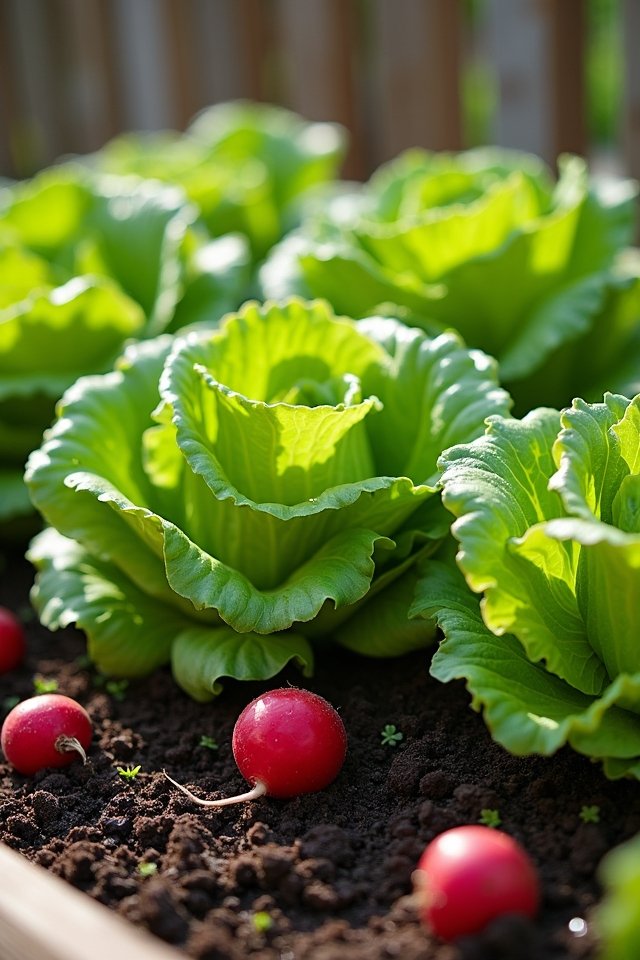
Lettuce and radishes make a fantastic pairing in your raised bed, like a revitalizing salad waiting to happen! These two crops thrive together, with radishes maturing quickly and making room for the slower-growing lettuce. For growing tips, plant radishes in the gaps between your lettuce to maximize space. As the radishes grow, they’ll also help deter pests, acting like tiny bodyguards for your lettuce!
Keep an eye on moisture levels, but don’t worry—this combo thrives in similar conditions. Plus, the crunchy radishes can be harvested early, giving you a fresh taste while the lettuce develops its leafy goodness. So, why not experiment with this delightful duo? You’ll be savoring your homegrown salad in no time!
Cucumbers and Nasturtiums
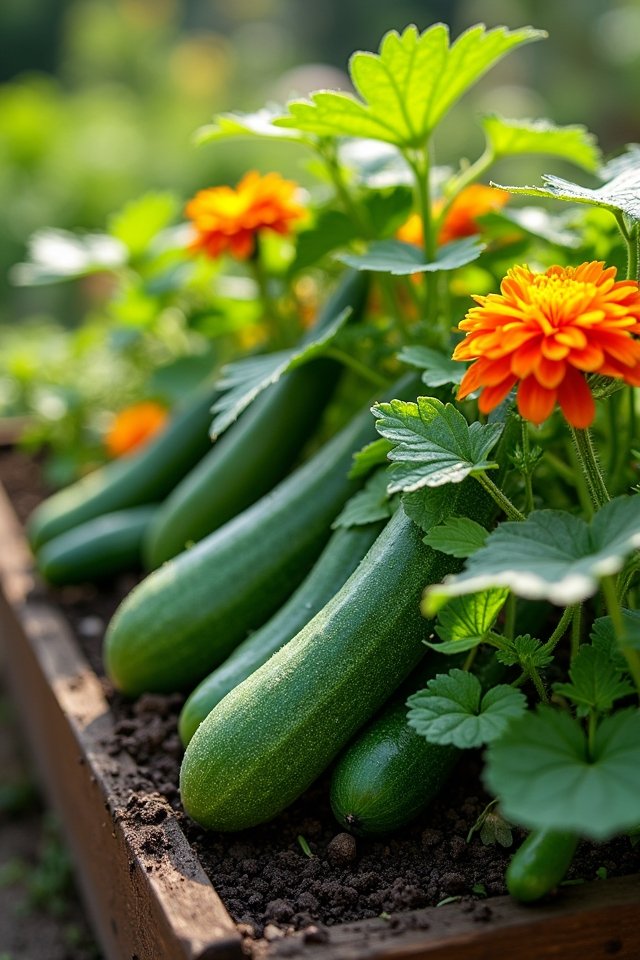
Cucumbers and nasturtiums make a charming duo in your raised bed, creating a vibrant oasis that’s both tasty and visually stunning! These garden pals not only look great together, but nasturtiums also offer fantastic benefits. Their peppery leaves and flowers attract beneficial insects while deterring pesky cucumber pests like aphids and beetles. Imagine a garden where your cucumbers thrive, free from those unwelcome munchers!
Plus, nasturtiums are edible! You can toss their colorful blooms into salads for a delightful crunch. Want to impress your friends? Serve cucumber slices topped with nasturtium petals! With this innovative combination, you’re not just planting; you’re creating a feast for the eyes and palate. So get ready to cultivate the perfect pairing in your garden!
Squash and Borage
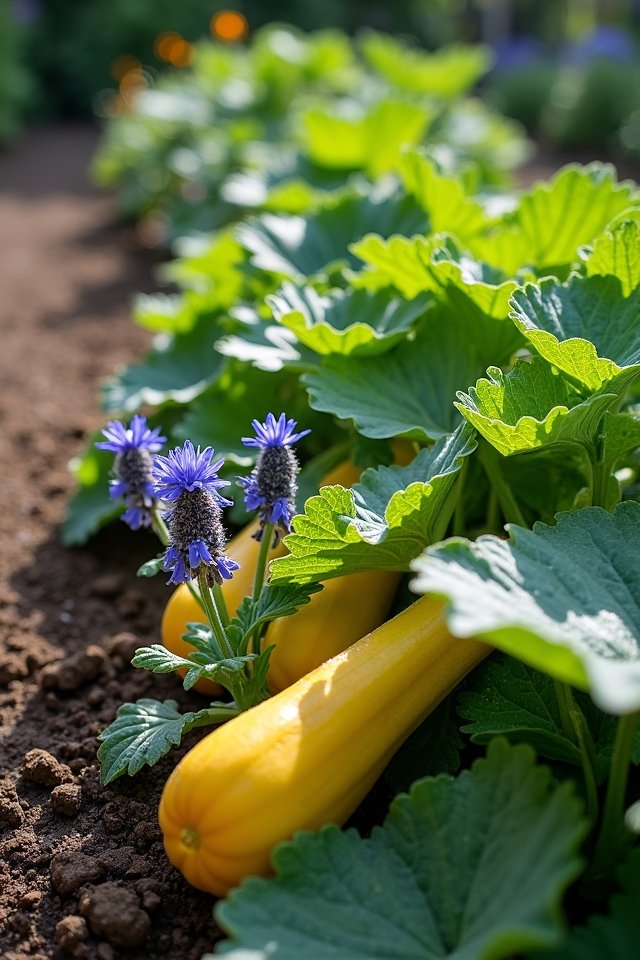
Imagine strolling through your raised bed and spotting the delightful combination of squash and borage—it’s like a garden party where everyone’s invited! Squash thrives when accompanied by borage, that vibrant, blue-flowered herb. Why? Borage benefits your squash by attracting beneficial pollinators and deterring squash pests like the pesky cucumber beetle. Think of it as your squash’s bodyguard, keeping those nuisances at bay! Plus, borage’s leaves enrich the soil, providing essential nutrients. You’ll love how these two plants together create a lush, inviting scene. Just picture the colors, the buzz of bees, and the promise of a bountiful harvest! So, why not invite borage to your squash’s party? Your garden will thank you with a flourish of flavor!
Garlic and Roses
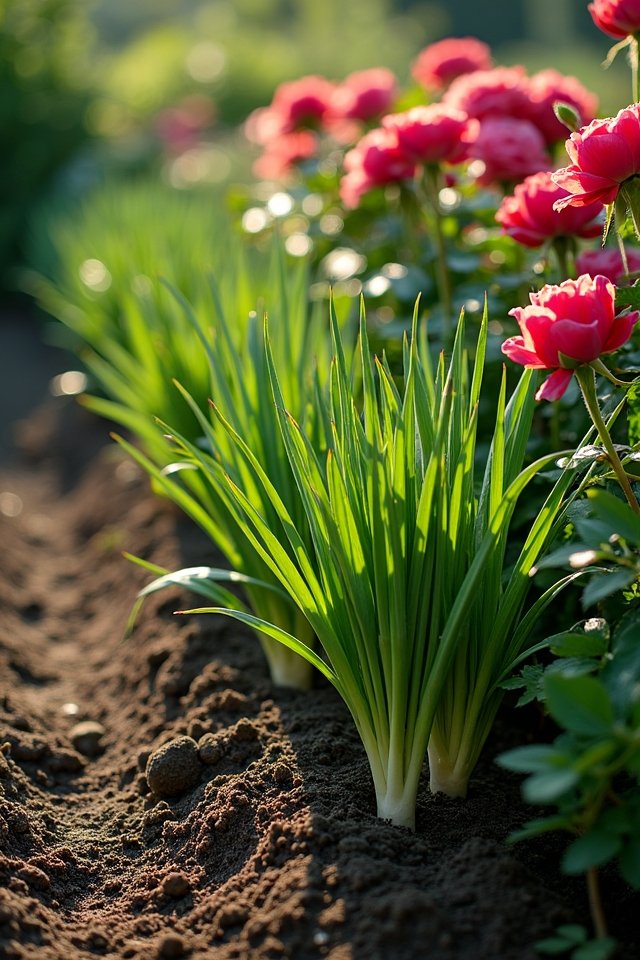
While borage is busy charming your squash, let’s not forget about another fabulous pairing that’s sure to tickle your gardening fancy: garlic and roses! Planting garlic near your lovely blooms isn’t just a trendy move; it brings amazing garlic benefits! This powerhouse bulb repels pesky pests like aphids and spider mites, giving your roses the protection they deserve. Imagine the sweet scent of roses wafting through your garden, while garlic battles those unwanted critters like a knight in shining armor! Plus, the combination creates a stunning visual feast with vibrant colors and textures. So, why not embrace this innovative duo? It’s a match made in gardening heaven! Your roses will thrive, and you’ll feel like a botanical genius!
Frequently Asked Questions
What Is the Best Time to Plant Companion Crops Together?
Imagine the sun warming your garden as you plan your companion crops! For spring planting, aim for late March to early May, when the soil’s cozy and inviting. In summer planting, from June to July, let those vibrant veggies mingle for maximum growth! Think tomatoes and basil or carrots and onions; they thrive together like a perfect duet. So, grab your seeds and get ready for a garden party that’ll leave you smiling!
How Much Space Do Companion Plants Need in Raised Beds?
When you’re planning companion plants in your raised bed, think about plant spacing! Each plant has its own growth requirements, just like folks at a party need personal space. For example, lettuce loves to snuggle, needing just 6 inches apart, while tomatoes need a bit more room, around 18 inches. Give them the space they crave, and watch your garden thrive! Who knew plant friendships could blossom so beautifully? Happy planting!
Are There Any Companion Plants That Should Not Be Mixed?
Did you know that certain plants can actually poison each other? Yep, some toxic combinations are a gardener’s nightmare! For instance, you wouldn’t want to mix potatoes with tomatoes; they’re like frenemies who can’t share a room! Incompatible species like these can stunt growth and lead to pest problems. So, keep your garden harmonious, and remember: not every plant is a good buddy. Choose wisely, and let your garden thrive!
Can Companion Planting Help Reduce Pests Naturally?
Companion planting can be a gardener’s secret weapon for natural pest control. When you pair plants like marigolds with tomatoes, you’re not just adding color; you’re attracting beneficial insects that love to munch on pests! Imagine those ladybugs swooping in like tiny superheroes, saving your crops! Plus, some plants, like basil, release scents that confuse pesky bugs. So, why not give it a try? Your garden will thank you! Happy planting!
How Do I Know if My Companion Plants Are Thriving Together?
To know if your companion plants are thriving together, look for plant health indicators like vibrant leaves and sturdy stems! If your basil’s leaves are lush and your tomatoes are towering, you’re on the right track! Check your soil quality effects, too; rich, crumbly dirt is a happy sign. If you spot pests taking a hike instead of partying, you’ve hit the jackpot! It’s like a garden dance-off, and your plants are winning!