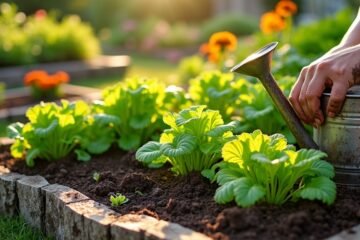
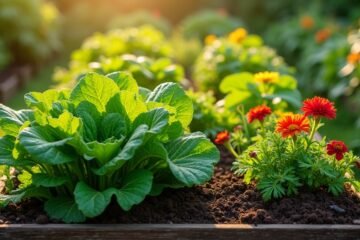
Want to create an enchanting organic garden? Start by understanding companion planting! Pair tomatoes with basil for a flavor boost while keeping pests away—it’s like a culinary dream team! Don’t let onions ruin the fun; they clash with beans. Mix different plants to attract pollinators and enhance biodiversity, just like a vibrant community! And remember, space savers like vertical gardening can charm small areas! Stick around, and you’ll uncover even more delightful tips!
Understand the Basics of Companion Planting
When you plunge into the world of gardening, you’ll quickly realize that not all plants get along—just like some people! Understanding plant relationships is key to achieving garden synergy. Some plants are like best friends, helping each other thrive. For instance, when you pair tomatoes with basil, they boost each other’s flavors while keeping pesky pests at bay. Isn’t that a win-win? On the flip side, certain plants clash like oil and water! For example, never mix onions with beans; they just don’t vibe. So, think of your garden as a vibrant community where cooperation leads to abundant harvests. By embracing these plant partnerships, you’ll transform your garden into a flourishing haven that sings with life and color!
Choose the Right Plant Pairings
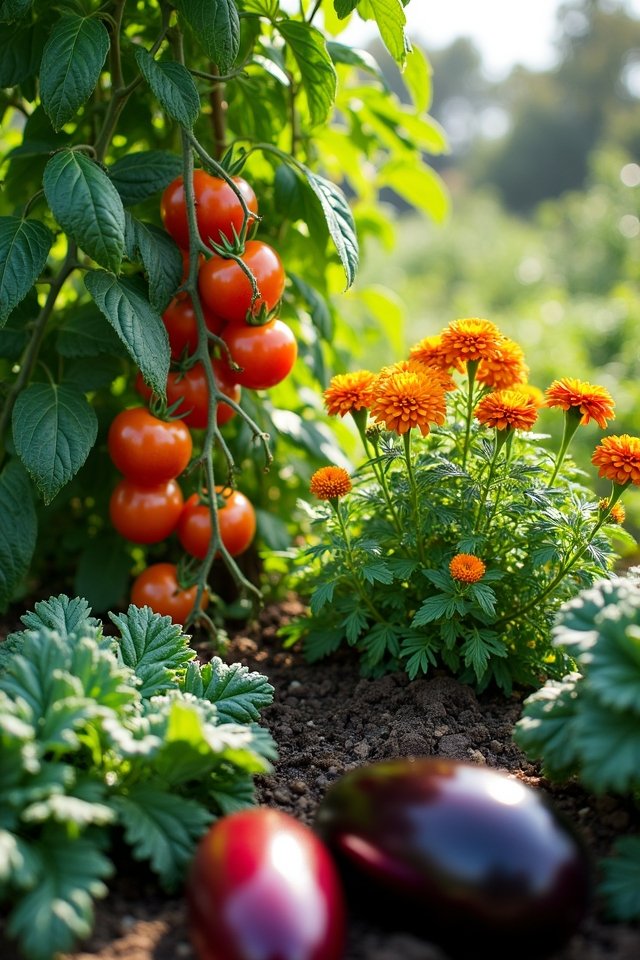
Choosing the right plant pairings can feel like setting up a dinner party where you want everyone to get along! Just like guests, plants have their own personalities. For instance, consider pairing tomatoes with basil—this duo not only thrives together but enhances each other’s flavors! You’ll want to explore plant compatibility to avoid awkward relationships. Think about seasonal pairings, too; planting radishes with peas can maximize your garden’s potential in spring! Imagine a vibrant, bustling garden where every plant plays a role, like a well-coordinated dance. So, mix it up! Welcome creativity, and don’t shy away from experimenting. After all, your garden is your masterpiece, and every pairing can lead to delightful surprises! Happy planting!
Utilize Natural Pest Control
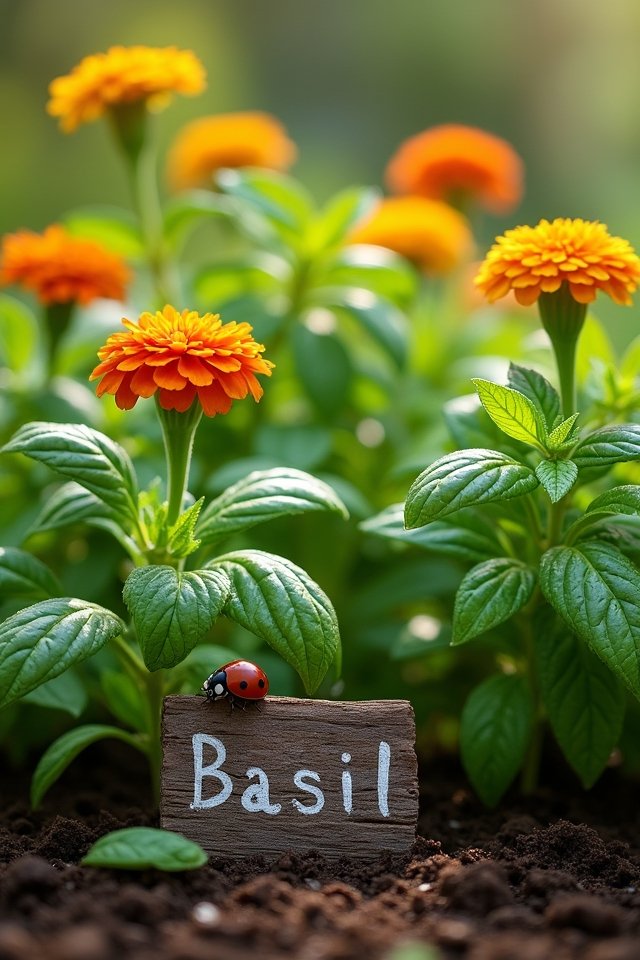
While pests can feel like uninvited guests at your garden party, there are plenty of natural ways to send them packing! First, think about using natural repellents like garlic spray or neem oil. They’re like a secret potion that keeps intruders away! Next, invite beneficial insects to your garden—ladybugs and lacewings are your new best friends. They’ll feast on aphids and other pests, leaving your plants safe and sound! You can attract these helpful critters by planting flowers like dill and marigold. So, rather than reaching for harsh chemicals, let nature do the heavy lifting! Who knew that fostering a thriving ecosystem could be such an exciting adventure? Your plants will thrive, and you’ll feel like a gardening wizard!
Enhance Soil Health With Companion Plants
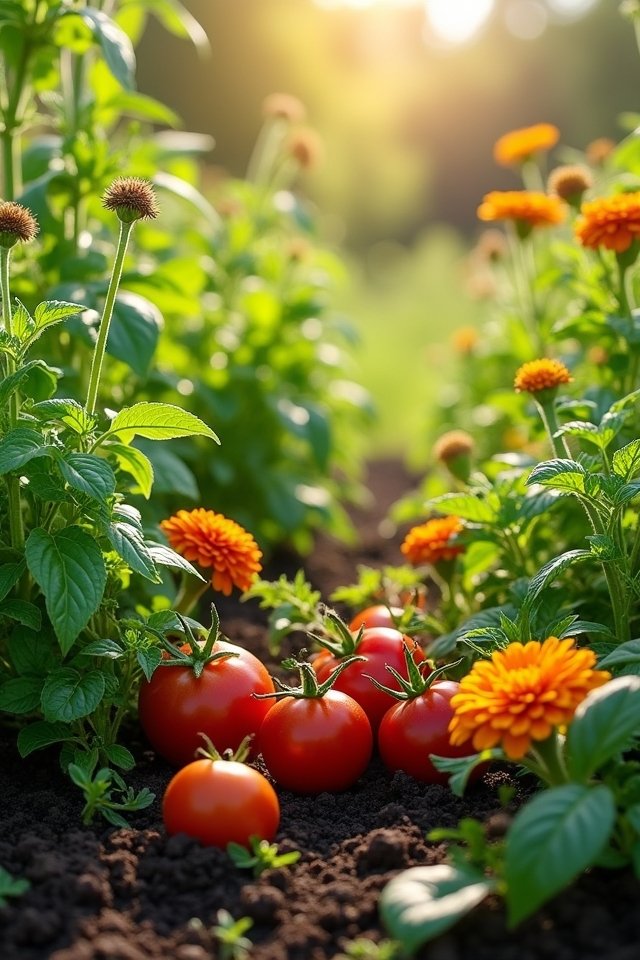
To truly release the magic of your garden, you’ve got to think about enhancing soil health with companion plants! It’s like giving your soil a delicious buffet of nutrients! For instance, planting legumes like peas or beans can fix nitrogen levels, acting as natural soil amendments. This promotes nutrient cycling, making your garden a vibrant ecosystem. Imagine vibrant tomatoes thriving beside aromatic basil, all while enjoying the benefits of a nutrient-rich bed. Plus, deep-rooted plants like carrots break up compact soil, allowing air and moisture to flow freely—talk about a win-win! So, why not invite these dynamic duos into your garden? You’ll notice healthier plants, better yields, and maybe even a garden gnome dancing with joy!
Create Biodiversity in Your Garden
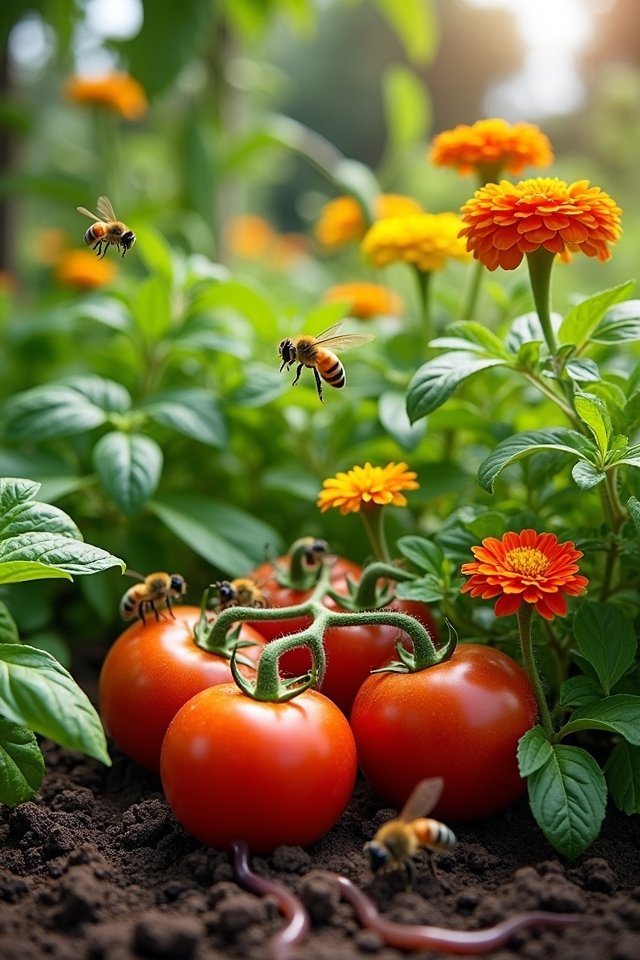
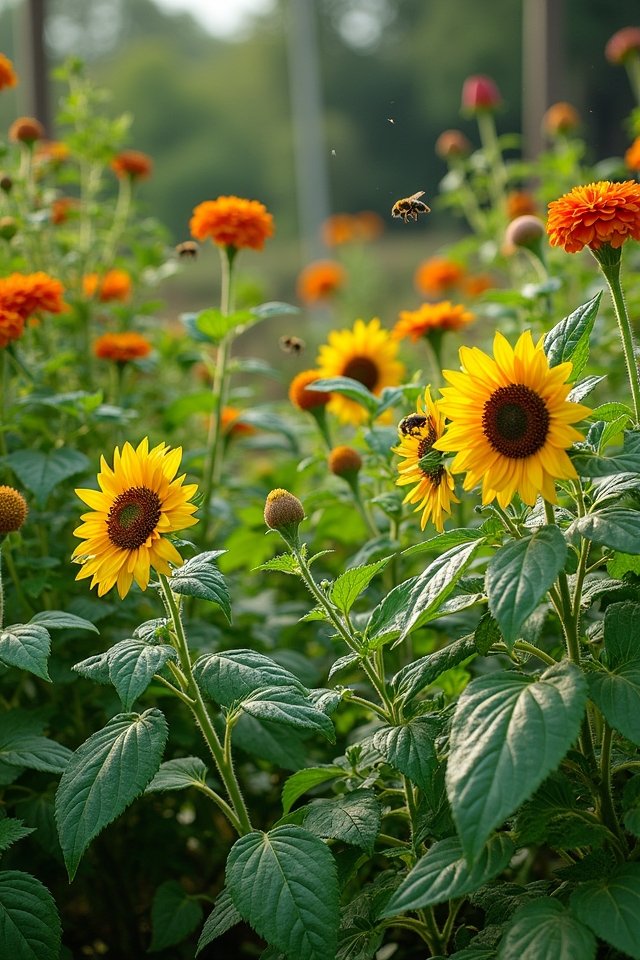
Creating biodiversity in your garden isn’t just a nice idea; it’s like throwing a vibrant party where every plant is invited! Imagine a flourishing mix of native species, each playing a unique role in your garden ecosystem. You’ll enjoy biodiversity benefits like healthier soil, natural pest control, and improved resilience against diseases. Think of it as a community where tall sunflowers provide shelter for shy herbs while colorful marigolds keep pesky bugs at bay. Plus, when you plant a variety of species, you attract diverse pollinators, making your garden a buzzing hub of activity! So, let your creativity flow—experiment with combinations, and watch your garden transform into a lively haven that’s as beautiful as it is functional!
Improve Pollination With Strategic Planting
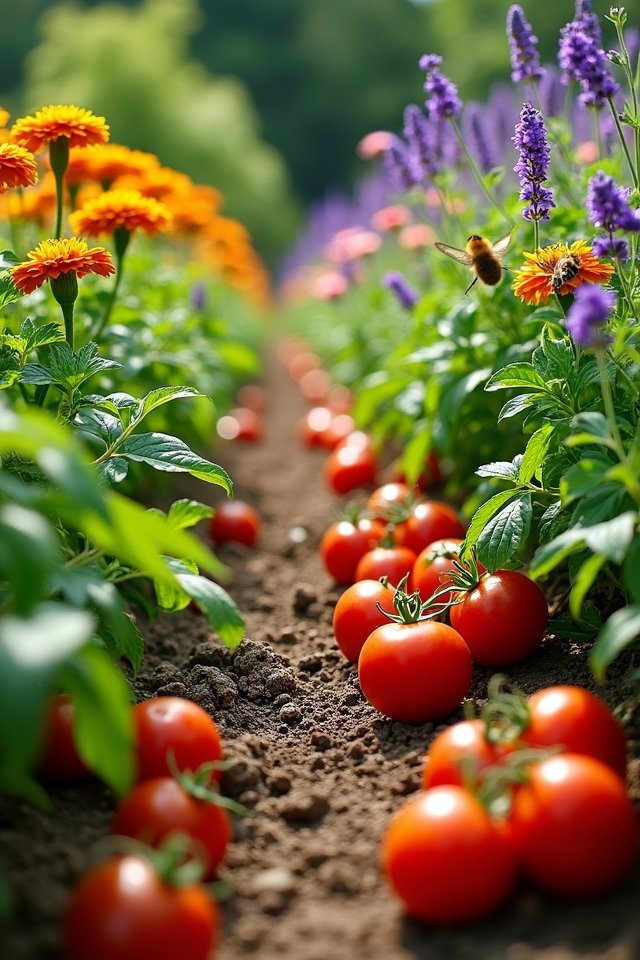
How can you turn your garden into a buzzing paradise for pollinators? Start by planting pollinator attractors like lavender, sunflowers, and bee balm. These flowering varieties not only look stunning, but they also invite a symphony of bees and butterflies! Imagine your garden filled with vibrant colors and sweet fragrances, as nature’s little workers dance from bloom to bloom.
To keep the buzz alive, group these plants together—think of them as a vibrant party for pollinators! Avoid using hybrids that lack nectar, and instead choose heirloom varieties that provide nourishment. By creating this eco-friendly buffet, you’ll guarantee those little helpers thrive, improving your garden’s productivity and bringing a smile to your face. Ready to create your buzzing paradise? Let’s get planting!
Use Companion Plants to Maximize Space
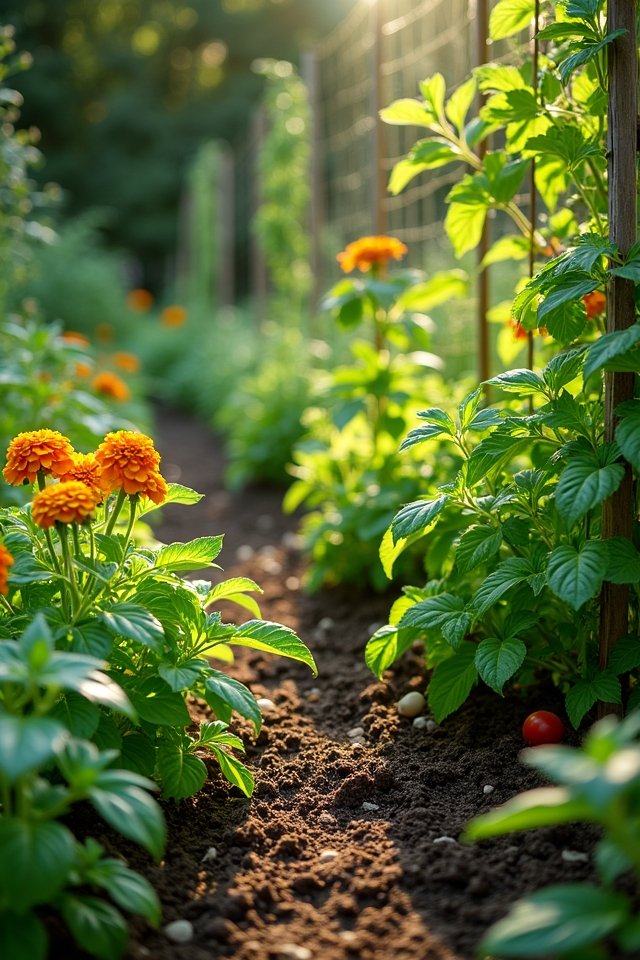
While you might think you need a sprawling garden to grow a variety of plants, utilizing companion planting can turn even the smallest spaces into lush, productive oases! Envision a vibrant wall of greenery, where vertical gardening transforms your little nook into a vertical paradise! With intercropping techniques, you can pair quick-growing radishes with slower-growing carrots, maximizing every inch of soil. Picture this scenario: your cherry tomatoes climbing up a trellis, while fragrant basil flourishes below, creating a delicious duo! You’ll not only save space but also enhance flavors and deter pests. So, why limit yourself? Get creative and mix those plants to create a delightful, thriving garden that’s bursting with life and potential! Your green thumbs will thank you!
Implement Succession Planting Techniques
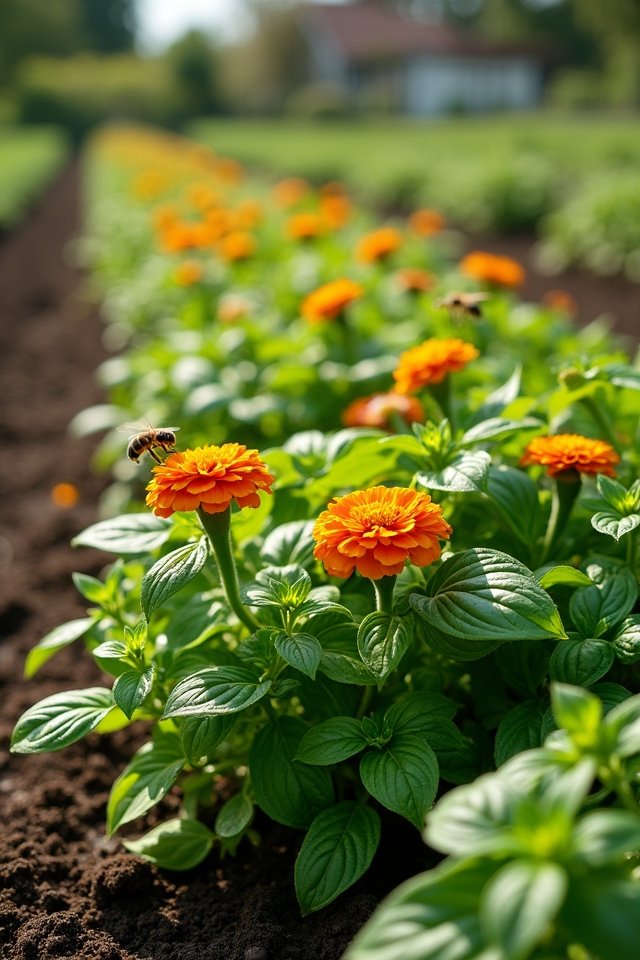
Imagine enjoying a steady supply of fresh veggies all season long—sounds dreamy, right? By implementing succession planting techniques, you can make that dream a reality! Start by mastering seed timing; plant quick-growing crops like radishes and lettuce alongside slower ones, ensuring your garden’s always bursting with life. When one crop’s done, don’t just leave that space bare! Rotate in another crop, like beans or squash, to keep the soil healthy and productive. Think of it like a relay race—each plant takes its turn, maximizing your harvest. Plus, this method keeps pests guessing, making your garden a vibrant ecosystem! So, roll up those sleeves, and let’s transform your space into a nonstop veggie extravaganza!
Monitor Plant Health and Growth
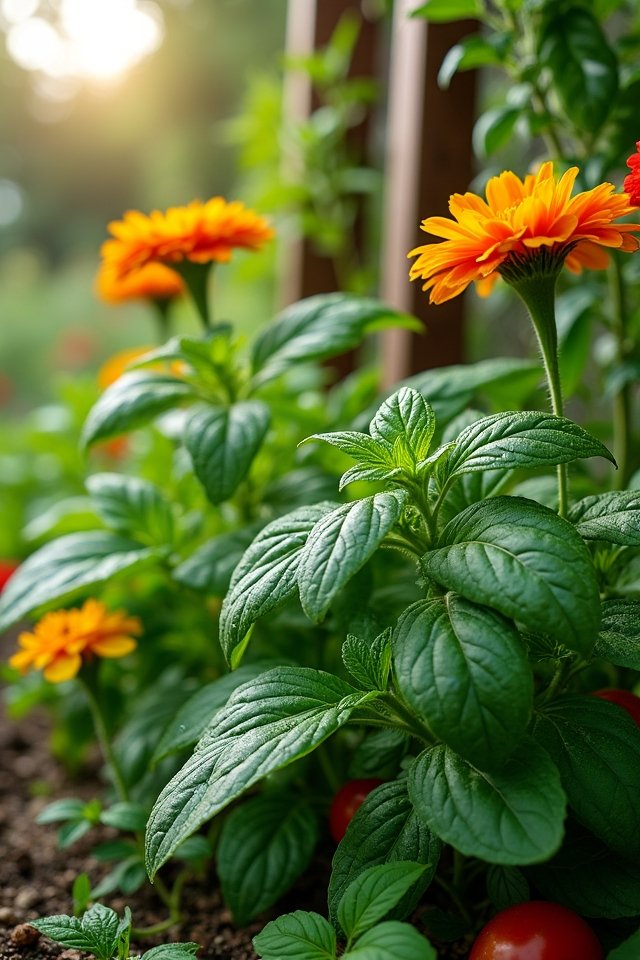
Keeping an eye on your plants is like being a detective in your garden! You need to sharpen your skills in plant observation. Are your leaves vibrant and green, or do they look a bit sad? Use growth tracking to plot their journey from sprout to superstar! Take notes on their progress, like a garden journal, to spot trends. Maybe those marigolds are thriving next to your tomatoes—what a dynamic duo! Or perhaps your basil is feeling overshadowed by its taller partners. Regular check-ins help you catch any pests or nutrient deficiencies before they become major headaches. So, grab your magnifying glass (or just your trusty notebook) and explore the marvelous world of plant health! You’ll be amazed at what you discover!
Experiment and Learn From Your Garden
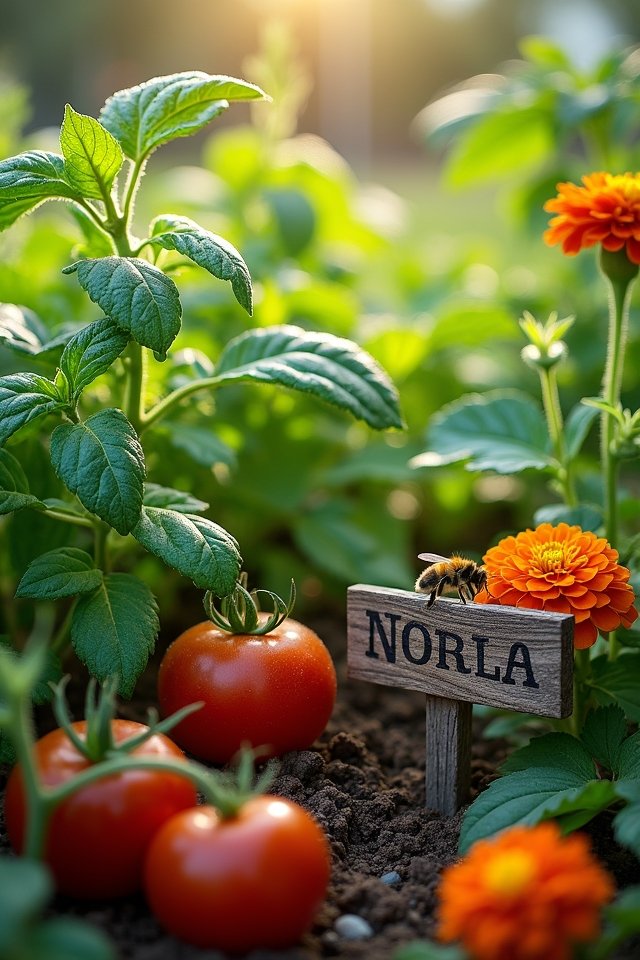
When you plunge into the world of gardening, it’s like stepping into a grand experiment filled with vibrant colors and delightful scents! Welcome the excitement of garden experiments by mixing different plants and observing their interactions. For instance, try pairing marigolds with tomatoes; those cheerful little flowers can deter pesky pests while bringing beauty to your patch!
Don’t shy away from failures; each mishap teaches you something new. Did your beans climb too high and overshadow your peppers? Learn from that! Keep notes on what works and what doesn’t, and soon, your garden will become a treasure trove of knowledge. So, roll up your sleeves, dig in, and let those plant interactions spark your creativity! Happy experimenting!
Frequently Asked Questions
Can Companion Planting Improve the Flavor of My Vegetables?
Did you know that a study showed tomatoes grown with basil can be up to 20% tastier? That’s flavor enhancement through plant synergy! When you pair your veggies, like carrots with onions, you’re not just being creative; you’re creating a culinary masterpiece. Imagine biting into a juicy tomato bursting with flavor! Who wouldn’t want that? So go ahead, mix and match those plants—it’s like a flavor party in your garden!
What Are Some Common Mistakes in Companion Planting?
When you immerse yourself in companion planting, don’t overlook common mistakes! Pairing incompatible plants, like tomatoes and corn, can lead to disaster. Plus, overplanting issues can turn your garden into a jungle! Imagine your veggies fighting for sunlight like competitors in a tug-of-war. Instead, choose harmonious pairs, like basil and tomatoes, to enhance flavors and growth. Keep it simple, and remember: your garden should be a happy place, not a battleground!
How Do I Know if Plants Are Compatible?
Figuring out if plants are compatible is like matchmaking for your garden! Start by observing plant characteristics—some thrive in the shade, while others bask in sunlight. Consider their growth habits too; fast growers can overshadow slower ones. For example, pairing tall sunflowers with low-growing herbs creates a delightful garden harmony! Don’t forget, plants often communicate through their roots and leaves, so pay attention to their vibes! Your green space will thank you!
Are There Any Plants That Should Never Be Paired Together?
You might be surprised, but some plants just can’t play nice together! For instance, tomatoes and corn are like two bickering siblings—they compete for roots and nutrients, leaving both unhappy. And watch out for toxic companions like rhubarb, which can zap the energy from nearby crops. It’s like inviting a party crasher! So, keep those incompatible plants apart, and your garden will thrive like a well-tuned orchestra, harmonizing beautifully!
How Does Weather Affect Companion Planting Success?
Weather’s like that unpredictable friend—sometimes it’s a blast, other times, not so much! Seasonal variations and temperature fluctuations can totally sway your companion planting success. For instance, if it’s too hot, your delicate herbs might wilt faster than ice cream on a summer day. Conversely, a chilly snap could stunt growth. So, keep an eye on the forecast! Adapting your planting schedule to weather’s whims can lead to a flourishing garden. Happy planting!