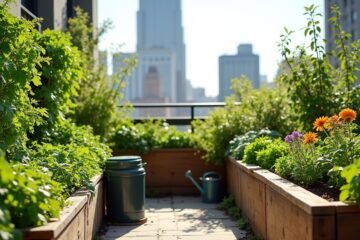
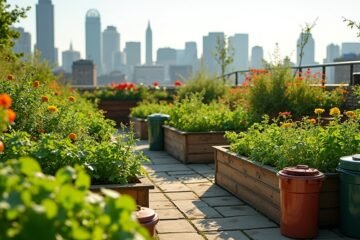
Planning your small vegetable garden is easier than pie! First, determine your space and sunlight. Does your 10×10 plot soak up six hours of sun? Next, choose vegetables that match your climate—cool-season favorites like broccoli or warm-season stars like tomatoes. Finally, sketch your vibrant layout with walking paths! Think companion planting, like pairing tomatoes with basil, to boost flavor. Excited? Stick around, and you’ll discover even more tips to cultivate your green thumb!
Determine Your Space and Sunlight Availability
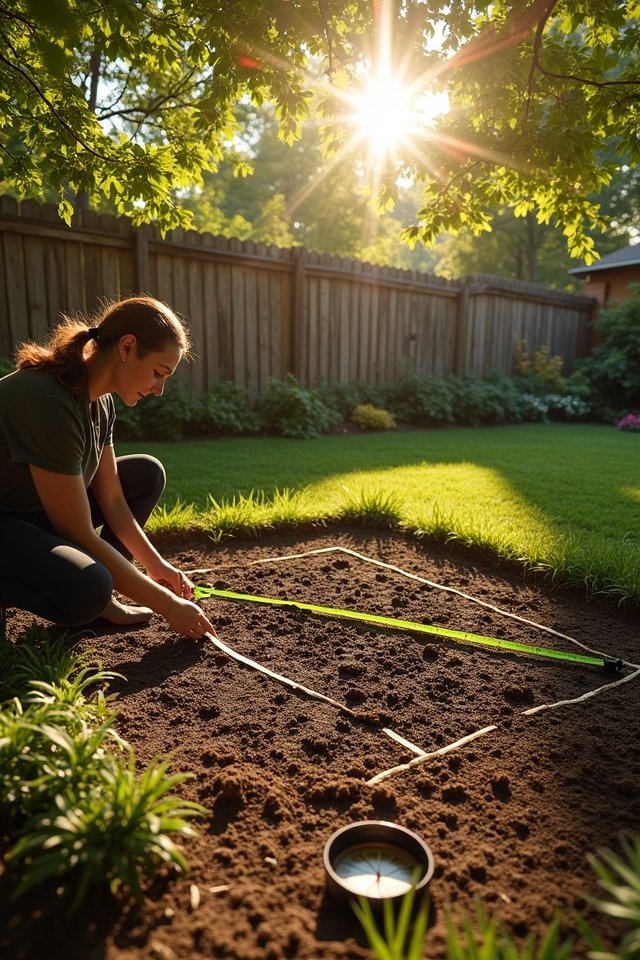
When you’re ready to dig into your small vegetable garden, the first step is figuring out your space and sunlight availability! Consider your garden dimensions—how much room do you have to play with? A cozy 10×10 plot can still yield a bountiful harvest! Next, track those sunlight hours; most veggies crave at least six hours of direct sunlight daily. Scout your yard like a detective, looking for sunny spots that could transform into a lush green paradise. Don’t forget to account for shadows—your neighbor’s towering oak might be a sneaky culprit! With a little planning, you can create a vibrant, productive garden that’s bursting with flavor and color. So, roll up your sleeves and let’s get growing!
Choose the Right Vegetables for Your Climate
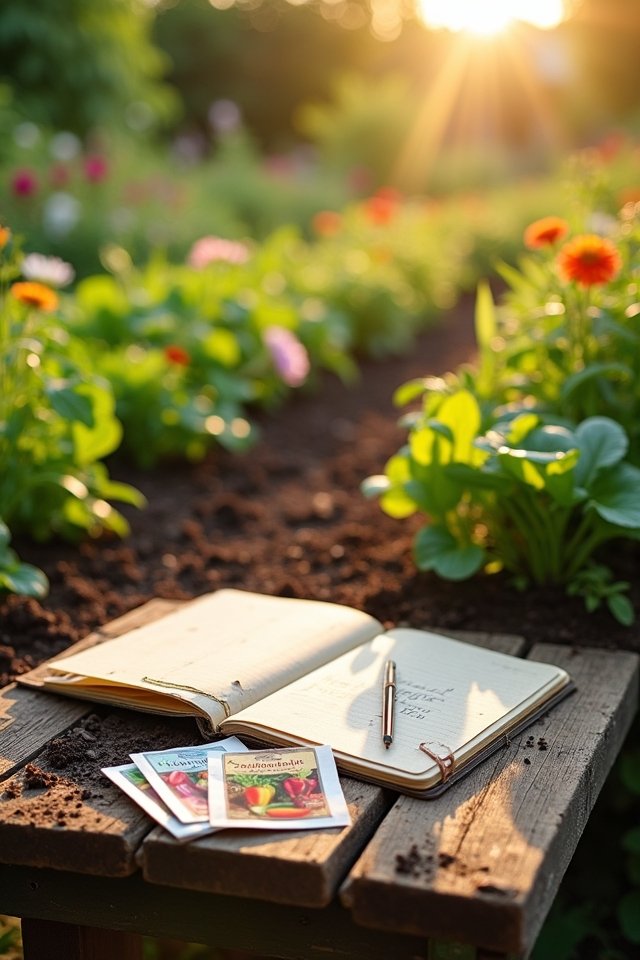
Choosing the right vegetables for your climate is like picking the perfect outfit for a big event—you want to feel comfortable and look fabulous! Different climate zones nurture unique vegetable varieties, so let’s make sure you pick the right ones!
- Cool-Season Veggies: Think broccoli, spinach, and carrots that thrive in chillier temps.
- Warm-Season Wonders: Go for tomatoes, peppers, and squash when the sun’s shining bright and hot!
- Heat-Resistant Options: Try okra or eggplant if your summers are scorching.
- Short-Season Choices: In regions with shorter growing seasons, consider radishes or bush beans that mature quickly.
Plan Your Layout and Planting Schedule
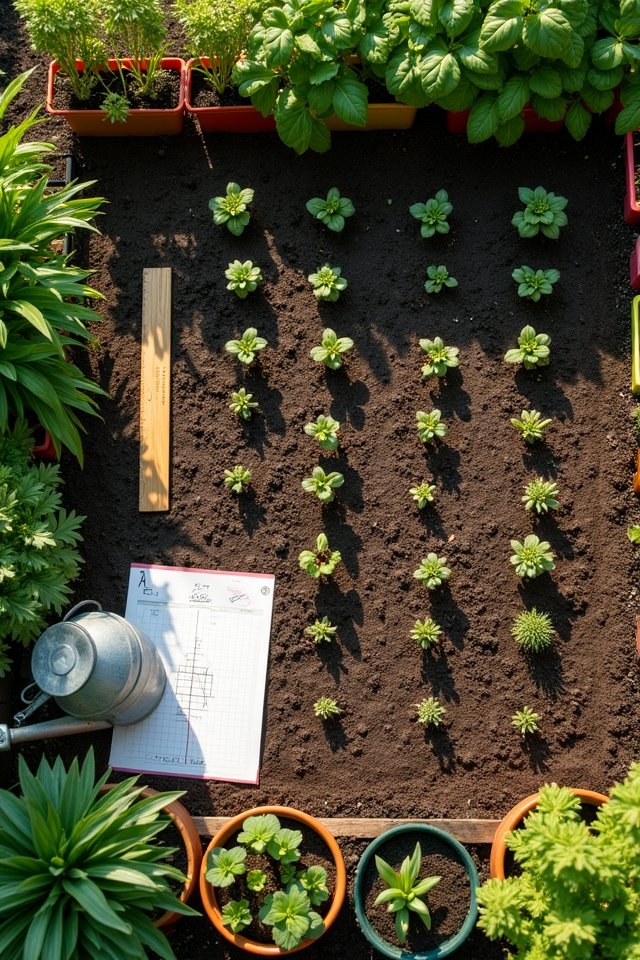
Planning the layout and planting schedule for your vegetable garden is like assembling a jigsaw puzzle—you’ve got to fit all the pieces together just right! Start by sketching your garden design on paper; visualize where each veggie will thrive. Think about companion planting techniques—like putting tomatoes next to basil for a flavor boost!
Next, map out your planting schedule. Did you know that some veggies love the cool spring while others bask in the summer sun? By staggering your planting, you can enjoy a harvest almost year-round!
Don’t forget to leave space for walking paths; you’ll want easy access to your leafy masterpieces. So grab your pencil, release your creativity, and let’s make this garden a vibrant reality!
Frequently Asked Questions
How Do I Prevent Pests in My Vegetable Garden?
To keep those pesky pests at bay, you’ll want to adopt companion planting! Think of tomatoes and basil as best buddies, warding off unwanted intruders together. You can also whip up natural repellents with garlic or pepper sprays—your garden’s secret weapons! Just imagine your veggies thriving, free from munching critters! Isn’t that a beautiful sight? So, get creative, and let those plants work their magic while you enjoy your bountiful harvest!
What Soil Type Is Best for Vegetable Gardening?
Think of soil as the cozy blanket your veggies snuggle into! For the best vegetable gardening, aim for loamy soil, which has a perfect mix of sand, silt, and clay. This glorious blend guarantees excellent soil drainage, keeping roots happy and healthy. You’ll want to check your soil composition too—add compost to boost nutrients and moisture retention. Remember, happy soil equals happy plants! So, get digging and let your garden thrive!
How Often Should I Water My Vegetable Plants?
You’ve gotta keep an eye on your vegetable plants’ watering frequency! It’s like giving them a revitalizing drink—too little and they’ll droop, too much and they’ll drown. Aim for about 1 inch of water weekly, adjusting based on weather. Stick your finger in the soil; if it’s dry two inches down, your plants need moisture! Think of it as a dance—finding that perfect rhythm keeps your veggies happy and thriving! 🌱
Can I Use Organic Fertilizers in My Garden?
Absolutely, you can use organic fertilizers in your garden! They’re like a delicious buffet for your plants, packed with nutrients. Think about natural compost options, like kitchen scraps or grass clippings; they’re eco-friendly and enrich your soil. The benefits of organic fertilizers include healthier plants and tastier veggies! Plus, who doesn’t love the idea of gardening without chemicals? So, dig in and watch your garden thrive—your plants will thank you!
What Tools Do I Need for My Vegetable Garden?
When you’re gearing up for your vegetable garden, you’ll need some essential garden tools! Think of a sturdy trowel as your trusty sidekick, ready to dig into the soil. A hand rake? It’s like a magic wand, leveling the ground for perfect planting techniques! Don’t forget gloves to keep your hands clean and a watering can to shower your plants with love. Ready to get your hands dirty? Let’s grow some delicious veggies!