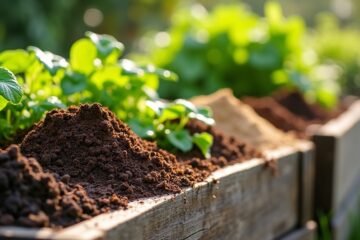
Ready to dig into gardening magic? Start by finding a sunny spot, ideally with good drainage—your plants will thank you! Choose rot-resistant wood or chic metal for your raised bed frame. Keep it about knee-high for easy access and load it with a nutrient-rich soil mix. Don’t forget to pick plants suited to your taste! With simple watering tricks and seasonal care, your garden will flourish, and there’s so much more to explore ahead!
Choosing the Right Location
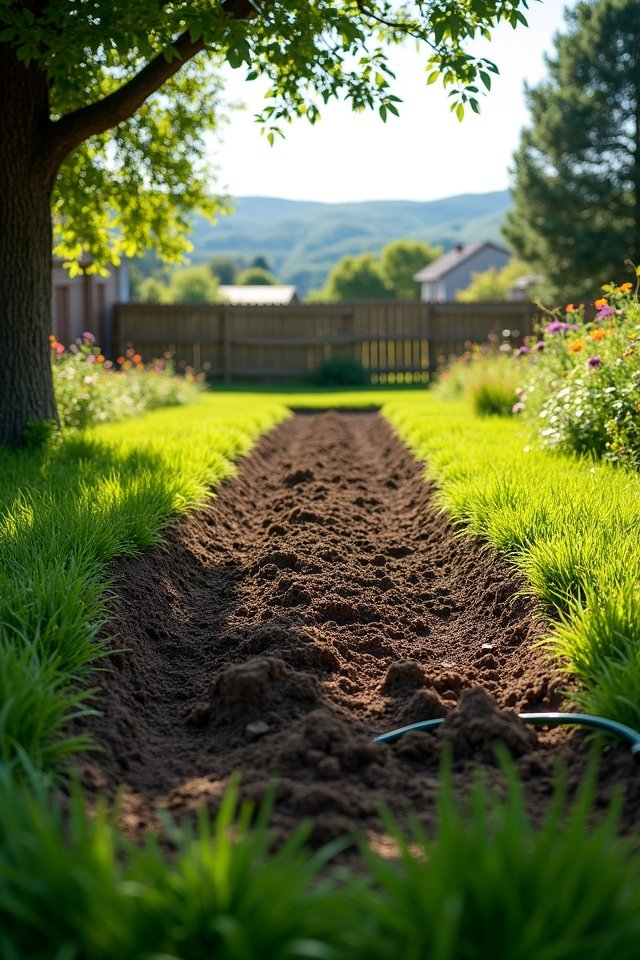
When you’re choosing the right location for your raised bed garden, it’s like picking the perfect spot for a picnic—sunshine, fresh air, and a little shade can make all the difference! Start by scouting for areas that bask in at least six hours of sunlight daily; your plants will thrive, soaking up those rays like sunbathers on a beach! Next, consider drainage—nobody wants a muddy mess. Look for high ground or sloped areas to keep water flowing away. If you’ve got a spot that’s just too soggy, it’s time to rethink your game plan! Remember, the right location not only nurtures your plants but also fuels your gardening passion. Ready to dig in? Let’s find that dream spot!
Selecting Materials for Your Raised Bed
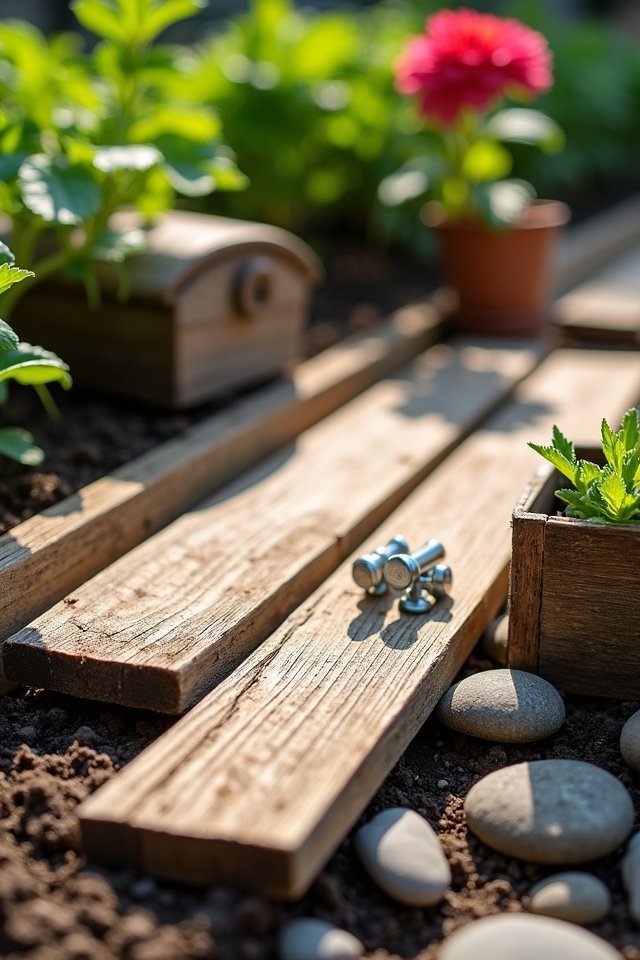
Building your raised bed is like assembling the ultimate garden fortress! Choosing the right materials can make your garden both functional and fabulous. You’ve got some exciting options to reflect upon:
- Wood options: Cedar or redwood not only look great but resist rot. Plus, they give off a lovely earthy scent!
- Metal alternatives: Galvanized steel or corten steel offer a sleek, modern vibe. They’re durable and can really make your garden pop!
- Composite materials: Made from recycled plastics, they’re eco-friendly, lightweight, and won’t splinter. Talk about guilt-free gardening!
Now that you know your materials, let your creativity flow! Your fortress is waiting to bloom, so get ready to dig in and watch your garden thrive!
Determining the Ideal Size and Shape
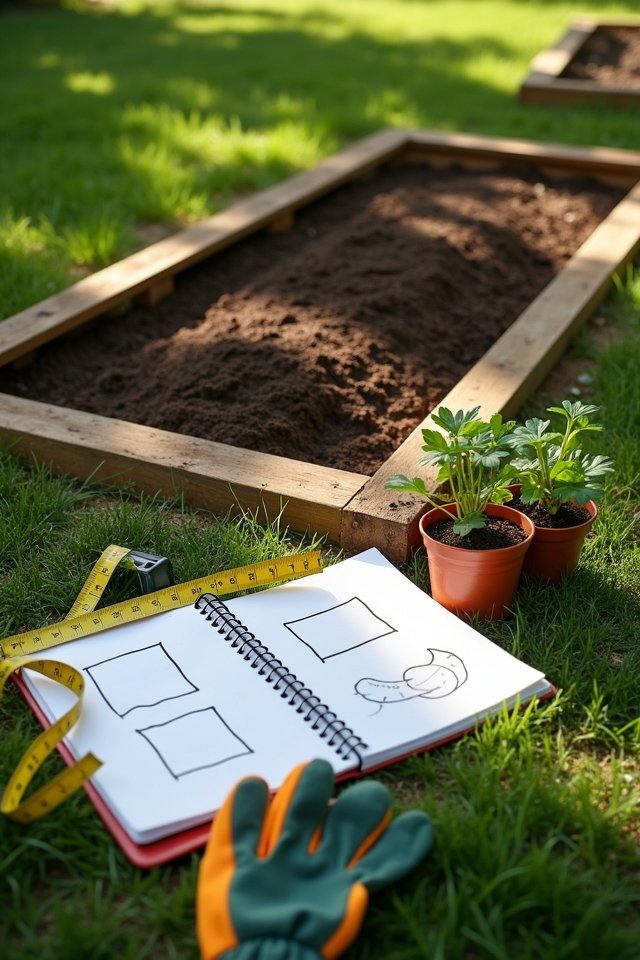
Choosing the right size and shape for your raised bed garden can feel like planning the ultimate garden party! You’ll want to keep bed dimensions in mind—think about how much space you’ll need for those fantastic veggies. A rectangular shape can maximize your growing area, while square or even circular variations add a unique flair! Aim for a height of 12 to 24 inches; it’s perfect for most plants and makes gardening easier on your back! Just picture the joy of plucking ripe tomatoes without bending over! Don’t forget to ponder accessibility; you want to reach every corner easily. So, what’s your garden style? Let your creativity blossom, and you’ll have a beautiful space that fits your personality!
Preparing the Ground and Building the Frame
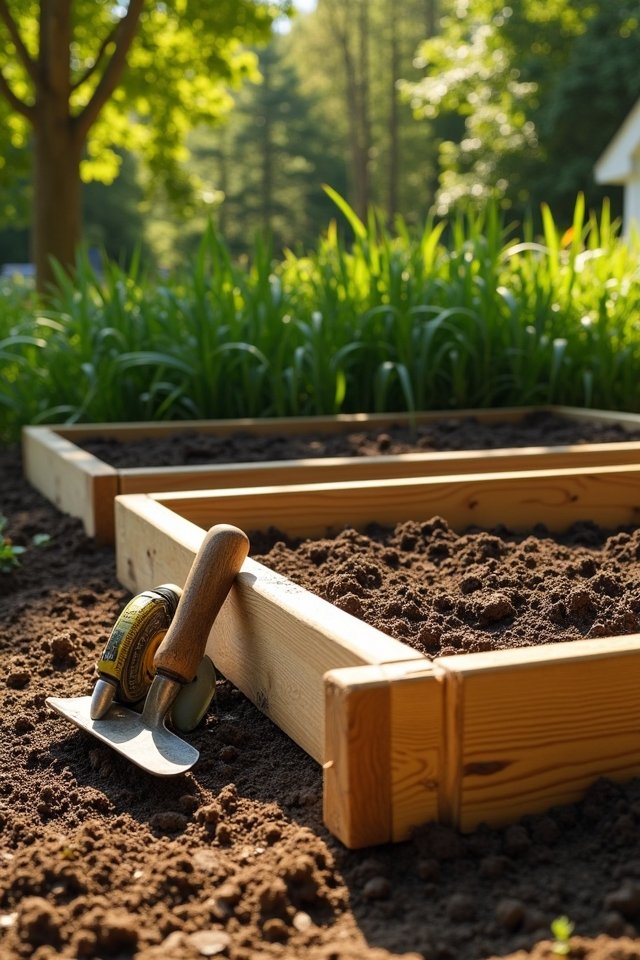
Ready to roll up your sleeves and get your hands dirty? Ground preparation is key to a thriving raised bed garden! You’ll want your frame construction to be sturdy and stylish. Here’s how to kickstart your garden dreams:
- Clear the Area: Remove weeds, rocks, and debris. Think of it as giving your garden a fresh slate!
- Level the Ground: Leveling guarantees your plants get even drainage. Picture a smooth canvas ready for your masterpiece!
- Build the Frame: Use rot-resistant wood, like cedar, for durability. Assemble a rectangular shape that suits your space and style!
Now, get ready to transform that bare patch into a flourishing oasis! Your future plants will thank you! 🌱
Filling Your Raised Bed With Soil
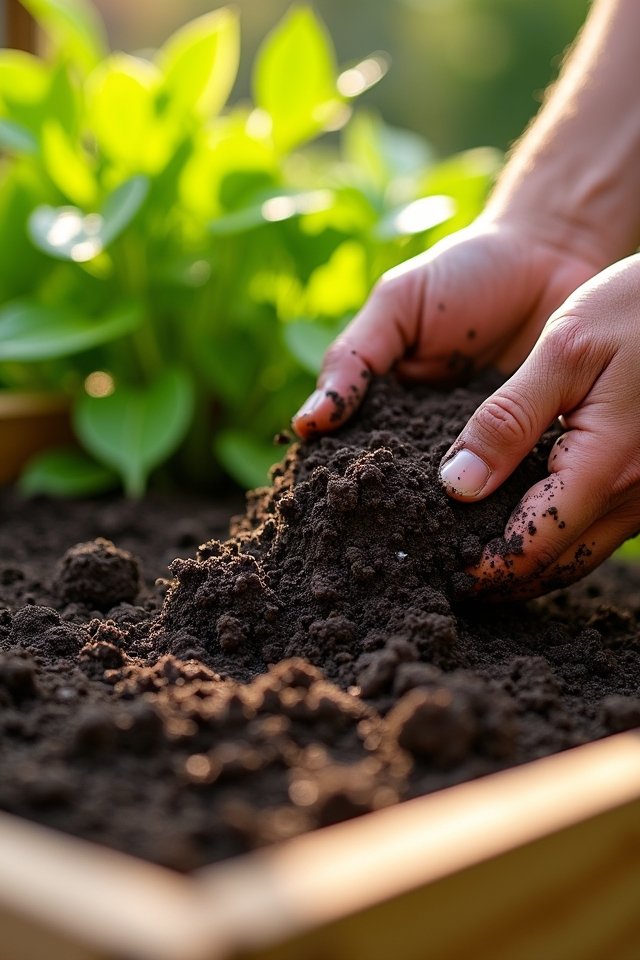
Now that you’ve built your sturdy frame, it’s time to fill your raised bed with soil—think of it as laying the foundation for your plant paradise! You’ve got options when it comes to soil types; a mix of organic compost, peat moss, and topsoil works wonders. This combo creates a nutrient-rich environment, like a five-star buffet for your plants!
For filling techniques, consider layering. Start with coarse materials like small rocks or twigs at the bottom for drainage. Then, sprinkle in your nutrient mix, gently folding it like you’re making a cake batter! Don’t forget to pat it down lightly—no one likes a lumpy bed! Are you ready to transform that empty frame into a vibrant garden? Let’s get planting!
Choosing the Right Plants for Your Garden
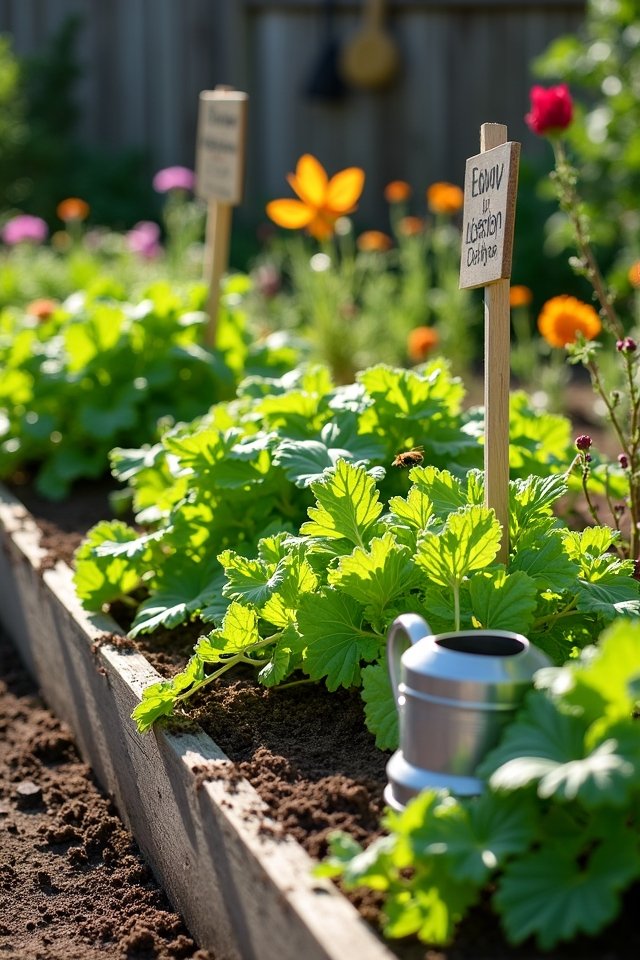
Your garden is like a blank canvas, and picking the right plants is the paint that brings it to life! Choosing plants isn’t just about looks; it’s about creating a thriving ecosystem. Consider these three innovative ideas for your raised bed:
- Companion Planting: Pair tomatoes with basil. They not only enhance each other’s flavors but also deter pests!
- Seasonal Variety: Mix cool-season veggies like lettuce with warm-season stars like peppers for continuous harvests.
- Herb Allies: Plant marigolds to attract pollinators and keep pesky bugs at bay.
Planting Techniques and Spacing
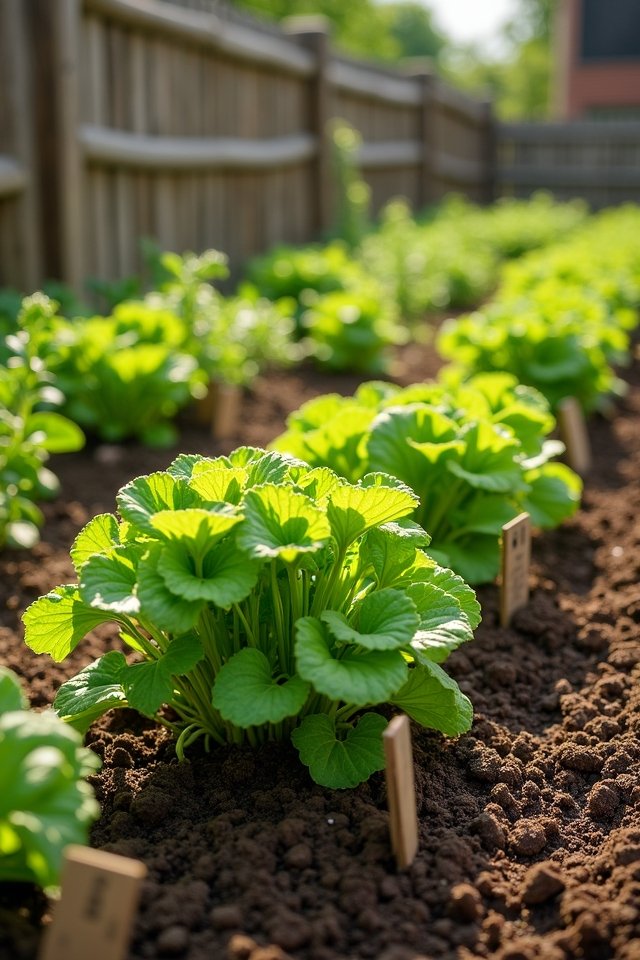
When it comes to planting techniques and spacing, a little planning goes a long way! Imagine your garden bursting with vibrant colors and flavors—delicious, right? Try companion planting to maximize your space. For example, plant basil next to tomatoes; they’ll thrive together like best buddies!
Don’t forget about vertical gardening! It’s like giving your plants a skyscraper to climb. Use trellises for cucumbers and beans to save precious ground space.
Space your plants wisely, too! Crowding them is a recipe for disaster—think of them as party guests needing room to mingle! Aim for about 12-18 inches apart for larger plants and around 6 inches for smaller ones. You’re on your way to a flourishing, innovative garden!
Watering and Maintenance Tips
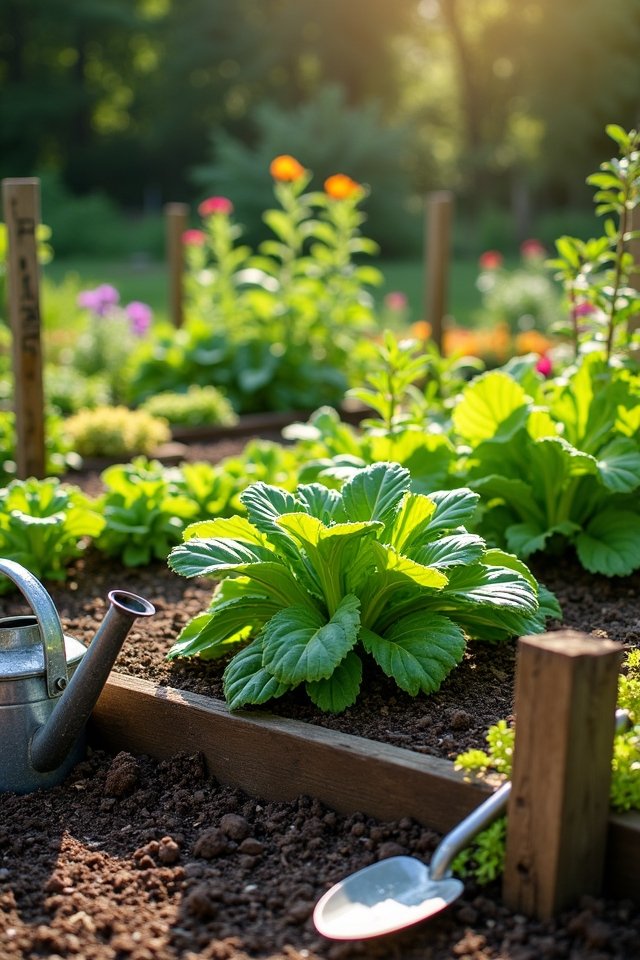
While it might seem like a no-brainer, watering your raised bed garden requires a bit of finesse to keep those plants happy and thriving! You want your veggies to be as cheerful as a sunflower, right? Try these tips to guarantee moisture retention and keep your garden flourishing:
- Install drip irrigation: It’s like giving your plants a spa day! This system delivers water directly to the roots, reducing waste and guaranteeing deep hydration.
- Water early or late: Hit your garden in the cooler hours of the day. This helps prevent evaporation—your plants will love you for it!
- Check soil moisture: Stick your finger in the soil; if it feels dry two inches down, it’s time to water! Keep that garden glowing with life!
Seasonal Care and Crop Rotation
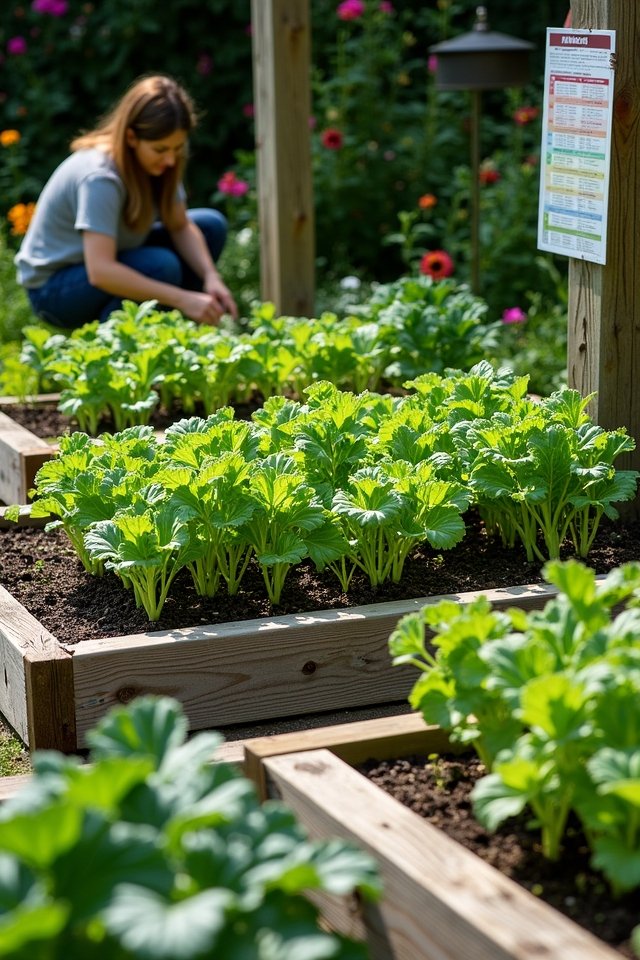
As the seasons change, your raised bed garden needs a little TLC to keep it thriving, just like a good friend needs care and attention! Welcome seasonal planting by rotating your crops every year. It’s like giving your soil a rejuvenating spa day! Instead of planting tomatoes in the same spot, switch them with leafy greens. This not only prevents pests but also enriches the soil with nutrients. Imagine your garden as a dance floor, where each crop takes its turn to shine! Plus, consider companion planting—like pairing basil with tomatoes—creating harmony and boosting growth. Keep an eye on the seasons, and you’ll enjoy a bountiful harvest while keeping your garden vibrant and healthy! Isn’t that the dream?
Frequently Asked Questions
Can I Use Treated Wood for My Raised Bed?
You might be tempted to use treated wood for your raised bed, but let’s think about garden safety first! Treated wood can leach chemicals into your soil, which isn’t great for those juicy tomatoes you dream of! Instead, opt for untreated cedar or redwood; they’re naturally resistant to rot and pests. It’s like choosing a cozy, safe blanket for your plants! Your veggies will thrive, and you’ll enjoy peace of mind while gardening!
How Do I Protect My Garden From Pests?
Protecting your garden from pests is like creating a fortress for your plants! You’ll want to use natural pest warriors, like ladybugs or praying mantises, to keep those pesky critters at bay! Organic deterrents, such as neem oil or diatomaceous earth, can be your garden’s best friends. Just imagine your veggies thriving while nature does its magic! So, roll up your sleeves, and let’s outsmart those uninvited guests together! Happy gardening!
What Are the Best Companion Plants for My Garden?
Looking to boost your garden’s health? Companion planting benefits are fantastic! Pairing tomatoes with basil creates a flavor explosion while warding off pests. Got carrots? Plant them with onions to confuse those sneaky bugs! How about marigolds? They’re like tiny garden superheroes, protecting your veggies from harm. So, mix and match those plant pairings, and watch your garden thrive! Isn’t it exciting to see nature working together? Happy gardening!
How Often Should I Fertilize My Raised Bed?
So, how often should you fertilize your raised bed? Think of it like feeding a hungry friend! Use slow-release fertilizers every 4-6 weeks, while liquid types can be applied every 2-3 weeks. Timing’s essential; try to fertilize just before a rainstorm for maximum absorption. Your plants will thank you with vibrant colors and bountiful harvests! Remember, balance is key—overdoing it’s like giving your friend too much cake! Enjoy the growth!
Can I Grow Vegetables in Winter?
Absolutely, you can grow vegetables in winter! With winter gardening, you’ll want to focus on cold crops like kale, carrots, and spinach. These veggies thrive in cooler temperatures, almost like they’re wearing tiny winter coats! Imagine stepping outside, plucking fresh greens from your frosty garden. Isn’t that delightful? Just remember to protect them from harsh winds and snow, and you’ll have a winter wonderland of deliciousness right at your fingertips! Happy gardening!