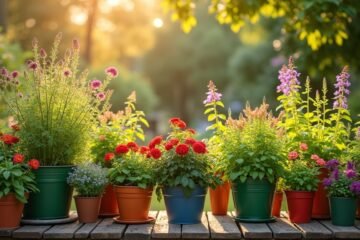
Ready to grow your own organic veggie paradise? First, scout a sunny spot with good drainage—think of it as the VIP lounge for your plants! Next, choose delicious heirloom varieties and companions, like basil with your tomatoes. Prep your soil like a cozy bed for your seeds, mixing in compost. Then, plant your seeds or baby plants with care, and don’t forget to maintain that organic vibe! Stick around, and you’ll discover even more tips for success!
Choose the Right Location

When it comes to starting your organic vegetable garden, picking the right location is like choosing the perfect spot for a picnic—sunshine, shade, and a little breeze make all the difference! You’ll want at least six hours of sunlight exposure daily to keep those veggies happy and thriving. Imagine them soaking up the sun like sunbathers on a warm beach! And don’t forget about water drainage; soggy roots are a vegetable’s worst nightmare. Look for a spot that’s slightly elevated, allowing rainwater to flow away, while still catching that essential sunlight. A little wind can be beneficial too, keeping pests at bay. So, scout your yard; your garden’s ideal location is waiting for you to discover it!
Select Your Vegetable Varieties
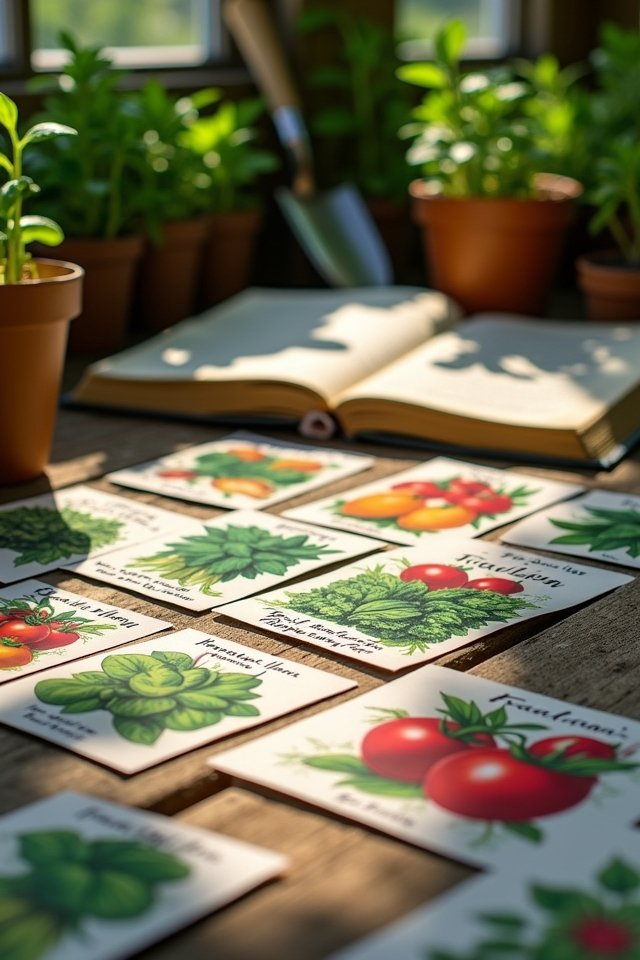
As you explore the exciting world of vegetable gardening, choosing the right varieties can feel like picking toppings for your favorite pizza—there are just so many delicious options! You might want to immerse yourself in heirloom varieties for their rich flavors and unique colors. Just imagine biting into a vibrant purple tomato! Plus, consider companion planting; it’s like hosting a garden party where plants thrive together. For instance, plant basil alongside tomatoes to boost flavor and repel pests. Don’t forget to think about your climate and space—some veggies need more sun than others! So, grab a seed catalog, let your creativity flow, and start dreaming up your perfect garden pizza, one delicious veggie at a time!
Prepare the Soil
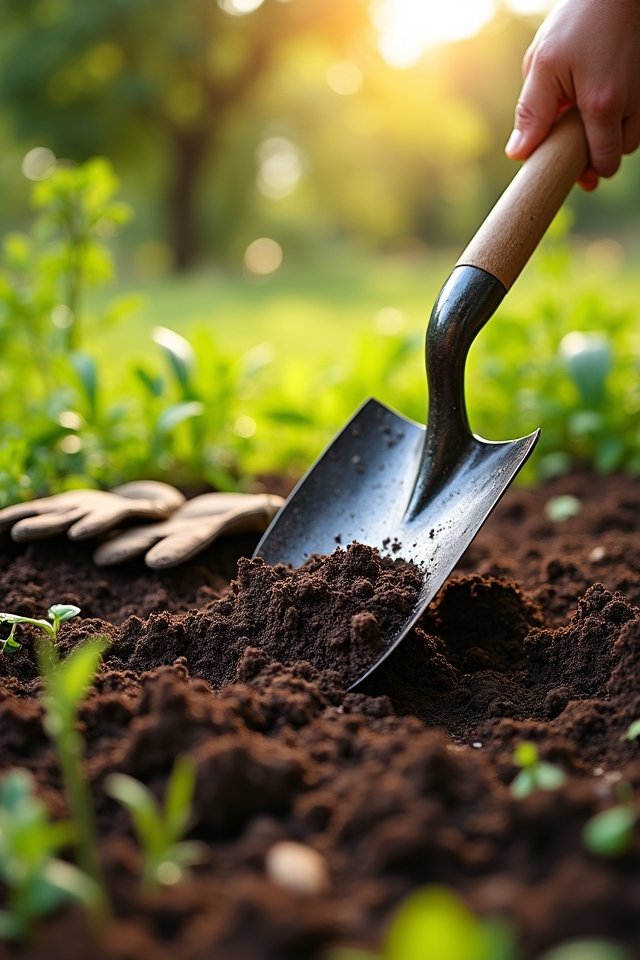
Soil preparation is like making the perfect foundation for your garden masterpiece! Start with soil testing to reveal its secrets—does it need more nutrients or a pH adjustment? Think of it as diagnosing your soil’s health before you immerse yourself! Once you’ve got your results, consider soil amendments like compost, aged manure, or even coffee grounds. These magical additions can transform your dirt into a nutrient-rich haven for your veggies. Picture your tomatoes thriving in an environment that’s just right! Mix in these amendments thoroughly, and don’t forget to level it out—like icing a cake! With the right groundwork, your organic garden will flourish, bursting with colors and flavors that’ll make your taste buds dance! Ready to dig in?
Plant Your Seeds or Seedlings
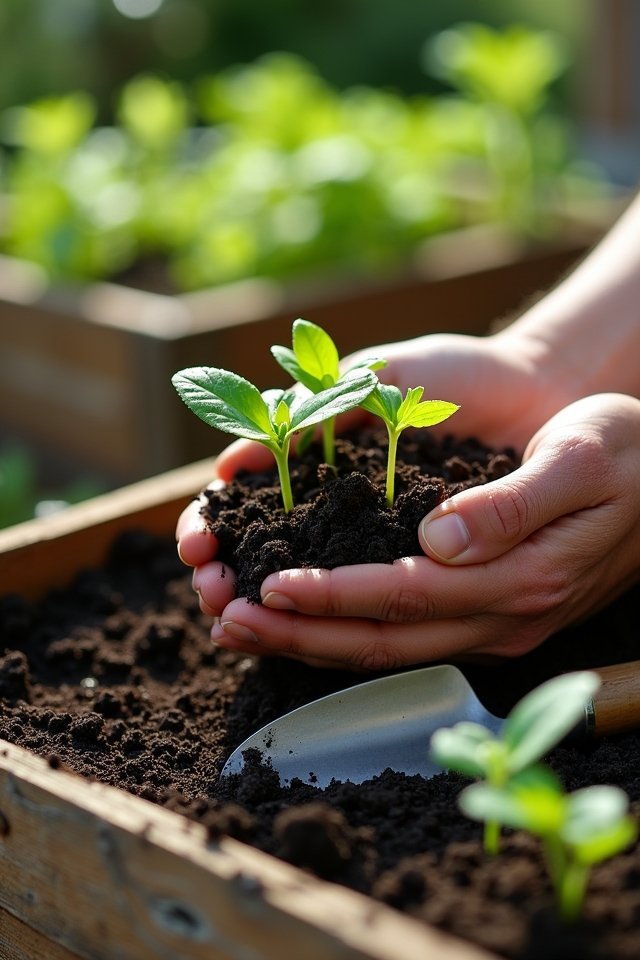
Before you plunge into the delightful world of planting, let’s take a moment to appreciate the magic of seeds and seedlings! Imagine those tiny wonders bursting with potential, ready to transform your garden. When you plant, think about seed spacing; giving each seed room to breathe is essential. Imagine them dancing in the breeze! For most veggies, a depth of about one to two inches will do the trick—like tucking them in for a cozy night’s sleep. Don’t forget to label your rows! Trust me, future-you will thank you. As you water them gently, envision the vibrant greens and vibrant colors they’ll become. It’s a thrilling journey, and you’re the captain of this organic adventure! Happy planting!
Maintain Your Garden Organic Practices
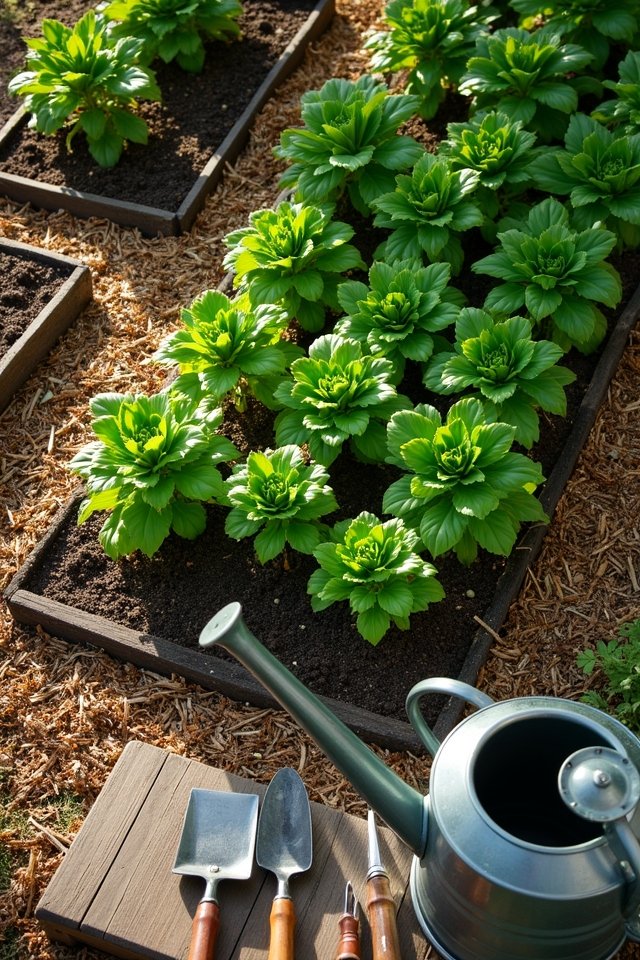
While you might think planting is the only exciting part of gardening, maintaining your organic practices is where the real magic happens! You’ll want to keep your garden thriving with innovative methods that enhance growth and health. Here are some essential tips:
- Adopt composting techniques like layering greens and browns for nutrient-rich soil.
- Implement natural pest management strategies, such as introducing beneficial insects.
- Regularly rotate your crops to prevent nutrient depletion and disease buildup.
- Use organic mulch to conserve moisture and suppress weeds.
These practices not only support your plants but also create an eco-friendly environment! Remember, gardening is a journey, and every step you take to maintain your garden’s organic integrity brings you closer to that bountiful harvest you dream of!
Frequently Asked Questions
How Do I Protect My Garden From Pests Naturally?
Did you know that 30% of crops can be lost to pests? Yikes! To protect your garden naturally, adopt companion planting—like pairing tomatoes with basil to ward off pesky bugs. You can also use natural repellents like garlic spray or neem oil, which act like a superhero cape for your plants! Don’t forget to keep your garden tidy; pests love clutter! So, let’s keep it fresh and thriving, shall we? Happy gardening!
Can I Grow Vegetables in Containers?
Absolutely, you can grow vegetables in containers! Container gardening opens up a world of possibilities. Just think about vibrant cherry tomatoes bursting with flavor or crunchy carrots snugly nestled in a pot. You’ll love how easy it is to manage pests too! Choose vegetable varieties like leafy greens or dwarf peppers that thrive in smaller spaces. Plus, who wouldn’t want a mini garden on their balcony? It’s like having a veggie party right outside your door!
What Tools Do I Need to Start Gardening?
You’re diving into gardening—how exciting! You’ll need a few essential tools to kick things off. Start with a sturdy trowel and a soil testing kit; knowing your soil’s pH can be a game-changer! A garden layout plan helps visualize your dream oasis. Don’t forget gloves to keep your hands clean and a watering can for those thirsty plants! With these tools, you’re not just gardening; you’re creating your own little slice of paradise!
How Can I Improve My Garden’s Drainage?
To improve your garden’s drainage, let’s get creative with some drainage solutions! You might consider adding organic matter like compost or peat moss—think of it as giving your soil a cozy blanket! Mix in some sand or perlite to create a spongy texture, too. If water pools like an unwanted guest, dig trenches or install a rain garden to guide it away. Trust me, your plants will thank you, and you’ll love the results!
When Is the Best Time to Plant My Seeds?
When’s the best time to plant your seeds? Think about your local planting calendar! Most seeds thrive when the soil warms up, usually after the last frost. For example, if you’re dreaming of vibrant tomatoes, aim for late spring when the soil’s a cozy 60°F. And remember, seed germination is like magic—tiny miracles bursting to life! So, get ready to roll up your sleeves and immerse yourself in the delightful world of gardening!