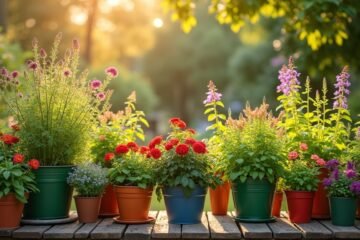
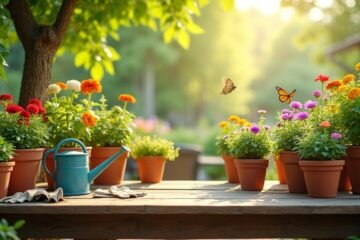
Ready to plunge into the world of organic gardening? Start by finding a sunny spot where veggies can soak up golden rays! Think vibrant bell peppers and crunchy cucumbers—what’s not to love? Prep your soil by mixing in organic compost; it’s like a health spa for your plants! Don’t forget to water wisely and use natural pest controls, like marigolds, to keep your garden thriving. Stay with us, and you’ll discover even more fantastic tips!
Choosing the Right Location for Your Garden
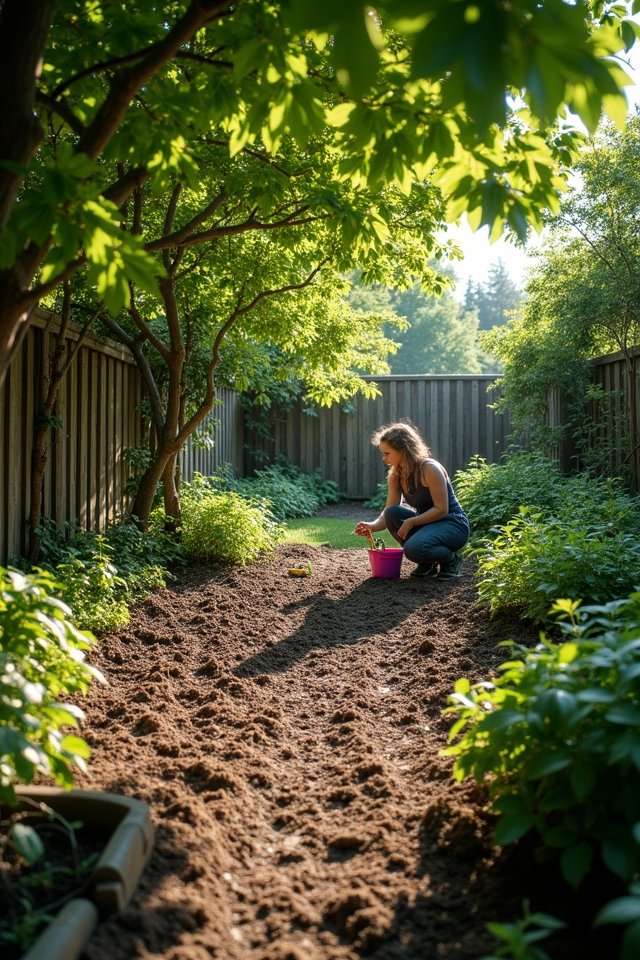
When you’re dreaming of your lush organic vegetable garden, you might not realize that the right location can make or break your gardening experience! Imagine a sunny spot, bathed in golden sunlight exposure, where your veggies can thrive. Plants need that light like you need your morning coffee! But don’t forget about wind protection; a gentle breeze is nice, but strong gusts can wreak havoc on tender leaves. Look for areas shielded by fences or trees—think of them as cozy blankets for your plants! You’ll want to avoid low spots that collect frost, too. So, scout out your yard carefully! With the right location, your garden will flourish, and you’ll harvest the freshest veggies in town!
Selecting Organic Seeds and Plants
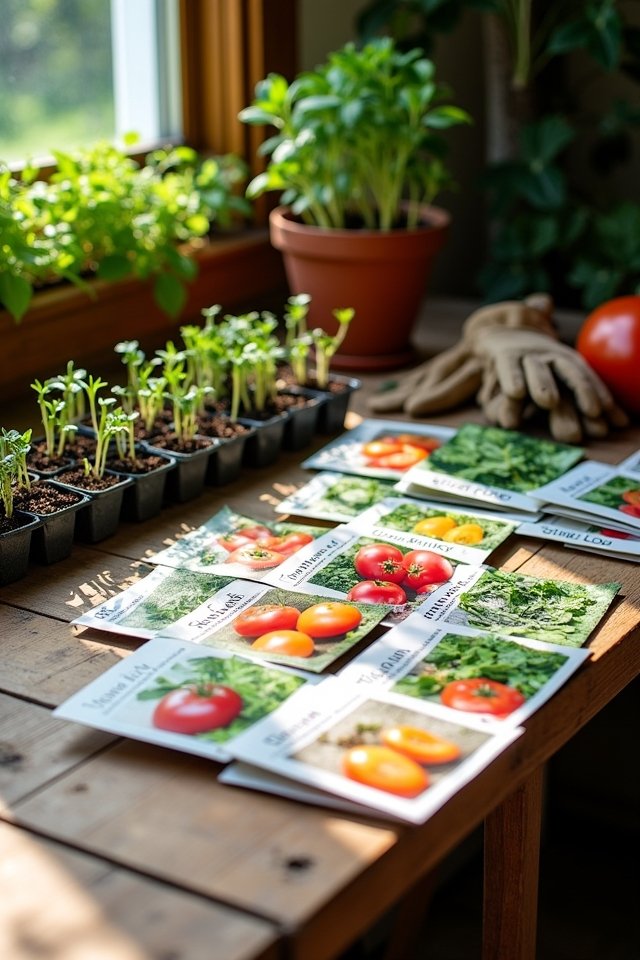
Now that you’ve found the perfect spot for your garden, it’s time to pick the stars of the show: your organic seeds and plants! Choosing heirloom varieties is like adopting a quirky, lovable pet; each one has its own story and flavor! When seed sourcing, look for local vendors or trustworthy online shops that prioritize organic practices. Imagine biting into a juicy heirloom tomato, bursting with flavor, that your neighbor can’t stop raving about! Don’t forget to think about your favorites—maybe vibrant bell peppers or crunchy cucumbers? Mix and match colors and textures for a garden that’s not just productive but also a feast for the eyes! Get ready to release your creativity and let those seeds shine!
Preparing the Soil for Planting
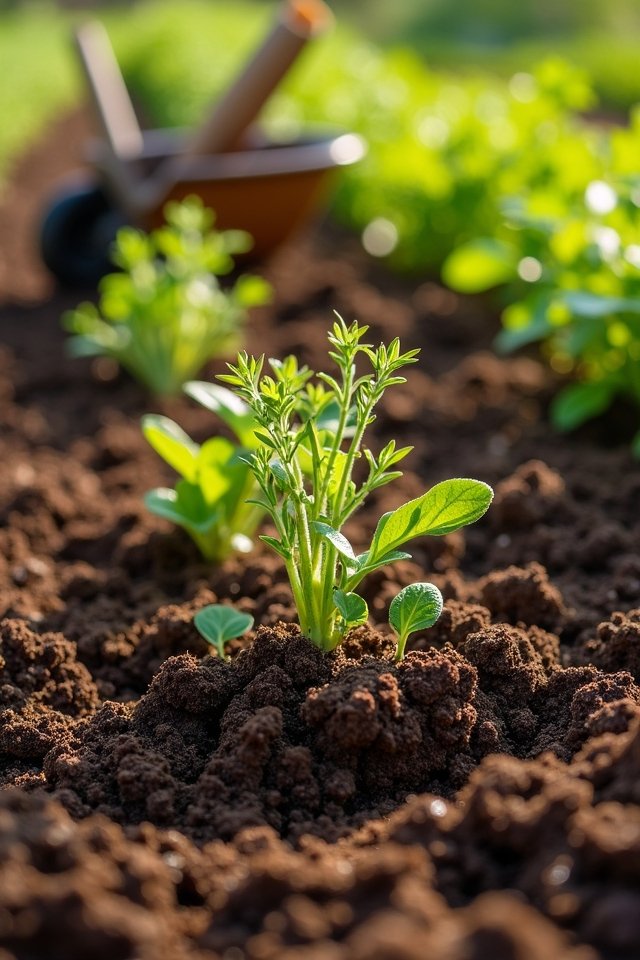
Getting your soil ready for planting is like preparing a cozy bed for your plants; they deserve the best foundation to thrive! Start with soil testing; it’s like a health check-up for your garden. You wouldn’t want to build a house on shaky ground, right? Testing reveals your soil’s nutrient balance, helping you know what to add. Think of it as cooking; you need the right ingredients! If your soil’s lacking, mix in organic compost or well-rotted manure, which boosts nutrients and improves texture. Imagine your plants snuggling into a rich, earthy hug! Don’t forget to till the soil to aerate it, making it easier for roots to dive deep. Your veggie garden will thank you for the effort!
Implementing Effective Watering Techniques
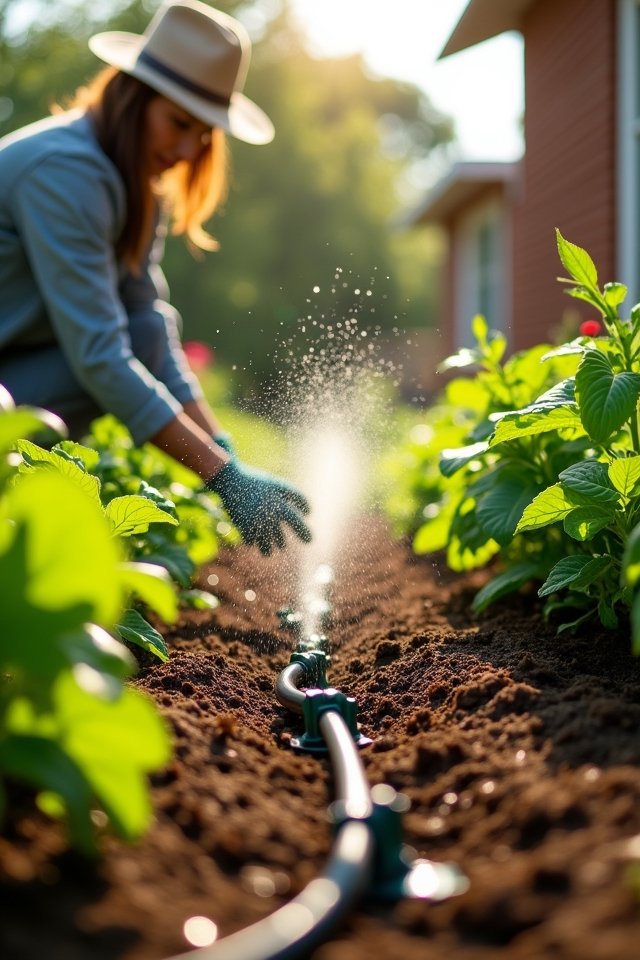
While it may seem simple, watering your vegetable garden effectively is like mastering a delicate dance—too much or too little can throw your plants off balance! To keep your crops thriving, consider these innovative techniques for ideal moisture retention:
- Drip irrigation: This snazzy system delivers water directly to the roots, minimizing waste.
- Mulching: Add a layer of organic material to reduce evaporation and keep the soil cool.
- Soaker hoses: They gently seep water into the soil, ensuring deep hydration.
- Watering early or late: Avoid the sun’s scorching rays to prevent evaporation.
- Rain barrels: Collect rainwater for a sustainable way to feed your garden!
With these methods, your veggies will dance in delight! Ready to give it a whirl?
Natural Pest Control Methods
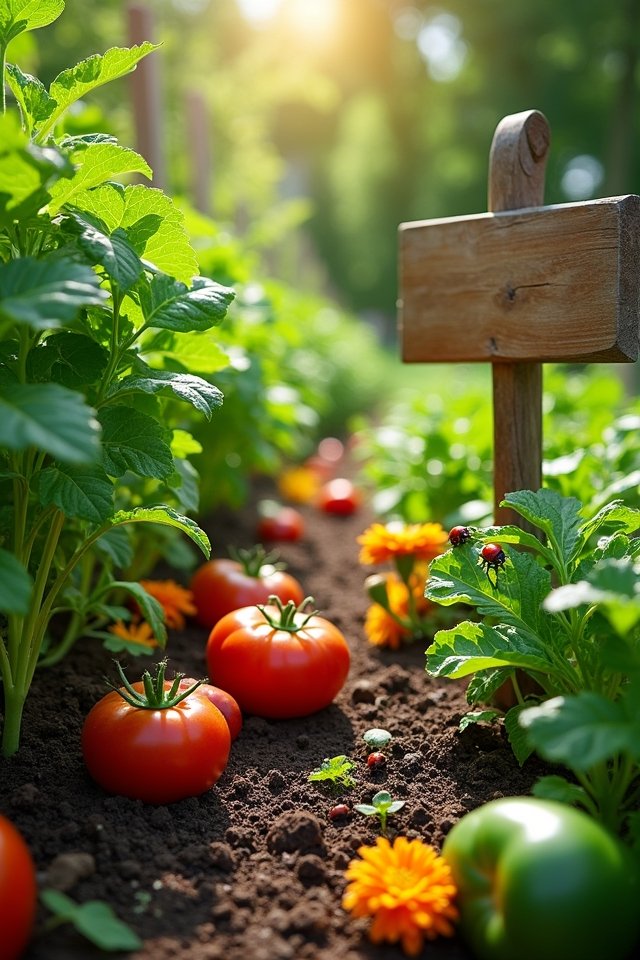
If you’ve ever watched a spider spin its web, you know nature can be a masterful pest controller! Why not harness that power in your garden? Start with companion planting—pairing plants that naturally repel pests. For example, marigolds and tomatoes make a great duo, as marigolds deter pesky nematodes.
Don’t forget beneficial insects! Ladybugs and lacewings are like the superheroes of your garden, munching on aphids and other unwanted critters. You can attract them by planting dill or fennel.
Harvesting and Maintaining Your Garden
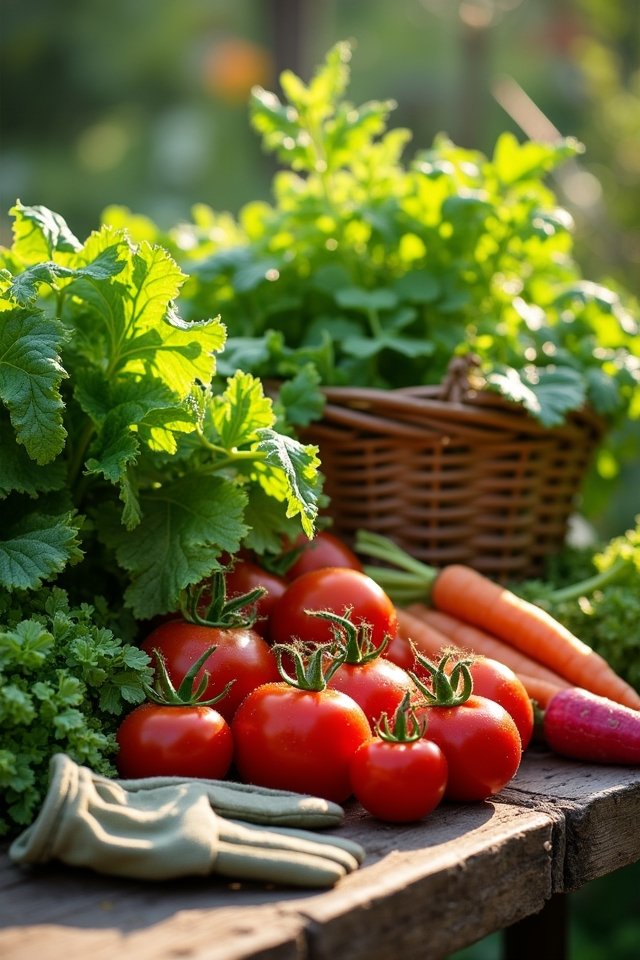
As you plunge into the delightful world of harvesting and maintaining your garden, you’ll discover that this phase is just as exciting as planting those seeds! Imagine the thrill of seeing those vibrant veggies ready to pick! To keep your garden thriving, consider these essential tips:
- Embrace crop rotation to prevent soil depletion and pesky pests.
- Utilize compost for nutrient-rich soil—your plants will thank you!
- Regularly water to keep your plants hydrated, especially during dry spells.
- Mulch around your plants to conserve moisture and reduce weeds.
- Harvest regularly to encourage continuous growth and savor the fresh flavors!
Frequently Asked Questions
How Much Time Do I Need to Dedicate Weekly?
You’ll want to dedicate about three to five hours weekly to your garden. Think of it as a fun hobby that rewards you with fresh veggies! Time management is key; maybe split it into a couple of days. You could spend an hour planting seeds one day and then another hour weeding later. It’s like a mini workout—plus, you get the satisfaction of nurturing life! How cool is that? Your taste buds will thank you!
Can I Start an Organic Garden in Containers?
Did you know that over 30% of people grow their veggies in containers? That’s right! You can absolutely start an organic garden in containers. Just grab some organic seeds, like vibrant tomatoes or crunchy lettuce, and get planting! Container gardening‘s perfect for small spaces—think of it as your mini vegetable oasis. Plus, it’s fun to watch your plants thrive! So, let your creativity bloom, and enjoy the tasty rewards of your efforts!
What Organic Fertilizers Are Best for Beginners?
When it comes to organic fertilizers, you’ve got some fantastic options! Think of compost as your garden’s secret sauce—rich, earthy, and full of nutrients! You can also try natural amendments like worm castings or bone meal; they’re like giving your plants a hearty breakfast! Remember, a little goes a long way! Don’t underestimate the power of fish emulsion, either; it’s like a superhero for your soil! Ready to nourish your green kingdom? Let’s grow!
How Do I Deal With Garden Weeds Naturally?
Did you know that 40% of garden plants are overrun by weeds? Yikes! To tackle those pesky intruders naturally, try mulching techniques like straw or wood chips. They smother weeds while keeping your soil moist and happy! You can also whip up natural herbicides using vinegar or salt—just be careful where you spray! Remember, a weed-free garden isn’t just beautiful; it’s a thriving paradise for your veggies! Ready to reclaim your garden space?
When Is the Best Time to Start Planting?
You’ve got to contemplate the planting seasons! Typically, spring is the star of the show, with warmer climates starting as early as February. Your local climate plays a huge role too; think of it as your garden’s mood ring! If you’re in a chillier area, waiting until April or May might be best. Just imagine those seeds bursting through the soil, ready to dance in the sun! Isn’t nature’s timing simply delightful?