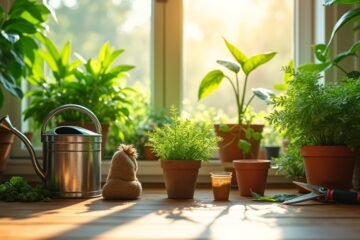
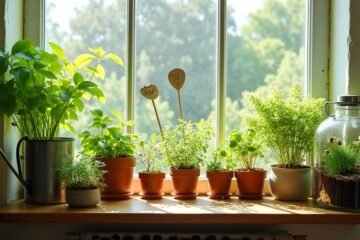
Indoor composting in tiny kitchens is a brilliant way to turn scraps into treasure! With sleek countertop bins or stylish cans equipped with carbon filters, you can enjoy composting without the mess or odor. Worm composting is another compact solution, perfect for scrunched-up corners, as those little red wigglers work their magic! Plus, the Bokashi method lets you compost cooked food quickly, transforming waste into nutrient-rich compost in just two weeks! Stick around to uncover more handy tips!
Understanding Indoor Composting Basics
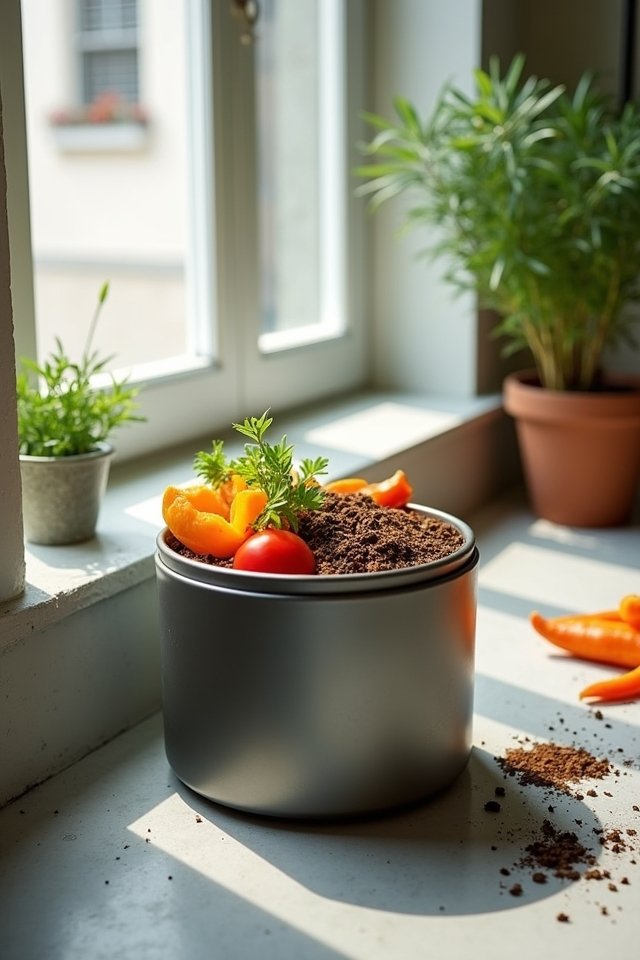
When you think about composting, you might picture sprawling gardens or massive outdoor bins, but guess what? Indoor composting is a game-changer! It’s all about embracing innovation in your tiny kitchen. Did you know that composting benefits include reducing waste and improving soil health? Plus, you don’t need a backyard to get started!
Now, let’s bust some composting myths! You won’t have a smelly mess lurking in your corner; with the right methods, you can keep odors at bay. Just think of it as your eco-friendly treasure chest! Use small-scale composters or even countertop bins for a sleek look. It’s like gardening magic, transforming kitchen scraps into nutrient-rich gold! Are you ready to join the composting revolution?
Choosing the Right Compost Bin for Small Spaces
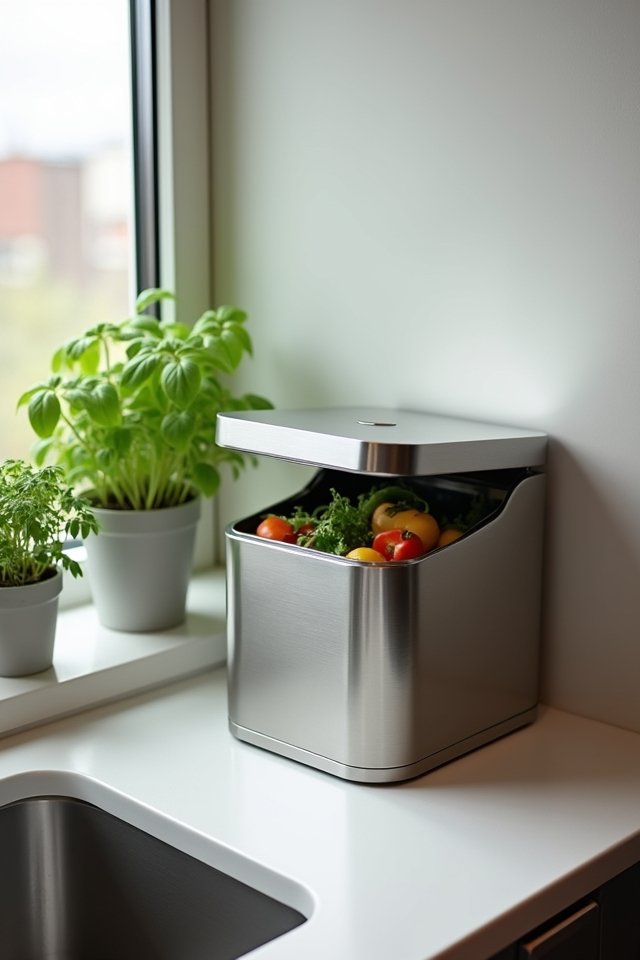
How do you find the perfect compost bin for your tiny kitchen? Start by exploring compost bin types that fit your unique space. A sleek, countertop model can blend seamlessly with your decor. Consider space-saving designs, like those that hang or fit snugly beneath the sink, freeing up precious counter space for your culinary creations! You might even enjoy a stylish compost can with a carbon filter to keep odors at bay—think of it as a chic accessory for sustainability! Also, remember to check the capacity; it shouldn’t be too huge, or you’ll end up dodging it during meal prep! With a little creativity and thoughtfulness, you’ll discover a bin that not only composts but also sparks joy in your kitchen!
Worm Composting: A Compact Solution
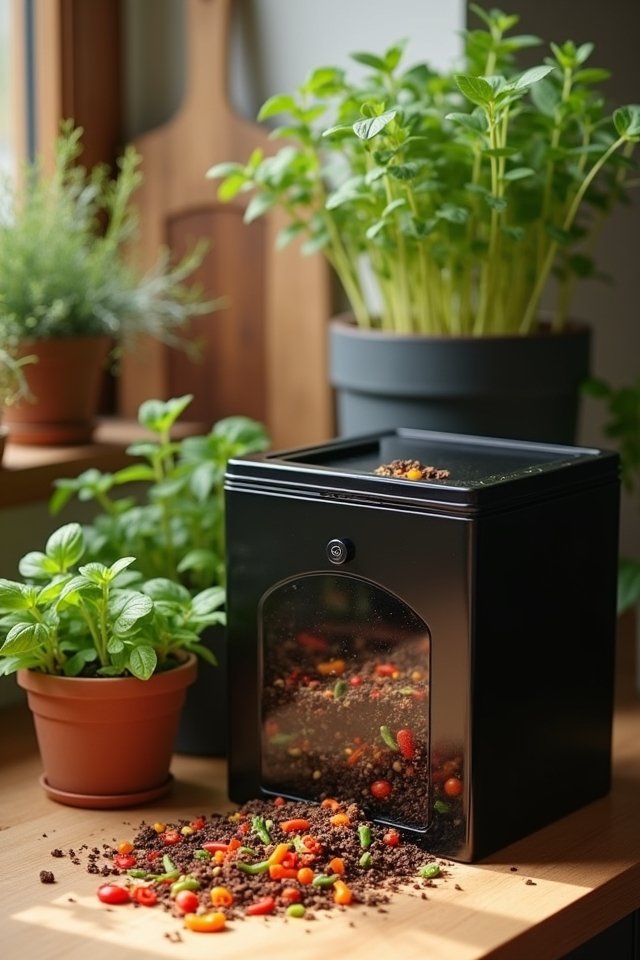
If you’re ready to up your composting game, worm composting might just be your new best friend! These little wriggly wonders, like red wigglers and nightcrawlers, are perfect for tiny kitchens. Just imagine turning your kitchen scraps into nutrient-rich compost—sounds magical, right? With the help of these worm types, you’re not just reducing waste; you’re boosting your plant’s health too!
The compost benefits are incredible: it’s like giving your plants a nutrient-packed hug! Plus, the process is so compact; you can keep your worm bin under the kitchen sink or in a closet. It smells like earth, not like decay! So, roll up your sleeves and plunge into this innovative adventure in composting—it’s surprisingly delightful!
Bokashi Method: Fermenting Food Waste
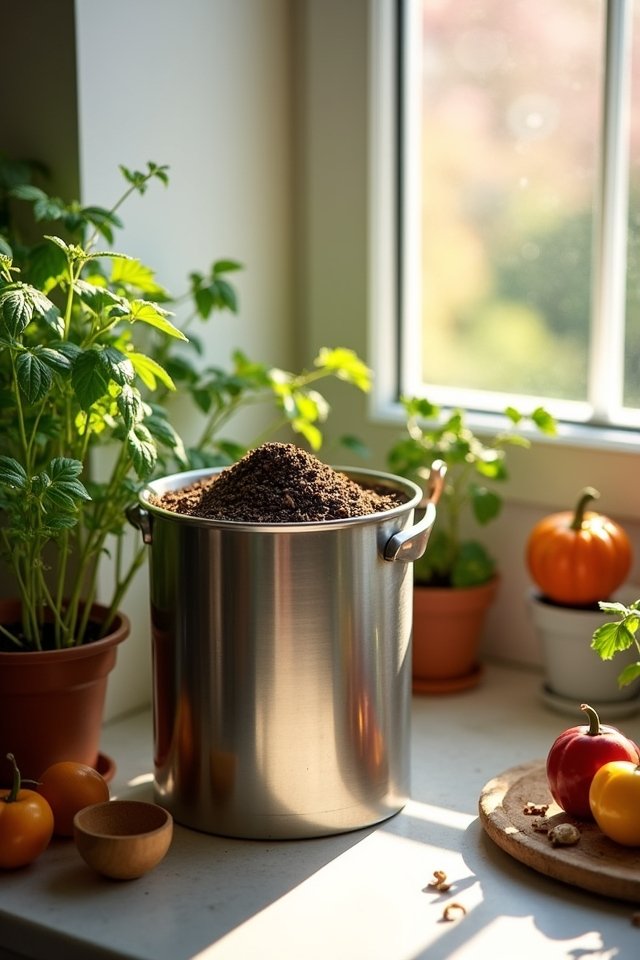
Ready to revolutionize your kitchen waste? The Bokashi Method is your ticket to an innovative fermentation process that transforms food scraps into nutrient-rich compost! You’ll mix exciting bokashi ingredients, like bran treated with effective microorganisms, into your kitchen waste. It’s like giving your scraps a spa day! Just toss in your veggie peels, fruit rinds, and even cooked food—no more waste guilt! The anaerobic fermentation keeps odors at bay while breaking down waste in as little as two weeks. Can you imagine the joy of seeing your clutter turned into gold for your plants? It’s a game changer! So go ahead, give your kitchen the eco-friendly makeover it deserves, and let Bokashi sprout your composting revolution!
How to Layer Your Compost Effectively
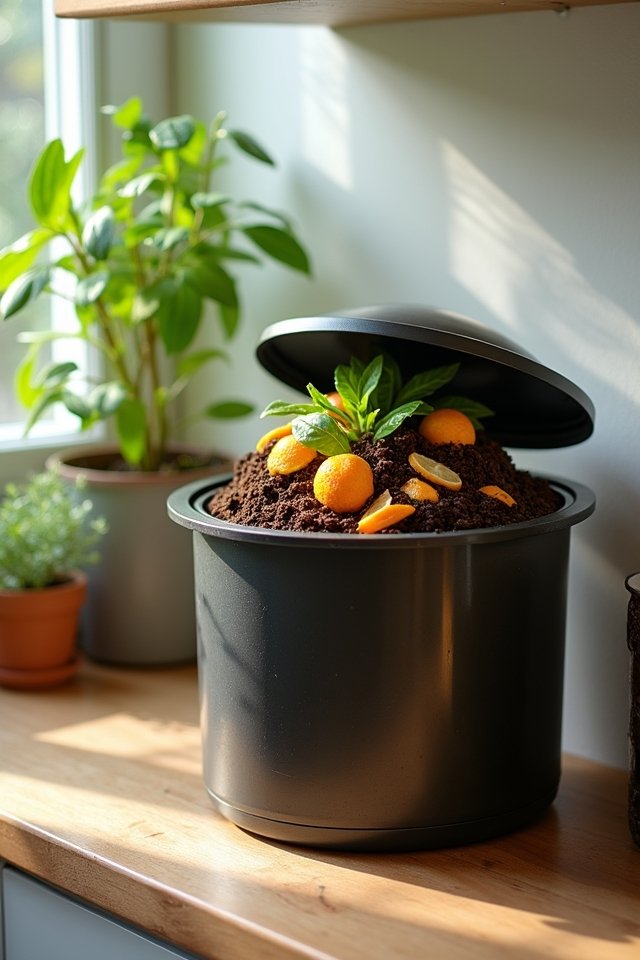
Layering your compost isn’t just a chore; it’s an art form! Imagine this: vibrant greens dancing with earthy browns in your tiny kitchen. Mastering layering techniques is essential for achieving compost balance. Start with a base of dry materials like shredded paper or leaves, creating a cozy nest for your green scraps, like vegetable peels and fruit cores. Next, sprinkle in a handful of coffee grounds for that extra caffeinated boost! Remember, the key is variety; switch up layers to keep the microbes excited. You wouldn’t serve the same dish every day, right? Finish off with a thin layer of soil or finished compost to kickstart the decomposition process. Now you’re crafting your compost masterpiece, one colorful layer at a time!
Maintaining Moisture and Aeration in Small Bins
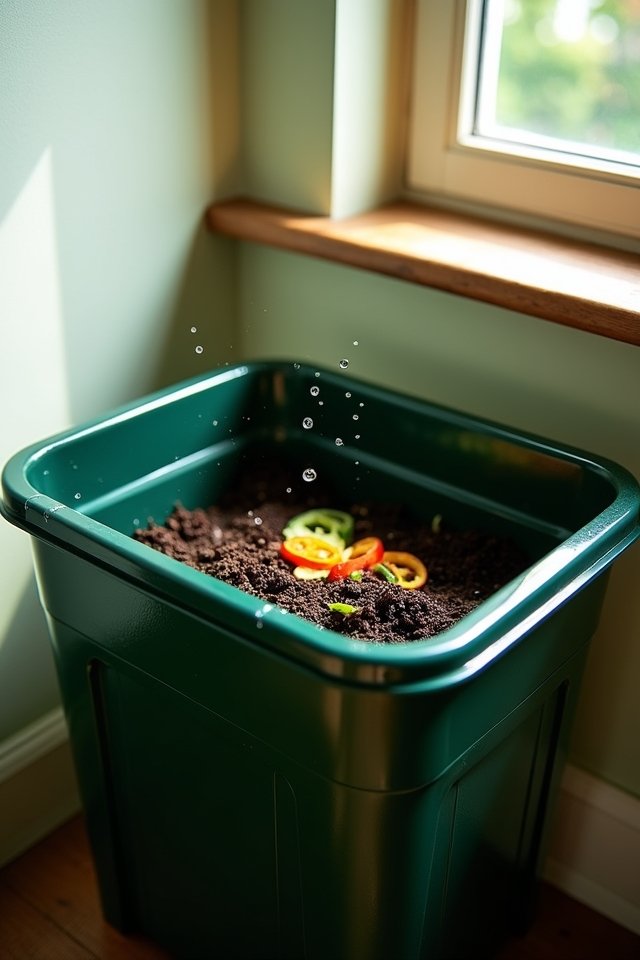
While it may seem simple, keeping your compost moist and aerated is a delicate ballet of balance! Think of it as nurturing a little monster; it loves its moisture but can’t be smothered! To boost moisture retention, sprinkle in shredded newspaper or coconut coir—they’re like cozy blankets for your compost! Now, let’s talk aeration techniques. Grab a garden fork and give it a gentle mix every week. It’s like a spa day for your compost, fluffing it up for maximum airflow! You might even notice it breathing a sigh of relief! Keep your bin in a well-ventilated spot—perhaps near a sunny window. With these tips, you’ll transform kitchen scraps into black gold, all while keeping your tiny kitchen fresh!
Compostable Materials: Do’s and Don’ts
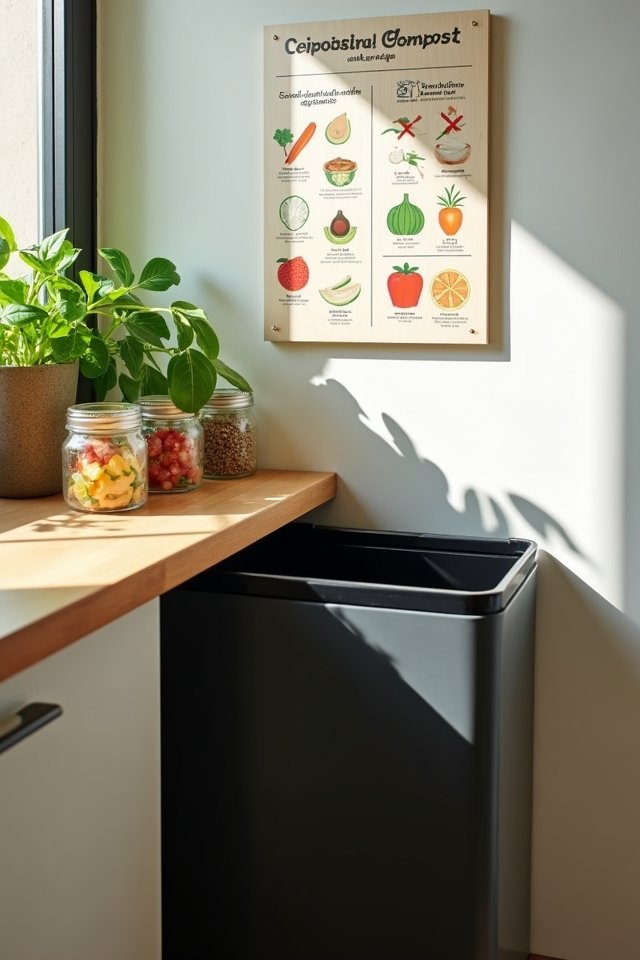
Now that you’ve got your compost all cozy and aerated, let’s take a closer look at what to toss in that little bin of yours. First, welcome those delightful kitchen scraps! Apple cores, coffee grounds, and veggie peels are all fabulous compostable materials. But hold up! Avoid meat, dairy, and oils—your compost’s worst enemies. They’ll invite unwanted critters and stinky odors that’d make any composting enthusiast cringe! Instead, think of soft greens like wilted lettuce, or even paper towels soaked with water—yes, they’re kitchen waste heroes too. Picture those scraps transforming into nutrient-rich soil, nourishing your next herbs or plants! So, let’s make every bite count and keep those organic treasures out of the landfill! Ready to compost?
Common Indoor Composting Challenges and Solutions
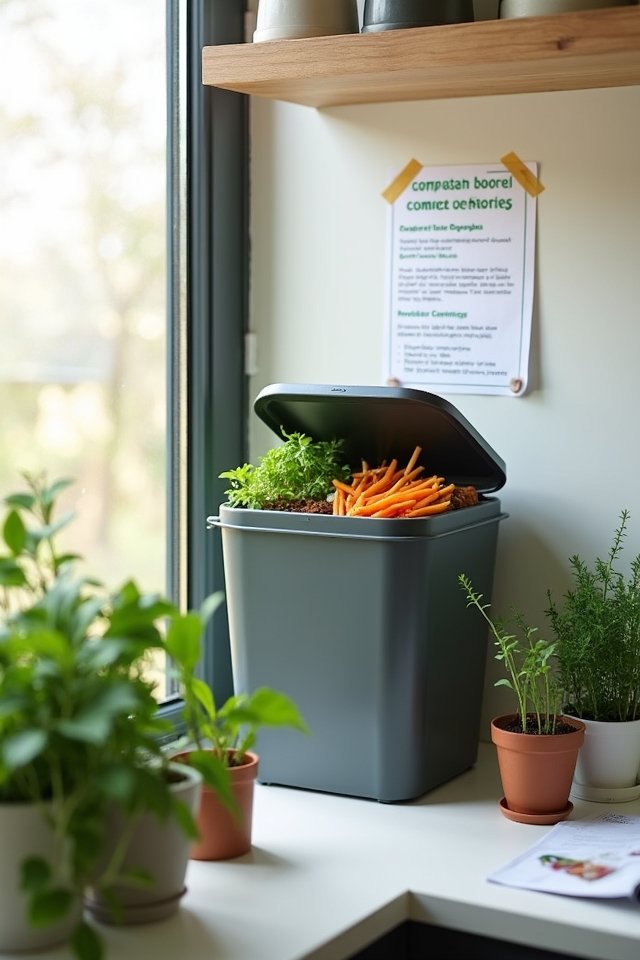
If you think composting in a tiny kitchen is a walk in the park, hold on just a second! You might run into some pesky composting pests that’ll make you cringe, like fruit flies dancing around your banana peels. Oh, the horror! But fear not! A simple solution is keeping your compost tightly sealed and choosing a well-ventilated bin.
Another challenge is managing your limited kitchen space. Declutter! Use a stylish, compact compost container that fits on your counter. The more attractive it is, the less you’ll mind those banana peels taking up precious real estate!
Harvesting and Using Your Compost
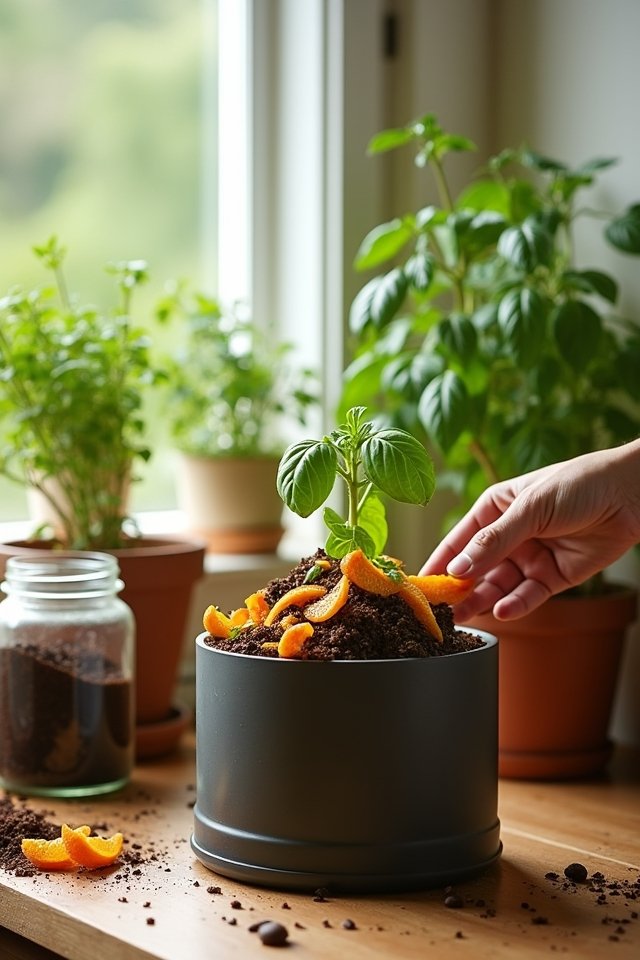
Once your compost reaches that rich, earthy perfection, it’s time to dig in and share the love! Harvesting your compost is like unearthing a treasure chest filled with nature’s best-kept secrets. You can sprinkle it on your indoor plants, adding a nutrient boost that’ll make them thrive like never before!
Think of creative compost applications—mix it into potting soil, blend it with garden beds, or top off your herb pots for an herbal renaissance. The nutrient benefits are vast, helping your plants grow lush and vibrant. Trust me, there’s a certain satisfaction in knowing you’ve nurtured life from scraps! So roll up your sleeves, welcome the joy of composting, and let the magic of your creation enrich your tiny kitchen garden!
Tips for Managing Odor in Tiny Kitchens
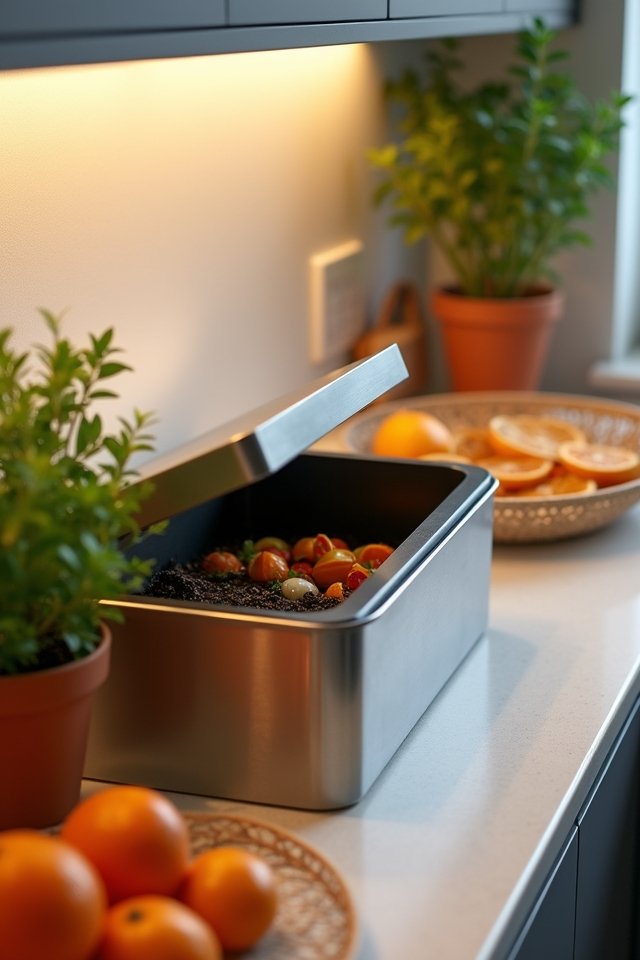
After you’ve joyfully harvested that nutrient-packed compost, managing any lingering odors in your tiny kitchen becomes your next big adventure! Fear not! Effective odor control starts with a simple air circulation hack. Place a small fan near your compost bin to keep the air fresh and flowing. You’ll be amazed at how the movement disperses smells! Add a sprinkle of baking soda or dried herbs in your bin; it’s like a spa day for your compost! Keep the lid tightly sealed when you’re not using it, and remember to empty your bin regularly—don’t let old scraps stage a protest! Finally, open windows on sunny days to invite in fresh breezes—and just like that, your kitchen becomes a fragrant paradise!
Frequently Asked Questions
How Long Does Composting Take in Small Indoor Bins?
Composting in small bins is like a magic show—it can take a moment or an eternity to see the final act! Typically, the composting duration spans from a few weeks to a few months. Factors like material type and moisture level play vital roles. Keep your kitchen scraps stirred and well-aerated! You’ll be amazed as the magic unfolds, transforming waste into rich, dark soil for your plants! Ready to get started? Let’s compost!
Can I Compost Cooked Food in My Indoor Bin?
You can absolutely compost cooked food! It’s like giving your waste a second chance at life. Just avoid greasy or highly seasoned leftovers, as they can attract critters. When you toss in veggies or grains, you boost your compost’s nutrient profile, enhancing its rich, earthy aroma. Imagine your banana peels breaking down into nutrient-dense gold for your plants! Isn’t that amazing? Immerse yourself in urban composting; your indoor garden will thank you later!
What Pests Are Common in Indoor Composting?
When you’re composting indoors, watch out for pesky fruit flies! These tiny pests can pop up like unexpected guests, especially with ripe scraps around. Mold growth can also join the party—it’s like the uninvited relative you can’t shake off. But don’t fret! Keeping your bin balanced and sealed tight helps keep these nuisances at bay. Remember, composting shouldn’t feel like a chore; it’s an eco-friendly adventure you can totally enjoy!
Should I Use a Specific Type of Soil for Composting?
You don’t need a specific soil type for composting, but mixing in some compost additives can work wonders! Imagine a rich, dark chocolate cake—it’s not just flour! Incorporate ingredients like worm castings or leaf mold to enhance your compost’s importance. They boost nutrients and help create that perfect, crumbly texture. Just remember, a pinch of variety makes a difference! Why not experiment and have fun with it? Your plants will thank you!
Can Indoor Composting Affect Indoor Air Quality?
Absolutely, indoor composting can impact your air quality, but it doesn’t have to be a smelly disaster! Proper odor control is key. With the right techniques, you can keep those pesky airborne microbes at bay. Think of your compost like a cozy garden in your kitchen, nurturing nutrients without stinking up the place. A well-aerated compost tumbler or adding carbon-rich materials can make all the difference. Who knew composting could be so innovative and fresh?