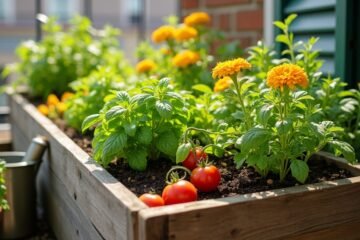
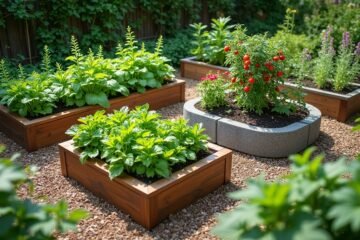
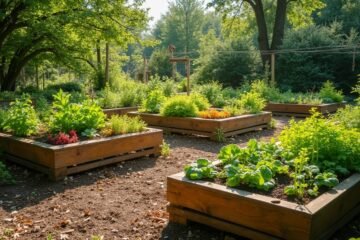
To keep your indoor garden thriving, dodge these three common blunders! First up, overwatering your plants can drown their roots—think of your plant as a swimmer who just can’t breathe! Next, ignoring light requirements leads to sad, wilting leaves; just like us, plants need sunshine! Finally, neglecting soil quality is like serving a gourmet meal on a paper plate—it just doesn’t work! With a little care and attention, you can create a vibrant indoor oasis—let’s explore more tips!
Overwatering Your Plants
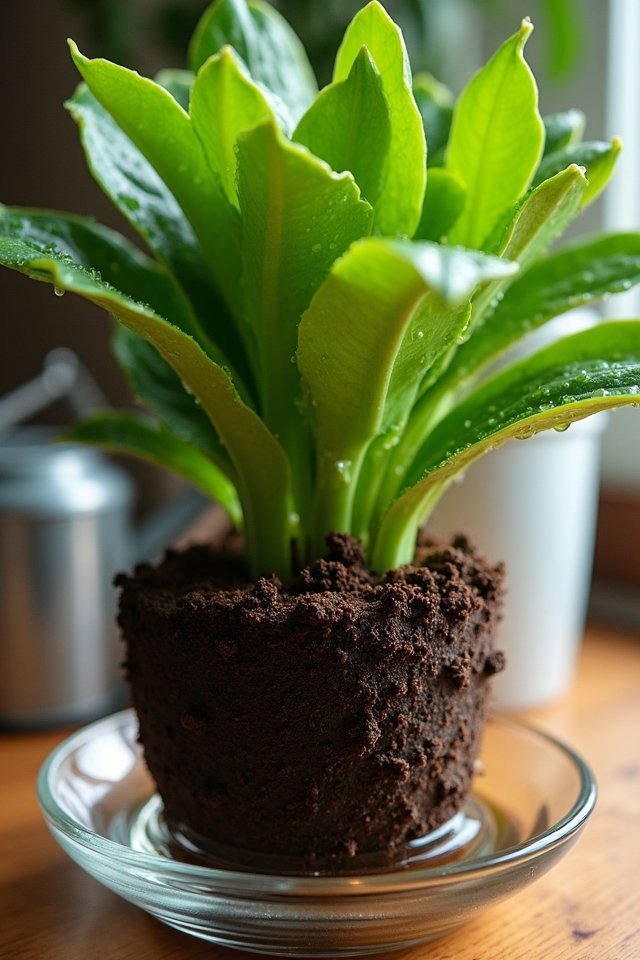
When you’re nurturing your indoor plants, it might feel like you’re giving them a cozy spa day every time you water them, but too much love can actually drown them! Overwatering can lead to root rot, where those precious roots suffocate in soggy soil, like a fish gasping for air. You want that delightful moisture retention, but balance is key! Consider using pots with drainage holes to let excess water escape. Feel the soil—if it’s constantly wet, your plant’s not happy! Imagine a wilted leaf drooping like a sad puppy; that’s your cue! So, keep an eye on your watering schedule, and let your plants thrive without the risk of becoming waterlogged. Happy gardening!
Ignoring Light Requirements
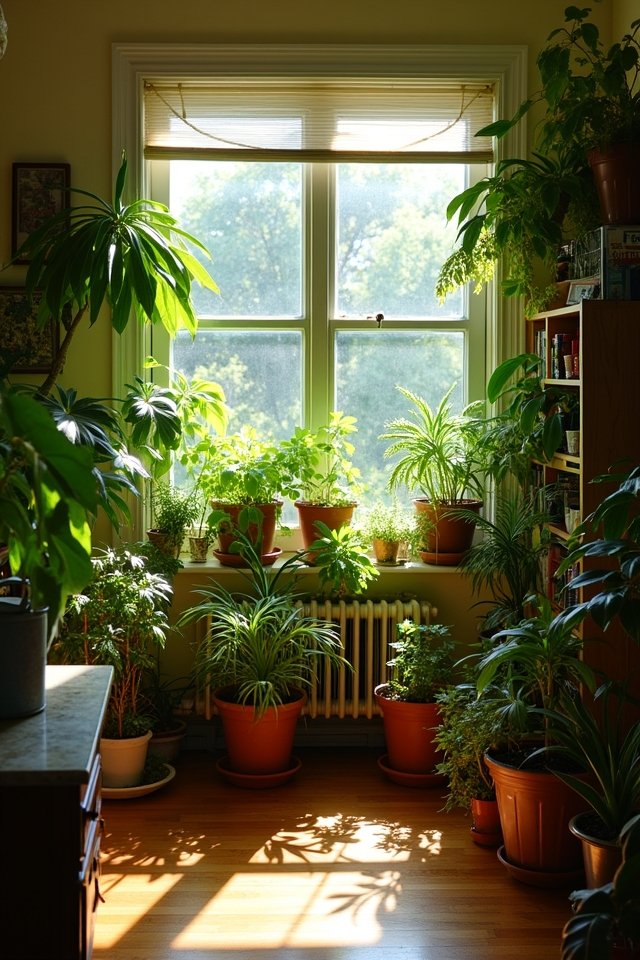
Light is like the sunshine for your indoor plants—without it, they can quickly turn from vibrant green to a sad, wilted version of themselves! Understanding light requirements is essential for flourishing greenery. Here are some tips to keep your plants beaming:
- Assess natural light: Position your plants near windows that receive ample sunlight, but beware of scorching rays!
- Utilize artificial lighting: If natural light’s shy, LED grow lights can mimic the sun’s warmth.
- Know your plants: Some thrive in low light, while others crave bright exposure—choose wisely!
Don’t let your plants suffer in the shadows! With the right light, you’ll create a lush indoor paradise that makes you smile every time you walk by! 🌱✨
Neglecting Soil Quality
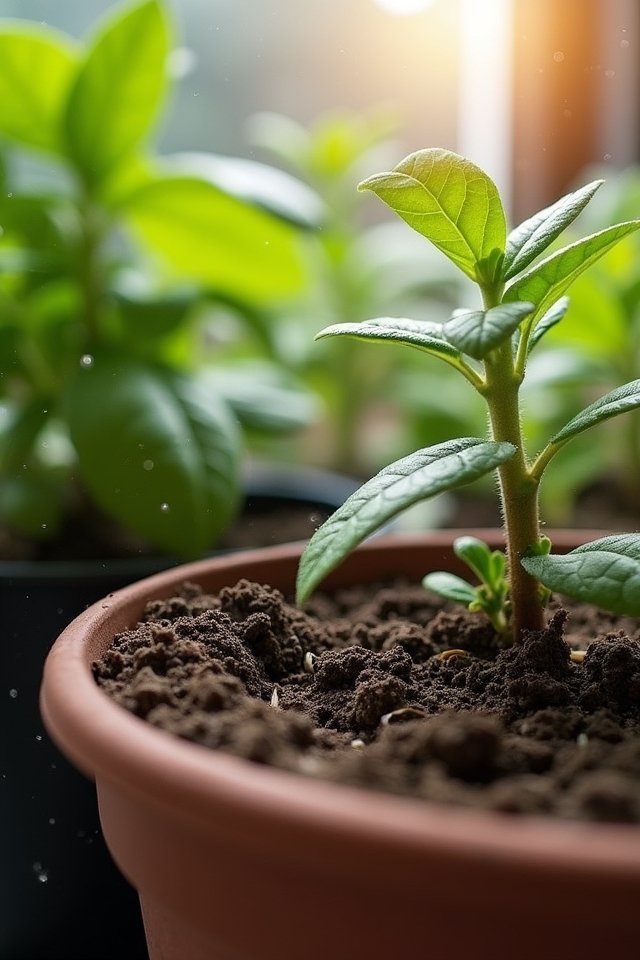
While you might think any old dirt will do, neglecting soil quality can lead your beloved plants to a sad fate! Imagine your plants struggling like a fish out of water, gasping for nutrients. The right soil composition is essential for thriving greenery! You need a mix that promotes good drainage while holding enough moisture for those thirsty roots.
A balanced nutrient profile is like a gourmet meal for your plants—packed with nitrogen, phosphorus, and potassium! So, when potting, skip the cheap stuff and opt for high-quality potting mix. Don’t just fill pots with dirt; think of it as a cozy home for your plants. Treat them right, and they’ll thank you with vibrant leaves and dazzling blooms!
Frequently Asked Questions
How Often Should I Fertilize My Indoor Plants?
You should fertilize your indoor plants every 4 to 6 weeks during the growing season! Think of fertilizer types as a buffet for your green friends. Liquid fertilizers are like fast food—quick energy boosts—while slow-release options are hearty meals that last longer. Just remember, overdoing it can lead to a plant meltdown! So, keep it balanced, and watch your plants thrive like they’re on a sunny vacation! Isn’t that exciting?
Can I Use Tap Water for My Plants?
Using tap water for your plants can feel like rolling the dice! Sometimes, it’s a winning bet, but watch out for chlorine effects. While most tap water is fine, if it smells like a public pool, let it sit for 24 hours to let the chemicals dissipate. Your plants will thank you! If you want to be extra cautious, consider filtered water—it’s like giving your green friends a luxurious spa day!
What Indoor Plants Are Best for Beginners?
If you’re diving into indoor gardening, you’ll love low light plants like snake plants and pothos! They’re as forgiving as a cozy blanket on a chilly day. Easy care succulents, such as jade plants, are perfect for busy lives—just a sprinkle of water now and then! You’ll feel like a plant whisperer! So, grab some pots and start your green journey—your home will feel more alive, and you’ll be amazed at how rewarding it is!
How Do I Recognize Pest Infestations Early?
Spotting pest infestations early can save your plant’s life! Look for early warning signs like tiny holes in leaves or sticky residue—think of it as your plant’s way of saying, “Help me!” Check for webs or tiny insects lurking under the leaves. Use pest identification tips like inspecting your plants regularly, especially after watering. If you see those critters, don’t panic! Just act quickly, and your green friends will thank you!
Is Humidity Important for Indoor Gardening?
Is humidity important for indoor gardening? Absolutely! Think of your plants like us—they need the right humidity levels to thrive, just like we crave a cozy atmosphere. Too dry and they wilt, too humid and they might just throw a temper tantrum! You’ve got to master humidity control, keeping it around 40-60%. Consider a humidifier or pebble trays for a happy, healthy jungle indoors. Your plants will thank you with lush, vibrant growth!