Controlling humidity for your indoor plants is easier than you think! First, mist your plants regularly, treating them like they’re on a tropical vacation. Use pebble trays filled with water for a little added moisture magic, or pop a humidity dome over your seedlings for a cozy environment. Mmm, that’s a spa day for your greens! Want more tips on keeping your plant pals happy and healthy? Stick around; there’s plenty more to explore!
Understanding Humidity and Its Importance for Plants
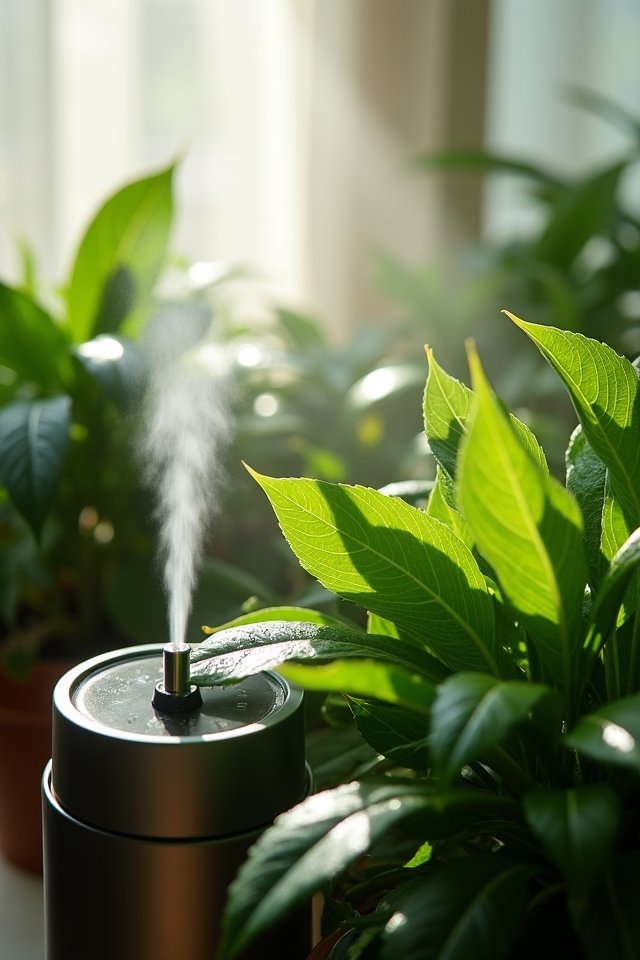
When you think about the cozy atmosphere of a rainforest, doesn’t it just make you want to breathe deeply? That’s the magic of humidity! For plants, humidity plays a crucial role in their physiology, especially in moisture absorption. Imagine your leafy friends sipping water through their leaves like a revitalizing drink on a hot day! High humidity helps prevent water loss, keeping those vibrant green leaves plump and happy. Without enough moisture in the air, plants can struggle, drooping like a sad flower in the sun. So, creating a humid environment not only boosts their health but also turns your space into a lush oasis! Who wouldn’t want that? Let’s get those plants thriving with the right humidity!
Ideal Humidity Levels for Different Indoor Plants

Did you know that different indoor plants thrive at varying humidity levels, just like people enjoy their favorite climates? Tropical plants, like your lush monstera or vibrant fern, love humidity levels between 60-80%. They’re the sun-soaked beachgoers of the plant world, craving that moist, steamy air! On the flip side, desert plants, such as succulents and cacti, prefer a drier environment, around 30-50% humidity. Think of them as the cool, laid-back desert dwellers, soaking up the sun with minimal fuss! To keep your indoor jungle thriving, it’s essential to match your plant’s humidity needs. So, are you ready to create the perfect atmosphere for your leafy companions? Your plants will thank you with vibrant growth and lush leaves!
Signs of Low Humidity in Indoor Plants
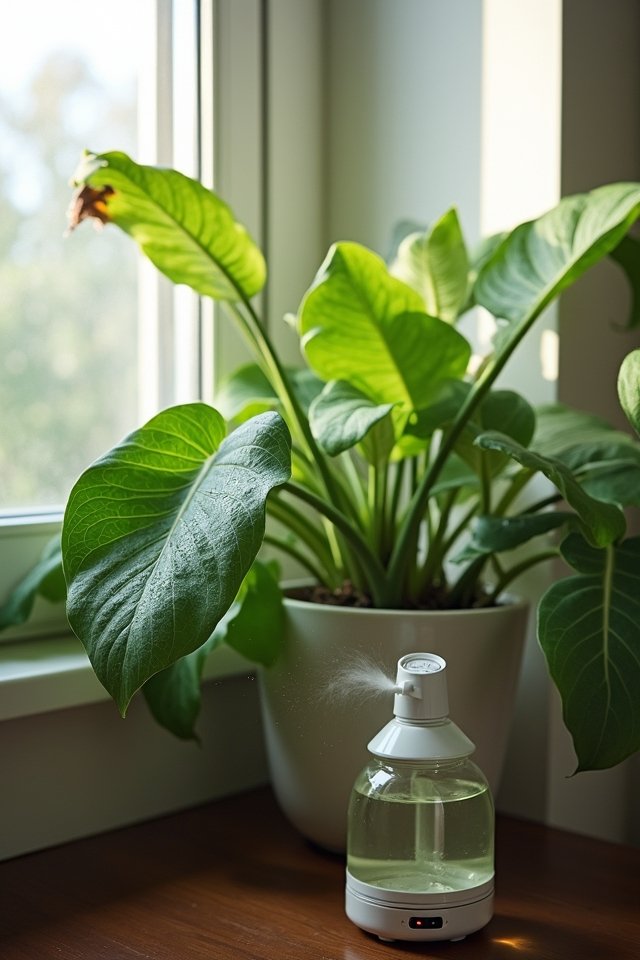
If you’ve noticed your indoor plants looking a bit under the weather, it might not be just your watering schedule! Low humidity can create quite the drama. Are your leaves curling like they’re trying to escape? That’s a classic sign! You might also spot leaf browning, where the edges turn crispy, resembling a sad, neglected snack. It’s like your plants are waving a little white flag, asking for help! Other signs include droopy stems and a general lack of vigor. They just seem tired, don’t they? If your once vibrant green companions have turned into a wilted version of themselves, it’s time to tune in! Don’t let them suffer in silence; they need your innovative touch to thrive!
Methods to Increase Humidity

To keep your indoor plants thriving, boosting humidity is key! Start by misting plants regularly; it’s like giving them a revitalizing shower! Pebble trays are another fantastic option. Just fill a tray with pebbles, add water, and place your plant pots on top for that extra moisture boost. Ever heard of humidity domes? They create a cozy, humid environment, perfect for nurturing tender seedlings. If you’re feeling adventurous, consider adding a small water feature, like a tabletop fountain. The gentle sound of trickling water not only elevates humidity but creates a serene atmosphere too! With these innovative methods, your plants will feel like they’re basking in a tropical rainforest—who knew indoor gardening could be this much fun?
Tools for Measuring Humidity

After you’ve boosted humidity for your indoor plants, it’s time to keep an eye on those levels! Enter humidity sensors and digital hygrometers—your new best friends in plant care. Imagine these nifty gadgets as the plant whisperers, letting you know when your green buddies are feeling parched or perfectly cozy. With a quick glance, you’ll spot the ideal humidity range, ensuring your plants thrive like they’re on a tropical vacation! Digital hygrometers, in particular, are super user-friendly, often displaying real-time readings on a bright screen. Plus, many humidity sensors are compact and stylish, fitting seamlessly into your plant sanctuary. Keeping tabs on humidity levels doesn’t have to be a chore; it can be a fun part of your plant-parenting adventure!
Creating a Humidity-Friendly Environment

Creating a humidity-friendly environment for your indoor plants is like throwing a fabulous party where everyone feels welcome and comfortable! To keep your humidity plants thriving, you’ll want to set the stage with a few essential humidity sources. Here’s how:
- Grouping Plants: Cluster your plants together—like best friends at a party! They’ll share moisture and create a cozy atmosphere.
- Using Pebble Trays: Fill trays with water and pebbles. As water evaporates, it’ll increase humidity around your plants!
- Misting: Give your plants a sprinkle every few days. It’s like a rejuvenating shower!
- Humidifiers: Invest in a stylish humidifier. It not only looks chic but works wonders for humidity levels!
With these strategies, your plants will feel right at home!
Seasonal Considerations for Humidity Control

As the seasons change, so do the needs of your indoor plants, especially when it comes to humidity control! During winter, indoor air can get as dry as a desert, leaving your tropical beauties gasping for moisture. You’ll want to ramp up that seasonal humidity with a humidifier or a pebble tray filled with water. Come spring and summer, when humidity rises, your plants might flourish, but don’t get complacent! They still crave balanced moisture. Monitor them closely; over-humidifying can lead to moldy mayhem! Remember, every plant has its own adaptation style. Some thrive in higher humidity, while others prefer drier air. Welcome the seasons, and your plants will thank you with vibrant growth and lush leaves!
Troubleshooting Humidity Issues

When your plants start looking a bit droopy or their leaves develop those pesky brown tips, it’s time to troubleshoot humidity issues! You don’t want your green buddies to suffer from humidity fluctuations or plant stress. Here are four quick fixes to revive them:
- Check Your Humidity Levels: Use a hygrometer to monitor the room’s moisture.
- Group Your Plants: Cluster them together to create a mini rainforest effect!
- Misting Magic: Lightly mist your plants in the morning for an instant boost.
- Humidity Tray: Place your pots on a tray filled with water and pebbles to enhance moisture.
Frequently Asked Questions
Can Humidity Levels Affect Indoor Air Quality?
Humidity levels can dramatically affect indoor air quality. Too much humidity invites mold, like an unwelcome party crasher, while too little can dry out your skin and sinuses. Imagine walking into a room that feels like a sauna versus one that’s crisp and invigorating—huge difference, right? Maintaining the right humidity creates a cozy atmosphere that’s not just comfortable, but also healthier for you! So, keep it balanced for happy breathing!
How Often Should I Check Humidity Levels?
Checking humidity levels is like monitoring a pot of boiling water—too little steam and it’s dry, too much and it’s a mess! You should check your humidity monitoring devices at least once a week, especially if you want to maintain those ideal levels for your indoor plants. Just think, a quick glance can save your greens from wilting or over-hydration! Keep that moisture balanced and your plants will thrive! Always stay vigilant!
Do Different Rooms Require Different Humidity Levels?
Different rooms definitely need different humidity levels. Think about your living room—it’s usually drier, so keep it around 30-50% humidity. Now, your bathroom? It’s a humidity haven! Aim for 50-70% there. Your plants will thank you! Imagine lush leaves soaking up that moisture, thriving like they’re on a tropical vacation! So, adjust your humidifiers and create the perfect oasis for your green buddies! Who knew room humidity could be this exciting?
Can Over-Hydrating Plants Cause Humidity Problems?
Over-hydrating your plants can definitely cause humidity problems! Think of it like a sponge, soaking up too much water—eventually, it drips! Excessive moisture leads to mold, musty odors, and unhappy plants. You might notice your air feels heavy, almost like being in a sauna! Instead of drowning them, balance is key: let the soil dry out between waterings. Your plants will thank you with vibrant leaves and a happier home atmosphere!
What Common Household Items Can Increase Humidity?
Want to boost humidity at home? You’ve got options! Misting plants with water is like giving them a revitalizing shower, making them perk up! Try pebble trays, too—place those trays filled with water beneath your pots. As the water evaporates, it creates a cozy, humid atmosphere. Who knew that simple household items could work wonders? So, let your plants bask in that moisture and thrive like they’re on a tropical vacation!