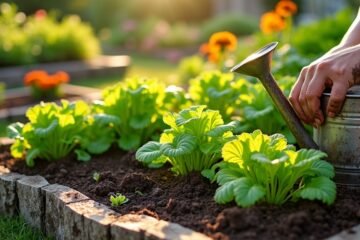
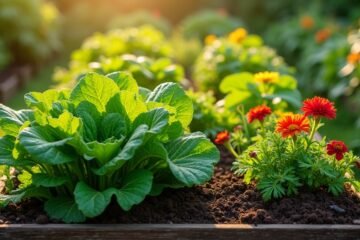
To help your indoor plants truly thrive, aim for the perfect humidity! Think of tropical ferns soaking in 50-70% humidity, feeling like they’re on a vacation in a rainforest. Meanwhile, your succulent pals prefer a cozy 30-40%, keeping their leaves perky and hydrated. If leaves look sad or the soil’s dry, it’s time to boost humidity! Discover more ways to create this ideal environment for your leafy friends, because they deserve a pampered life too!
Understanding Plant Humidity Needs

When it comes to indoor plants, humidity is like the cozy blanket that keeps them snug and happy! Different plant species have unique humidity preferences, and knowing these can make all the difference. For instance, tropical beauties like ferns thrive in high humidity, while succulents prefer drier conditions. Imagine your fern basking in a steamy environment, its leaves unfurling like a dancer on stage! Isn’t that a lovely picture? You wouldn’t want to give your cactus a sauna treatment—yikes! Understanding these preferences helps you create the perfect atmosphere. So, whether you’re misting your plants or using a humidifier, keep their needs in mind! After all, a little humidity can turn your indoor jungle into a vibrant paradise!
Ideal Humidity Levels for Common Indoor Plants

Finding the right humidity levels for your indoor plants can feel like trying to solve a delightful puzzle! For humidity-sensitive plants like ferns and orchids, aim for 50-70% humidity. They thrive in moisture-rich environments, just like us on a sunny beach! On the other hand, succulents and cacti prefer a drier atmosphere, around 30-40%. You can’t go wrong with humidity measurement tools—think hygrometers! These handy gadgets help you keep tabs on moisture levels, ensuring your leafy friends get just what they need. Remember, a little extra humidity can work wonders, especially in winter months. So, keep experimenting and watch your plants flourish—who knew humidity could be so exciting? Happy plant parenting!
Signs of Low Humidity in Indoor Plants

Have you ever noticed your beloved plants looking a little droopy or sad? That’s often a sign of low humidity! When your plants experience humidity stress, they might start to show some telltale signs. You’ll see curling leaves, a crisp texture, or even plant wilting—yikes! If the soil feels dry, it’s a cry for help. You might catch those leaves turning brown at the tips, resembling burnt toast. Don’t ignore it! A simple humidity gauge can be a game changer. Think of it like a spa day for your greenery! By creating a cozy, humid environment, you’ll watch your plants perk up and thrive, almost like they’re giving you a high-five for your efforts! 🌿✨
Signs of High Humidity in Indoor Plants

Though you might think high humidity is a blessing for your indoor plants, it can actually lead to some not-so-pleasant signs! One major red flag is mold growth, creeping over the soil like an unwelcome guest at a party. Not only is it unsightly, but it can harm your plants too! You might also notice leaf curling, where your once-proud foliage looks more like a sad taco than a vibrant leaf. It’s as if your plants are saying, “Help us!” When you see these signs, it’s time to take action. Remember, while plants need moisture, they don’t want to drown in it! Keep an eye out, and your green friends will thrive to their fullest potential!
Methods to Increase Indoor Humidity
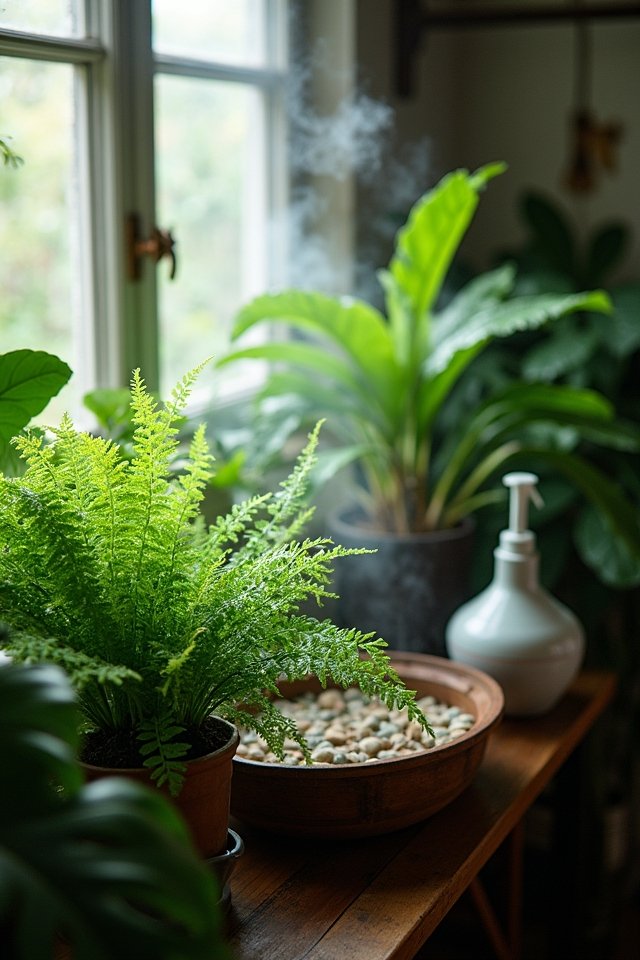
If your indoor plants are showing signs of distress from high humidity, you might be wondering how to create a more balanced environment for them. One innovative trick is using misting techniques! Spritz your plants with water a few times a week, creating a rejuvenating rainforest vibe. Just imagine how happy they’ll be! Another great method involves pebble trays. Place a shallow dish filled with pebbles and water under your plants. As the water evaporates, it’ll raise the humidity around them—like a mini spa day! Want to go the extra mile? Group your plants together; they’ll naturally boost each other’s humidity. With these simple yet effective methods, your plants will flourish in their cozy, humid paradise!
Methods to Decrease Indoor Humidity
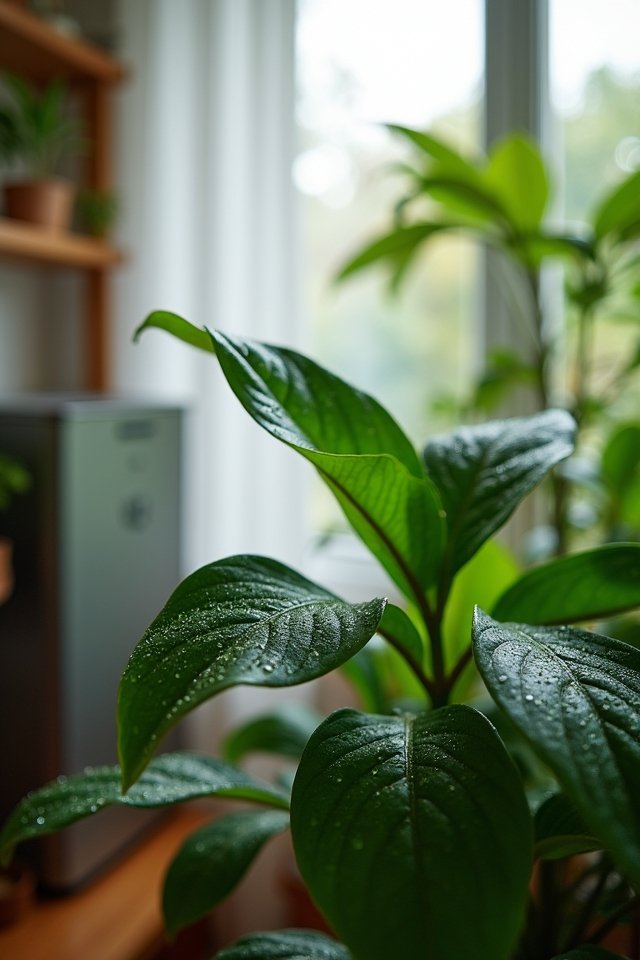
While you might think humidity is always a friend to your indoor plants, sometimes it can feel more like an uninvited guest! If your plants are wilting under excessive moisture, it’s time to take action. Adopt dehumidifying techniques like using a dehumidifier, which acts like a superhero, zapping away excess moisture! You can also introduce moisture absorbers, such as silica gel packs or activated charcoal, strategically placed around your plants. These nifty little gadgets can work wonders! Remember to keep your watering routine in check, too—overwatering is often the culprit. So, why let humidity crash your plant party? With these clever strategies, you’ll create a perfect environment where your green friends can thrive!
Using Humidifiers for Plant Care
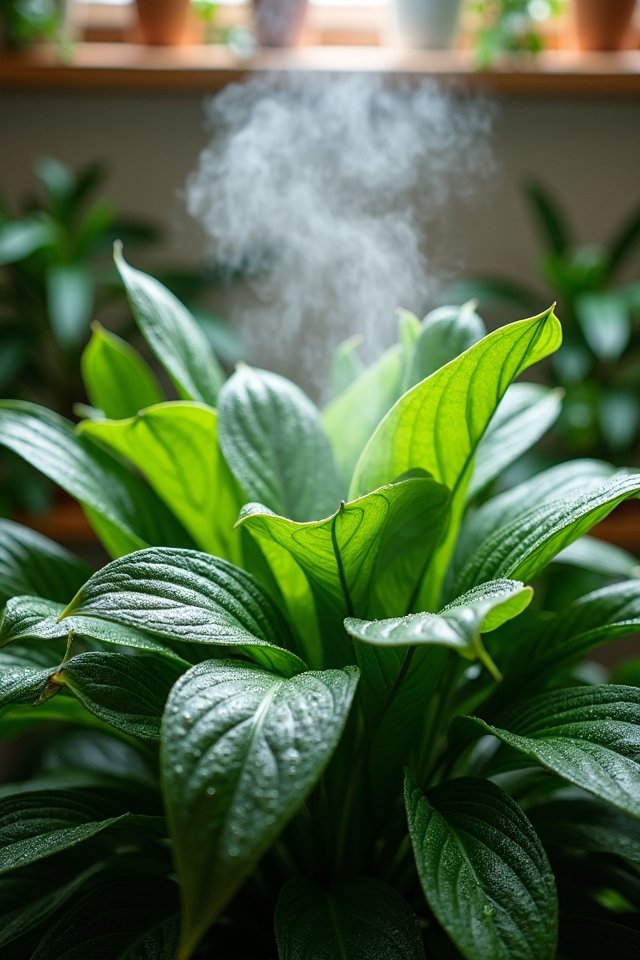
When you want to give your indoor plants a little slice of paradise, using a humidifier can be your secret weapon! Imagine your leafy friends basking in a warm, misty atmosphere that mimics their natural habitat. There are various humidifier types, like cool mist or ultrasonic, each with its own charming benefits. You’ll want to think about ideal placement too; positioning the humidifier near your plants creates a lovely microclimate! This way, they absorb that delicious moisture while you enjoy a cozy ambiance. Just picture the vibrant greens and luscious leaves thriving—it’s like bringing a mini rainforest into your home! So, don’t wait! Elevate your plant care game with a humidifier and watch those beauties flourish!
Grouping Plants for Natural Humidity

Creating a little plant paradise in your home isn’t just about humidifiers—grouping your plants together can work wonders too! When you cluster your greenery, you form mini humidity zones, where moisture-loving plants support each other like best friends at a cozy café. Think of companion planting: a leafy bromeliad with a fern! They’ll create a delightful microclimate, boosting humidity as they transpire. Plus, who doesn’t love a lush, vibrant display? Imagine how stunning your plant corner will look! Just remember to vary the heights and shapes for visual interest. So, grab those pots and let your plants mingle! They’ll thrive together, and you’ll enjoy the beauty and benefits of a thriving indoor jungle—without a humidifier in sight!
Seasonal Changes and Humidity Adjustments

As the seasons change, so do the needs of your indoor plants, and that includes humidity levels! During seasonal shifts, you’ll notice significant humidity fluctuations that can leave your leafy friends feeling a bit parched. In winter, when the air gets dry and cozy, consider misting your plants or placing a humidifier nearby. Think of it as a spa day for your ferns! On the flip side, summer brings higher humidity—perfect for tropical plants to thrive. Just don’t let the air become too muggy, or you’ll invite unwanted pests. By adjusting humidity as the seasons turn, you’re not just being a good plant parent; you’re creating a thriving indoor jungle that sings with life! Isn’t that what we all want?
Monitoring Humidity Levels Effectively
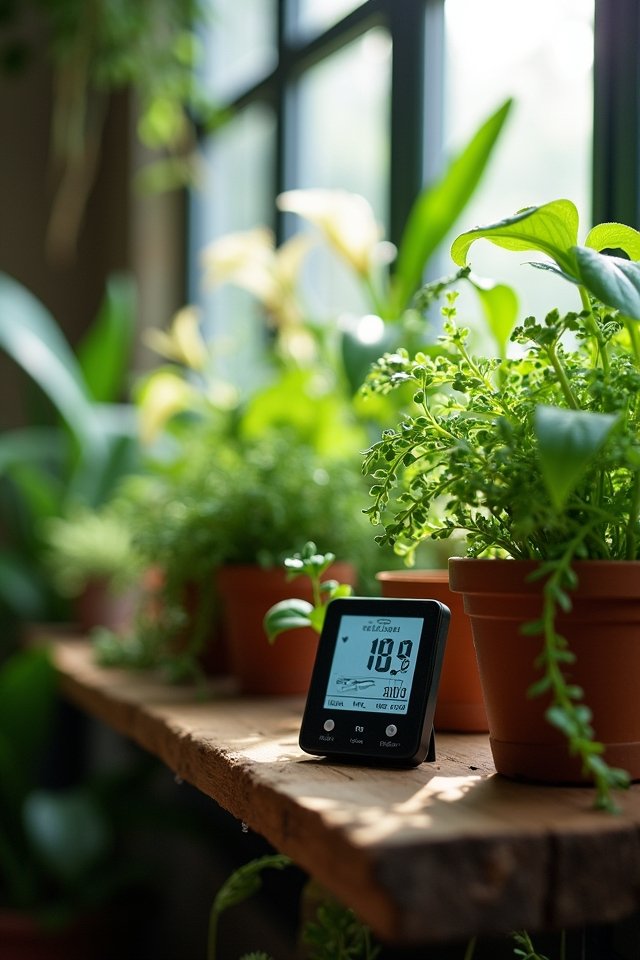
How can you keep your indoor plants happy and flourishing? Effective humidity monitoring is essential for moisture control! Here’s how you can make it easy and fun:
- Use a Hygrometer: This gadget tells you exactly how humid your space is. It’s like a weather station for your plants!
- Group Plants Together: They love a little socializing, which helps maintain humidity levels. Think of it as a cozy plant party!
- Misting: Give your plants a revitalizing spray now and then! It’s like a spa day for them.
- Invest in a Humidifier: This innovative tool can create the perfect environment, making your plants thrive like never before!
Frequently Asked Questions
Can Certain Plants Thrive in Varying Humidity Levels?
Certain plants can thrive in varying humidity levels, thanks to their unique humidity preferences and plant adaptability. For instance, succulents enjoy dry air, while ferns crave that tropical humidity! Isn’t it amazing how some plants can feel at home in a desert, while others flourish in a rainforest? So, whether you’ve got a sunny windowsill or a steamy bathroom, there’s a perfect plant waiting to join your indoor jungle! Isn’t that exciting?
How Does Humidity Affect Plant Growth Rates?
Humidity’s like a cozy blanket for your plants! When you measure humidity, you’re checking their comfort level. Higher humidity often boosts growth rates, making leaves lush and vibrant! Imagine your plants partying in a spa-like atmosphere—who wouldn’t thrive? But too much moisture can lead to mildew mayhem. So, striking a balance is key! Keep an eye on humidity levels, and watch your green friends flourish like never before! Who knew science could be so fun?
Do Indoor Plants Benefit From Outdoor Humidity?
Just like your favorite summer vacation spot, outdoor humidity can work wonders for your indoor plants! They thrive on that invigorating moisture, promoting plant adaptation and growth. If you bring them outside for a little while, they’ll soak up the benefits. But watch out for extreme conditions! Too much humidity can make them feel like they’re drowning. So, keep it balanced and watch your leafy friends flourish like never before! 🌱
Can Humidity Impact Pest Infestations in Plants?
Humidity levels can greatly affect pest resistance in your plants. When humidity’s just right, it creates a cozy environment that encourages beneficial insects while discouraging pesky invaders. Think of it like a plant spa day! Too much dryness, and those nasty pests feel right at home, multiplying like rabbits! So, keep an eye on moisture, and your plants will thank you by thriving beautifully and staying pest-free! How cool is that?
What Are the Best Plant Species for Dry Environments?
Ever wondered how some plants thrive in dry, arid environments? You can’t go wrong with cactus species! They’re the superheroes of drought-tolerant plants, flaunting their resilience like a badge of honor. Think of the charming Echinocactus or the striking Saguaro—both stand tall, soaking up sunshine while needing little water. If you’re looking to spice up your space with low-maintenance greenery, these beauties are your best bet! Who wouldn’t love that?