Caring for your raised bed garden is a delightful journey! Start with a rich soil mix of loamy goodness and compost, ensuring your plants feel pampered. Water efficiently with drip irrigation – plants love a rejuvenating morning drink! Keep pesky weeds and pests at bay by hand-pulling and inviting friendly ladybugs over for a snack! Regularly nourish your plants with organic fertilizers, and don’t forget to switch things up with seasonal crops. Want to uncover more secrets?
Choosing the Right Soil Mix
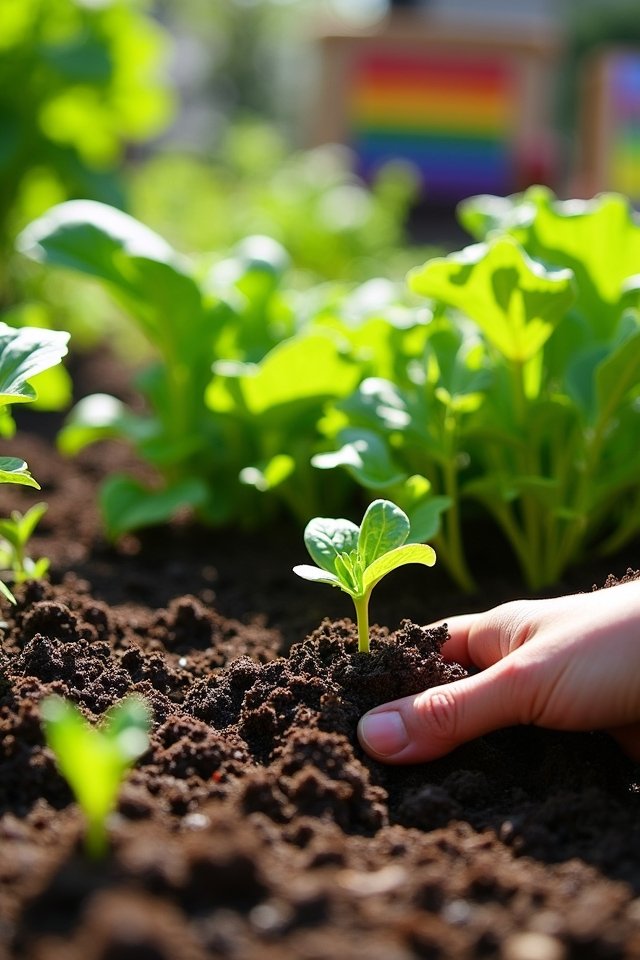
When it comes to choosing the right soil mix for your raised bed garden, think of it as picking the perfect recipe for a delicious cake—you want all the right ingredients to create something amazing! Start with a soil composition analysis to understand what you need. Aim for a blend that includes rich organic matter incorporation, like compost or well-rotted manure. This guarantees your plants have the nutrients they crave! You wouldn’t bake a cake without sugar, right? Similarly, don’t skimp on quality ingredients. A mix of loamy soil, perlite for drainage, and that scrumptious organic matter will have your plants thriving! So, roll up your sleeves and whip up that perfect soil concoction—your garden will thank you with bountiful harvests!
Watering Techniques for Optimal Growth
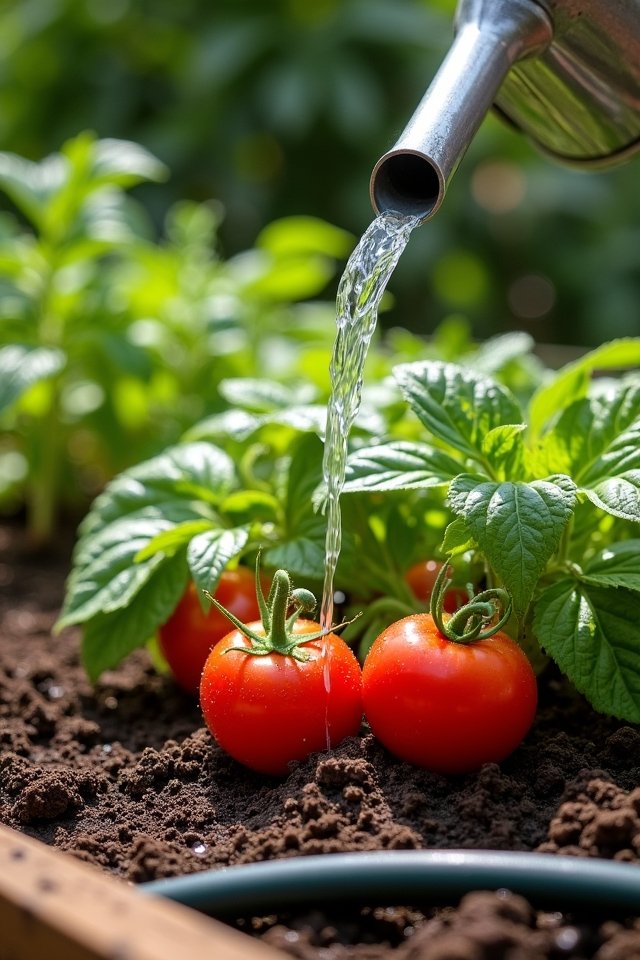
To guarantee your plants flourish like they’re on a tropical vacation, mastering the art of watering is key! You want them sipping on just the right amount of water. Drip irrigation is your best friend; it delivers moisture directly to the roots, ensuring they’re happy and hydrated. Plus, it’s super efficient!
Here are some innovative techniques to boost moisture retention:
- Mulching: Layering organic materials helps keep that precious moisture locked in.
- Timing: Water early in the morning or late in the evening; it reduces evaporation and lets your plants drink deeply.
- Soil Testing: Regularly check moisture levels with a simple finger test—if it’s dry, time to water!
Your plants will thank you with vibrant growth!
Regular Weeding and Pest Control
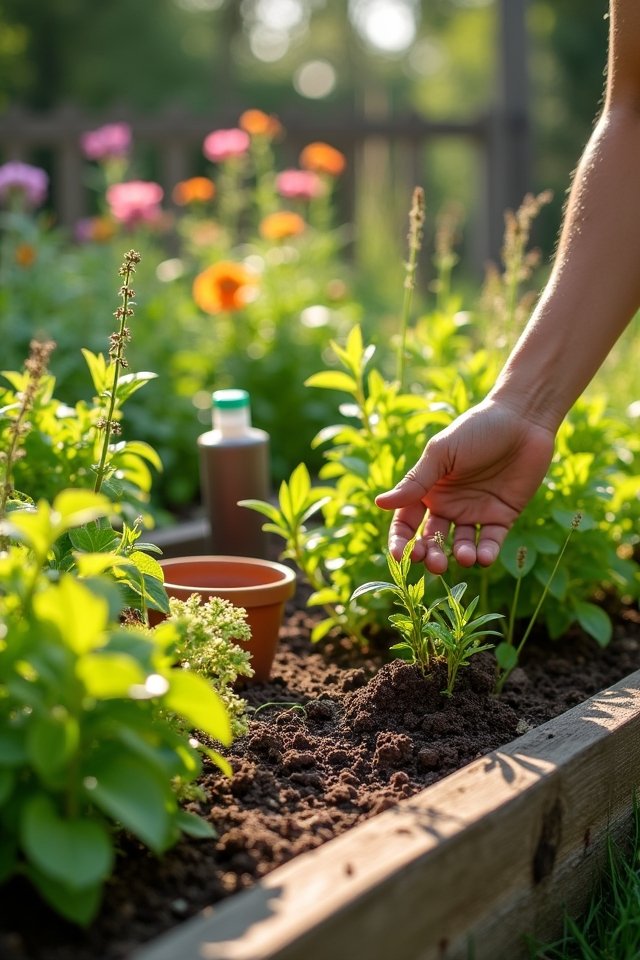
Your garden’s thriving, and those plants are soaking up all that water like sponges! But wait—are those pesky weeds sneaking in? Regular weeding is essential. Use strategies like mulching or hand-pulling to keep them at bay. Imagine your plants basking in the sun without competition for nutrients!
Now, let’s talk about organic pest control. Ever considered introducing ladybugs? They’re like tiny superheroes, swooping in to munch on aphids! You can also sprinkle diatomaceous earth around your plants—it’s like a protective shield against unwanted guests.
Staying proactive is key! Check your plants weekly; it’s way easier to tackle a small issue than a garden takeover. So, roll up your sleeves, and let’s keep that garden dazzling!
Fertilization and Nutrient Management
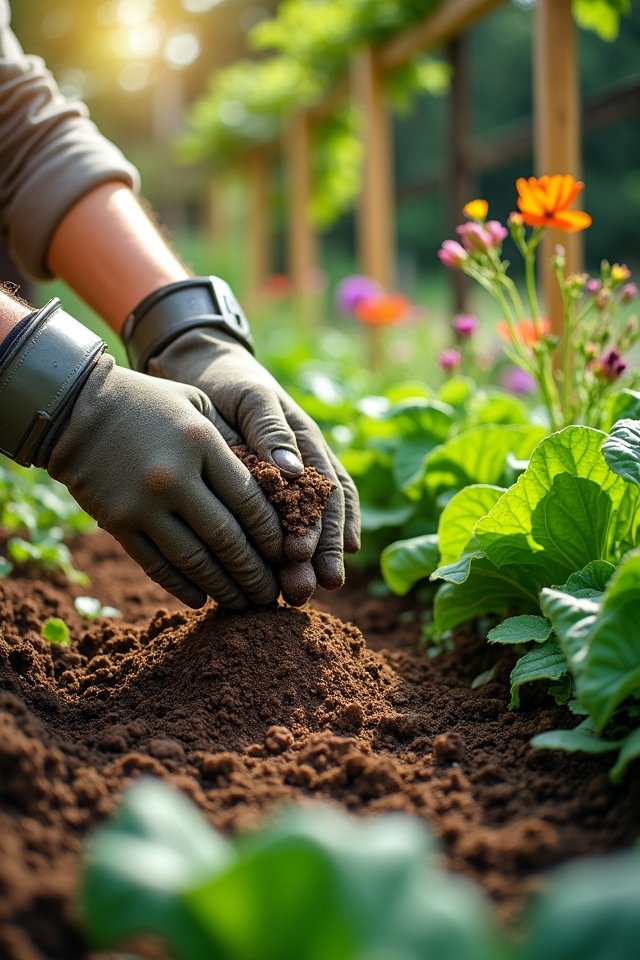
A thriving garden isn’t just about sunshine and water; it craves nutrients like a hungry toddler at snack time! To keep your plants dancing with joy, focus on fertilization and nutrient management. Start with organic fertilizers—think compost, worm castings, or fish emulsion—that’ll feed your soil and plants naturally.
Consider these essential tips:
- Conduct nutrient testing to find out what your soil really needs.
- Apply organic fertilizers regularly to boost plant health and growth.
- Rotate your nutrients by alternating fertilizer types to keep the soil lively and vibrant.
Seasonal Planting and Crop Rotation
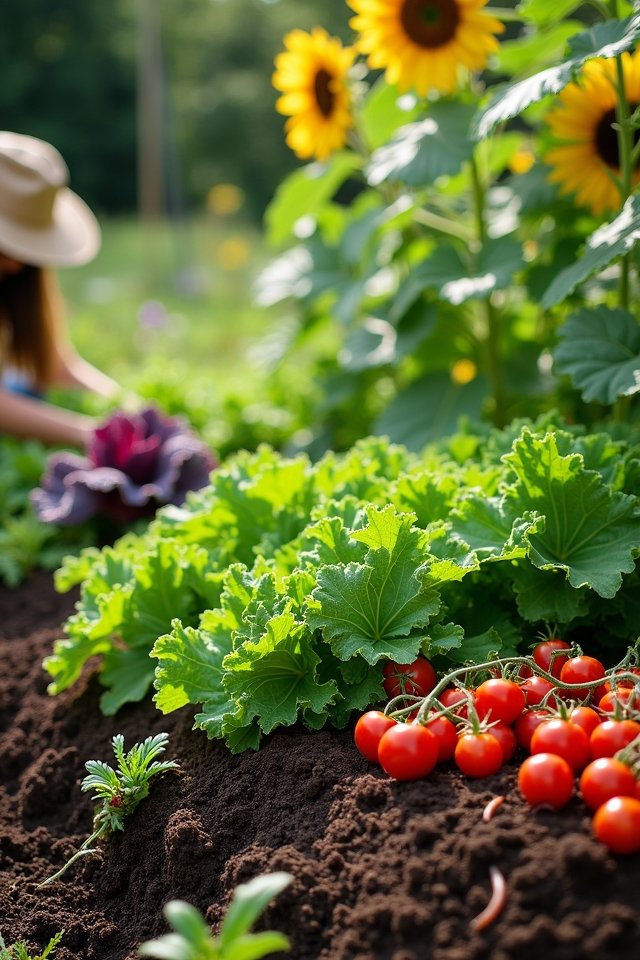
When it comes to keeping your garden thriving, knowing when and what to plant can be as satisfying as biting into a perfectly ripe tomato! Spring planting is your chance to welcome colorful veggies like radishes, snap peas, and vibrant greens. Rotate your crops each year to keep pests guessing and soil nutrients balanced—think of it as a dance party for your plants! As you shift into fall harvesting, savor the sweet crunch of carrots or the rich flavors of squash. Remember, planting isn’t just about what you put in the ground; it’s about creating a lively ecosystem. So, don’t shy away from experimenting! Your raised bed garden will thank you with bountiful harvests and a feast for the senses!
Preparing for Winter and Off-Season Care
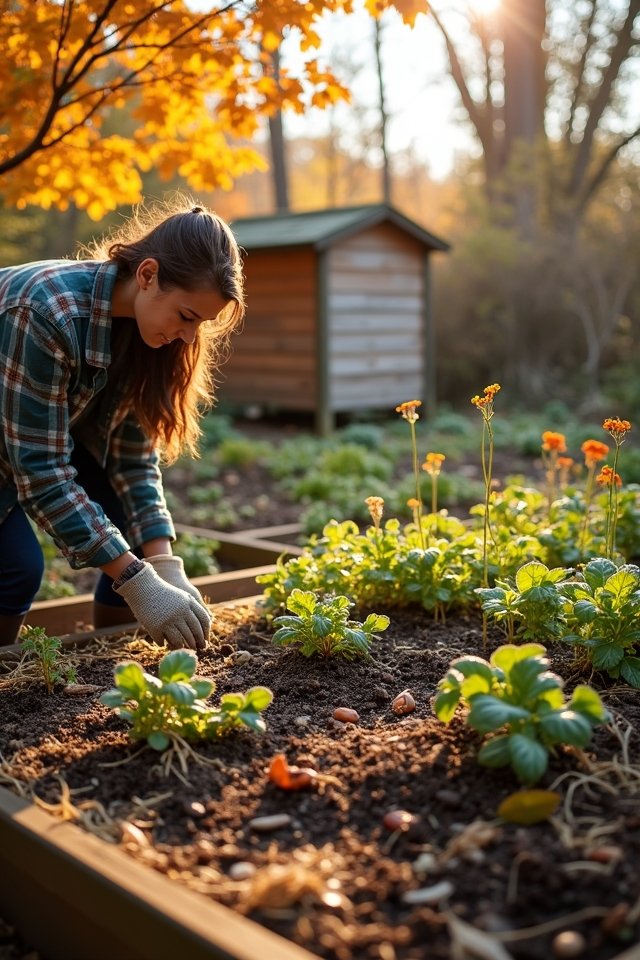
As the days grow shorter and the air turns crisp, it’s time to tuck your raised bed garden in for a cozy winter slumber! Don’t worry, you can still keep the magic alive with a little off-season planting and some protective winter mulching. Here’s how:
- Layer on the mulch: Create a warm blanket of straw or shredded leaves to protect your soil and roots.
- Plant winter crops: Think garlic or cold-hardy greens that thrive even under a blanket of snow!
- Prepare your soil: Add compost or organic matter to boost nutrients for spring’s awakening.
Your garden deserves a restful winter, just like you do after holiday feasts. So, give it a little love, and watch it spring back to life!
Frequently Asked Questions
Can I Grow Flowers in My Raised Bed Garden?
Absolutely, you can grow a stunning array of flower varieties in your raised bed garden! Imagine vibrant marigolds and fragrant lavender dancing in the breeze! For planting tips, space them well to allow for airflow, and consider companion planting to boost their growth. Don’t forget to add compost for a nutrient-rich feast! Isn’t it exciting to think of your garden bursting with color and joy? Get ready to dig in and create your floral paradise!
How Deep Should My Raised Bed Be for Vegetables?
When you’re planning your raised bed, think about the ideal depth for vegetable growth! A depth of 12 to 18 inches will give your veggies plenty of room to stretch their roots. Just imagine those carrots diving deep, those tomatoes reaching for the sky! If you go deeper, you’re inviting more nutrients and moisture. So, dig in and create a garden that’s bursting with life and flavor! Ready to make your veggies thrive?
What Materials Are Best for Building Raised Beds?
When you’re building raised beds, think about your materials! Wood options like cedar and redwood are fantastic—durable and naturally resistant to decay. They smell great too! If you’re feeling adventurous, metal choices like galvanized steel add a modern twist, giving your garden a sleek look! Just imagine the vibrant greens against shiny silver! So, what’ll it be? Classic warmth or contemporary flair? Either way, you’re bound to create a stunning garden masterpiece!
How Do I Improve Soil Drainage in My Raised Bed?
You might think improving soil drainage is an intimidating task, but it’s easier than you’d expect! Start by mixing in soil amendments like compost or perlite to create a fluffy, well-aerated mix. If water’s pooling like a lake, consider adding drainage solutions such as gravel or sand at the bottom of your bed. Your plants will thank you, flourishing in their new, perfectly drained paradise! So, let’s get those roots dancing!
Can I Use Compost From My Kitchen Scraps?
Absolutely, you can use compost from your kitchen scraps! It’s like giving your garden a delicious feast! Kitchen waste, like veggie peels and coffee grounds, adds nutrients and improves soil structure. Just imagine your plants thriving, reaching for the sun, fueled by your eco-friendly efforts! Plus, composting reduces waste, so it’s a win-win! Don’t let those scraps go to waste; let them work their magic in your garden! Isn’t that just brilliant?