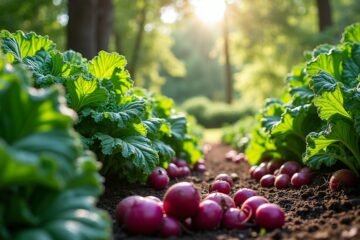
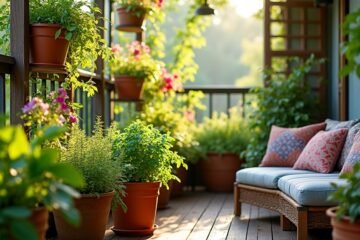
Boosting vegetable yields in small gardens is totally possible! Start with compact varieties like ‘Tiny Tim’ tomatoes or ‘Baby Belle’ peppers; they pack big flavor in tiny spaces. Try intercropping—plant fast-growing radishes alongside slower spinach for double the harvest. Vertical gardening‘s your best friend; think trellises for climbing beans and cucumbers! Don’t forget to enrich your soil with compost and worm castings for healthier plants. Want to reveal even more garden secrets? Stick around and discover more tips!
Choosing Compact Vegetable Varieties
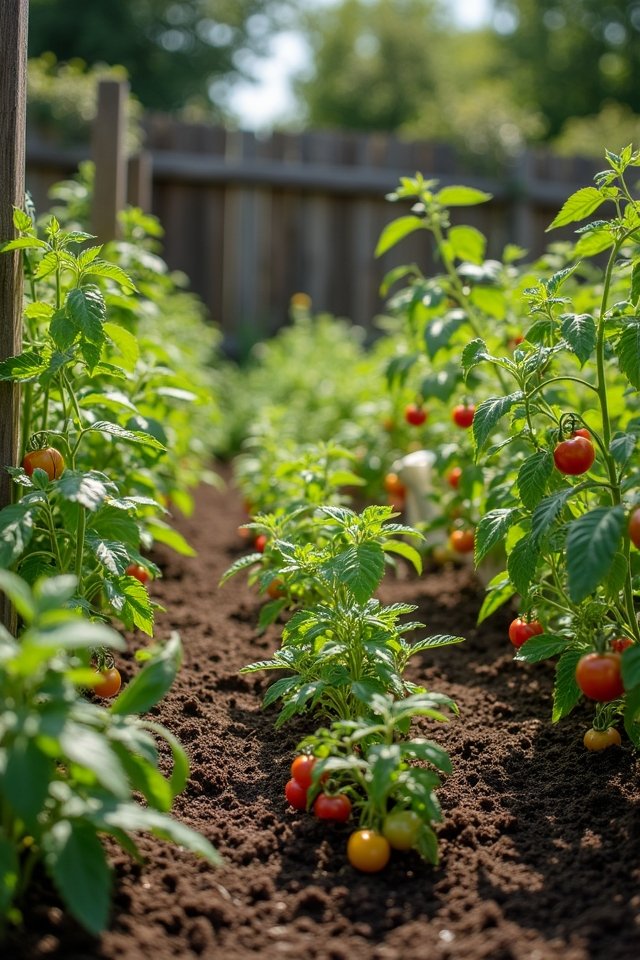
When you’re diving into the world of small gardening, choosing compact vegetable varieties can feel like finding treasure in your backyard! These petite plants—like ‘Tiny Tim’ tomatoes or ‘Baby Belle’ peppers—are game-changers for your limited space. Instead of sprawling vines, these little gems grow upwards or stay neatly bushy, letting you fit more into your plot. Imagine plucking fresh cherry tomatoes while barely bending down! Plus, they often boast rich flavors that can rival their larger cousins. Who knew small could taste so divine? Welcome innovation as you explore dual-purpose veggies, like ‘Patio Star’ eggplant. They’ll not only save space but also spice up your dishes! So start your mini vegetable adventure today—it’s time to grow big flavors in small spaces!
Intercropping Techniques for Better Space Utilization
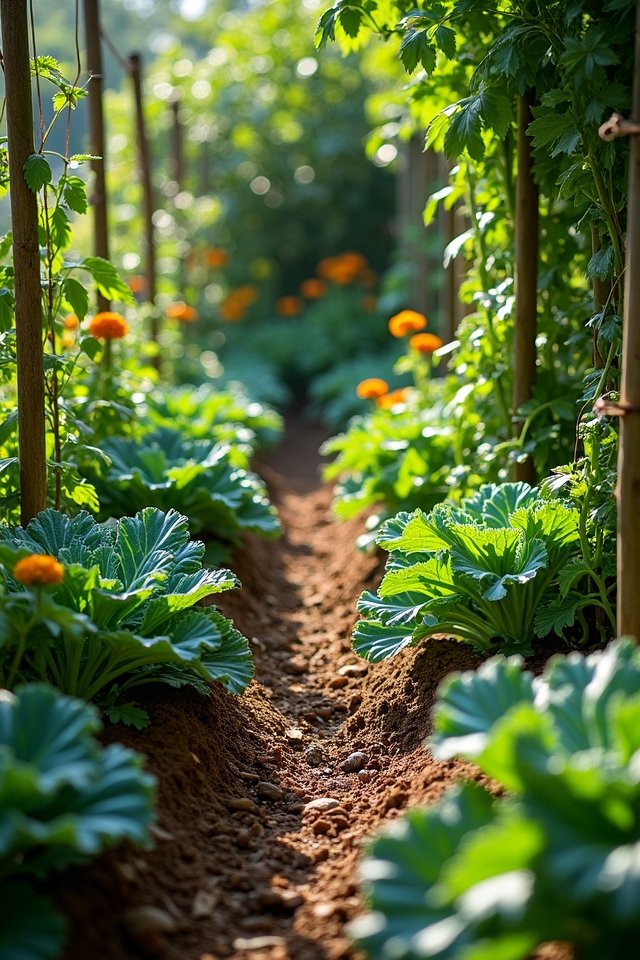
Imagine stepping into your garden and finding a delightful patchwork of colors and shapes, all thriving in perfect harmony! Intercropping’s your secret weapon! It’s like giving your veggies a buddy system. For instance, plant fast-growing radishes alongside slow-er spinach; the radishes’ll pop up first, breaking up the soil while providing a cozy shade for the spinach beneath. You’ll maximize those precious square feet while minimizing pests! Or try combining tall corn with bushy beans—it’s nature’s dynamic duo as the beans climb up, using the corn as a trellis. Who knew teamwork could be so tasty? So get adventurous, mix and match those crops, and enjoy the bountiful results of your innovative garden! Are you ready to become an intercropping maestro?
Vertical Gardening Solutions
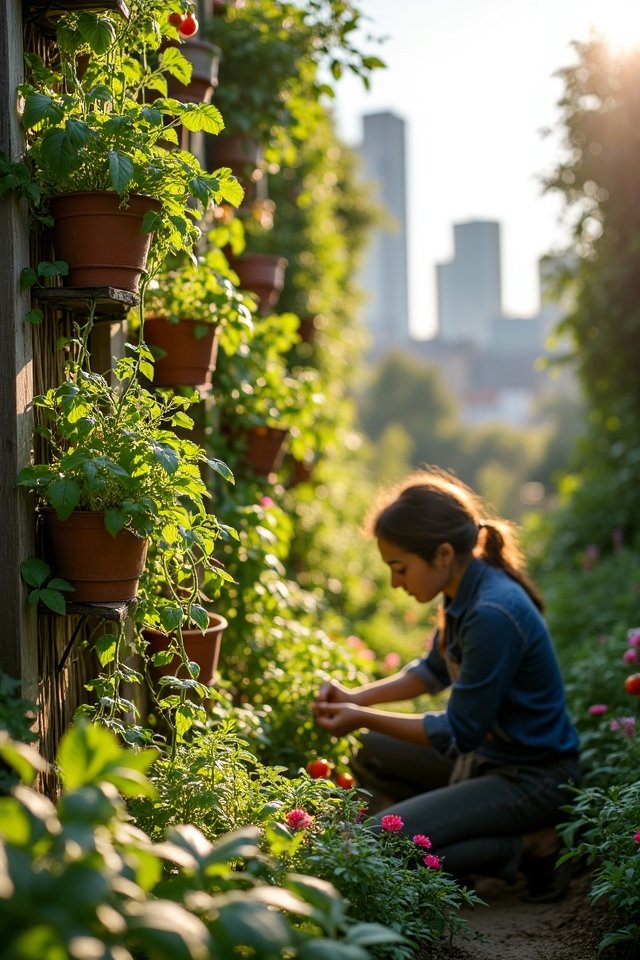
Think about all that untapped space in your garden—why not take advantage of it? Vertical gardening’s like giving your vegetables a high-rise apartment! You can use trellises for climbing beans, hearty tomatoes, and crunchy cucumbers, turning your fence into a green canvas. Or, try stacking planters; it’s like a tiered cake of lush, leafy goodness! Imagine plucking fresh herbs from hanging planters right outside your door. Don’t forget the wall-mounted pockets—perfect for strawberries that dangle like cheerful ornaments! Using these methods, you’ll save space and add dimension. It’s a garden that reaches for the sky! Isn’t that exciting? Your harvest could soar, giving you a bountiful display while you become the envy of your gardening friends!
Succession Planting to Maximize Output
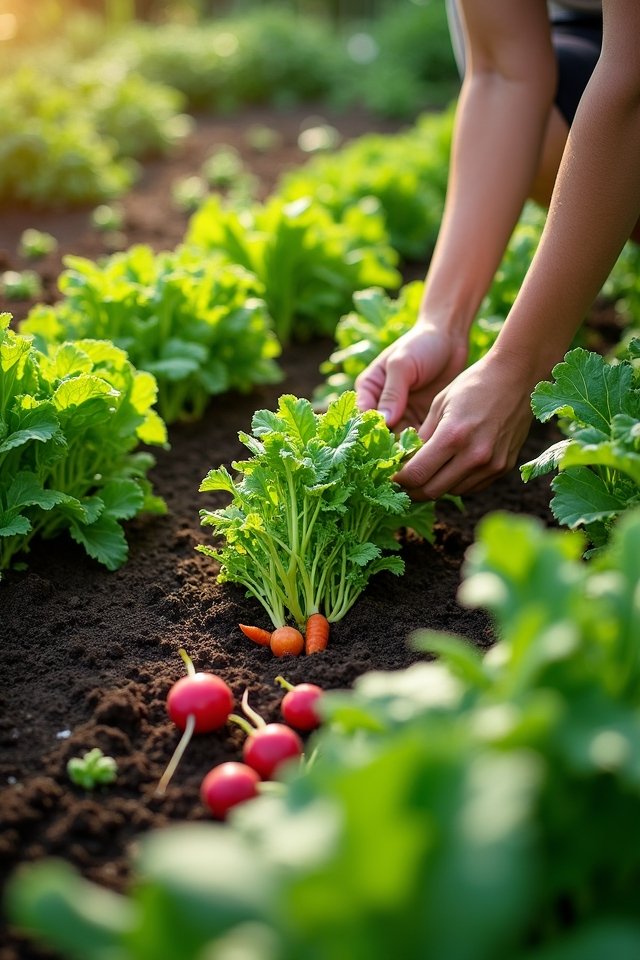
Ready to squeeze every last drop of goodness out of your garden? Think succession planting! It’s like an enchanting relay race for your veggies. Start with quick growers such as radishes or lettuce. Once they’re harvested, pop in something like kale or beans in the same spot. By staggering your planting times, you beat the harvest clock! Imagine biting into fresh greens every week, instead of biding your time until the end of the season. You’re not just playing it safe; you’re crafting a nonstop buffet of flavors and textures. Plus, it keeps your garden bustling and colorful! So, grab those seeds and create a garden that keeps surprising you with fresh delights. Who doesn’t love a good plot twist?
Utilizing Container Gardening for Limited Space
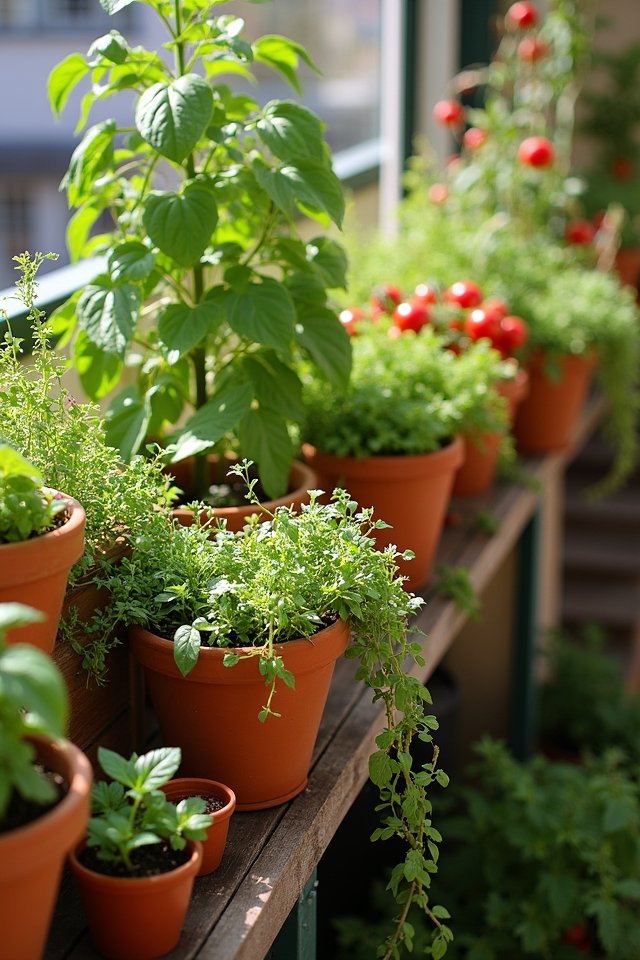
Even if your outdoor space is tiny, you can still cultivate a thriving garden with container gardening! Imagine picking fresh tomatoes right from your balcony or patio—sounds dreamy, right? Containers make it easy to grow your favorites, and they can be as stylish as they are functional. Here’s how to get started:
- Choose the right-sized containers; think pots, window boxes, or hanging baskets!
- Use quality potting soil for healthy, vibrant plants.
- Select varieties that thrive in smaller spaces, like cherry tomatoes or basil.
- Don’t forget to water regularly—it’s the key to lush growth!
With a sprinkle of creativity and a dash of enthusiasm, your limited space can transform into a productive green oasis! Ready to dig in?
Soil Health and Nutrient Management
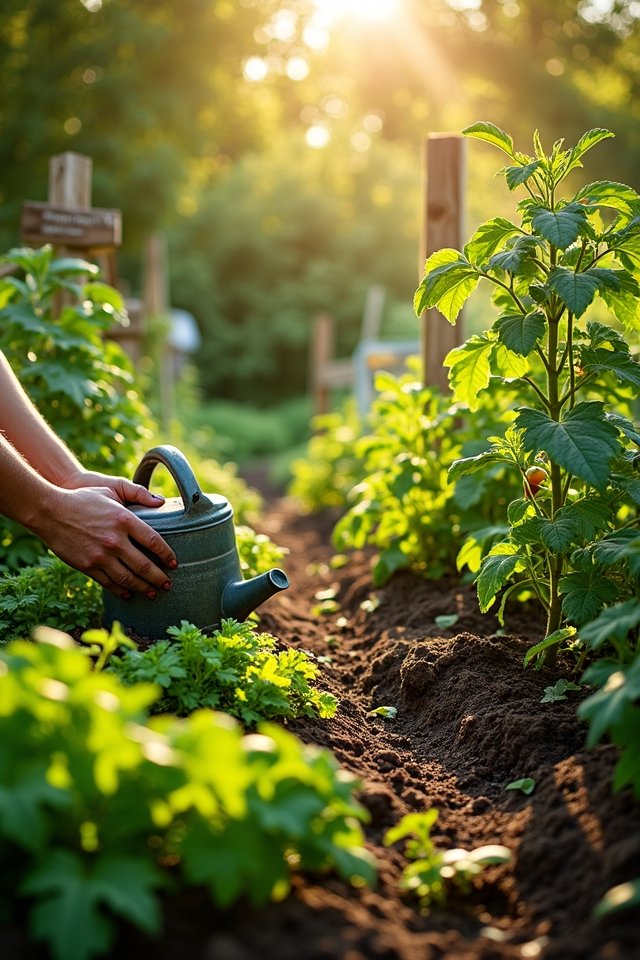
Once your containers are bursting with greenery, it’s time to give some thought to soil health and nutrient management! Healthy soil is like a magic potion for your plants—it’s packed with nutrients they crave. Start by checking your soil’s pH; think of it as your plant’s fashion sense—too acidic or too alkaline, and they won’t feel comfortable!
Consider adding compost or organic fertilizers, which are like a gourmet meal for your veggies, igniting their growth! Don’t forget to mix in some worm castings—these tiny gems give your plants an extra boost of joy! Keep an eye on watering too; over-watering can suffocate those roots! Remember, a thriving garden begins with vibrant soil—nurture it, and watch your yields flourish!
Crop Rotation Practices to Enhance Yield
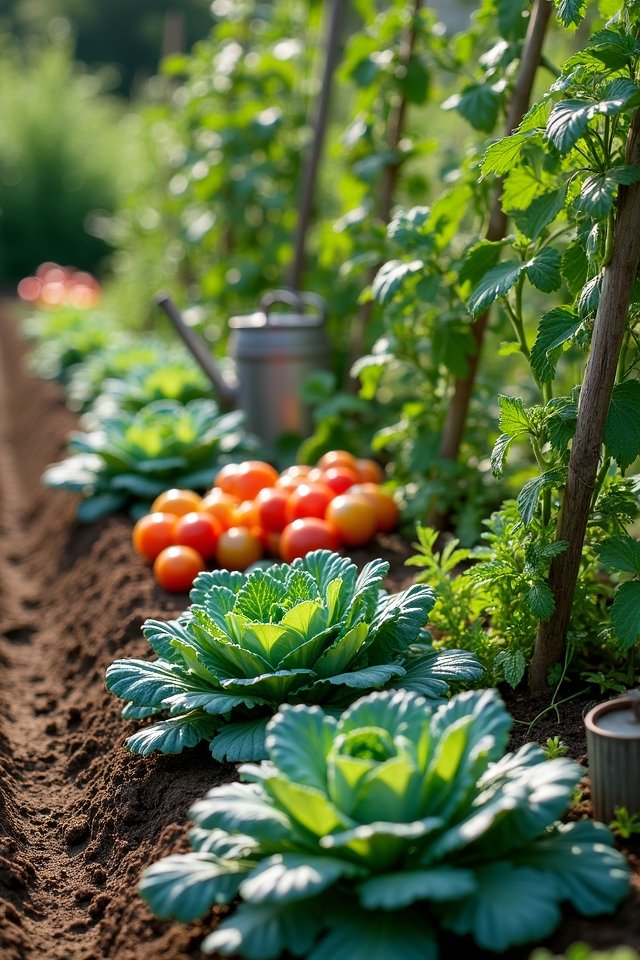
When you think about boosting your garden’s productivity, crop rotation is like planning a fabulous party where every guest leaves happy! This innovative practice encourages healthy soil and magnificent yields. By rotating different crops each season, you prevent pests and diseases from setting up camp, giving your plants the best shot at thriving!
- Stagger Plant Families: Alternate legumes with root vegetables for nutrient balance!
- Timing Matters: Rotate fast-growing crops like radishes with slower ones like carrots!
- Soil Health: Use deep-rooted plants to aerate your soil while breaking up compacted layers!
- Pest Control: Deter repeat visitors by mixing crops that pests dislike!
Ready to throw your plant party? Welcome crop rotation and watch your garden flourish! 🌱
Integrating Companion Planting for Efficiency
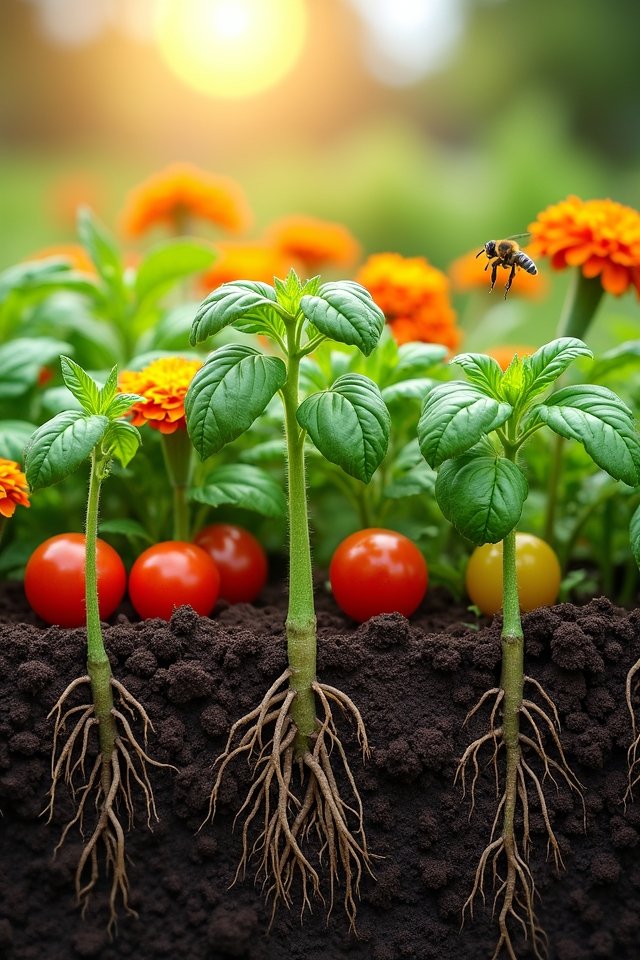
Imagine your garden as a bustling neighborhood party where every plant has a friend to share the spotlight! Integrating companion planting can turn your green space into an efficient ecosystem. Picture tomatoes hugging basil, the two collaborating to fend off pesky insects—talk about teamwork! You could plant marigolds near carrots, too; those cheerful flowers deter nematodes while adding a vibrant pop of color! Ever tried beans with corn? It’s like a support group, with beans climbing up the corn stalks for a sky-high yield. Not only do these pairings boost growth, but they also create stunning layers of texture and fragrance. So why not throw a party for your plants? You’ll be amazed at how much they thrive together!
Frequently Asked Questions
What Are the Best Times to Plant Vegetables for Maximum Yield?
When’s the best time to plant veggies for maximum yield? You’ve gotta consider the seasons like a dance! For instance, place your tomatoes in the warm hug of spring, around May. Carrots, they thrive when planted in early spring, before the summer sun steals the spotlight! And don’t forget about your leafy greens—plant those in early spring or late summer for a delicious fall harvest. Timing’s everything, so welcome it like a garden guru!
How Much Water Do Small Gardens Need Weekly?
Your small garden needs about one inch of water weekly—think of it as sipping a delightful smoothie! You can check this by using a ruler or feeling the soil; if it’s dry an inch down, it’s time to water. Don’t let your plants thirst! Consider adding mulch to lock in moisture, keeping them fresh and hydrated. Remember, just like us, they thrive with a little TLC—Tender Loving Care! So, let’s keep them happy!
Can I Use Regular Soil for Container Gardening?
Imagine your container garden flourishing like a vibrant artist’s palette! While you can use regular soil, it’s often chunky and can hold water like a sponge. You’d want a mix that breathes, so consider blending regular soil with compost or potting mix. Think of it as creating a cozy home for your plants! They’ll thrive in a mix that’s nutrient-rich and well-draining, giving you a garden that’ll bloom with pride! Ready to dig in?
What Pests Should I Watch for in Small Gardens?
In your lovely garden, keep an eye out for sneaky pests like aphids and spider mites! They can munch on your greens faster than you can say “garden salad.” And let’s not forget the enthusiastic caterpillars, ready to turn your beautiful leaves into caterpillar confetti! You’ll want to check for them regularly—don’t let ’em crash your veggie party! Investing in some natural predators, like ladybugs, can be a game-changer! Happy gardening!
How Do I Preserve Excess Vegetables After Harvest?
Did you know that nearly 30% of harvested vegetables go to waste? Don’t let your bountiful harvest be one of them! You can freeze, pickle, or dehydrate your extras. Imagine biting into crispy kale chips or tangy pickled cucumbers! Just wash, chop, and pack them tight. Label each container, so you’ll remember what’s inside! Trust me, your future self will thank you when winter brings those delicious, vibrant tastes back to your table!