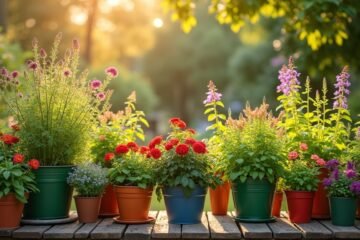
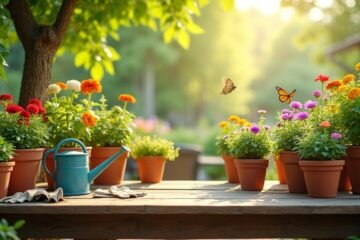
Jump-start your organic garden with these five fantastic tips! First, pick a sunny spot—six hours of sunlight is golden for your veggies! Next, use rich compost and add worm castings for those enthusiastic little microbes. Choose plants that thrive in your climate, like vibrant tomatoes in the heat or cool kale! Try mixing companions, like basil with your tomatoes for flavor. Finally, invite ladybugs for natural pest control! Curious about more delicious secrets? Stick around to uncover the magic!
Choose the Right Location for Your Garden
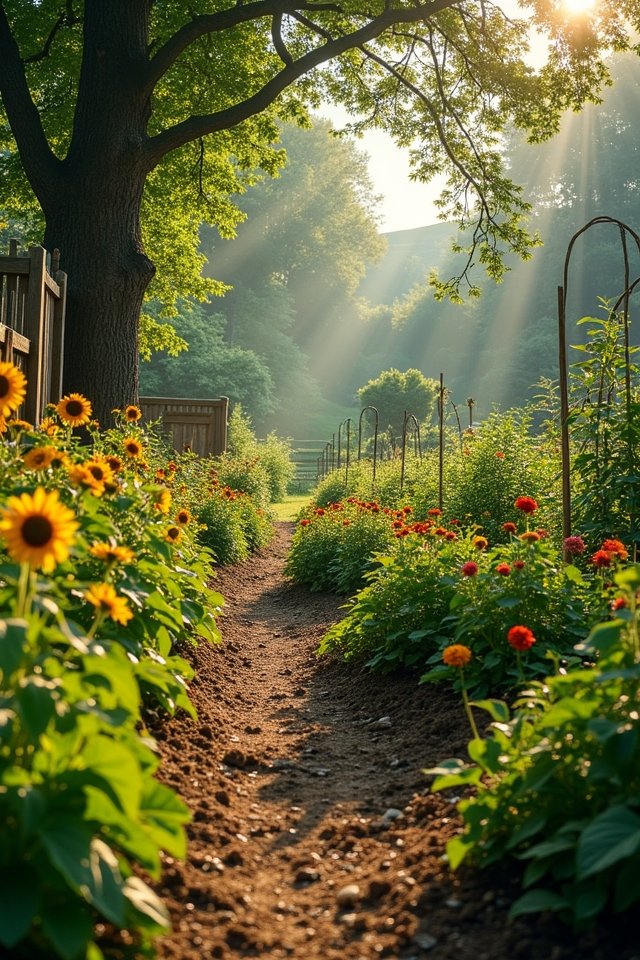
Choosing the right location for your garden can feel like picking the perfect spot for a picnic—sunny, breezy, and bursting with potential! Imagine a place where sunlight exposure dances on your plants, with vibrant colors and scents filling the air. You’ll want to seek out a sunny corner that gets at least six hours of sunlight daily. Don’t forget about water drainage, either! A soggy garden is like a party with no guests—no fun! Look for spots that slope gently, allowing excess water to flow away. Picture rich, thriving veggies and flowers, basking in their ideal environment. So, grab your sunglasses and start scouting for that perfect garden oasis! Your plants will thank you!
Use Quality Organic Soil and Amendments
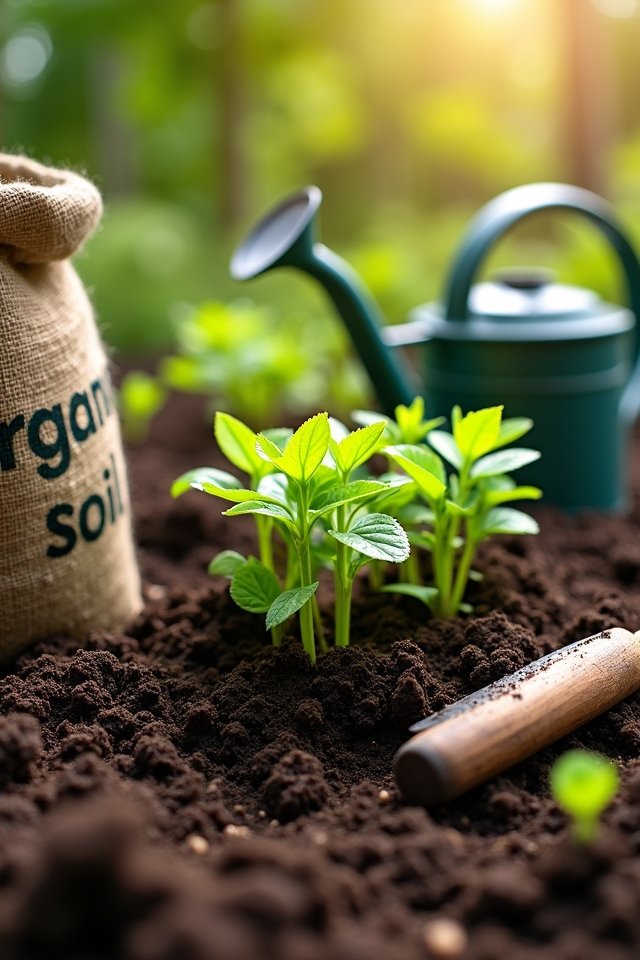
When it comes to your garden, using quality organic soil and amendments is like giving your plants a five-star spa treatment! You need the right soil types to guarantee your green friends thrive. Think of organic amendments as the secret sauce that boosts their happiness.
Consider these fabulous options:
- Compost: Nutrient-rich goodness from kitchen scraps!
- Peat moss: A moisture-retaining superstar for your soil!
- Worm castings: Tiny powerhouses full of beneficial microbes!
- Bone meal: A slow-release phosphorus boost for strong roots!
- Green manure: Cover crops that enrich your soil naturally!
With the right soil and amendments, you’ll cultivate a vibrant, eco-friendly oasis that’s bursting with life! Who knew gardening could be so rewarding?
Select Suitable Plants for Your Climate
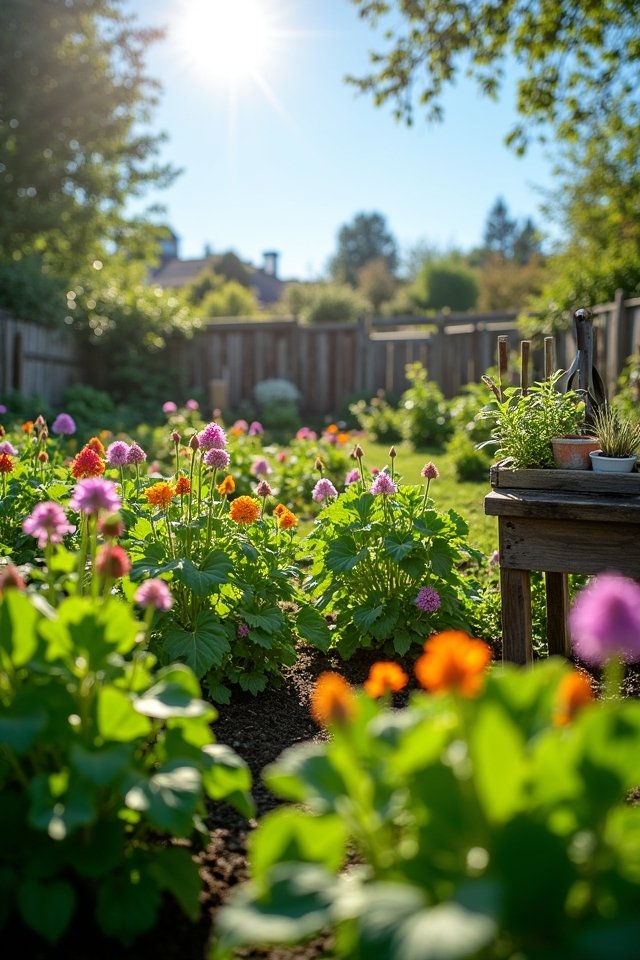
Selecting plants that thrive in your climate is like picking the perfect outfit for a big day out—it’s all about fit and comfort! You’ll want to check your zone on the plant hardiness map to verify you’re choosing varieties that love your local weather. Think about seasonal planting too; some plants prefer the cozy hug of spring, while others bask in the warmth of summer. For example, if you live in a cooler area, consider vibrant kale or sturdy carrots. In a sunny region, go for cheerful tomatoes or zesty peppers! By matching your choices with your climate, you’ll create a garden that flourishes with vibrant colors and delicious flavors. Happy planting!
Implement Companion Planting Techniques
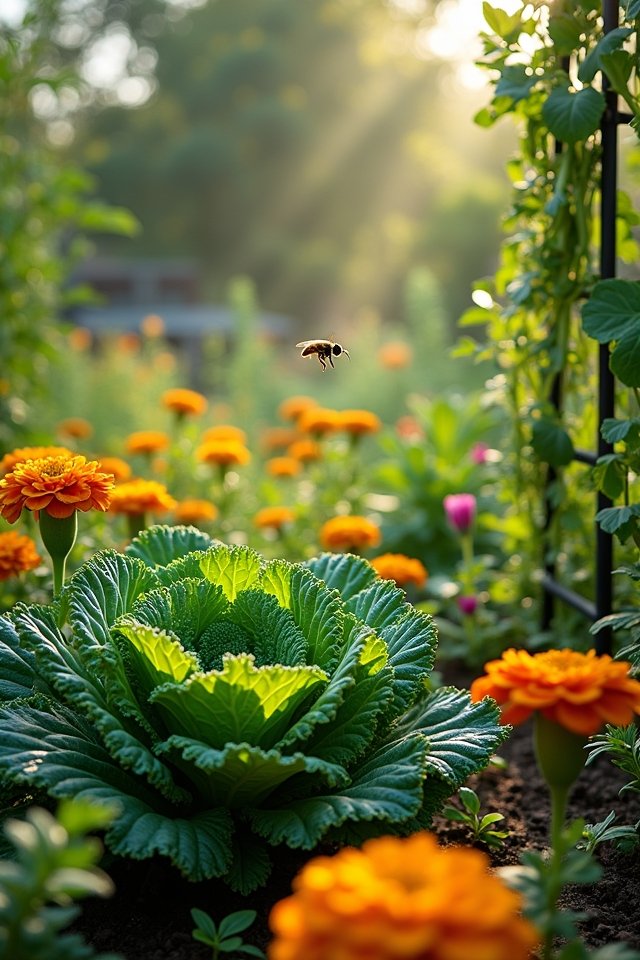
While you might think gardening is all about individual plants, the magic truly happens when you adopt companion planting techniques! By pairing certain plants together, you can maximize your garden’s potential and enjoy incredible gardening benefits. Imagine tomatoes thriving next to basil, or marigolds keeping pesky pests at bay. Here are some fantastic combinations to try:
- Tomatoes and Basil: They enhance each other’s flavors!
- Carrots and Onions: These buddies deter pests naturally.
- Beans and Corn: Beans fix nitrogen while corn provides support.
- Cucumbers and Nasturtiums: Nasturtiums attract pollinators and repel aphids.
- Squash and Radishes: Radishes can help deter squash bugs!
Experimenting with companion plants not only creates a vibrant garden but also sparks joy in your green-thumbed adventures!
Practice Natural Pest Control Methods
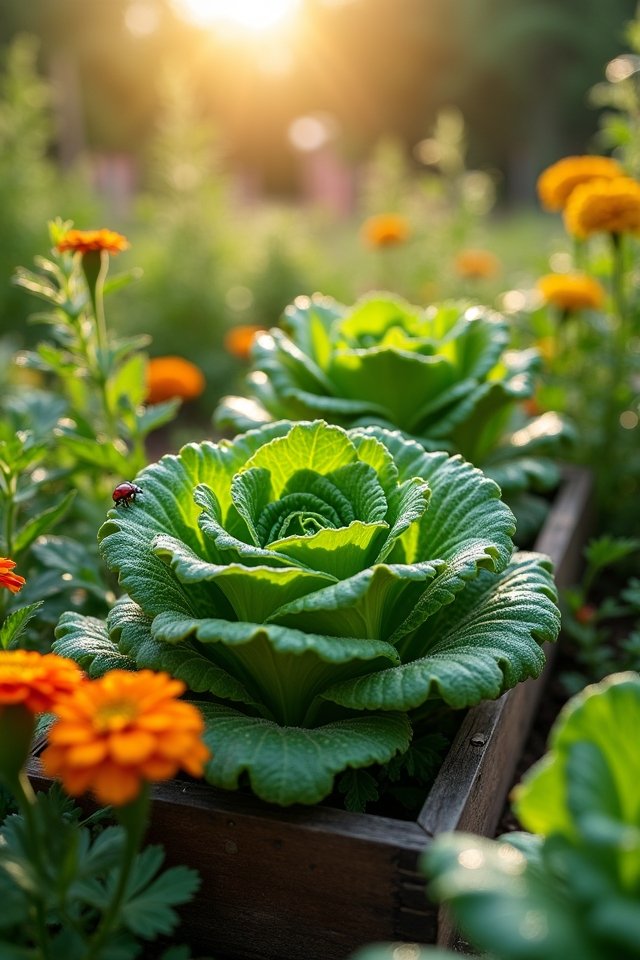
Creating a thriving garden isn’t just about choosing the right plants; it’s also about keeping them safe from pesky pests! Think of your garden as a delicate ecosystem, where beneficial insects, like ladybugs and lacewings, act as tiny superheroes against harmful bugs. You can invite these critters by planting flowers like marigolds or dill.
Instead of reaching for chemical sprays, try organic repellents made from garlic or neem oil. They’re like nature’s secret weapon!
Got aphids? Simply spray them away with a gentle soap solution. Remember, your garden deserves a fighting chance, and so do the little creatures that help it flourish! So, roll up your sleeves, and let’s welcome these innovative pest control methods together!
Frequently Asked Questions
How Do I Start a Compost Pile at Home?
Starting a compost pile at home is easier than you think! Grab your kitchen scraps—think veggie peels and coffee grounds—as well as yard waste like leaves and grass clippings. Layer those compost materials, and watch nature work its magic! You’ll enjoy benefits like nutrient-rich soil and reduced waste. It’s like giving Mother Earth a big hug! So, are you ready to turn trash into treasure? Let’s get that compost rolling!
What Tools Are Essential for Organic Gardening?
What’s the secret sauce for thriving in organic gardening? You’ll need a few essential tools! Start with pruning shears, perfect for snipping away pesky branches like a hairdresser shaping a new hairstyle. A garden trowel is another must-have; it’s your trusty sidekick for digging and planting. With these tools in hand, you’re ready to release your creativity in the garden! So, grab those shears and trowel, and let the gardening adventure begin!
How Often Should I Water My Garden?
How often you water your garden depends on soil moisture and plant needs! You don’t want a thirsty plant begging for a drink, nor do you want it swimming! Check that soil—if it’s dry an inch down, it’s time to water. Generally, once or twice a week works wonders, but feel free to adjust based on your climate. Remember, a happy garden is a vibrant garden! So, let those plants thrive!
Can I Garden in Containers?
Absolutely, container gardening’s a clever and creative choice! You’ll love the freedom it gives you. Just pick a pot, fill it with quality container soil, and choose your plants wisely. Think vibrant tomatoes or fragrant basil! They thrive beautifully in smaller spaces. Plus, it’s like a portable paradise—you can move your garden around! So, why not give it a go? Your green thumb’s waiting to shine, so let’s dig in and get planting!
How Do I Save Seeds From My Plants?
Saving seeds from your plants can be like capturing a little piece of garden magic! Start by choosing the right plant variety for seed preservation techniques. Let your fruits or flowers fully mature, then collect seeds on a dry, sunny day. Clean them gently, and store in labeled envelopes. It’s like giving your future garden a sweet little gift! Just imagine the excitement of planting those very same seeds next season! Happy gardening!