Growing food in raised beds can be a delightful journey! Start by knowing your growing zone—this helps you pick the best crops. Plant flavorful radishes and vibrant lettuce in spring, while summer’s warmth calls for sweet peppers and juicy tomatoes. Don’t forget to enrich your soil with compost and keep pests at bay with friendly ladybugs! Keep your garden looking good with seasonal care. Curious about more tips and tricks? There’s so much more to explore!
Understanding Your Growing Zone
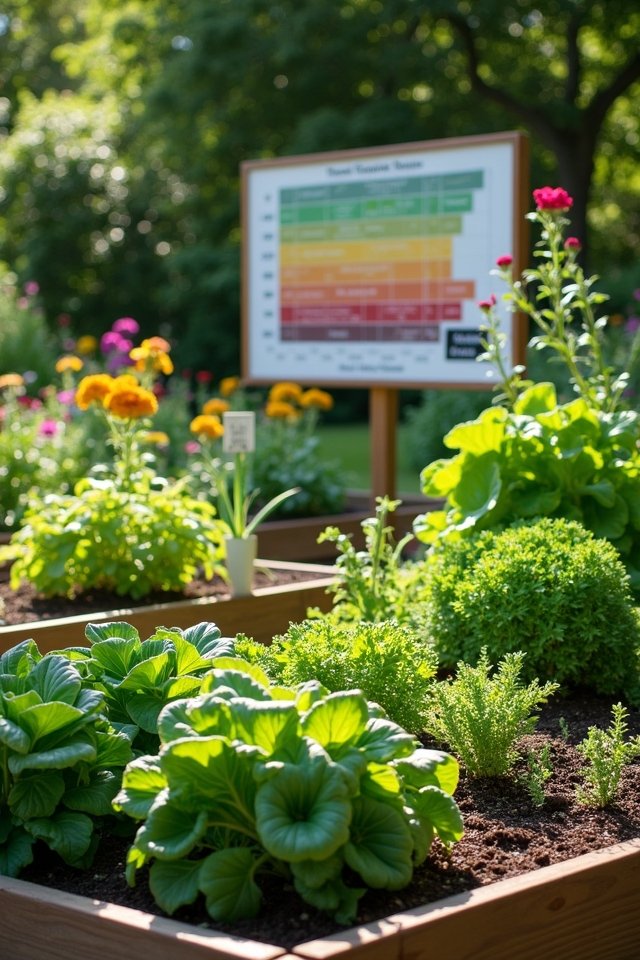
When you’re dreaming of a vibrant garden filled with juicy tomatoes and crisp lettuce, it’s easy to forget that not all plants thrive in every climate! Understanding your growing zone is key; it’s like knowing the secret password to your garden’s success! Each zone has its temperature range and climate variation, which determines what crops will flourish. For instance, if you’re in a warmer zone, you can enjoy lush zucchini and sweet peppers, while cooler zones might favor hearty kale and root vegetables. So, check your local growing zone—don’t let a surprise frost ruin your plans! With this knowledge, you can innovate your garden choices, ensuring every bite is bursting with flavor! Ready to dig in? Let’s go!
Choosing the Right Soil Mix
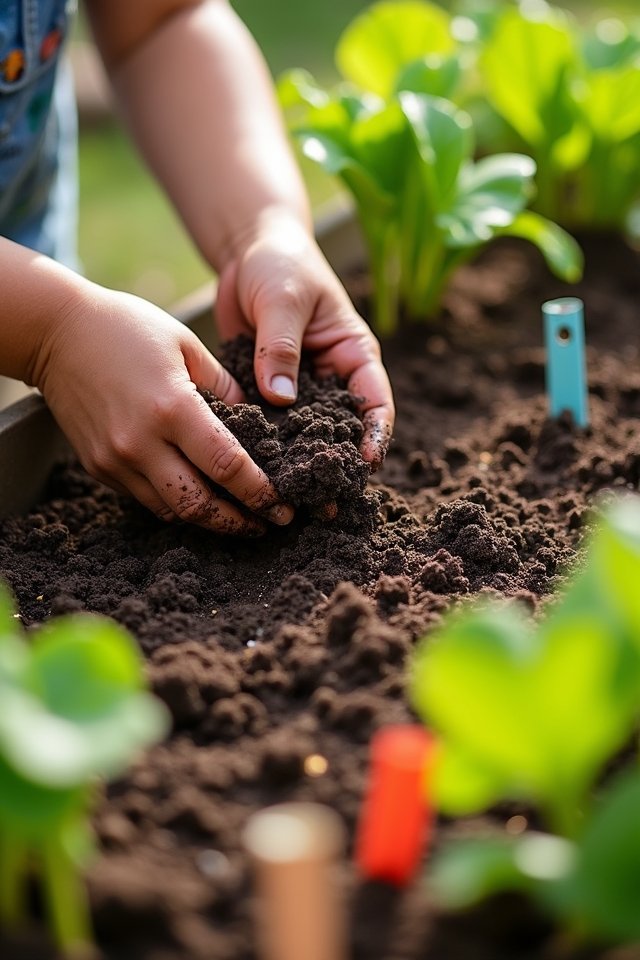
To guarantee your plants thrive, it’s essential to start with the right soil mix, much like a chef needs fresh ingredients for a delicious dish! Think of soil types as the foundation of your garden’s flavor profile. A blend of rich compost, peat moss, and perlite can create a nutrient balance that’s simply mouthwatering for your plants.
Mixing in well-rotted manure gives them a protein boost, while adding a bit of coco coir helps retain moisture—like a cozy blanket for your roots!
Don’t forget to test your soil’s pH, too! You wouldn’t want your garden guests to feel out of place. So, roll up your sleeves and whip up that perfect soil recipe; your plants will thank you!
Spring Planting Essentials
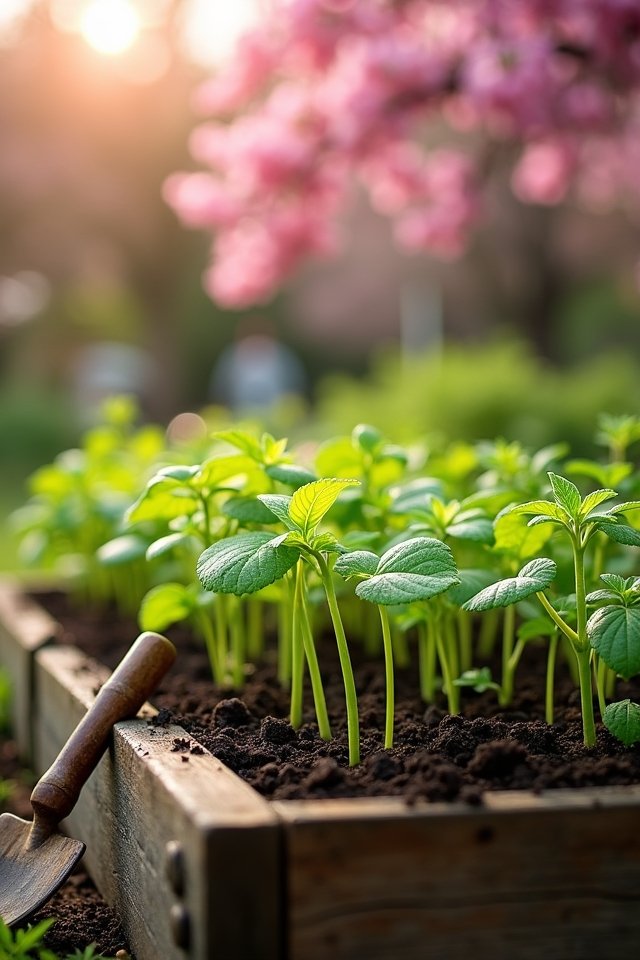
As the days grow longer and the sun begins to warm the soil, you know it’s time to plunge into spring planting! Grab your planting calendar and let’s get started! Think about vibrant spring crops like zesty radishes, crunchy lettuce, and fragrant peas. These are quick to sprout, so you won’t be waiting long for that garden magic!
Make sure to space your seeds properly—like giving each one its own VIP section. Water gently, and watch as the earth comes alive, teeming with potential! Don’t forget to add a splash of color with marigolds to attract pollinators. With a little patience and care, you’ll soon relish the bounty of your innovative spring garden! Ready, set, grow!
Summer Crop Selection
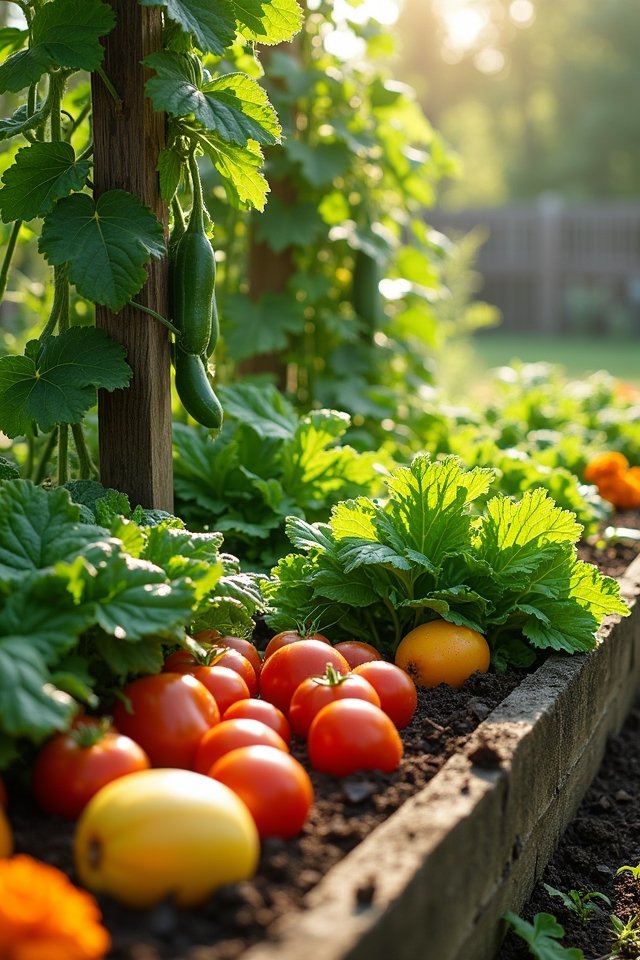
Now that spring’s delightful blooms have graced your garden, it’s time to plunge into summer crop selection! Think vibrant heat tolerant vegetables like juicy tomatoes, crunchy cucumbers, and sweet bell peppers—these beauties thrive in the warm sun. Imagine biting into a sun-ripened tomato, bursting with flavor! Don’t forget about summer herbs, like fragrant basil and zesty cilantro, which elevate your dishes to gourmet status. They’re like the cherry on top of your garden cake! Plant them alongside your veggies for a delightful aroma wafting through the air. Remember, the key is to choose plants that not only survive but thrive in the heat. So get your hands dirty and create a summer garden that dazzles the senses!
Fall Planting Strategies
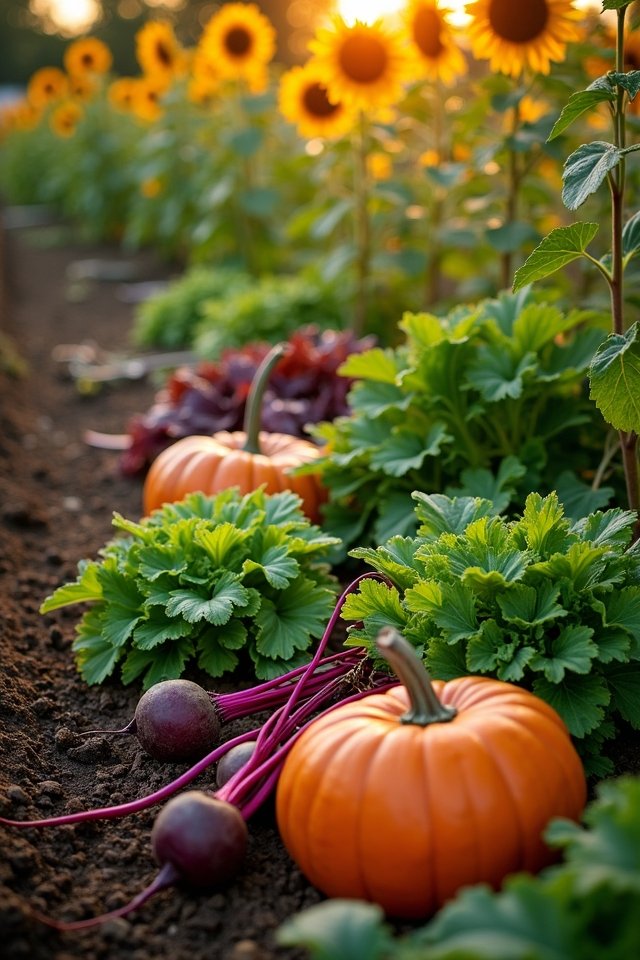
After enjoying the vibrant colors of summer, it’s time to get ready for the cozy charm of fall gardening! This season’s all about embracing those crisp evenings and the earthy scent of fallen leaves. You can still enjoy fresh produce with some smart fall planting strategies!
- Choose hearty fall vegetable varieties like kale, Brussels sprouts, and beets.
- Utilize row covers to protect your crops from unexpected frost.
- Opt for quick-maturing seeds, like radishes and turnips, for late season harvesting.
- Consider companion planting to maximize space and repel pests naturally.
Winter Preparation and Cover Crops
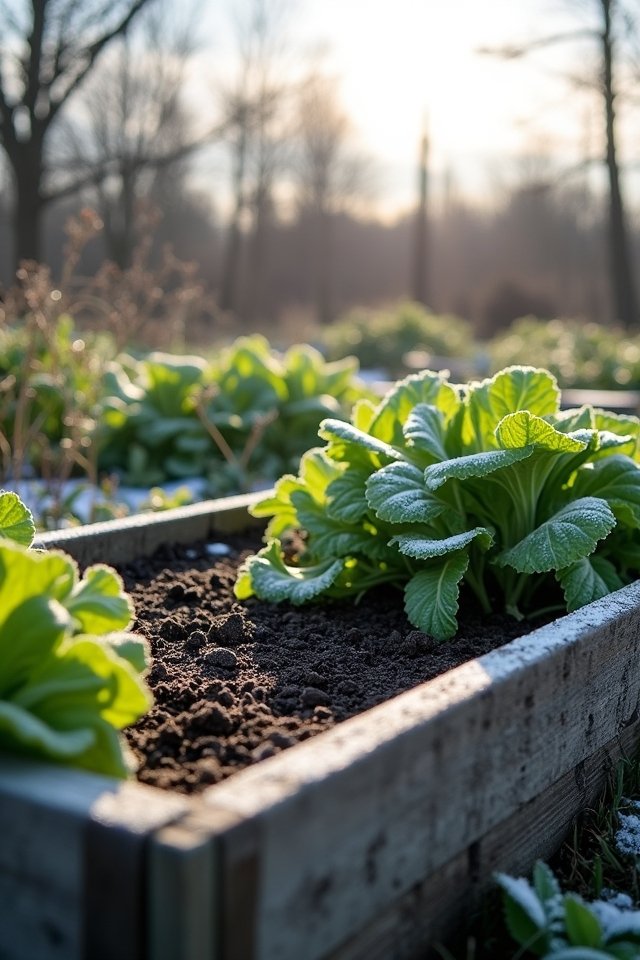
When winter creeps in with its chilly breath, it’s the perfect time to think about how to protect your raised beds and prepare for the coming spring! Consider planting winter crops like kale or garlic; they’re tough little warriors against the frost! Using cover crops, such as clover or rye, can also boost your soil health. These green superheroes prevent erosion and add nutrients when you turn them back into the earth come spring. Imagine waking up to a vibrant, thriving garden instead of a barren plot! Plus, who doesn’t love the idea of a secret winter garden? So, bundle up, grab a shovel, and let’s keep those raised beds cozy and ready for a bountiful harvest ahead!
Companion Planting for Raised Beds
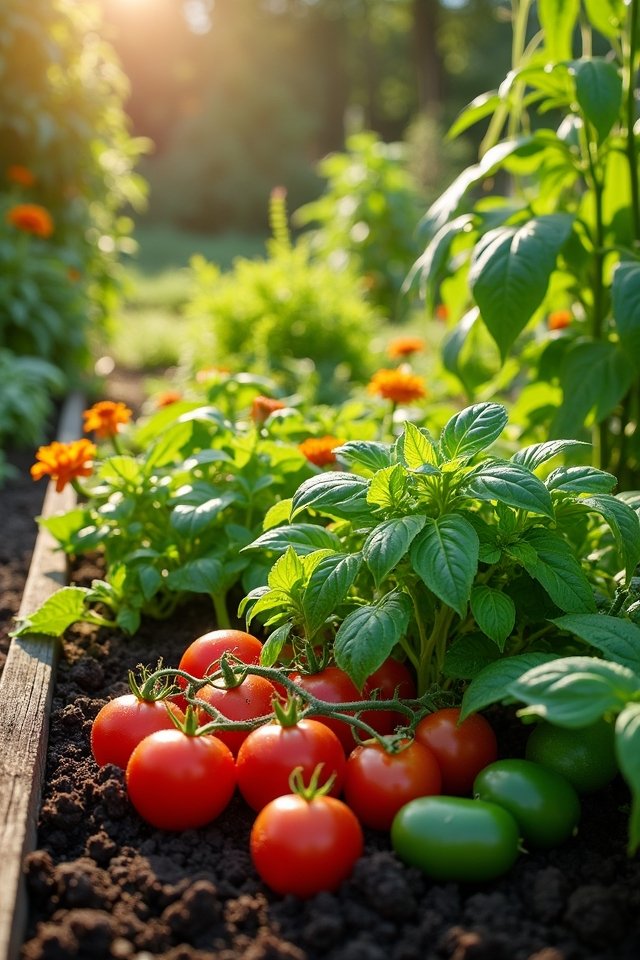
Companion planting can work wonders in your raised beds, making your garden not just productive, but also a delightful tapestry of colors and scents! By pairing companion herbs and companion vegetables, you’ll create a symbiotic relationship that promotes growth and flavor. Why not try these thrilling combinations?
- Basil with tomatoes: Boosts flavor and deters pests!
- Carrots with onions: The onion’s scent confuses carrot flies!
- Marigolds with squash: Their vibrant blooms repel pesky beetles!
- Cilantro with peppers: Enhances taste and attracts beneficial insects!
As you plant, think of each companion as a friend at a party—together, they create an unforgettable experience! So, grab your seeds and design a garden that’s bursting with life and harmony!
Pest Management Tips for Each Season
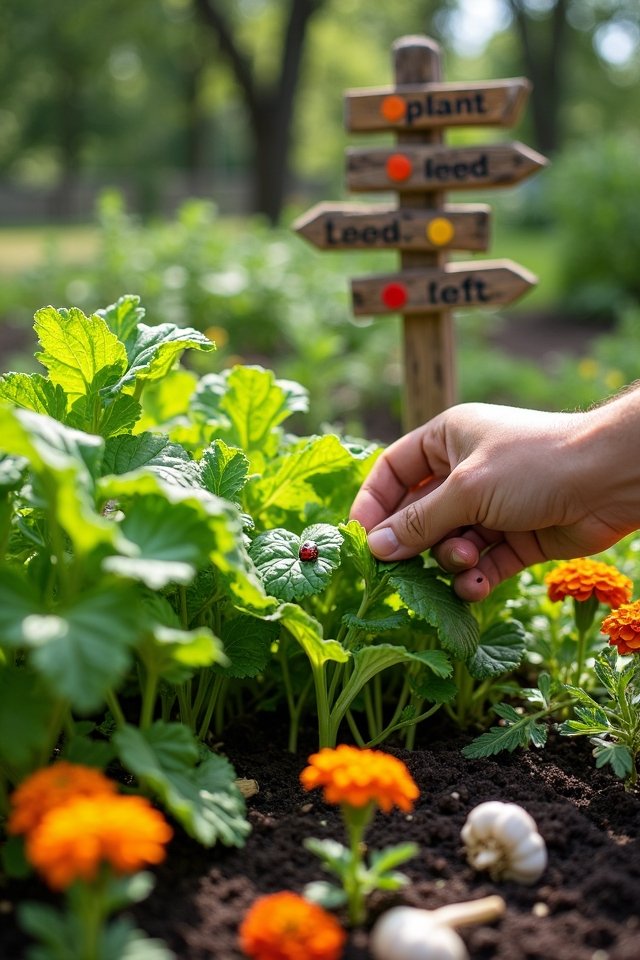
As you plunge into the gardening adventure each season brings, staying ahead of pesky pests becomes your secret weapon! In spring, release beneficial bugs like ladybugs to feast on aphids—nature’s little soldiers! Summer calls for organic repellents like neem oil, which works wonders against unwanted munchers. As autumn arrives, plant marigolds to deter nematodes—they’re like tiny bodyguards for your veggies! And in winter, don’t forget to clean your beds, keeping those critters at bay.
Seasonal Maintenance and Care Techniques
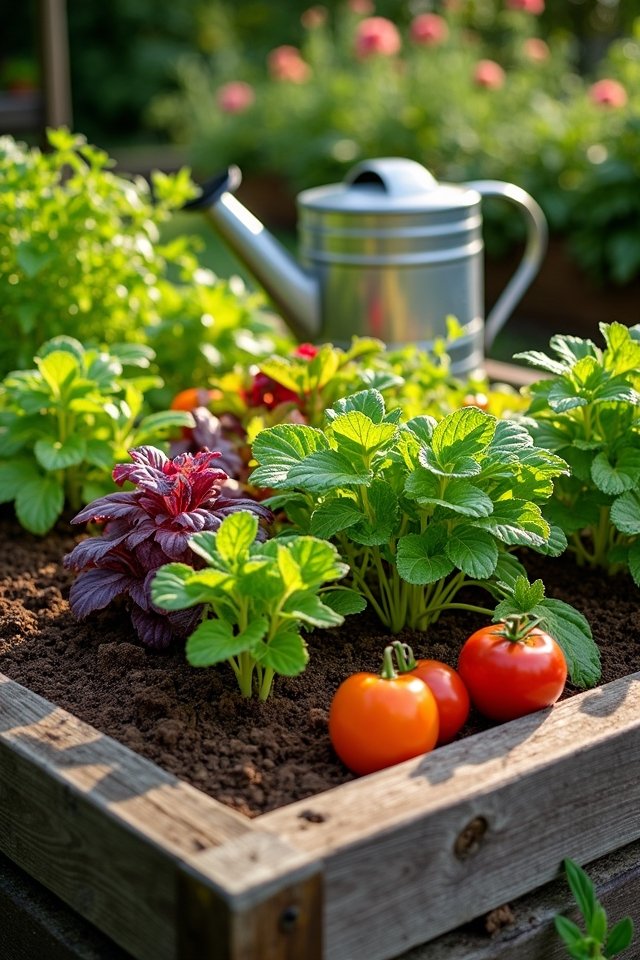
Even if you’re juggling a busy schedule, keeping your raised beds in tip-top shape through the seasons is a game-changer for your garden! Think of your plants as the stars of a show; they need the right spotlight to shine. Regular soil amendments help keep them nourished, while seasonal pruning guarantees they don’t overgrow their stage.
- Refresh the soil with compost or organic matter.
- Trim back overgrown branches to promote new growth.
- Water consistently, especially during dry spells.
- Rotate crops to prevent nutrient depletion.
Stay engaged with your garden, and you’ll see the rewards bloom! You’ll feel like a proud parent watching your little green babies flourish. Isn’t gardening just the best?
Frequently Asked Questions
What Are the Best Tools for Maintaining Raised Beds?
What’s more satisfying than transforming your garden into a lush oasis? For maintaining raised beds, you’ll love using pruning shears for those pesky overgrown plants. A sharp garden trowel is your best friend too—whether you’re digging, planting, or mixing soil. Imagine effortlessly slicing through roots like butter while creating the perfect planting space! With these tools, you’ll cultivate a thriving garden that’ll impress everyone! Happy gardening—your green thumb is waiting!
How Can I Extend the Growing Season in Raised Beds?
You can totally extend your growing season in raised beds! Have you tried using cold frames? They’re like cozy blankets for your plants! You’ll trap warm air and keep out nasty frost. Season extenders, like row covers, are also fantastic! Just imagine crispy lettuce in early spring or late fall! So, grab those tools, get creative, and let those veggies thrive a little longer. Who doesn’t love fresh produce when others are bundled up inside?
Can I Plant Perennials in Raised Beds?
Absolutely, you can plant perennials in raised beds! Think of them as your garden’s loyal knights, returning year after year. For the best perennial selection, consider colorful favorites like echinacea and lavender. Use smart planting techniques, like grouping similar plants together for a stunning display. Imagine vibrant blooms filling your beds, creating a fragrant oasis! So go ahead, let those perennials thrive, and watch your garden transform into a magical retreat!
What Are the Benefits of Raised Bed Gardening?
Raised bed gardening offers fantastic benefits! You’ll enjoy improved soil drainage, making your plants thrive like kids at a candy store. The elevated design means less bending, so your back will thank you! Plus, you can control soil quality, ensuring your veggies are bursting with flavor. With fewer weeds, you’ll spend less time pulling them out, too. Who wouldn’t want that? So, dig in and experience these gardening advantages for yourself!
How Do I Prevent Soil Erosion in Raised Beds?
When it comes to preventing soil erosion in raised beds, you’ve gotta think outside the box! First, focus on plant selection—deep-rooted plants like carrots and tomatoes anchor the soil beautifully. Then, don’t skimp on mulch application; a thick layer of organic mulch acts like a cozy blanket, keeping moisture in while reducing erosion. So, why not give your garden that extra layer of love? Your plants will thank you, and so will your soil!