Got a little patch of earth? You can turn it into a veggie paradise! Start with cool-weather crops like crisp lettuce and cheerful peas in spring. Don’t forget that summer loves the warmth, so plant vibrant tomatoes and juicy peppers. As fall approaches, think kale and carrots, which thrive in cooler temps. Always keep an eye on soil health – it’s the secret sauce! Stick around, and you’ll uncover even more juicy tips to maximize your garden!
Understanding Your Planting Zone
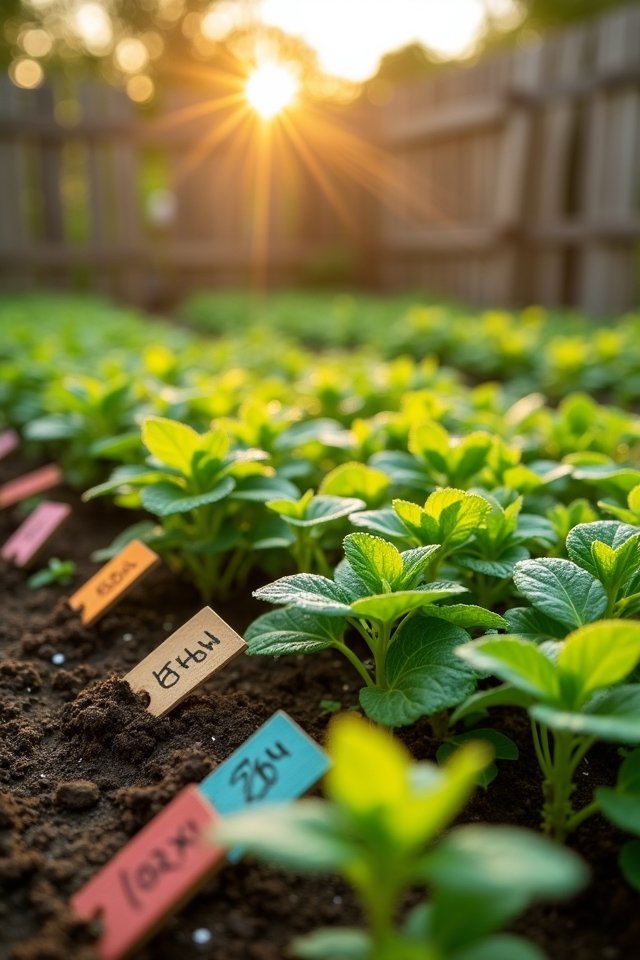
Have you ever wondered why some plants thrive in your garden while others seem to sulk? Understanding your planting zone is key! It’s like knowing your plants’ favorite hangout spots. Climate considerations play a huge role in determining which veggies will flourish. For example, if you’re in a warmer zone, tomatoes and peppers will bask in the heat, while cooler zones might suit leafy greens like spinach better. Zone mapping can guide you like a treasure map, helping you choose the right plants for your specific area. It’s all about matching your garden’s personality with the plants’ needs! So, don’t plant those tropical beauties in a snowy zone—unless you’re feeling particularly rebellious! Your garden will thank you!
Best Vegetables for Spring Planting
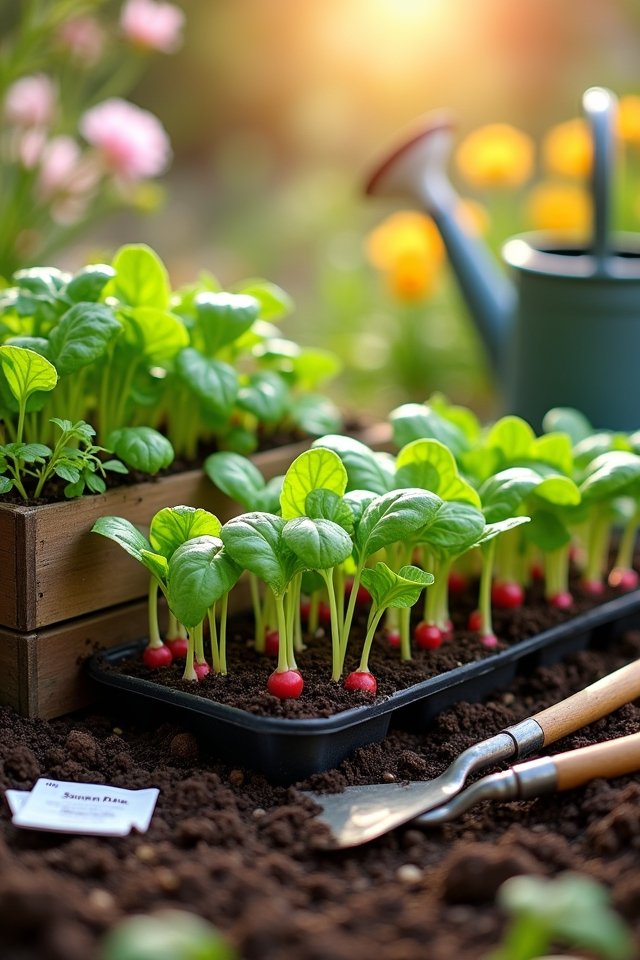
Springtime is like a grand opening for your vegetable garden, bursting with possibilities! It’s the perfect time to plant vibrant spring varieties like crisp lettuce, sweet peas, and flavorful radishes. These veggies thrive in cool weather and will have your taste buds dancing! To make the most of your garden, stick to a planting schedule—sow those peas early for a delightful early harvest. Why not mix in some beautiful Swiss chard for a pop of color? As you dig your hands into the soil, imagine the fresh salads you’ll create! Remember, every seed you plant is a step toward a deliciously innovative garden. So, grab your tools, and let’s turn that dirt into a green paradise!
Summer Crops to Maximize Yield
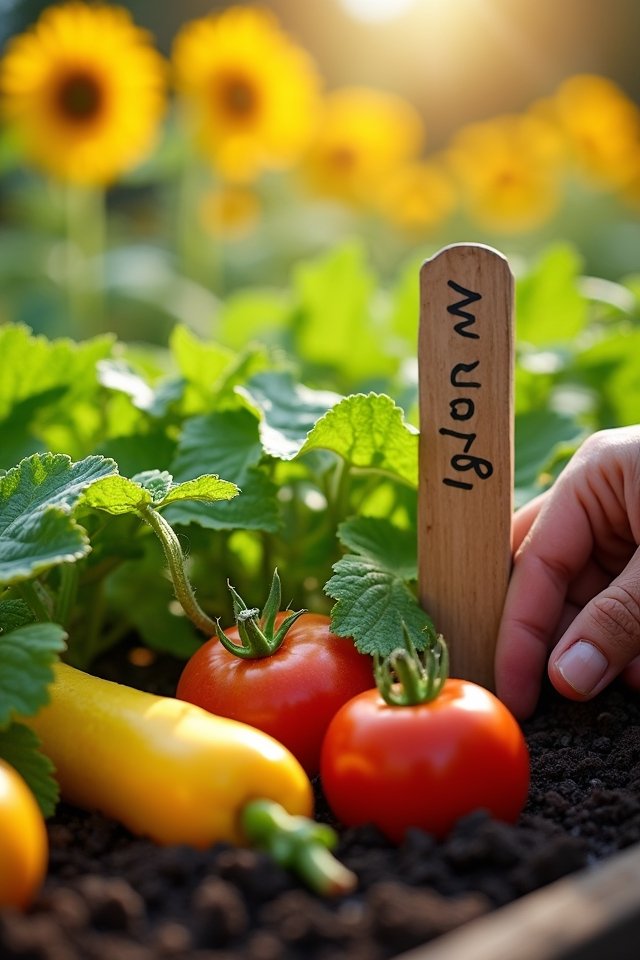
As the days grow warmer and the sun shines brighter, your vegetable garden is ready for its next act! Think of summer as a stage for vibrant crops like tomatoes and peppers. To maximize yield, adopt crop rotation—switching up plant locations each year keeps pests guessing and boosts soil health. And let’s not forget summer irrigation; a consistent watering routine guarantees your plants stay hydrated and happy, especially during those sweltering days. Consider using drip irrigation to deliver water directly to roots—it’s like giving your plants a revitalizing drink! With a little planning and these innovative tips, you’ll transform your garden into a lush, bountiful haven. So roll up your sleeves and plunge into summer gardening—amazing flavors await!
Fall Planting Strategies for Success
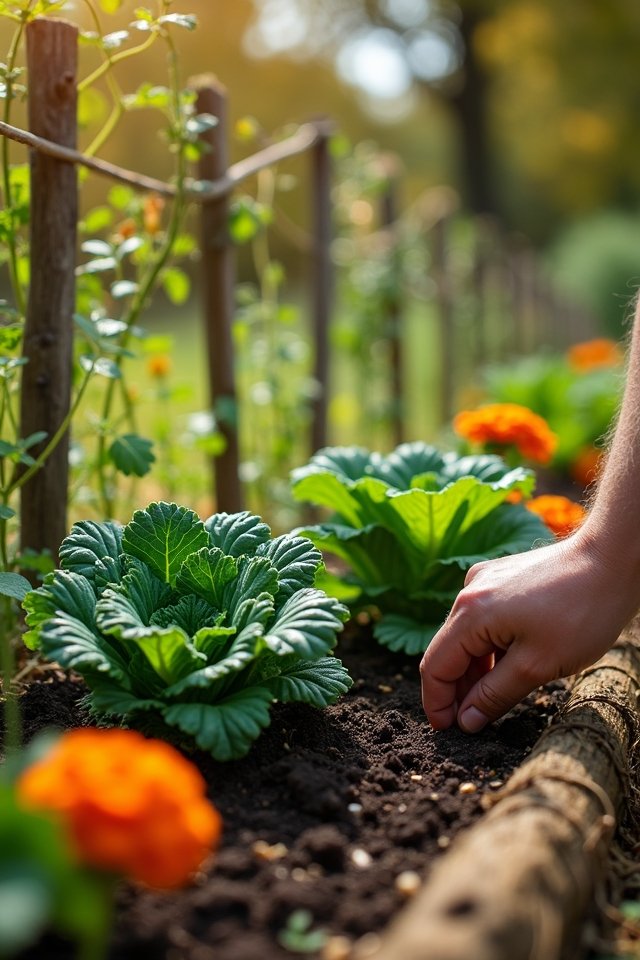
While the summer sun starts to dip lower in the sky, it’s the perfect time to welcome the magic of fall planting! Welcome the season by planning your fall crop rotation. Think of it like giving your soil a revitalizing spa day! Rotate your crops to keep pests at bay, and boost soil health. As temperatures cool, you’ll want to protect your precious plants from unexpected frost. Use row covers or cloches like cozy blankets to shield them from chilly nights. Imagine biting into a crisp kale leaf or vibrant carrots, all thanks to your efforts! So, grab your gardening gloves, and let the autumn adventure begin. It’s time to fall in love with your garden all over again!
Winter Preparation and Seed Selection
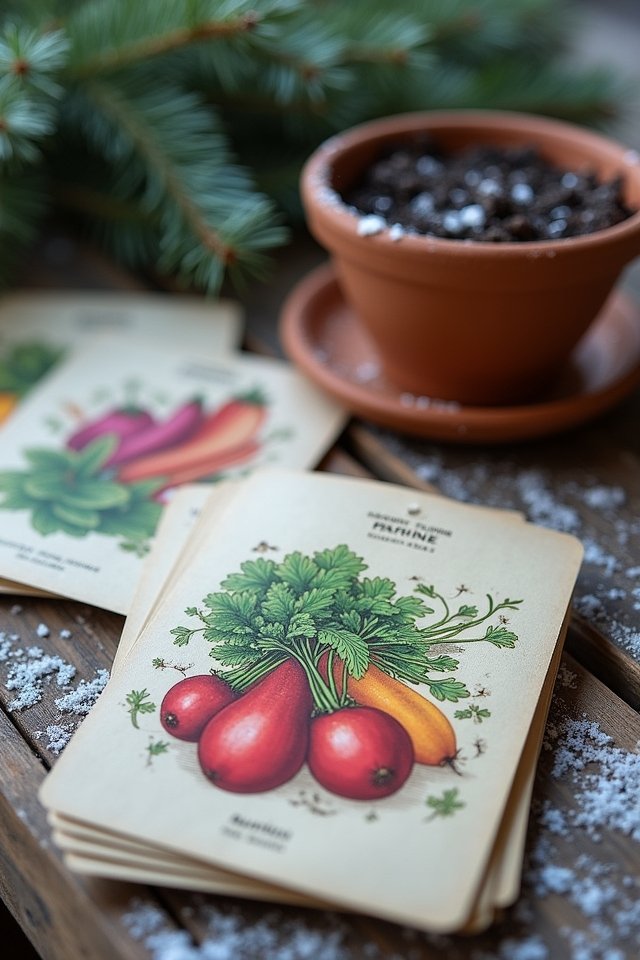
Before the first snowflakes fall, it’s time to get your garden ready for the winter chill! You don’t want your precious seeds left out in the cold! Here’s how to prepare and select your winter crops like a pro:
- Choose hearty winter crops: Think kale, spinach, and carrots—these beauties thrive in cooler temps!
- Clear the garden bed: Pull out any dead plants and debris; they attract pests.
- Store your seeds properly: Keep them in a cool, dark place, like an airtight container—trust me, your future garden will thank you!
- Mulch for warmth: Spread a thick layer of mulch to insulate the soil and protect those roots from frost.
Let’s set the stage for a bountiful spring!
Companion Planting for Small Spaces
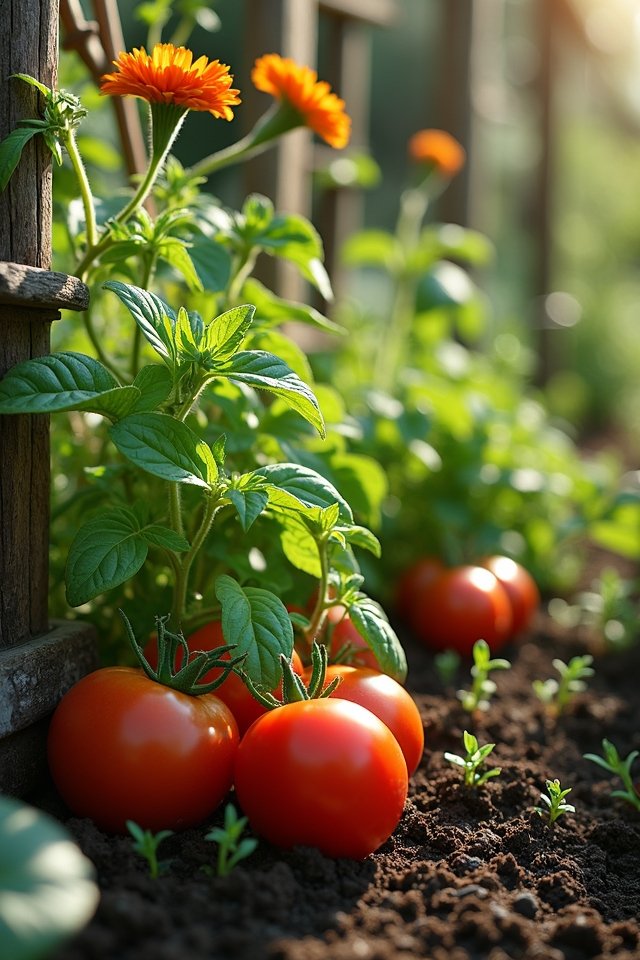
When you’re working with a small garden space, every inch counts, right? That’s where companion planting comes in! Think of it as a matchmaking service for your veggies. By combining plant pairings like tomatoes and basil, you not only boost flavors but also optimize space. Basil keeps pests away while enhancing tomato growth—talk about a win-win! You could also try carrots and onions; they’ll thrive together, sharing nutrients like best friends. Just imagine your garden bursting with flourishing greens, each plant helping the other shine! With clever combos, you’ll maximize your tiny plot, turning it into a vibrant oasis. So, are you ready to dig in and create some dynamic duos? Happy planting!
Soil Preparation and Fertility Management
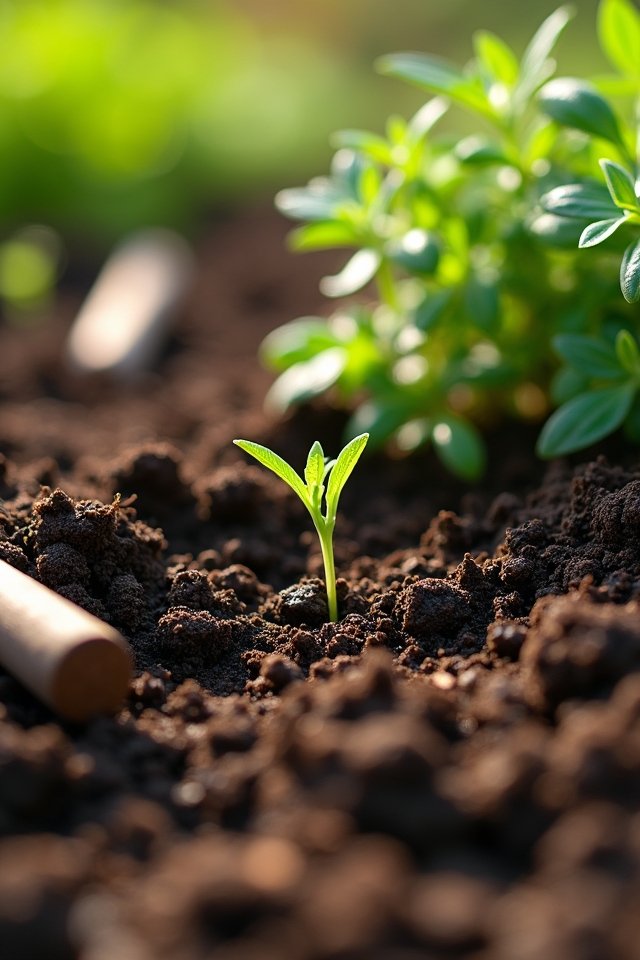
After you’ve paired up your plants like a pro, it’s time to turn your attention to the dirt beneath your feet—the secret to a thriving garden! Healthy soil is like a buffet for your plants, and with a little effort, you can create a feast of nutrients. Start with soil testing to see what you’re working with.
Here are four key steps to boost your soil’s fertility:
- Test Your Soil: Identify nutrient deficiencies or pH imbalances.
- Add Organic Amendments: Mix in compost or well-rotted manure for a nutrient boost.
- Aerate: Loosen compacted soil to improve drainage and root growth.
- Mulch: Protect moisture and enrich the soil as it breaks down.
Get ready to dig in and watch your garden flourish!
Pest Control Tips for Seasonal Gardens
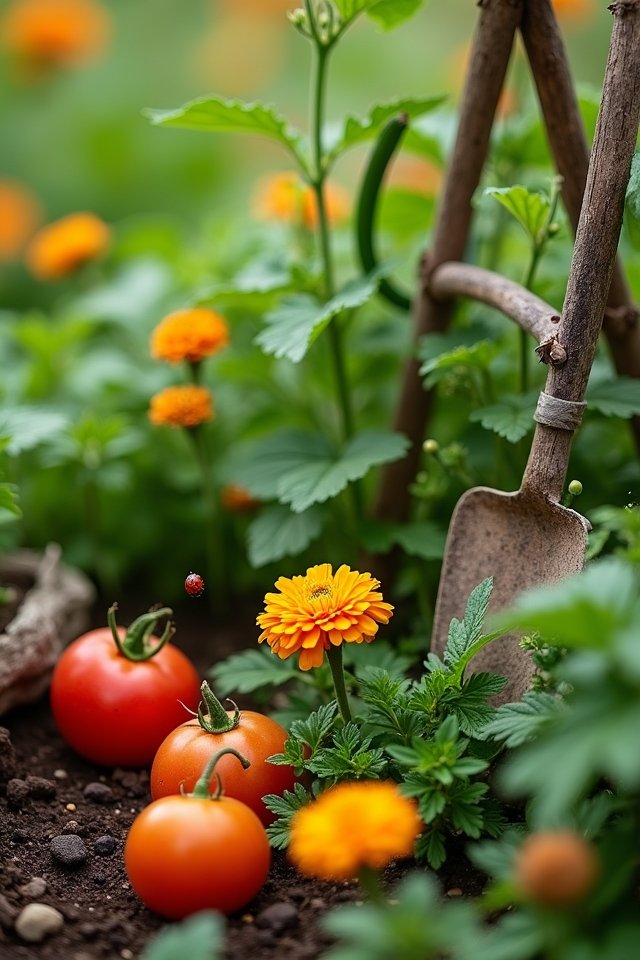
Pest control can feel like a challenging task, but it doesn’t have to be! Think of it as a game of strategy. Start with pest identification—know your foes! Use crop rotation to confuse them, making it harder for pests to settle in. Don’t forget about companion planting; some plants attract beneficial insects that act like tiny superheroes for your garden! You can also introduce natural predators, like ladybugs and lacewings, to keep pests in check. If the battle gets tough, organic pesticides can be your secret weapon. They’re gentle on your plants and the environment. Adopt these innovative techniques, and soon, you’ll have a thriving garden full of life! Happy gardening, and may the pests be ever in your favor!
Frequently Asked Questions
How Do I Start a Vegetable Garden From Scratch?
Starting a vegetable garden from scratch? It’s like crafting a masterpiece! First, sketch out your garden layout, deciding where each veggie will thrive. Next, prepare the soil—mix in compost like a chef adding spice! This will create a rich, nourishing foundation. Water it well and let it breathe. Once that’s done, plant your seeds, and remember, patience is key. Soon, you’ll have a bounty that even a squirrel would envy! Ready to dig in?
What Tools Are Essential for Small Vegetable Gardening?
They say, “A gardener’s tool is like a painter’s brush!” For your small veggie garden, you’ll need essential equipment like a trowel for digging, pruners for snipping, and a hoe for weeding. Don’t forget a watering can or hose—plants can get thirsty! A garden fork will turn the soil, while gloves keep your hands clean. With these trusty gardening tools, you’ll transform your plot into a lush paradise! Ready to dig in?
How Can I Maximize Space in a Tiny Garden?
To maximize space in your tiny garden, think vertical! Use trellises or hanging pots to let plants climb like they’re auditioning for a circus act. Try companion planting, too; pair tomatoes with basil for a tasty duo that saves space and boosts growth. Imagine luscious greens cascading down, while vibrant flowers peek out from every corner! Your little patch can be a feast for the eyes and the stomach—no magic wand required!
When Is the Best Time to Water My Garden?
When’s the best time to water your plants? Think of your garden as a thirsty friend! Morning watering‘s like serving them a revitalizing drink, allowing the sun to dry up excess moisture. Evening watering, on the other hand, feels cozy, but watch out for sneaky mold! Aim for early mornings; your plants’ll soak it up and thrive. So, let’s keep them happy and hydrated—who wouldn’t want a garden bursting with life?
How Do I Store Harvested Vegetables for Longer Freshness?
You want your veggies to last, right? Try freezing techniques! Blanch those vibrant greens for a minute before plunging them into ice water. It locks in freshness! For root storage, keep carrots and potatoes in a cool, dark place—like a secret garden hideout. Just don’t forget to check for any sneaky sprouting! With these tricks, you’ll savor the taste of your garden long after the harvest. How deliciously exciting is that?