Keeping your garden free from pests is easier than you think! Start by enriching your soil with compost, which nourishes plants like a gourmet meal. Choose tough native plants, like black-eyed Susans or lavender—these beauties resist pests while charming your garden. Try companion planting, pairing basil with tomatoes for growth and flavor. Don’t forget to use herbal sprays and monitor for pesky invaders! Want more tips to outsmart those garden gremlins? There’s plenty more to uncover!
Maintain Healthy Soil
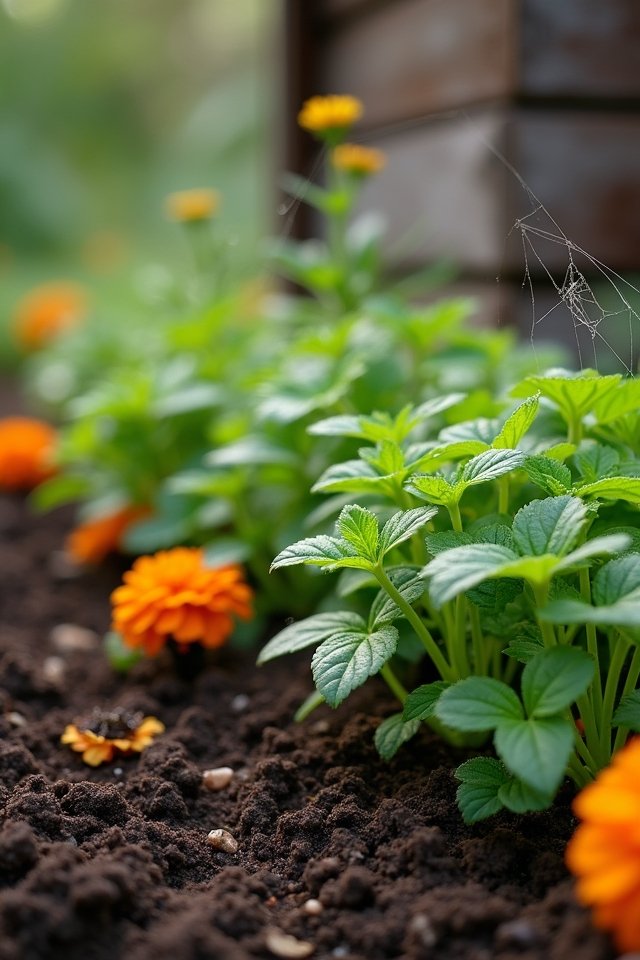
When you think about a vibrant garden, it’s easy to see how healthy soil is the secret ingredient, right? Imagine your plants thriving in a dirt paradise, brimming with soil nutrients. To achieve this, focus on adding organic matter—think compost, well-rotted leaves, or even aged manure. They’re like a buffet for your plants!
You’ll find that this rich texture helps retain moisture, providing a cozy home for beneficial microbes. These little heroes fight off harmful pests without the need for harsh chemicals. When the soil is alive with nutrients, your plants stand taller, bursting with life! So, don’t skimp on soil care—it’s the first step to creating a thriving garden ecosystem. Your plants will thank you with vibrant blooms and bountiful harvests!
Choose Pest-Resistant Plants
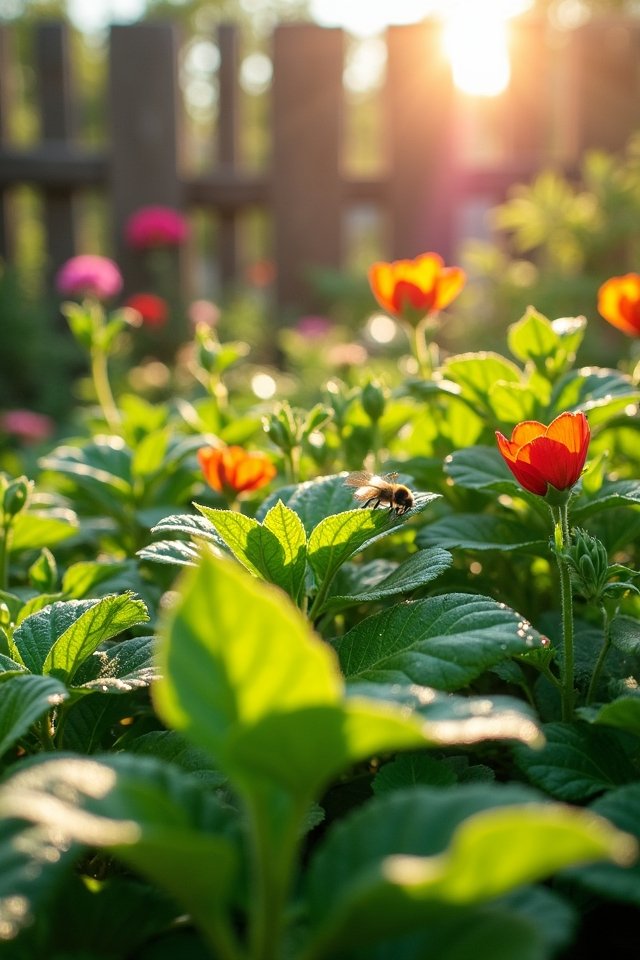
Choosing pest-resistant plants is like picking the ultimate team for your garden! By selecting native species, you’re inviting plants that thrive in your locale, making them less appealing to pesky pests. Think of them as your garden’s secret weapon; they’re already adapted to local conditions and have built-in defenses. Plus, many native plants boast impressive drought tolerance, saving you time and water! Imagine vibrant coneflowers standing tall, while butterflies dance around them—your garden will not only resist pests but also dazzle the senses! So, why not opt for plants like black-eyed Susans or lavender? They not only charm the eye but also keep those bothersome bugs at bay! Ready to build your dream team? Let’s go!
Implement Companion Planting
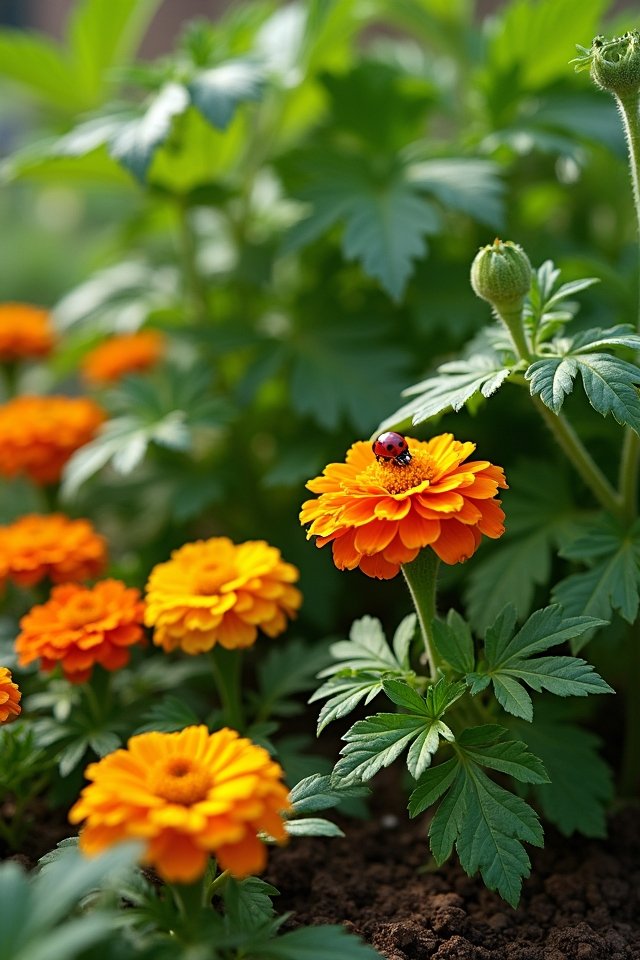
Imagine your garden as a bustling city, where every plant is a neighbor helping each other out! Companion planting can transform your green space into an innovative ecosystem! By strategically planting crops together, you’re attracting beneficial insects that become nature’s superheroes against pests. For instance, marigolds can fend off aphids while attracting ladybugs—your garden’s little allies! Plus, don’t forget about crop rotation; changing plant types each season reduces pest populations too! It’s like moving your neighbors around—no one gets too comfortable! Think of planting basil alongside tomatoes; they’ll thrive, and you get a delicious duo for your meals! So, roll up your sleeves, mix and mingle those plants, and watch your garden flourish like never before!
Use Natural Deterrents
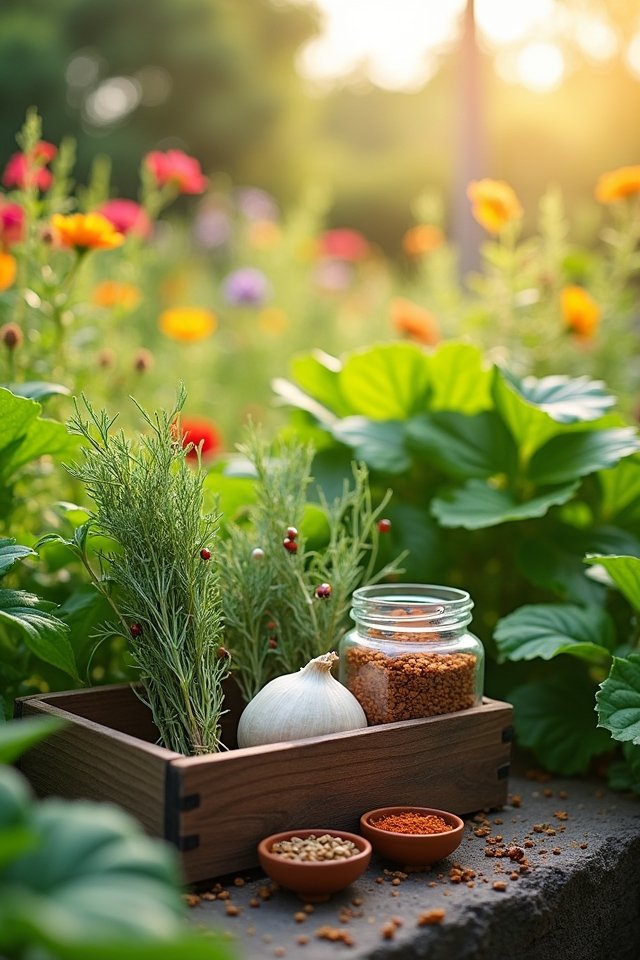
To keep your garden thriving and pest-free, using natural deterrents can be both fun and effective! Imagine crafting your own herbal sprays, infused with the aroma of rosemary or peppermint, which not only smell divine but keep pesky pests at bay. Have you tried mixing water with a few drops of essential oils? It’s like a spa day for your plants—giving them a rejuvenating shield against aphids and other nuisances! Plus, who wouldn’t love the idea of nature’s fragrances wafting through the air? Splash some lemon or eucalyptus oil into your garden routine, and watch those unwanted visitors scatter. Isn’t it amazing how simple ingredients can create such a vibrant, pest-resistant paradise? Your garden will thank you!
Regularly Monitor the Garden
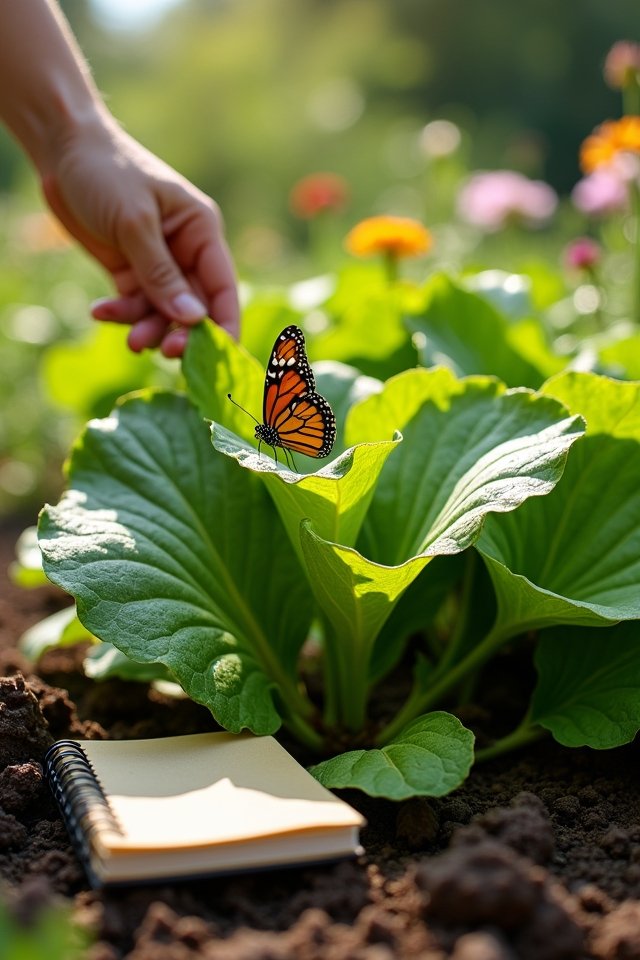
While you might think your garden can thrive on its own, keeping a close eye on it can make all the difference! Regular garden observations are like checking in on a friend; you’ll discover problems before they bloom into disasters. Grab your magnifying glass and look for unusual spots on leaves or tiny critters nibbling away at your hard work! Quick pest identification is key—catch those pesky invaders early, and you’ll save your precious veggies! Snap some photos, keep a journal, or even use an app to track what you see. You’ll be amazed at how a little vigilance turns into a triumph over garden pests, keeping your plants healthy and your harvest bountiful! Happy monitoring!
Create Physical Barriers
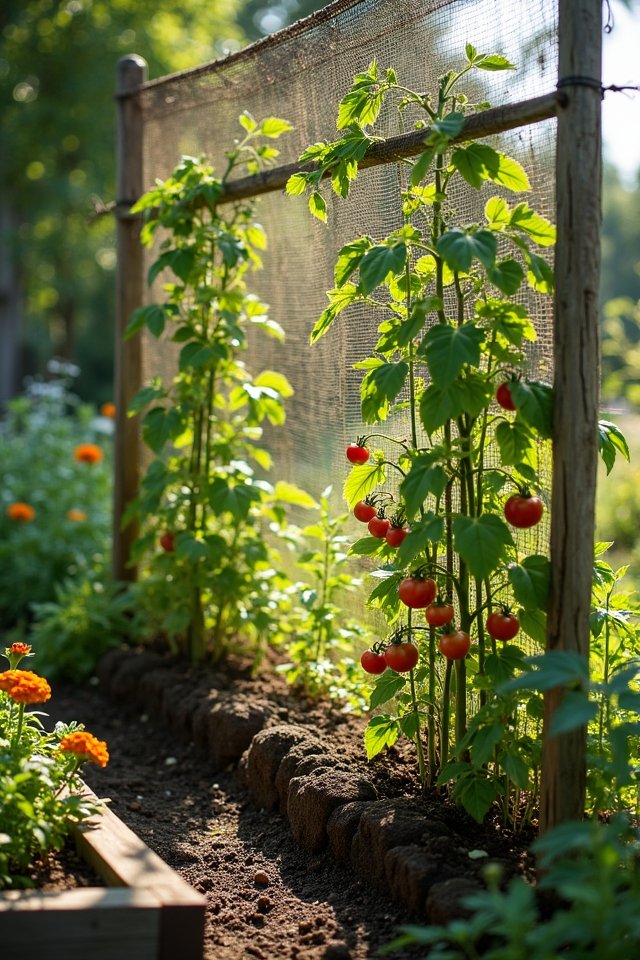
After keeping a watchful eye on your garden, it’s time to roll up your sleeves and build some defenses! Think of physical barriers as your garden’s knightly armor, protecting your precious plants from sneaky pests. Start with some clever netting options; lightweight and breathable, they guard against hungry birds and pesky insects while still letting sunlight splash through! Row covers are another fantastic alternative—you’ll shelter your plants against frosty nights and cocky critters, all while they whisper, “Thank you!” Just envision your thriving tomato plants dancing beneath these protective layers, safe from harm. Getting innovative with barriers not only keeps bugs at bay but adds an exciting feature to your garden! Ready for battle? Let’s do this!
Frequently Asked Questions
What Are the Signs of a Pest Infestation?
Noticing the signs of a pest infestation is essential! Look for pest damage like chewed leaves or tiny holes, as if nature’s gone wild with a pair of scissors! Pay attention to insect behavior—ants marching or aphids clustering—they’re not just on a leisurely stroll. If you spot frass, which is bug poop (yes, it’s real!), that’s a strong signal! So, keep your garden’s secrets safe and be vigilant, garden warrior! 🌿
How Can I Identify Specific Garden Pests?
Imagine your garden’s a stage, and common garden pests are the unwelcome actors! To identify them, use pest identification techniques like examining leaf holes or frass. Have you spotted tiny aphids or caterpillars munching away? Look closely; they’re often disguised! Check under leaves for beetles or their eggs. Knowing your pests helps you act fast. Don’t let them steal the spotlight—your flowers deserve their time to shine! Keep observing, and you’ll become a pest detective!
What Are the Best Times of Year for Pest Prevention?
The best times for pest prevention? Think spring preparation and fall cleanup! In spring, while you’re planting vibrant blooms, you’ve got to set traps and barriers to keep pests at bay. Fall cleanup’s your last line of defense! When leaves crunch underfoot, clear debris to eliminate pests’ cozy hiding spots. It’s like fortifying your castle! So, are you ready to make your garden a pest-free paradise? Your plants will thank you!
Should I Use Chemical Pesticides in My Garden?
Should you use chemical pesticides in your garden? Well, unless you’re trying to cultivate a science experiment, let’s not! Instead, think about organic alternatives like neem oil or garlic spray, which work wonders for pest control without the harsh chemicals. Isn’t that a refreshing change? You’ll keep your veggies safe and sound, all while embracing nature’s quirky little helpers. Who knew pest fighting could be so eco-friendly and fun?
How Do Weather Conditions Affect Garden Pests?
Weather conditions play an essential role in shaping pest behavior! For instance, warm, wet spells can release a swarm of aphids, while drought might send them packing. Think of weather patterns as a stage, where nature’s tiny actors perform! When temperatures fluctuate, pests often emerge earlier, surprising you in spring. So, keep an eye on the forecast! After all, understanding the weather’s moods helps you prep your garden like a pro!