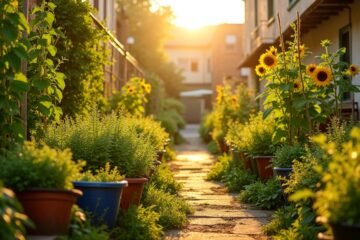
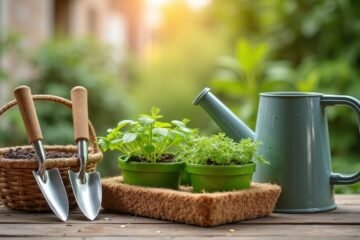
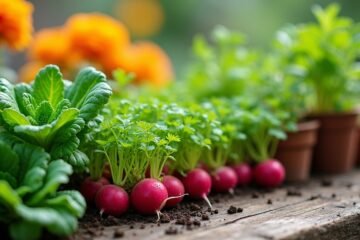
Small space edible gardening for sustainability is all about transforming your cozy balcony or sunny window sill into a tasty green paradise! Imagine plucking fresh basil for your pasta or snacking on cherry tomatoes right outside your door! By using clever techniques like vertical gardening and hanging planters, you max out every inch of space while boosting your eco-friendly lifestyle. It’s like having your own mini-farm! Stick around, and you’ll discover even more juicy tips to grow your urban oasis!
Understanding Small Space Edible Gardening
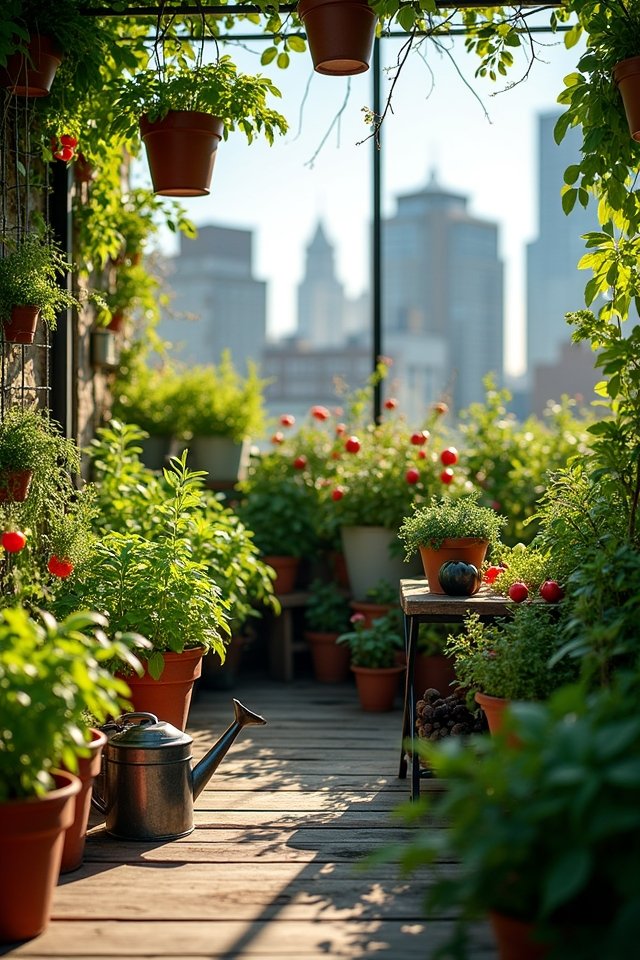
When you think about gardening, you might imagine sprawling fields or big backyards filled with lush greenery. But what if you live in a bustling city? That’s where urban gardening comes in! You can transform tiny balconies or even window sills into vibrant green spaces! Vertical gardening is a game-changer here; it lets you grow upwards, saving precious ground space. Picture hanging planters bursting with colorful herbs or cascading tomatoes—delicious and delightful! You can tuck in pots of strawberries beside your door or stack herbs on tiered shelves. Gardening in small spaces isn’t just possible—it’s innovative and inspiring! Who knew limited space could spark such creativity? So, roll up your sleeves and get growing in your urban jungle!
Benefits of Edible Gardening for Sustainability
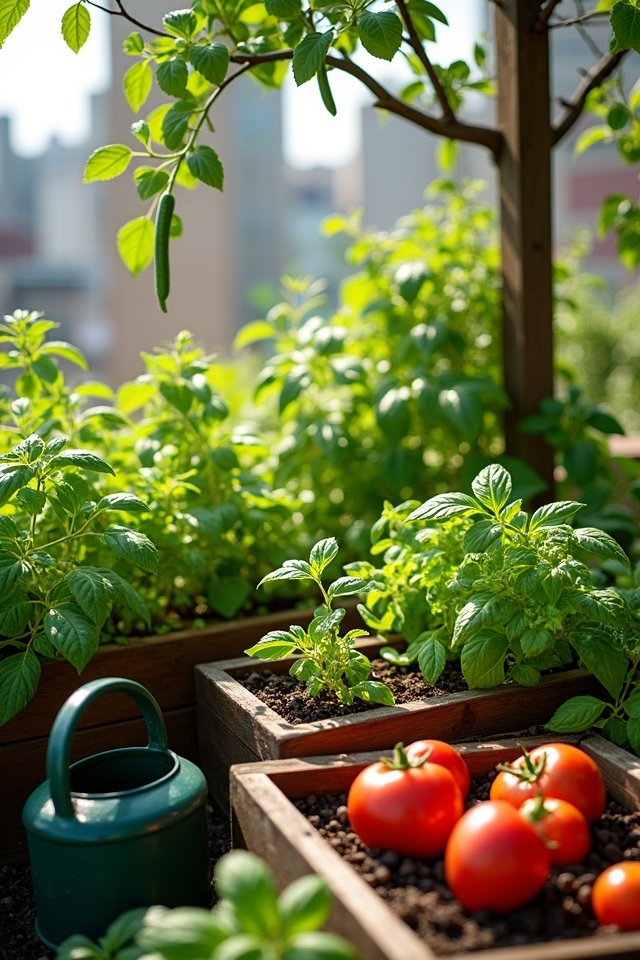
Edible gardening isn’t just a way to add greenery to your small space; it’s a fantastic path toward a more sustainable lifestyle! Just imagine picking fresh tomatoes right outside your window. By practicing innovative techniques like vertical gardening, you maximize your space and create a vertical jungle of flavor. Plus, when you incorporate crop rotation, you’re not just planting; you’re fostering healthier soil and reducing pests naturally—like giving your plants a spa day! Why just beautify your space when you can nourish it, too? Every herb and veggie you grow is a delicious step toward self-sufficiency. So, get ready to dig in! Your little garden can spark big changes for you and the planet. Let’s grow together!
Choosing the Right Plants for Limited Spaces
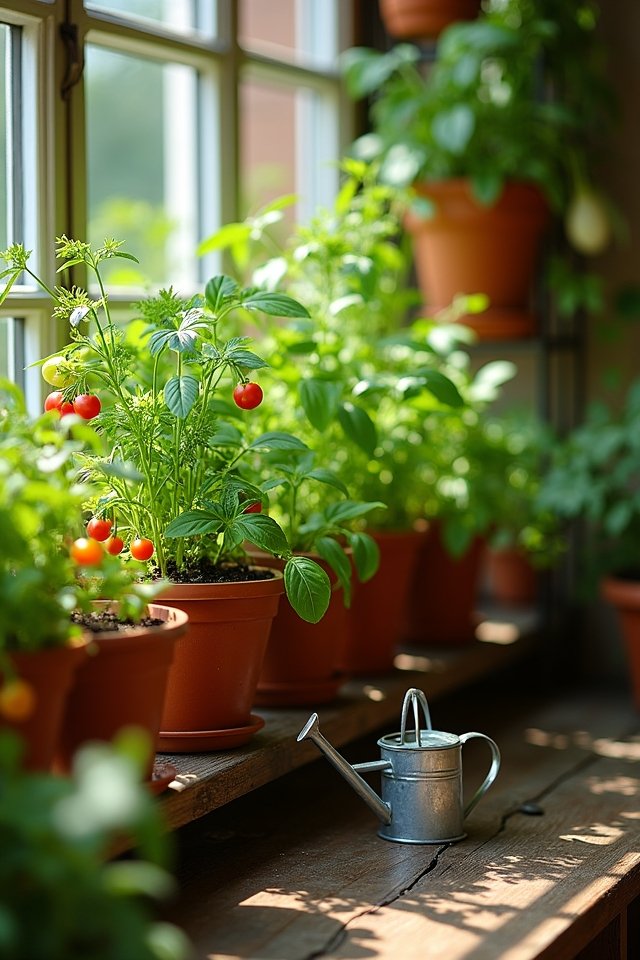
Choosing the right plants for your tiny garden can feel like a delightful puzzle, especially since your space deserves all the flavor it can handle! Think vertical gardening—growing herbs like basil or parsley in hanging pots saves precious ground space. Dwarf varieties of popular veggies, like cherry tomatoes or baby carrots, pack flavor without sprawling all over. Don’t forget space-efficient crops, such as radishes or leafy greens—they mature quickly and can even double up for harvests! As you immerse yourself in plant selection, let your creativity shine. Imagine a lush tapestry of greens and colors in that compact area, filling the air with mouthwatering scents. Your little garden can be a vibrant oasis, bursting with flavor and innovation!
Innovative Techniques for Small Space Gardening
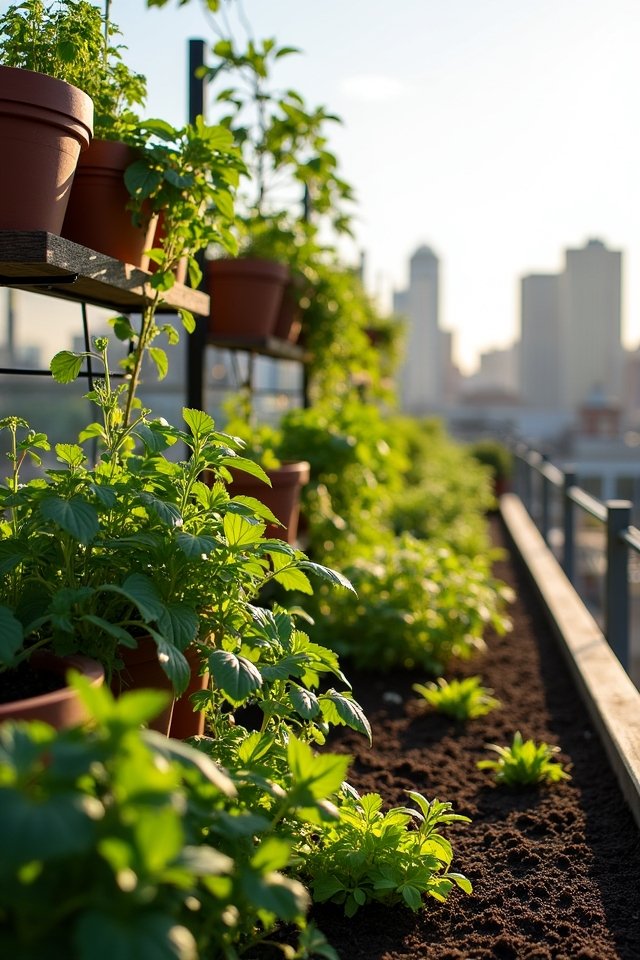
How can you transform your pint-sized patch into a flourishing paradise? You can unleash the potential of small space gardening with innovative techniques! Try vertical gardening to maximize your growth. Imagine fresh herbs or vibrant strawberries climbing your walls! Hydroponic systems can revolutionize your yield, growing plants in nutrient-rich water without soil. Feeling adventurous? You could even create a mini aquaponics setup, combining fish and plants for a symbiotic relationship!
Here are some bold ideas to ignite your creativity:
- Use repurposed shelves for stunning vertical displays
- Experiment with wall-mounted planters
- Incorporate hanging pots for cascading greenery
- Design a compact herb spiral
- Build a smart hydroponic garden indoors
Let your tiny garden shine—every square inch counts!
Container Gardening: Tools and Tips
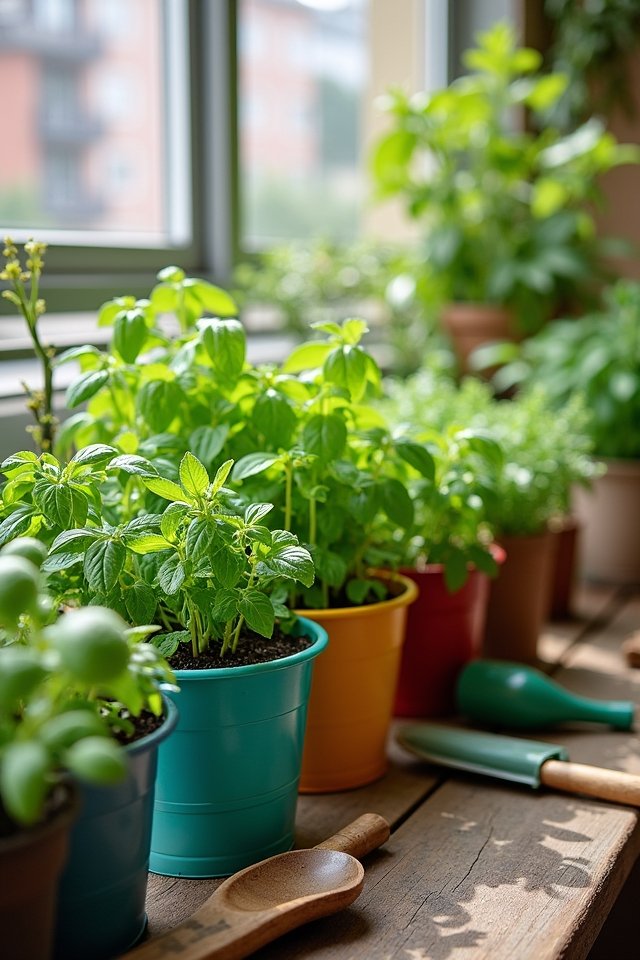
When you think about container gardening, imagine transforming even the tiniest corner of your home into a lush paradise! It’s time to release your inner green thumb! Start with diverse container types—ceramic pots for herbs, wooden boxes for veggies, or even repurposed items like old buckets. Essential tools? Grab a trowel, pruning shears, and a watering can, and you’re golden! Don’t forget quality soil; it’s got your roots’ back! Mix in some mulch for moisture retention, and watch your plants thrive. And let’s not overlook drainage—no one wants sad, soggy roots! So, what are you waiting for? Immerse yourself in container gardening and be amazed by how a few pots can brighten your life and provide fresh food right at your fingertips!
Companion Planting for Maximizing Yield
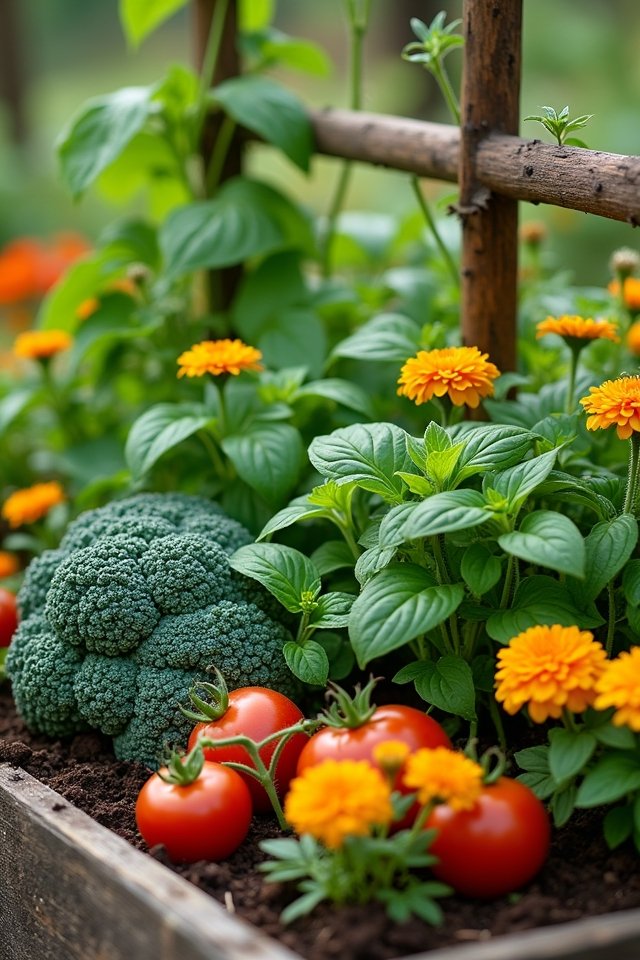
Imagine walking through your little garden oasis, where every plant works in harmony, like a well-orchestrated symphony! Companion planting is your ticket to maximizing yield and creating a vibrant, thriving space. By using interplanting strategies, you can boost growth and deter pests naturally. It’s like pairing wine with cheese—some plants just work better together!
- Plant basil near tomatoes to enhance their flavor and repulse flies.
- Grow carrots alongside onions; they’ll help keep each other pest-free.
- Alternating crops in rotation prevents depletion of soil nutrients.
- Mix leafy greens with herbs for an aromatic touch.
- Use marigolds around your veggies to ward off annoying insects.
Ready to create your own culinary masterpiece? Happy planting!
Soil Health and Sustainable Practices
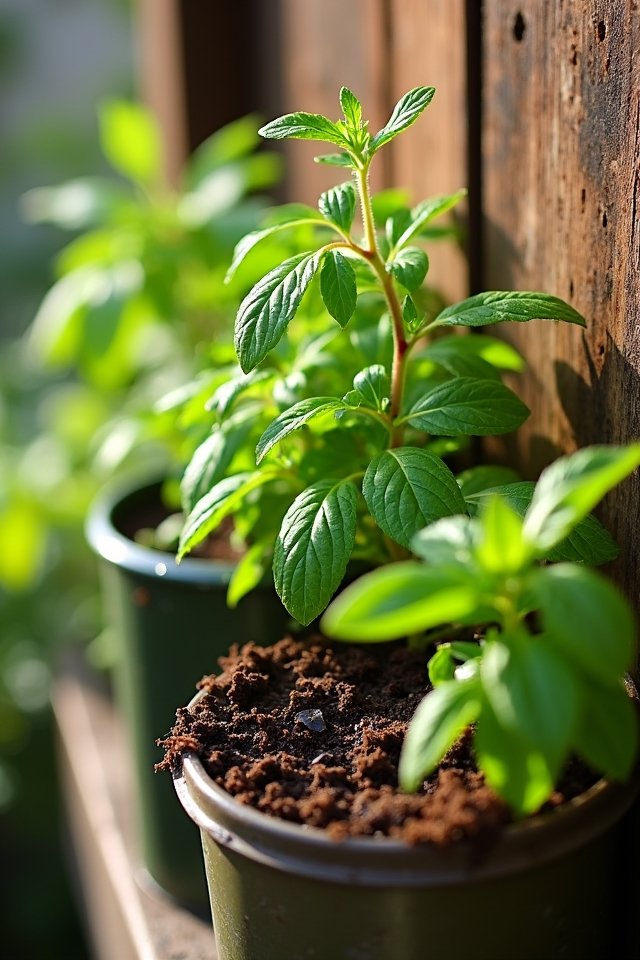
Soil health is the backbone of your small garden oasis, and nurturing it can feel like giving your plants a spa day! When you focus on soil management, you’re creating a thriving environment for your edible beauties. Think of organic amendments as gourmet meals for your garden. Adding compost or worm castings is like serving a five-course dinner—rich in nutrients and full of life! Plus, incorporating cover crops can help improve soil structure and prevent erosion. You want your plants to flourish, right? So, check moisture levels, promote earthworm activity, and keep that soil balanced. Remember, happy soil means happy plants! Ready to watch your garden thrive? Let’s dive deep into that nourishing earth together!
Seasonal Planning for Continuous Harvests
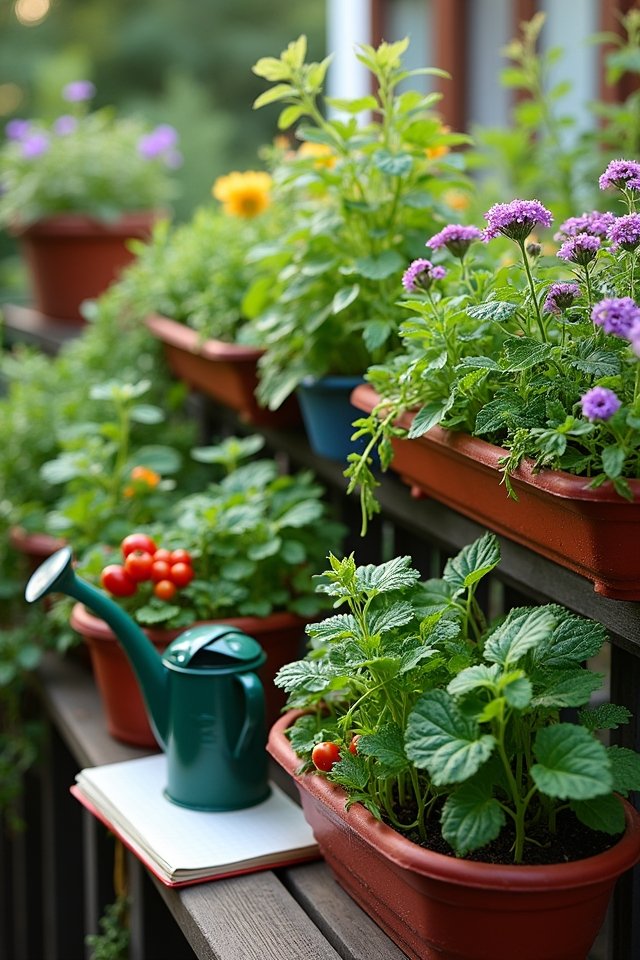
Planning your garden throughout the seasons can turn your small patch of earth into a year-round smorgasbord! Welcome the beauty of harvest scheduling and crop rotation to keep your garden vibrant and productive. Imagine switching out your lettuce for hearty kale as winter whispers in! Here are some innovative tips to keep your garden thriving:
- Start with early spring seeds like radishes or peas.
- Transition to summer crops like tomatoes and peppers.
- Incorporate fall favorites such as squash and carrots.
- Use companion planting to boost growth and deter pests.
- Adopt winter gardening techniques with cold frames for fresh greens.
Frequently Asked Questions
How Much Sunlight Do Small Space Gardens Typically Need?
When you’re setting up your small space garden, think about sunlight requirements first! Most edible plants crave at least six hours of direct sun daily. Position your garden toward the sunniest side—like a sunflower following the light! Try a southern orientation for maximum exposure, but don’t fret if you’ve got some shade; leafy greens and herbs can still thrive there. Remember, with a little creativity, you can grow deliciousness anywhere!
Can I Grow Edible Plants Indoors?
Absolutely, you can grow delicious edible plants indoors! Imagine plucking fresh basil from a stylish container right on your kitchen counter. Indoor gardening is not just practical; it’s a delightful way to enhance your cooking! Use pots that match your kitchen decor for a splash of style. Just guarantee your plants get enough sunlight or consider grow lights! Who wouldn’t want fresh herbs at their fingertips? Bring those flavors home; your taste buds will thank you!
What Are the Best Herbs for Small Spaces?
When it comes to herb selection for small spaces, you’ve hit the jackpot! Try growing basil, parsley, or chives—in adorable containers, they’ll make your kitchen pop! Don’t forget about mint; it’s vigorous and smells like a fresh breeze. Imagine snipping fresh herbs for your dishes! You’ll feel like a culinary artist! Plus, they thrive in sunshine—just a few hours a day, and you’re golden! So, get potting and let your taste buds dance!
How Often Should I Water My Small Garden?
You might think watering’s a simple task, but it’s an art! For your small garden, aim to check soil moisture a few times a week. Stick your finger into the soil—if it’s dry up to your knuckle, it’s thirsty time! In hot weather, daily watering’s ideal, while cooler days may only need it every few days. Your plants will quench their thirst like you enjoy a revitalizing drink on a sunny day!
Do Small Space Gardens Attract Pests?
Yes, small space gardens can attract pests, but don’t fret! You can tackle this issue with some clever pest prevention techniques. Think natural repellents, like planting marigolds next to your lettuce—it’s like giving pests a stern “Stay away!” You can also use a mix of garlic and water for a DIY spray! Keep a close eye on your plants, and remember: a little vigilance goes a long way in keeping your garden healthy and thriving!