Managing pests in small space gardens can feel like a battle, but don’t worry! You can turn the table with some clever tricks. Imagine ladybugs as your tiny knights, swooping in to gobble up aphids. Or, think of garlic spray as your secret weapon against those pesky critters! Cover your precious plants with row covers to keep pests at bay, and watch for sneaky spider mites hiding on leaves. Ready to learn more tips that make gardening feel like a breeze?
Understanding Common Pests in Small Gardens
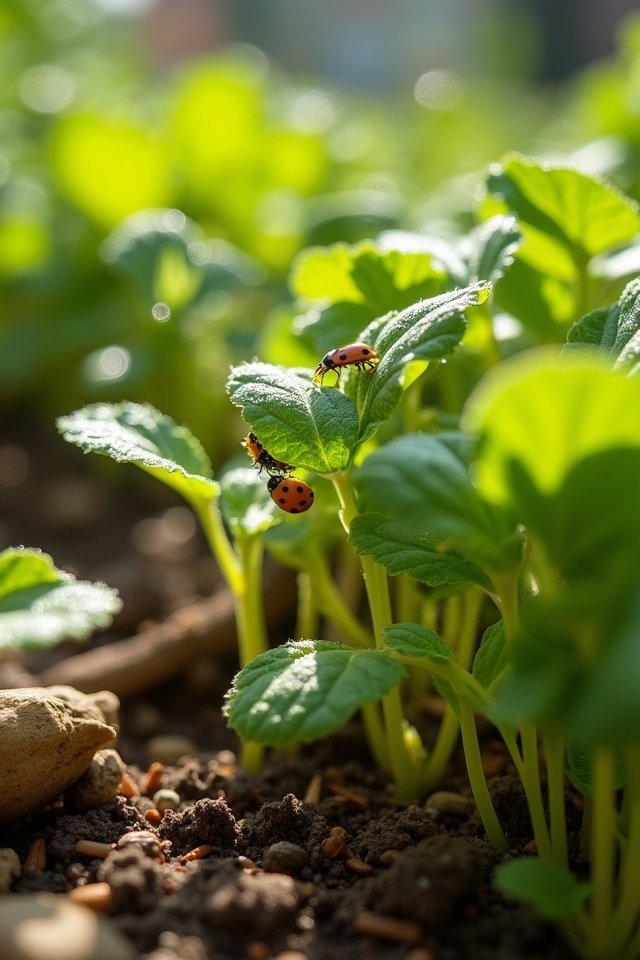
When you’re digging your hands into the rich soil of your small garden, the last thing you want is an army of pesky pests marching in to ruin your hard work! To keep your plants thriving, you need sharp pest identification skills. Start by recognizing signs of trouble—like chewed leaves or sticky residue—which point to specific critters. Knowing the pest lifecycle is essential too! For example, aphids lay hundreds of eggs; catching them early prevents a full-on invasion. Keep an eye out for beautiful butterflies turning into caterpillars; they can wreak havoc! With a bit of observation and knowledge, you’ll feel like a garden superhero, conquering pests and protecting your blooming paradise! Isn’t that the goal? Let’s explore this!
Seasonal Pest Challenges in Small Space Gardens
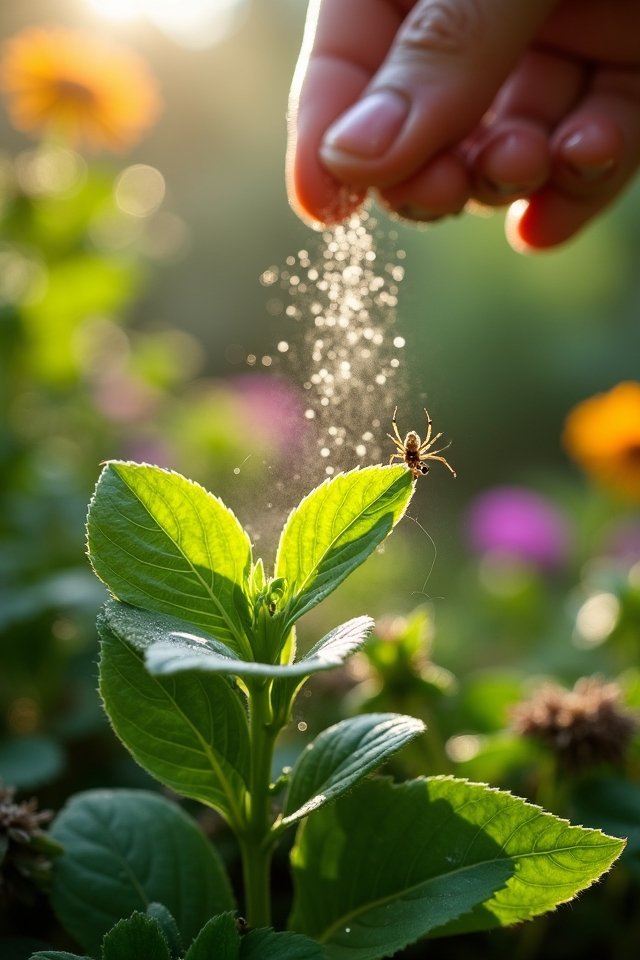
As each season rolls in, your small space garden transforms into a vibrant tapestry of color, but with that beauty comes a few unwelcome guests! It’s essential to understand how pest behavior shifts with seasonal timing. Each time the weather warms or cools, different pests emerge looking for a snack. Stay on your toes to combat these seasonal challenges:
- Spring: Watch for aphids and their sneaky invasion.
- Summer: Keep an eye out for spider mites, ready to munch on your leaves.
- Fall: Caterpillars can stealthily munch through your plants.
- Winter: Some pests find refuge in your soil!
- Year-round: Fungal gnats thrive in moist conditions.
Stay proactive and innovate—your garden’s health depends on it! Who knew pests could be so seasonal?
Natural Predators: Allies in Pest Control
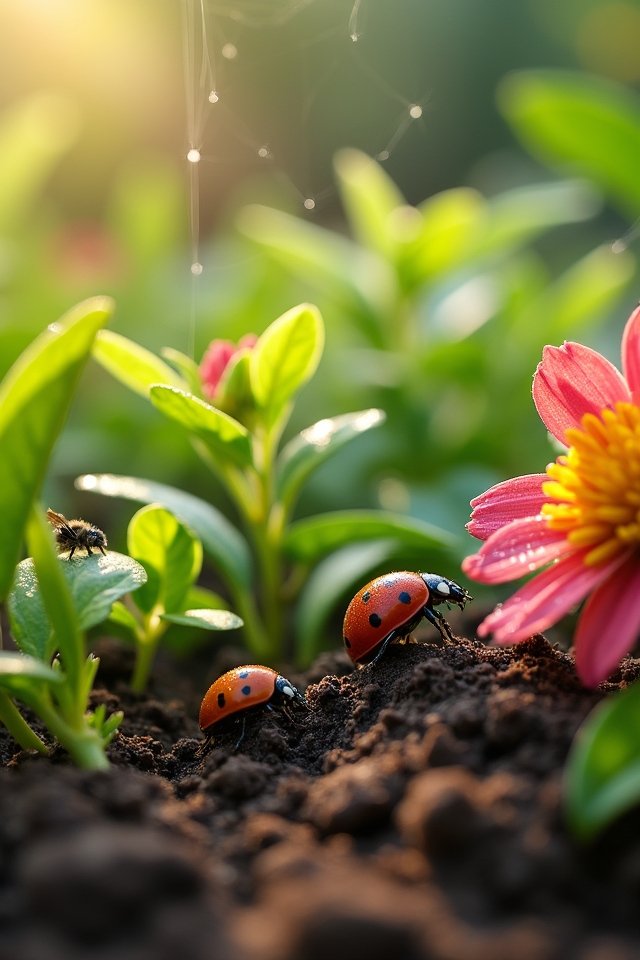
Just as pesky insects start invading your garden, it’s time to call in the troops—your garden’s very own superheroes! Meet beneficial insects like ladybugs and lacewings, who’ll swoop in to save the day. They’re not just cute; they thrive on the same pests that cause you headaches! By championing pest diversity, you create a dynamic ecosystem where these allies can flourish. A healthy balance of good bugs will keep those troublemakers in check. Think of this as nature’s balance, where every critter plays a part. Plus, bringing in these natural predators reduces the need for harsh chemicals, making your garden safer and more vibrant! Ready to release your secret garden warriors? Let the pest-busting adventure begin!
Organic Solutions for Pest Management
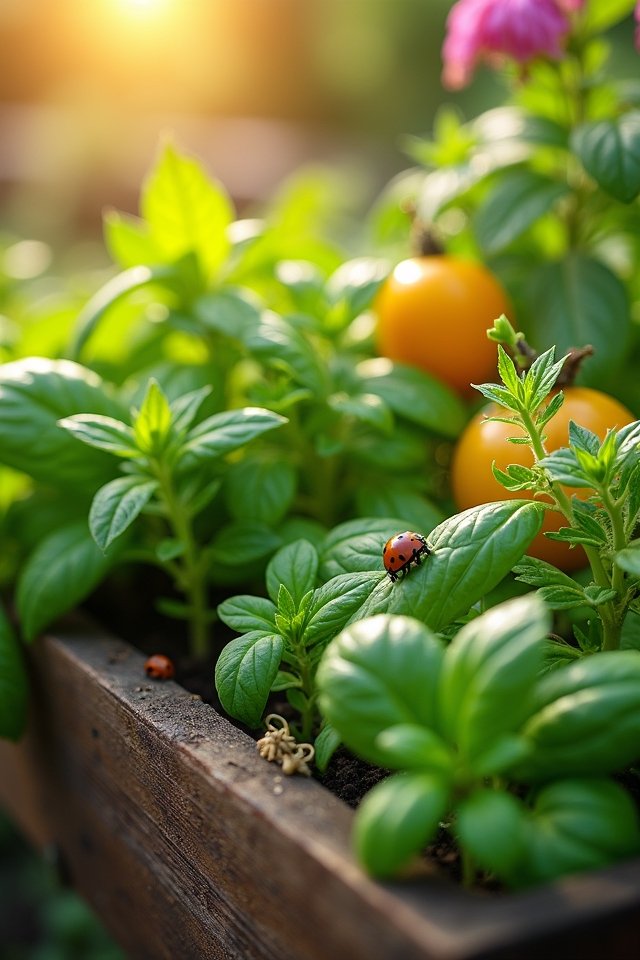
Though tackling pests might feel like battling tiny monsters in your garden, don’t worry—organic solutions are here to save the day! You can create a safe haven for your plants while keeping those pesky invaders at bay. Think of biological controls like inviting a superhero to your garden party! Plus, you can whip up homemade sprays with everyday ingredients.
- Create a garlic spray to deter aphids.
- Use neem oil to combat a variety of pests.
- Introduce ladybugs for natural pest control.
- Mix a soap solution to suffocate spider mites.
- Brew a chili pepper spray for an extra kick against unwanted guests.
Embrace these innovative methods, and watch your garden flourish without harmful chemicals!
Companion Planting: A Strategy Against Pests
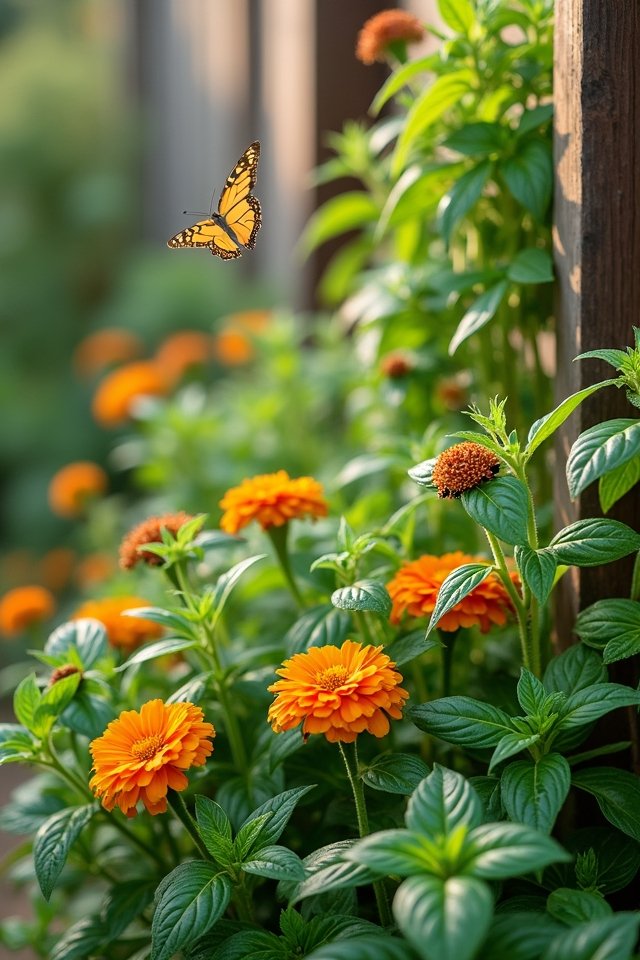
Companion planting is like throwing a fabulous garden party, where each plant invites friends that help keep the pests away! Imagine marigolds dancing alongside tomatoes; their vibrant blooms act as pest deterrents—who wouldn’t want that? Sweet basil isn’t just delicious; it pairs beautifully with tomatoes to repel those pesky flies, too! And let’s not forget about the delightful combo of carrots and onions—this duo confuses pests and keeps them guessing. Each plant pairing you choose creates a balanced ecosystem, helping your small space garden thrive! By welcoming these botanical buddies, you not only enhance growth but also create a natural fortress against unwelcome invaders. So, invite your plants to mingle and watch your garden sparkle with life!
Physical Barriers and Traps
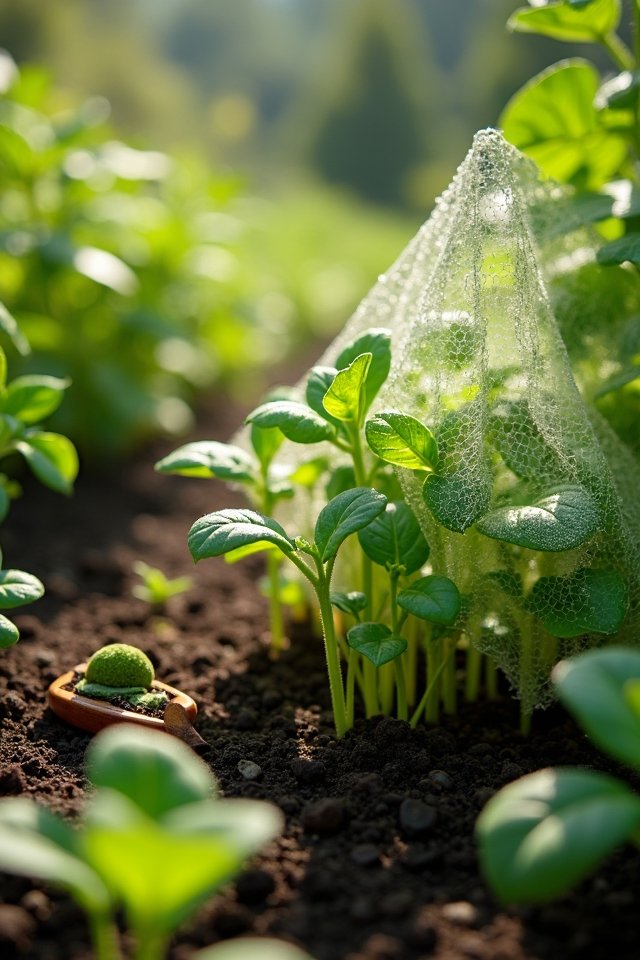
Once your plants are mingling like the best of friends, it’s time to step up your pest-control game with some clever physical barriers and traps! You’ll be amazed at how these simple designs can keep uninvited guests at bay.
- Row covers: Think of them as cozy blankets, protecting plants from pests.
- Copper tape: This shiny fence gives slugs the heebie-jeebies!
- Sticky traps: A sticky welcome mat for aphids and gnats that you didn’t want.
- Insect netting: Like a security detail, it keeps the nasties out while letting light in.
- Bottle traps: Repurposed soda bottles can catch sneaky insects effectively!
These innovative pest barriers and trap designs aren’t just practical; they’re also a fun way to battle unwanted visitors! So why wait? Let’s keep your garden thriving!
Monitoring and Early Detection Techniques
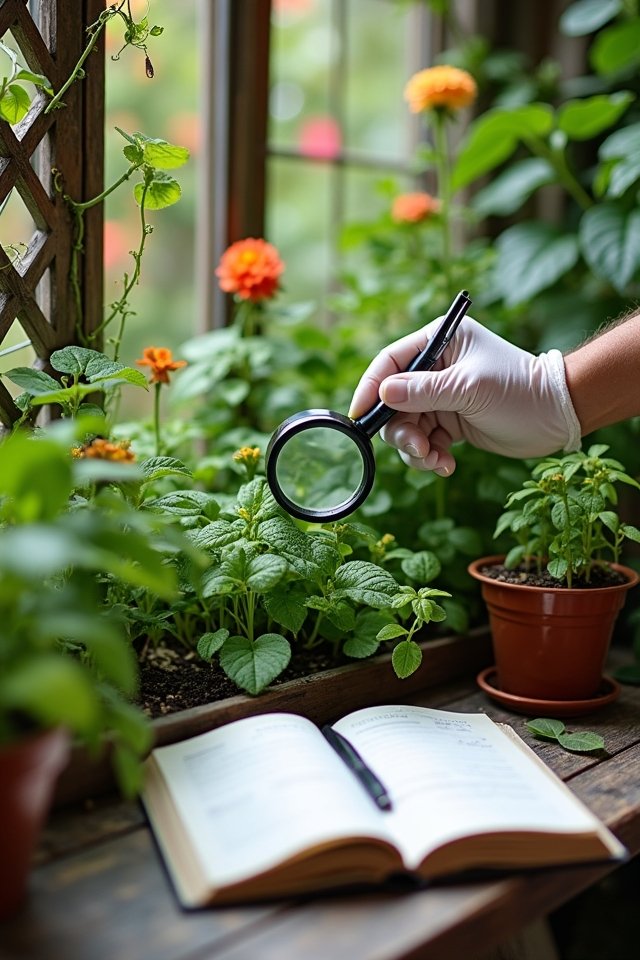
In the bustling world of your small space garden, keeping an eye on those pesky pests is essential—like being a detective on a thrilling case! You need to develop sharp garden observation habits, scanning leaves and soil daily. Think of it as a treasure hunt; the sooner you spot those sneaky intruders, the better! Familiarize yourself with pest identification techniques, using resources like apps or garden guides to pinpoint nuisances. Keep a notebook handy to track changes and patterns, transforming you into the garden’s Sherlock Holmes! Your senses are your best allies—notice unusual colors, strange textures, or unexpected bites. And remember, a vigilant gardener is a happy gardener, catching issues before they spiral into chaos!
Seasonal Crop Rotation to Prevent Infestations
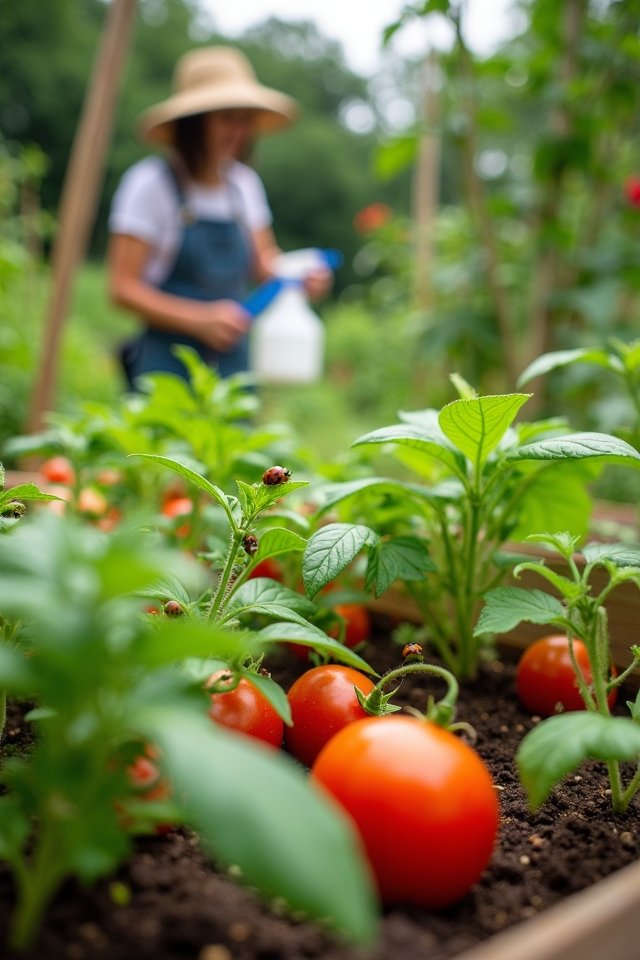
As you plan your garden for the next growing season, think about the magic of seasonal crop rotation—it’s like giving your plants a mini vacation! By switching up your crops, you’ll boost crop diversity, enhance soil health, and prevent pesky infestations. Here are some fun ideas to keep in mind:
- Rotate crops like tomatoes and peppers with leafy greens.
- Follow legumes with root veggies to replenish nutrients.
- Use companion planting to further repel pests and attract beneficial bugs.
- Try cover crops during off-seasons to maintain soil structure.
- Keep records of what worked best and where, so you can innovate next time!
Best Practices for Maintaining Pest-Free Gardens
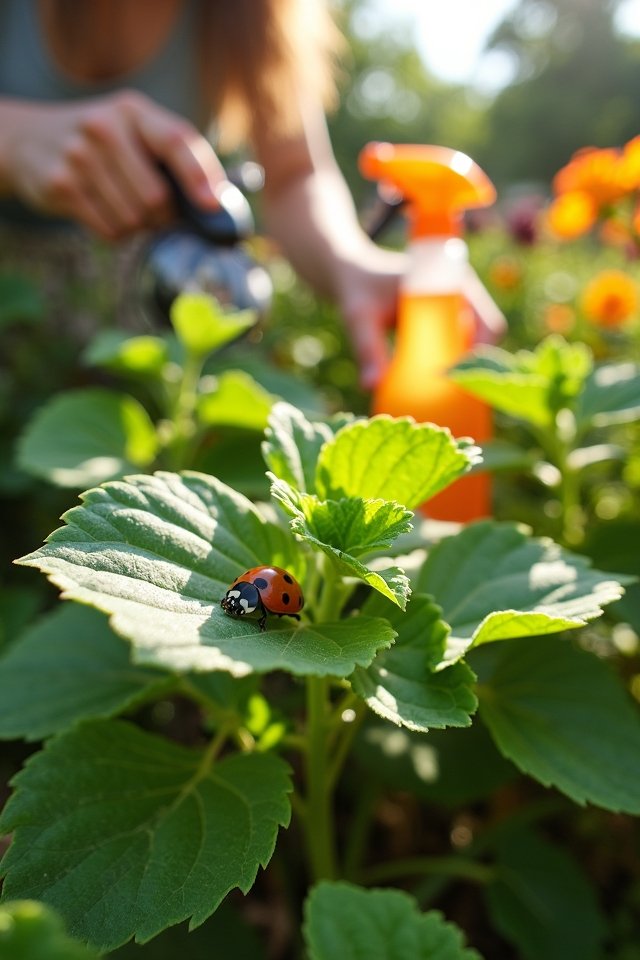
When you’re tackling the challenge of keeping your garden pest-free, it’s like gearing up for a friendly battle against tiny intruders! To win this war, adopt integrated pest management—think of it as your secret weapon. Rotate your crops regularly, employ urban gardening techniques, and invite beneficial insects to join your side. Plant marigolds or basil near your veggies; these floral allies repel pests while adding vibrant color! And remember to keep your plants healthy; a strong garden withstands attacks better than a weak one! Regularly inspect your plants, looking for signs of trouble. If you spot any pests, act fast! Use neem oil or insecticidal soap—your garden will thank you for being a vigilant guardian!
Frequently Asked Questions
How Do I Identify Pests Without Harming My Plants?
To identify pests without harming your plants, get ready to be Sherlock Holmes of your garden! Use pest identification methods like inspecting leaves for tiny bite marks or unusual spots. Grab a magnifying glass to spot those sneaky pests! Don’t forget about beneficial insects—they’re your plant’s superheroes! Ladybugs and lacewings help keep the bad bugs at bay. With some keen observation, you’ll protect your plants and keep your garden thriving! Isn’t nature amazing?
Can Pets or Children Be Harmed by Organic Pest Solutions?
You’ve got to love pets and kids, but you worry about organic solutions safety, right? Thankfully, many pet-friendly treatments exist! For example, diatomaceous earth is like a superhero in a powdery cape, tackling pests while staying gentle. Always double-check labels for non-toxic info, just to be safe. Plus, your little ones can help sprinkle it around! Keeping your garden lush and your loved ones safe? That’s a win-win! 🌿
What Are the Signs of a Serious Pest Infestation?
You know it’s time to worry when you see infestation signs! Look for wilting leaves, tiny holes, or sticky residue. Those pesky critters leave their mark—like nature’s graffiti! A sudden drop in growth is a big red flag, too. You might even discover webs or eggs lurking in your plants! Remember, catching pest damage early is like finding your favorite snack hidden in a cabinet: pure delight, and it saves your garden!
Is It Safe to Use Chemicals in Small Space Gardens?
Are you wondering if those chemical sprays are safe for your garden? While they might promise quick results, remember that chemical safety is essential! You don’t want to harm your plants or yourself. Why not try natural alternatives? Neem oil and insecticidal soap are like nature’s superheroes! They zap pesky bugs while keeping your plants happy. It’s all about finding that balance—your little oasis deserves only the best! Happy gardening!
How Can I Maintain Pest Control in Container Gardens?
To maintain pest control in your container gardens, consider companion planting! Pairing marigolds with your tomatoes not only brightens the space but deters pesky bugs too. Plus, using natural repellents like neem oil works wonders! Just imagine that fresh scent wafting through the air while keeping those unwanted guests at bay. Don’t forget to check your plants regularly; a quick inspection can save your thriving garden from becoming a buffet for critters!