To create a flourishing small vegetable garden, maximize vertical space with vibrant climbing plants like peas and cucumbers! Choose high-yield crops, such as cherry tomatoes and crunchy radishes, to pack a punch in productivity. Don’t forget companion planting—pair basil with tomatoes to repel pesky critters! With these tips, your little garden can burst with fresh flavors and colors. Curious about more creative garden strategies? There’s so much more to explore for your green oasis!
Maximize Vertical Space
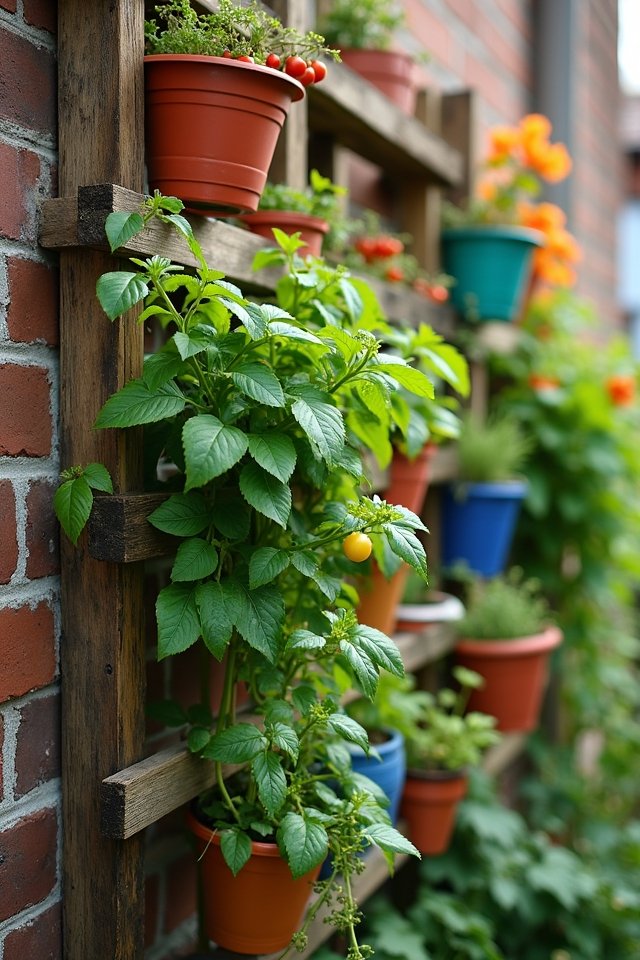
When you’re working with a tiny garden, don’t let limited space cramp your style! Instead, think vertically! Vertical planters can transform your garden into a lush, green oasis. Imagine vibrant climbing plants like peas or cucumbers reaching for the sun, their tendrils curling around trellises. You can create a stunning living wall, bursting with color and life!
Consider hanging pots or stacked planters, which not only save space but also add a unique flair. You’ll get fresh veggies and a beautiful garden, all in one! Who knew vertical gardening could be so stylish? So, grab some climbing plants and elevate your gardening game. Your tiny garden will thank you, and you’ll enjoy the delightful harvest! Isn’t that a win-win?
Choose High-Yield Crops
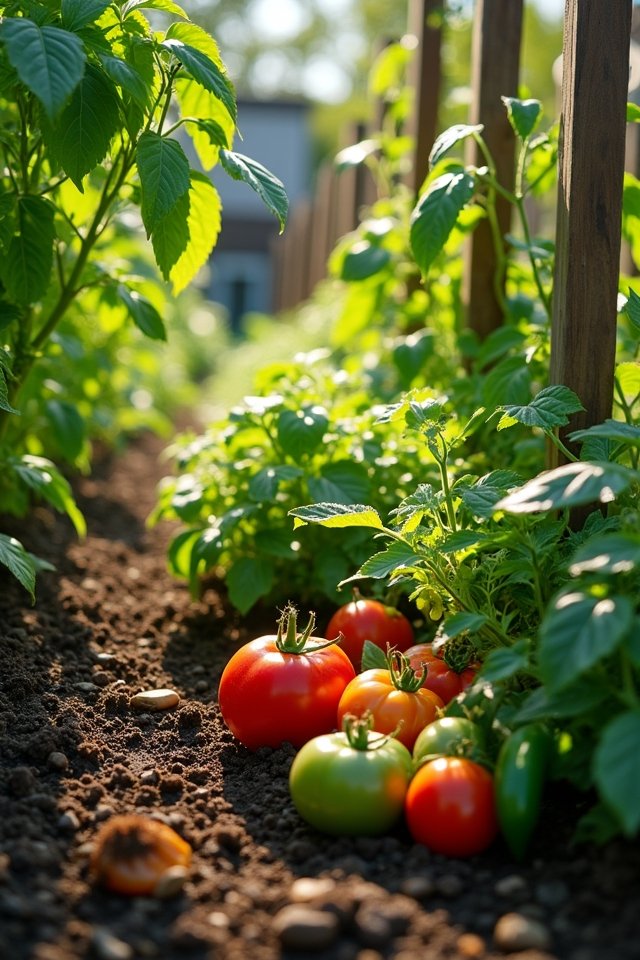
To make the most of your small garden, choosing high-yield crops is a game changer! Think about planting vibrant cherry tomatoes or crunchy radishes—these beauties can give you a bountiful harvest in a short time. With smart crop selection, you’ll pack your garden with flavors and nutrients! Imagine biting into a juicy tomato just days after picking—pure bliss!
Don’t forget about harvest timing! Quickly maturing crops like lettuce or spinach can help you enjoy fresh salads before the season even ends. It’s like a culinary race, and you’re winning! By focusing on high-yield options, you’ll maximize every inch of your garden, creating a delicious feast right outside your door. Who knew small spaces could yield such big rewards?
Implement Companion Planting
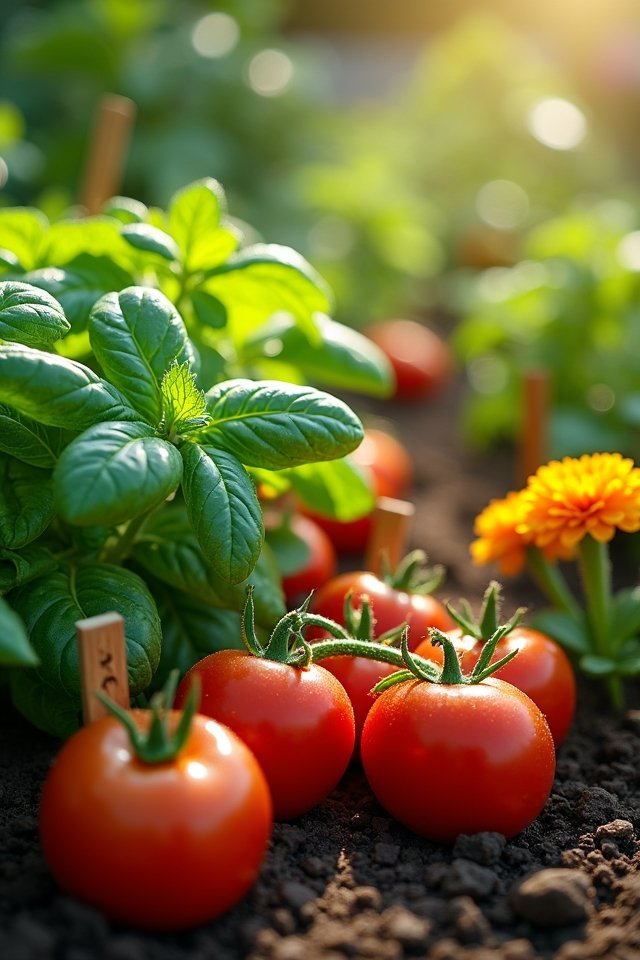
While you might think space is limited in a small garden, implementing companion planting can turn your little patch of earth into a vibrant, thriving ecosystem! Imagine pairing tomatoes with basil—their flavors enhance each other, and basil naturally repels pesky insects. It’s like having a best friend who keeps the bullies away!
You can create fantastic plant pairings like carrots and onions, which confuse pests with their contrasting scents. This clever strategy not only maximizes your space but also boosts your garden’s health. Plus, it’s a fun experiment! So, grab your seeds, think creatively, and watch your small garden flourish. Who knew that a little teamwork could lead to such a bountiful harvest? Get ready to enjoy nature’s perfect pairings!
Frequently Asked Questions
How Do I Choose the Right Location for a Small Vegetable Garden?
How do you find the perfect spot for your small veggie paradise? First, scout for sunlight exposure—most veggies crave at least six hours of glorious sun! Next, think about garden accessibility; you want to reach your plants easily, like a chef reaching for spices. Consider a sunny corner near your kitchen, or even a balcony! With a bit of creativity, your small garden can flourish like a vibrant canvas of fresh produce!
What Type of Soil Is Best for Small Vegetable Gardens?
When it comes to soil for your small vegetable garden, think of it as your plants’ cozy bed! You’ll want a rich soil composition combining loamy, sandy, and clay soils for nutrients and texture. Don’t forget proper drainage techniques, too—you wouldn’t want your veggies swimming! Add compost for a nutrient boost and consider mixing in perlite for aeration. Your plants will thrive in their happy little home, and you’ll be the proud gardener!
How Often Should I Water My Small Vegetable Garden?
How often should you water your small vegetable garden? Well, it’s all about those moisture levels! You’ll want to check your soil—if it feels dry an inch down, it’s time to water. Using efficient watering techniques, like a soaker hose or drip irrigation, keeps your plants happy and thriving! Just remember, too much water can drown them, like a fish out of water! So, keep an eye and adjust as needed!
When Is the Best Time to Plant Vegetables in a Small Garden?
You’ll want to get your hands dirty in spring for the best planting results! The soil warms, and that’s when those little seeds spring to life. Think about planting tomatoes, peppers, or leafy greens. They’ll thrive! As summer sizzles, watch them grow, and by fall, you’ll be ready for a tasty harvest. Picture plucking ripe veggies under a golden sun—pure magic! So, grab your trowel and let’s get started!
How Can I Prevent Pests in My Small Vegetable Garden?
To keep pesky critters at bay in your garden, try using natural repellents like garlic or neem oil! They’re like a superhero cape for your veggies. Plus, companion planting works wonders—pair marigolds with tomatoes to confuse pests. Imagine your garden teaming up like a superhero squad! You’ll not only protect your plants but also create a vibrant, thriving ecosystem. So, roll up your sleeves and let those veggies shine—pests don’t stand a chance!