Transforming your soil for a thriving small vegetable garden is like giving your plants a cozy, nutrient-packed blanket! Start by mixing compost to boost its health and structure, and don’t forget to check that pH level to keep those veggies happy. If your soil’s soggy, try adding sand or building raised beds to improve drainage. With a little love and care, you’ll create an underground wonderland for roots. Curious about more tricks to supercharge your garden? Keep going!
Understanding Soil Composition
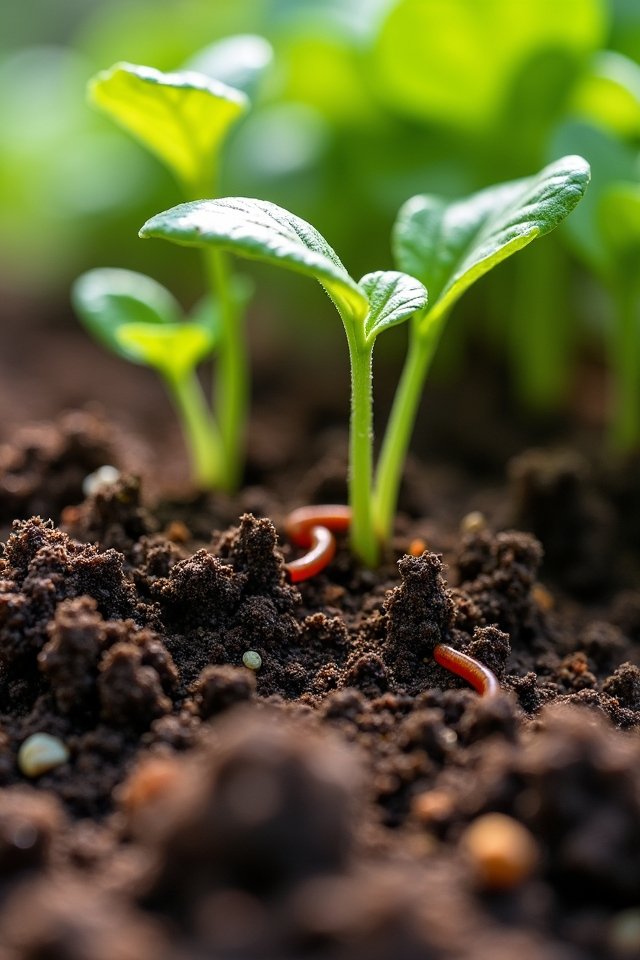
Soil is like the foundation of a delicious cake—without the right ingredients, you won’t get the best results! Understanding soil composition is key to growing vibrant vegetables. Different soil types, like sandy, clay, and loamy, each offer unique benefits. Think of sandy soil as a superhero, draining water quickly and allowing roots to breathe! On the other hand, clay soil holds nutrients tightly, acting like a protective fortress.
Don’t forget about soil layers! The top layer is where all the magic happens—it’s rich in organic matter. Dig deeper, and you’ll find layers that either help or hinder your plants. By mixing compost into your soil layers, you’ll create the perfect recipe for thriving veggies. Ready to dig in? Let’s get started!
Assessing Soil Quality
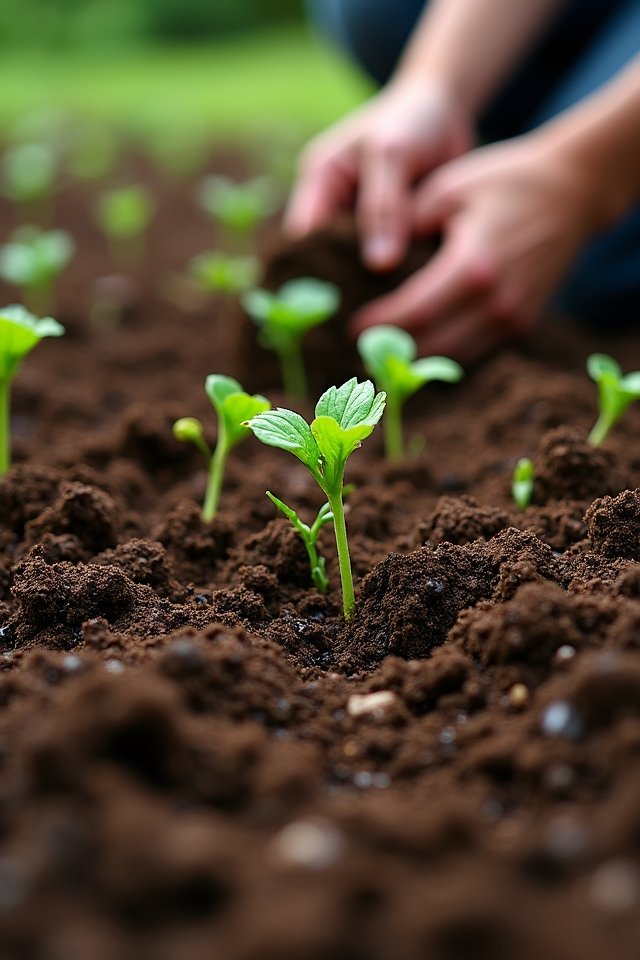
Before you start planting those juicy tomatoes and crunchy cucumbers, it’s essential to assess the quality of your soil! First, dig a small hole and feel the soil texture. Is it sandy, clayey, or loamy? Imagine how different each feels between your fingers! Next, look for signs of microbial activity—tiny critters are nature’s superheroes, churning up nutrients. If you spot earthworms, give yourself a high-five! They’re gold for your garden! You can also check for moisture retention; a handful of soil should clump without turning to mush. Remember, great soil is like a cozy blanket for your plants, nurturing them to thrive. So roll up your sleeves, get your hands dirty, and let the soil reveal its secrets!
Testing Soil Ph Levels
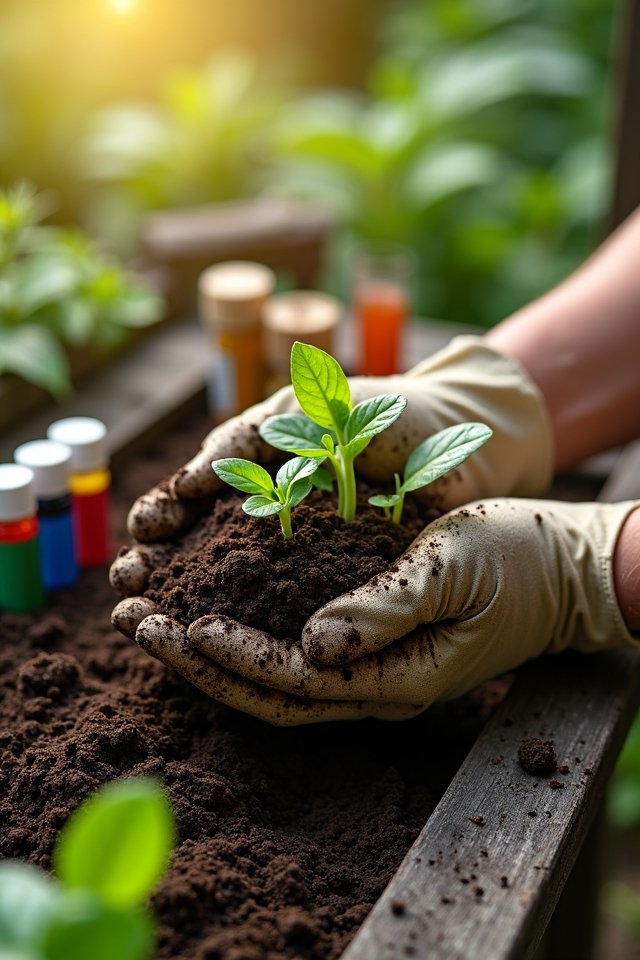
How can you guarantee your plants are getting the nutrients they need? Start with pH testing your soil! This essential step helps you understand whether your garden’s acidity or alkalinity is in the sweet spot for thriving veggies. Most plants love a pH range of 6.0 to 7.5. If your soil’s off, don’t panic—soil amendments like lime can raise pH, while sulfur can lower it. Think of it as tuning a musical instrument; you want everything in harmony! Grab a simple pH test kit, and voilà! You’ve taken the first step toward a bountiful harvest. Your plants will thank you, and you’ll feel like a gardening wizard as you watch them flourish! Ready to dig in? Let’s go!
Improving Drainage in Garden Soil
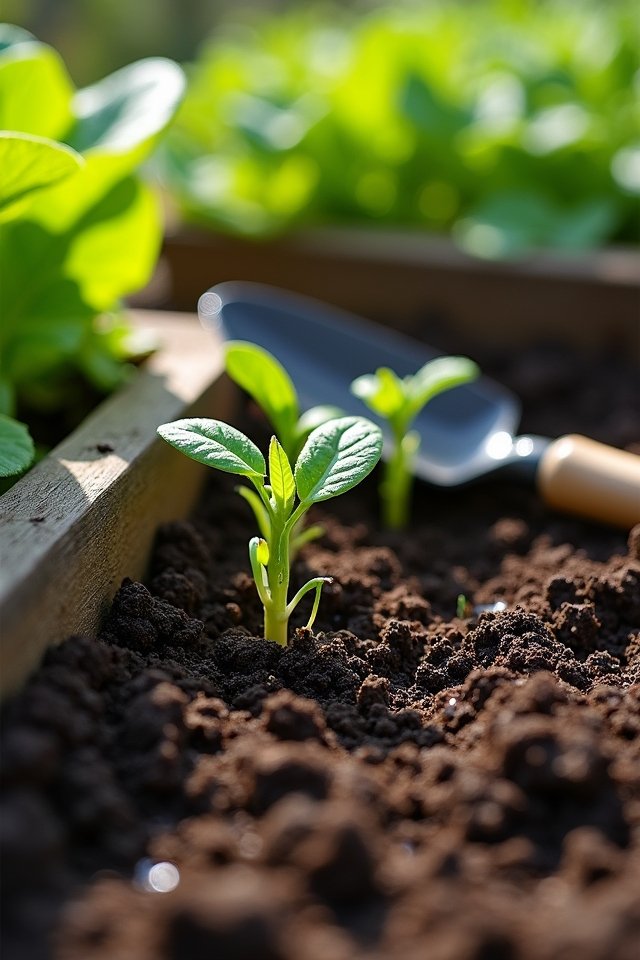
When it rains, do you ever find yourself wondering if your plants are going for a swim instead of soaking up nutrients? If soggy soil is stealing your plants’ joy, it’s time to explore some innovative drainage solutions! Start by mixing in soil amendments like sand or perlite, which help create air pockets and encourage water to flow freely. You can also create raised beds, allowing excess rainwater to drain away, giving your veggies a dry, cozy home. Installing a simple French drain could work wonders, too—picture it as a secret water highway! Remember, good drainage means happy roots and thriving gardens. So, let’s keep those roots dancing, not drowning! Ready to transform your garden? Let’s plunge into it!
Adding Organic Matter
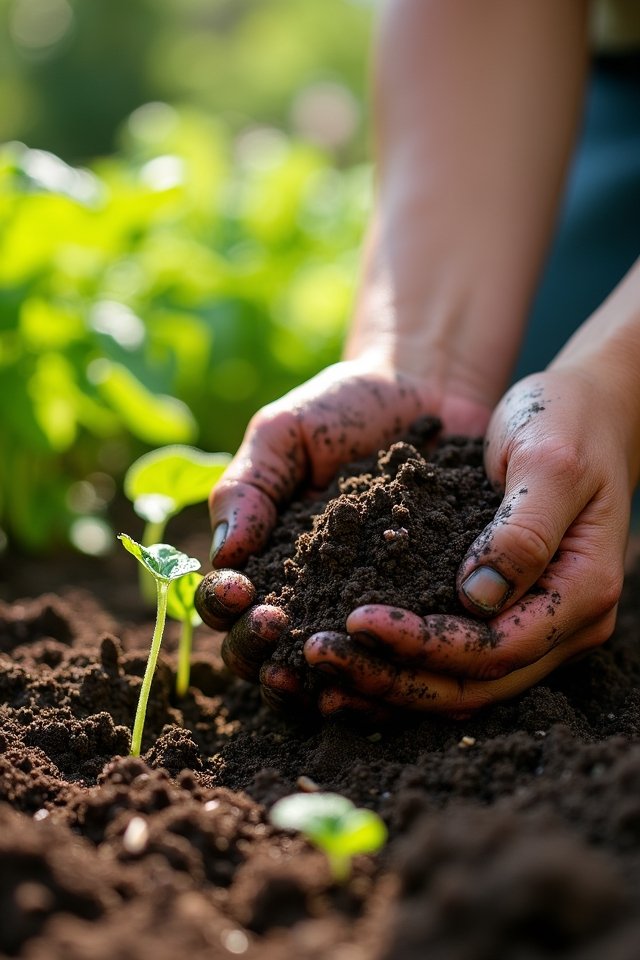
You’ve tackled drainage, and now it’s time to give your soil a hearty boost with organic matter! Adding organic matter transforms your garden, turning it into a nutrient powerhouse. Think of it as giving your soil a warm hug! Here are four fantastic options:
- Compost: Rich with compost benefits, it improves soil structure and enhances microbial life.
- Well-rotted manure: It adds nutrients like a secret ingredient in a gourmet recipe!
- Leaf mold: This natural mulch keeps moisture in, like a cozy blanket for your plants.
- Green manures: These cover crops not only enrich the soil but also prevent erosion — a win-win!
Using organic fertilizers makes your garden thrive, ensuring your veggies are as vibrant as your enthusiasm!
Incorporating Nutrients for Plant Growth
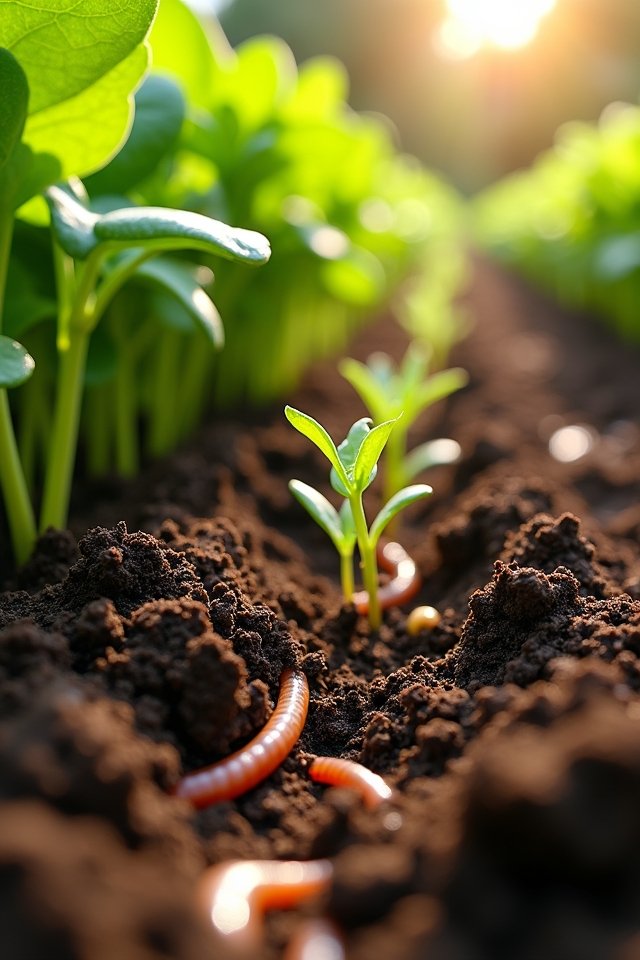
While your soil’s already feeling cozy with organic matter, it’s time to sprinkle in some essential nutrients for plant growth! Think of it as giving your garden a nutrient-packed smoothie. Start with compost—it’s like a multivitamin for your plants. You can also add bone meal for phosphorus, which helps roots grow strong, or fish emulsion for a delicious nitrogen boost. Don’t forget about potassium! Potash, a fantastic soil amendment, supports overall plant health. Mixing these nutrient sources into your soil creates a vibrant ecosystem where plants thrive. Imagine lush, green leaves dancing in the breeze, attracting pollinators! So, roll up your sleeves, mix in those amendments, and watch your garden flourish like never before! Ready, set, grow!
Mulching Techniques for Soil Health
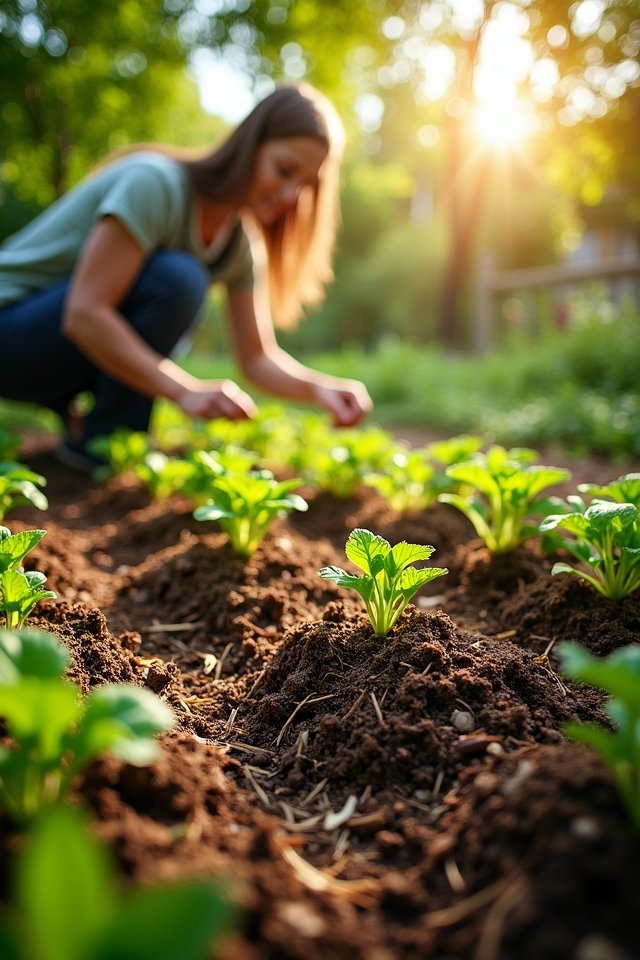
Ready to give your garden a little TLC? Mulching is your secret weapon for soil health! By adding organic mulches, you not only protect your soil but also reveal incredible mulch benefits. Imagine this:
- A cozy blanket of straw, keeping moisture snug and warm.
- Crunchy leaves that break down, feeding your plants like a gourmet meal.
- Wood chips that suppress weeds, making your garden a tidy oasis.
- Grass clippings that decompose quickly, enriching the soil while saving you time!
With these innovative techniques, your garden’s health will soar! Plus, mulching reduces the need for watering and helps regulate temperature. So, why not give your garden the love it deserves? You’ll be amazed at how happy your plants will be!
Crop Rotation and Soil Fertility
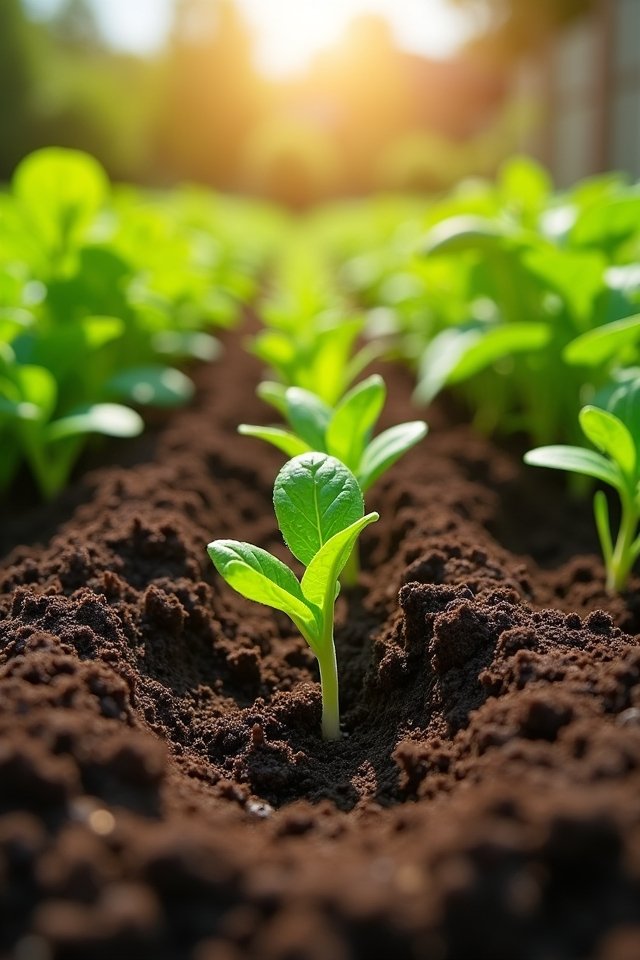
Crop rotation isn’t just a fancy gardening term; it’s like a secret recipe for soil fertility! Imagine swapping your crops like trading cards—each plant brings something special to the soil. By mixing up your veggies, you promote crop diversity, which keeps pests guessing and boosts nutrient cycling. For instance, after harvesting nitrogen-loving legumes, plant heavy feeders like tomatoes. This combo not only nourishes your plants but also enriches the soil for next season. Plus, rotating crops keeps your garden lively and reduces disease risk! Who wouldn’t want vibrant, healthy veggies popping up in their backyard? So, give your soil a treat; it deserves a little TLC from your rotating veggie friends! Happy gardening!
Managing Soil Erosion
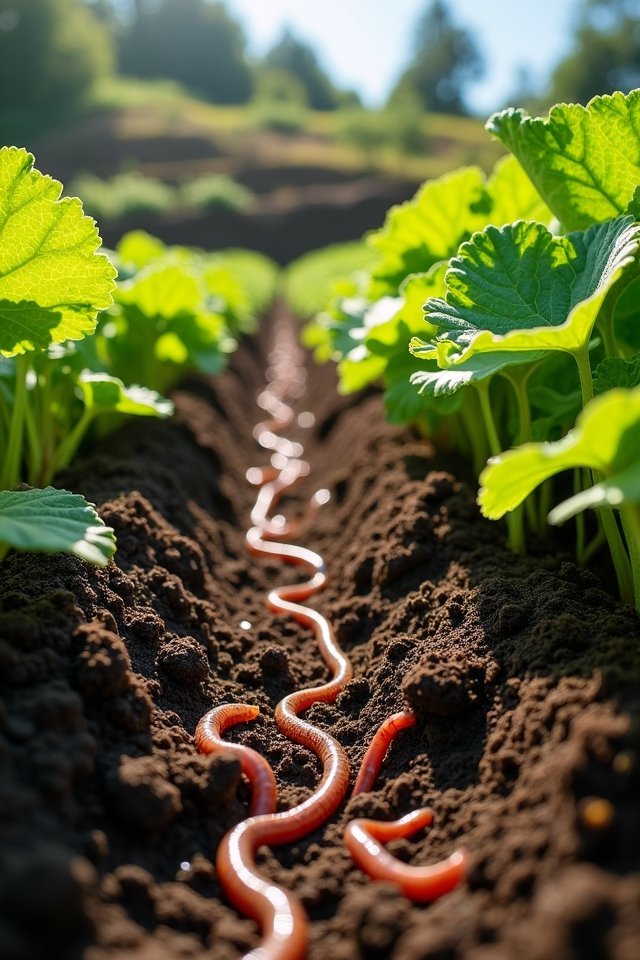
Soil erosion can sneak up on you like a mischievous raccoon in the night! If you’re not careful, your precious soil can wash away, leaving your garden vulnerable. To keep your soil intact, focus on innovative erosion control techniques and soil conservation practices. Here are four strategies to take into account:
- Plant cover crops like clover or rye to shield your soil from rain.
- Create terraces on slopes to slow water runoff and retain moisture.
- Build raised beds to elevate your plants, reducing erosion and improving drainage.
- Use mulch to protect the surface, keeping moisture in and weeds at bay.
These simple steps can help you maintain a thriving garden while protecting your soil like a knight guarding a treasure!
Best Practices for Soil Maintenance
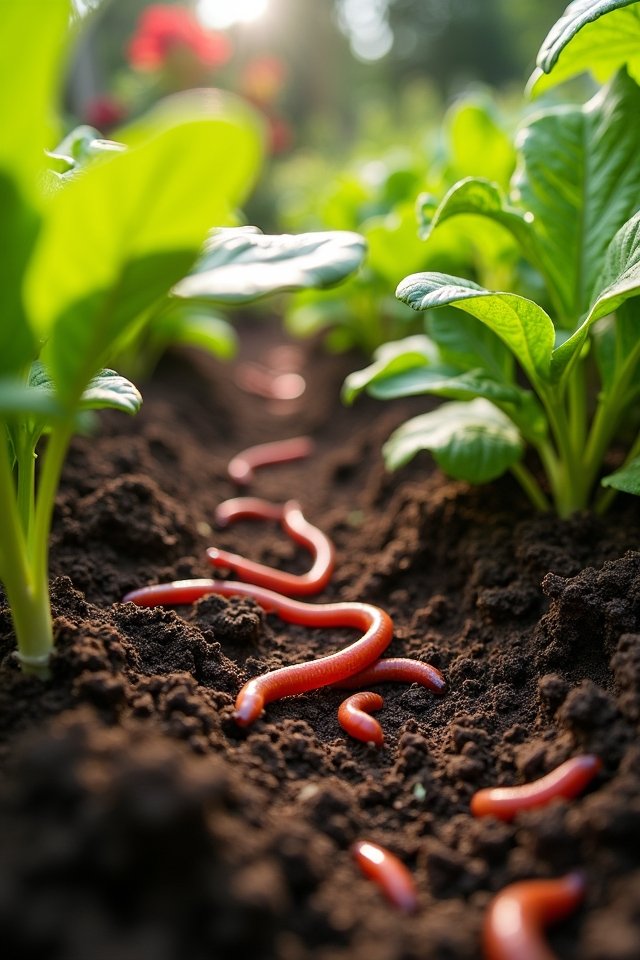
When it comes to nurturing your garden, think of soil maintenance as the secret sauce to a bountiful harvest! To keep your soil happy, regularly mix in soil amendments like bone meal or fish emulsion. These goodies add nutrients, giving your plants a tasty boost! Don’t forget about compost application; it’s like giving your soil a luxurious spa day. Spread a thick layer of rich, dark compost over your garden beds, and watch your soil transform into a nutrient powerhouse! Water it in, and those microorganisms will throw a party! Be sure to test your soil’s pH, too—just like baking, the right balance makes all the difference. With these tips, you’ll cultivate thriving veggies that’ll make your neighbors green with envy!
Frequently Asked Questions
How Do I Know When to Re-Test My Soil?
You might wonder when’s the right time to re-test your soil. Well, think of it like a check-up for your garden! If your plants seem sluggish or you’re noticing odd colors in their leaves, it’s time. Ideally, you should test every 2-3 years to keep tabs on nutrient levels. Just like a car needs regular maintenance, your soil craves attention to thrive! So, grab that testing kit and get digging!
Can I Use Compost From My Kitchen Scraps?
Absolutely, you can use kitchen composting from your scraps! It’s like giving your garden a delicious feast. Just imagine banana peels, coffee grounds, and veggie trimmings working together to create a nutrient balance that plants crave! Not only do you reduce waste, but you also boost soil health. Just avoid dairy and meat—those can be a bit stinky! So, get composting and watch your garden thrive with this eco-friendly magic!
What Common Pests Affect Garden Soil Health?
Ah, the garden’s hidden foes! Common pests, like sneaky nematodes or ravenous grubs, can wreak havoc on your soil health. You’ve got to be vigilant in pest identification! They’re like uninvited guests at a party, ruining your soil’s vibe. To combat them, consider using soil amendments like neem cake or compost that can boost beneficial organisms. Keep your garden thriving and vibrant; it’s like a dance of life beneath your feet!
How Does Weather Impact Soil Quality?
Weather plays a huge role in soil quality! When it rains, soil moisture rises, making it easier for roots to drink up nutrients. But too much rain? It can wash away precious minerals! On hot days, the sun cranks up the temperature, drying out your soil like a thirsty sponge. You’ve got to keep an eye on those weather patterns—after all, your garden’s thriving depends on the perfect balance of moisture and warmth!
Is There a Best Time to Start a Garden?
You’ve gotta love spring planting! It’s like the earth’s way of saying, “Let’s get growing!” The best time to start a garden is when the soil warms up, usually after the last frost. But don’t forget about fall preparation! That’s when you can enrich your soil with compost and mulch, making it a cozy home for your future plants. So, grab your trowel and let’s dig into this vibrant adventure together!